Artwork
Bildnis eines älteren Mannes
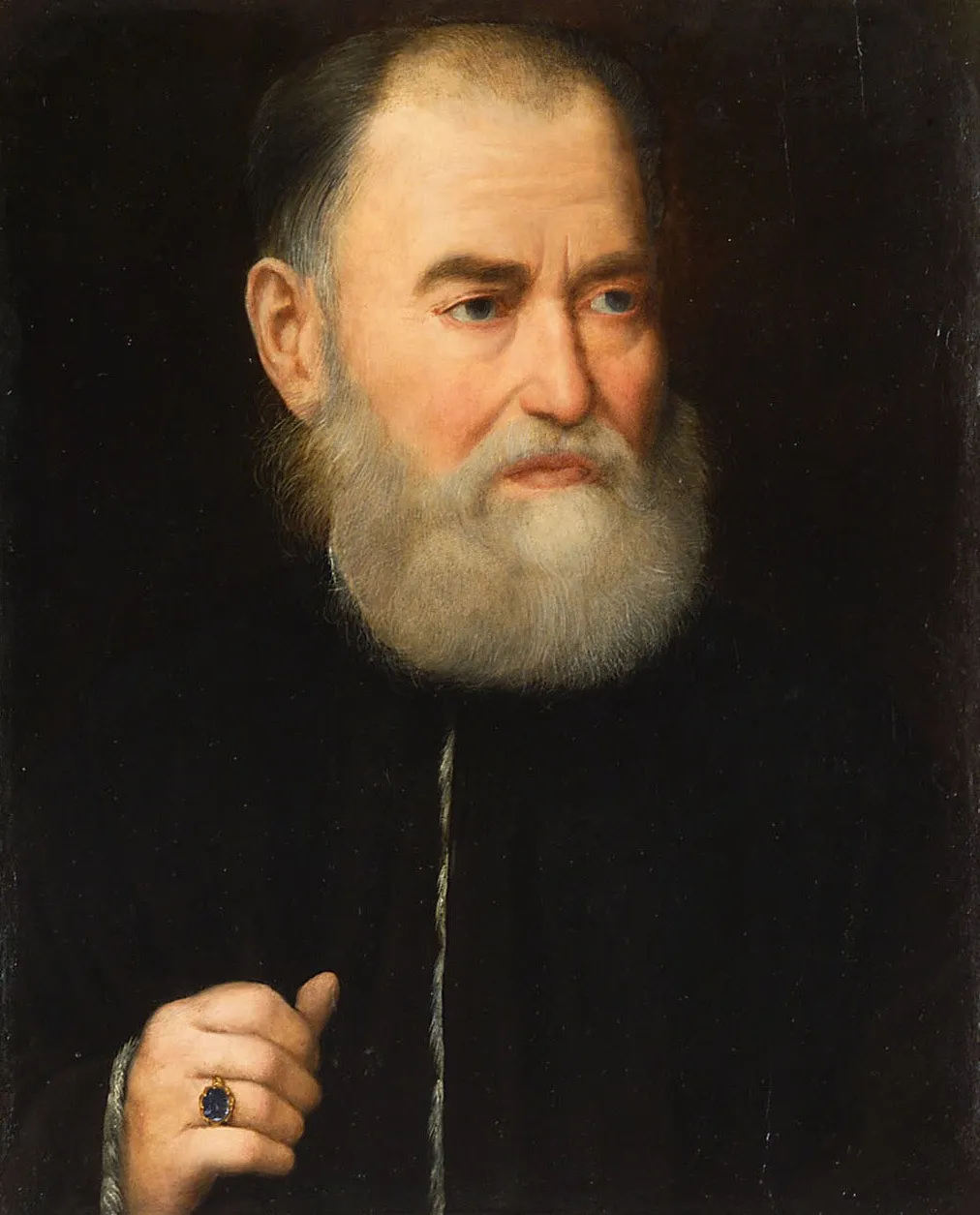
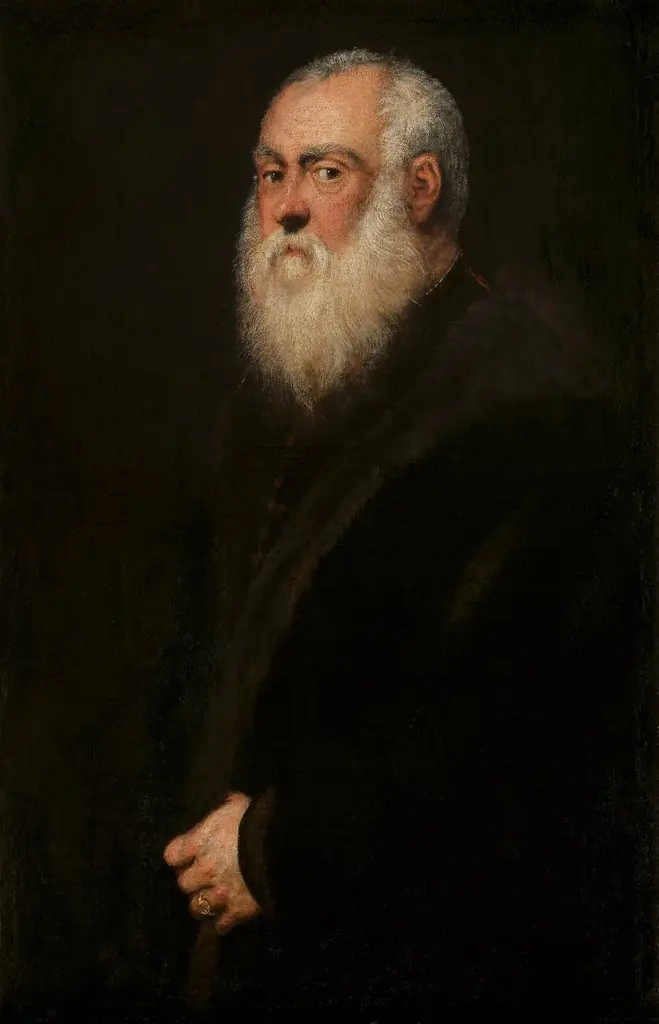
Bildnis eines älteren Mannes is an unspecified painting by the Dutch Golden Age artist Dirck Barendsz.. It dates from 1573 and is held in the collection of the Kunsthistorisches Museum. Painted circa 1573 by Dirck Barendsz, this portrait depicts an elderly man with quiet intensity.
About this work
Overview
Barendsz, trained in Italy and active in Amsterdam, brought Italian compositional sensibilities to Dutch portraiture.
Painted circa 1573 by Dirck Barendsz, this portrait depicts an elderly man with quiet intensity. Barendsz, trained in Italy and active in Amsterdam, brought Italian compositional sensibilities to Dutch portraiture. The work resides in the Kunsthistorisches Museum in Vienna, where it exemplifies the cross-cultural exchange between Northern and Southern European artistic traditions during the late Renaissance.
Subject & Meaning
The sitter is an older man with a long white beard and prominent eyebrows, his expression solemn and introspective. His hand extends beyond the frame, suggesting an unseen gesture or reference, perhaps indicating thought, testimony, or spiritual direction. The absence of identifying symbols or context invites interpretation centered on inner character rather than social status.
Technique & Style
Barendsz employs chiaroscuro to model the face with strong contrasts between light and shadow, drawing focus to the man’s features. The dark, unadorned robe and simple ring contrast with the deep background, enhancing the three-dimensionality of the figure. Brushwork is restrained yet precise, emphasizing texture in skin and fabric without ornamental flourish.
History & Provenance
The painting entered the collection of the Kunsthistorisches Museum in Vienna, likely through Habsburg acquisitions of Northern European art in the 16th or 17th century. Its attribution to Barendsz is supported by stylistic parallels with his other known works and documented training under Titian. No earlier provenance records are widely cited, but its preservation suggests it was valued early in its history.
Context
In the 1570s, Dutch artists increasingly absorbed Italian techniques after studying abroad, blending them with local traditions of realism. Barendsz’s work reflects this trend: while his subject’s demeanor aligns with Northern portraiture’s psychological depth, his use of light and volume owes much to Venetian models like Titian, bridging two artistic worlds.
Legacy
Though Barendsz is not among the most widely recognized Dutch painters, this portrait illustrates how Italian Renaissance methods were adapted in the North. It stands as an early example of the synthesis that would later define the Dutch Golden Age, influencing contemporaries and demonstrating the mobility of artistic ideas across Europe before the rise of fully localized styles.
Artist & collection
Artist
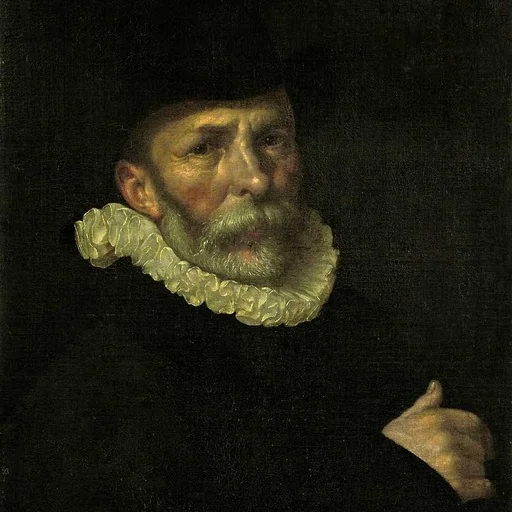
Dirck Barendsz or Theodor Barendszoon (1534–1592) was a Dutch Renaissance painter from Amsterdam who traveled to Italy in his youth to learn from the Italian masters, most notably Titian.

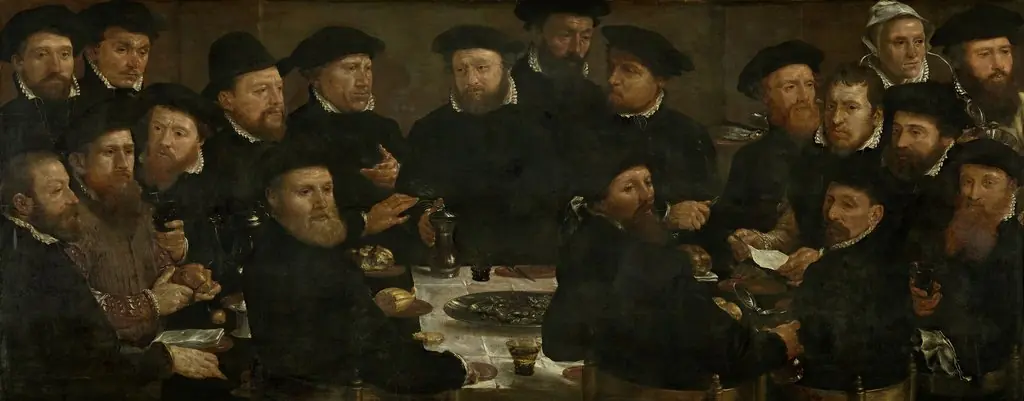 Meal of the Amsterdam militia
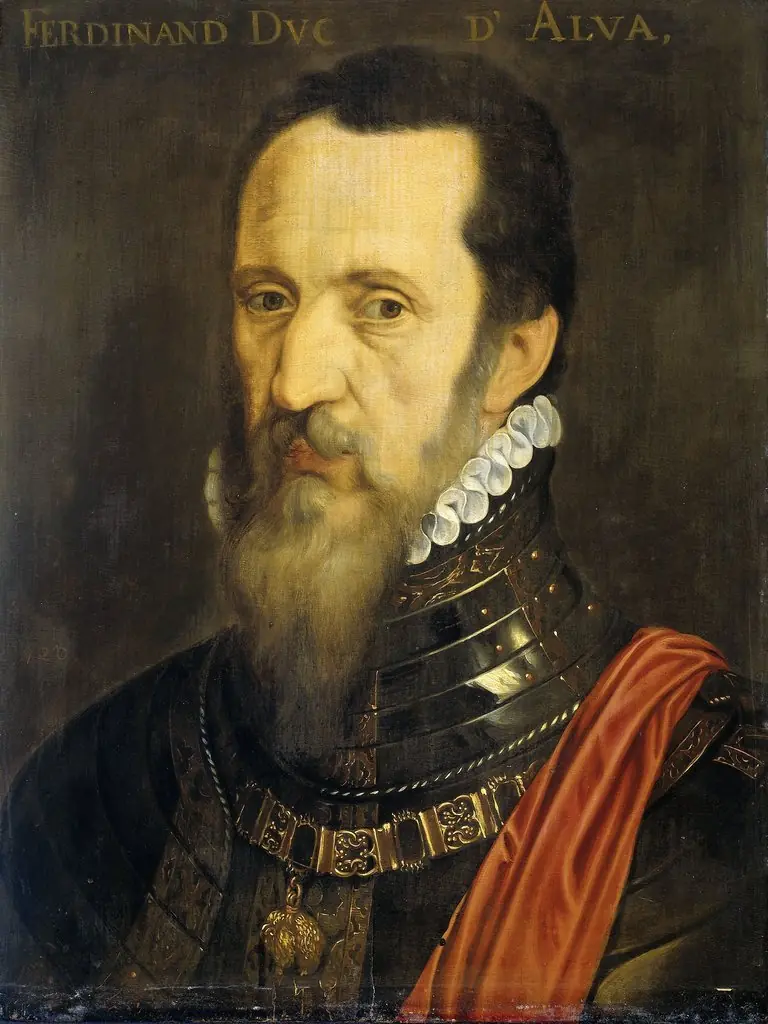 Portrait of Ferdinand Alvarez de Toledo (1507-82), Duke of Alba
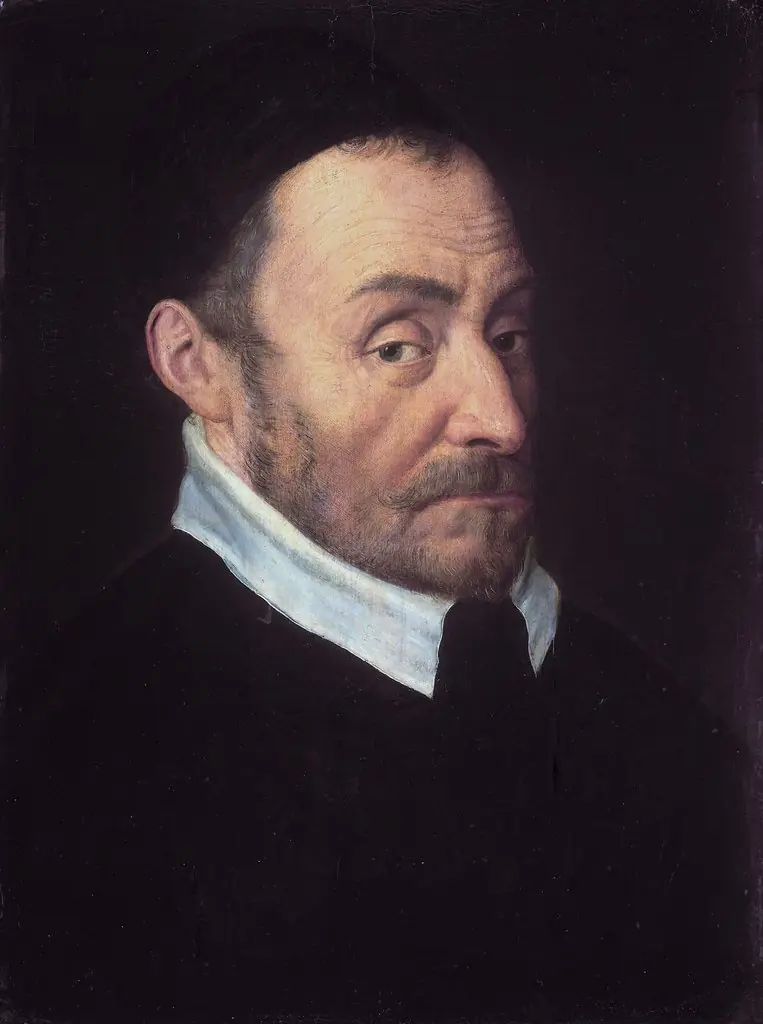 Portrait of William I. Prince of Orange, called William the Silent
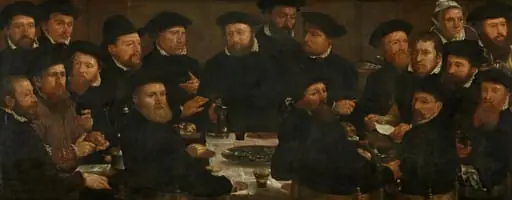 Banquet of Eighteen Guardsmen of Squad L, Amsterdam 1566, known as 'The Perch Eaters'
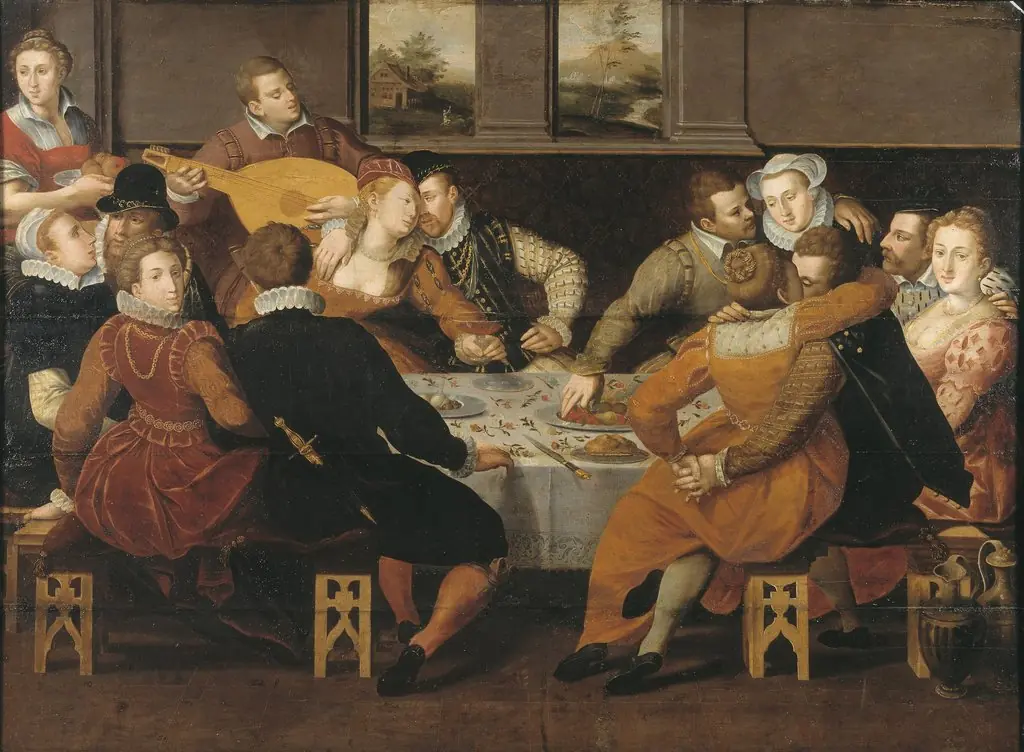 Sinful Mankind Surprised by the Day of Judgment
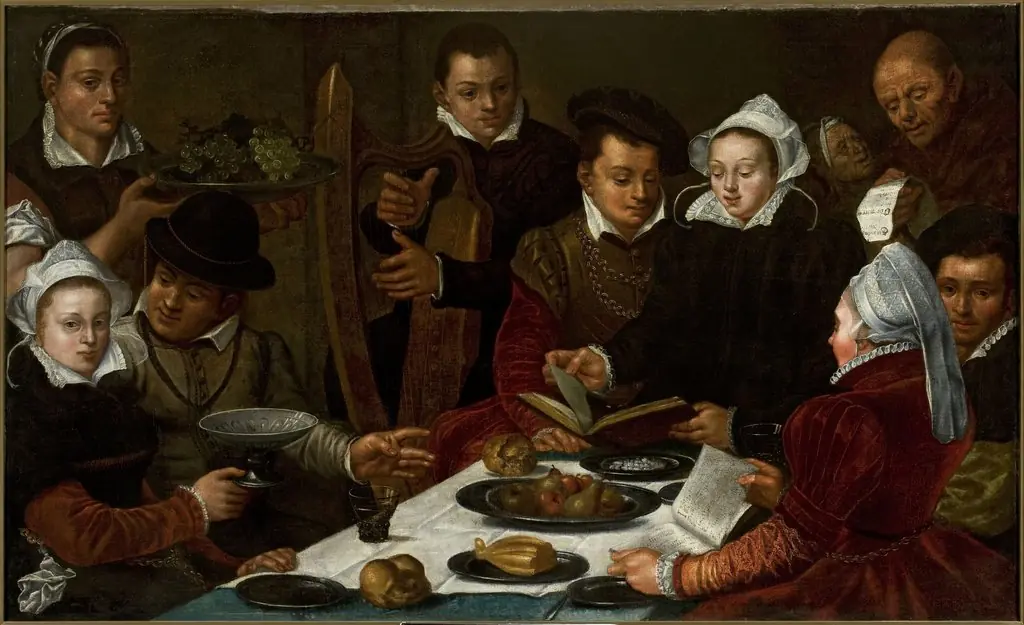 Company at the table
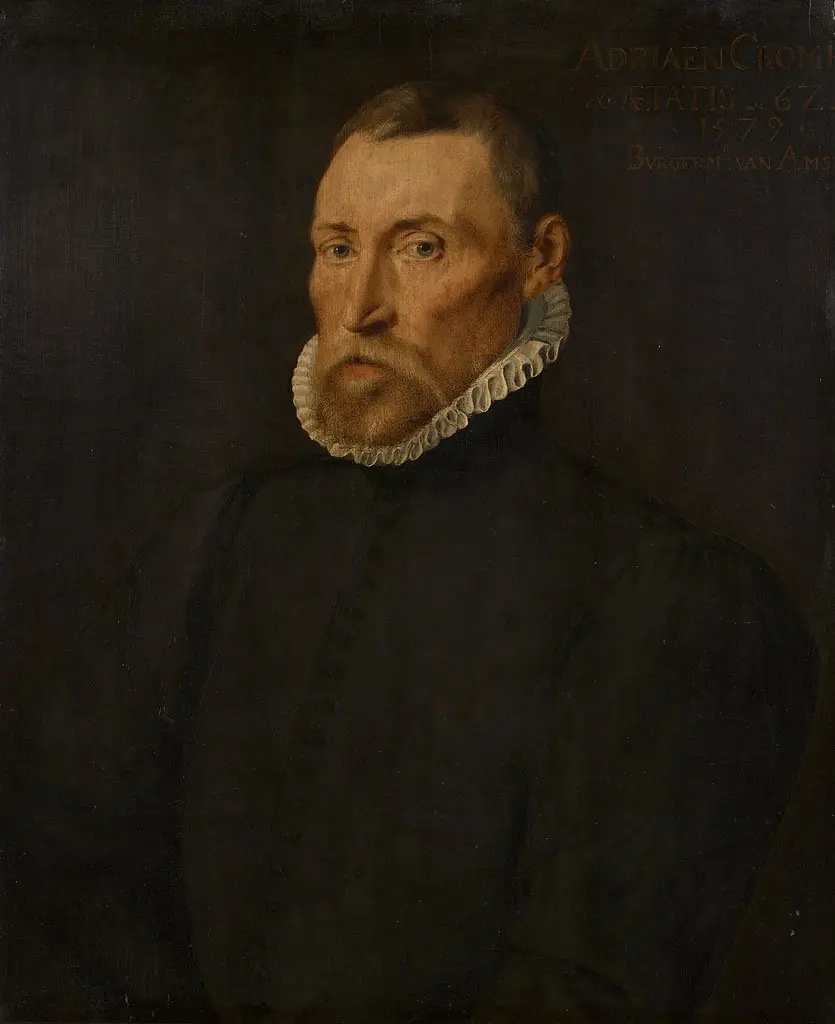 Portrait of Adriaen Cromhout (d.1588)
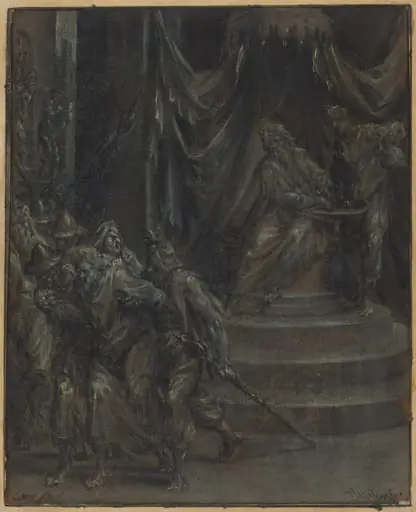 Pilate Washing His Hands as Christ Is Led Away
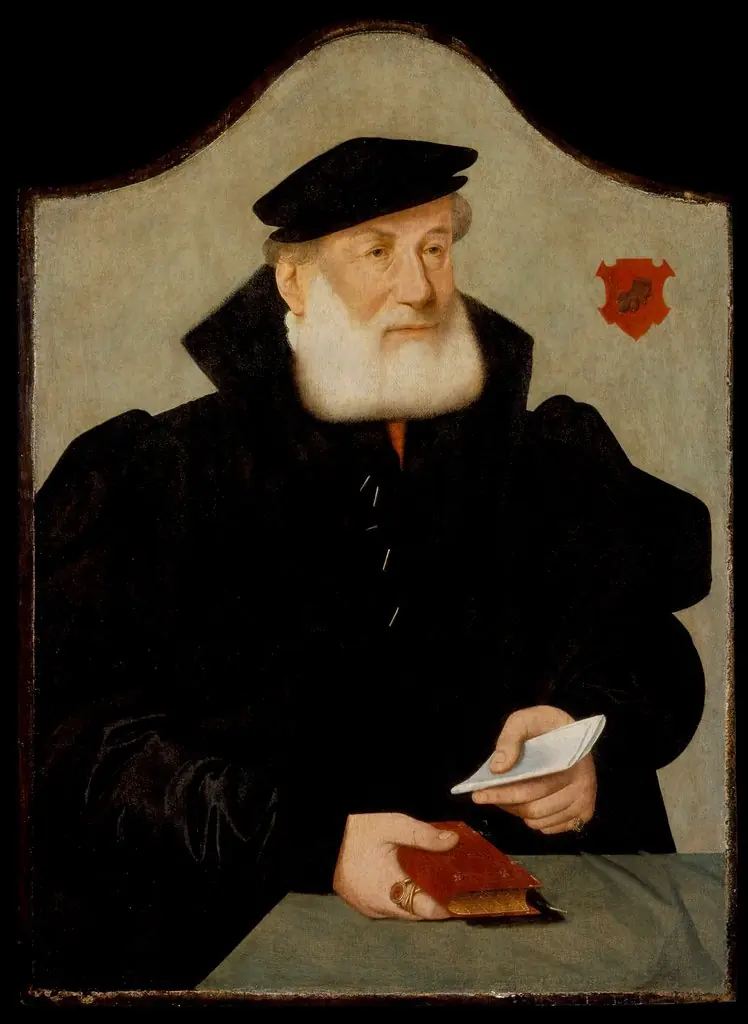 Portrait of Wilhelm Kannengiesser
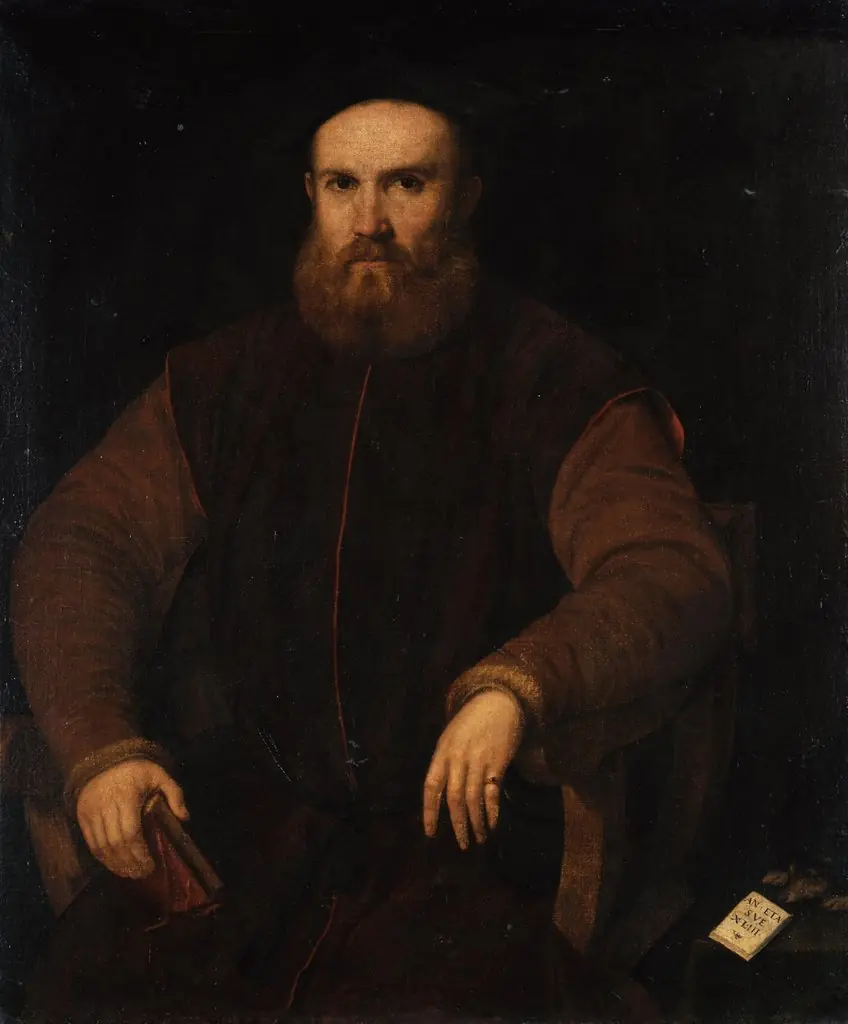 Portrait of a Man
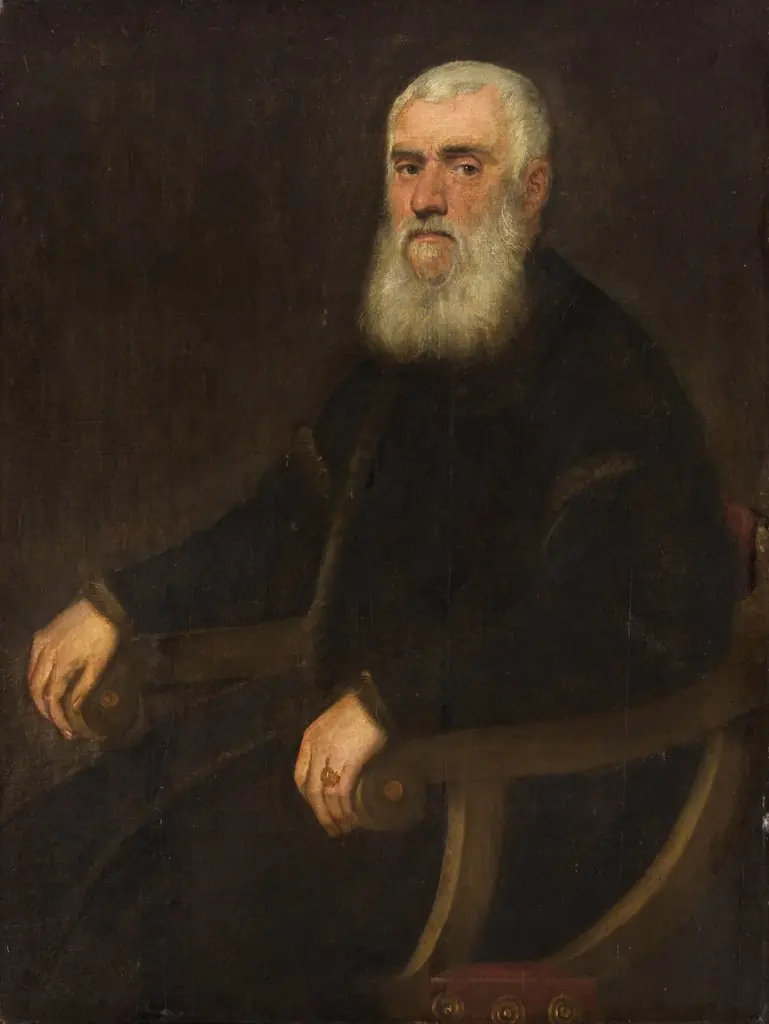 Portrait of a white-bearded man in an armchair
 Portrait of a Man
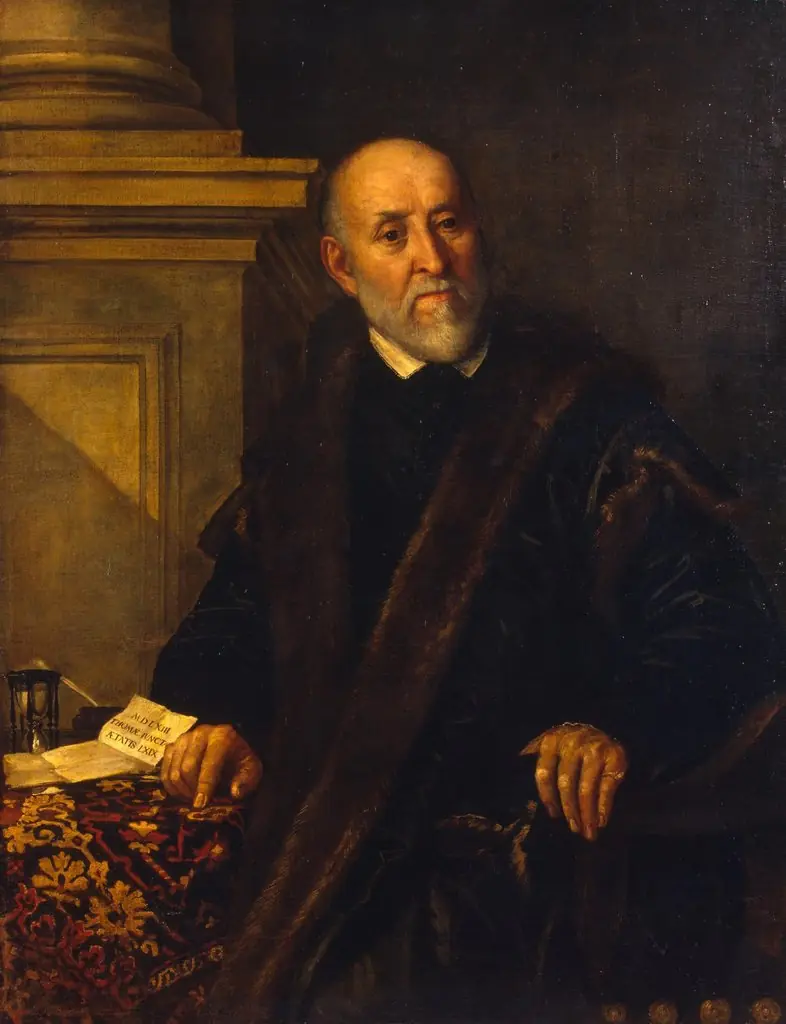 Portrait of Tommaso Guinta
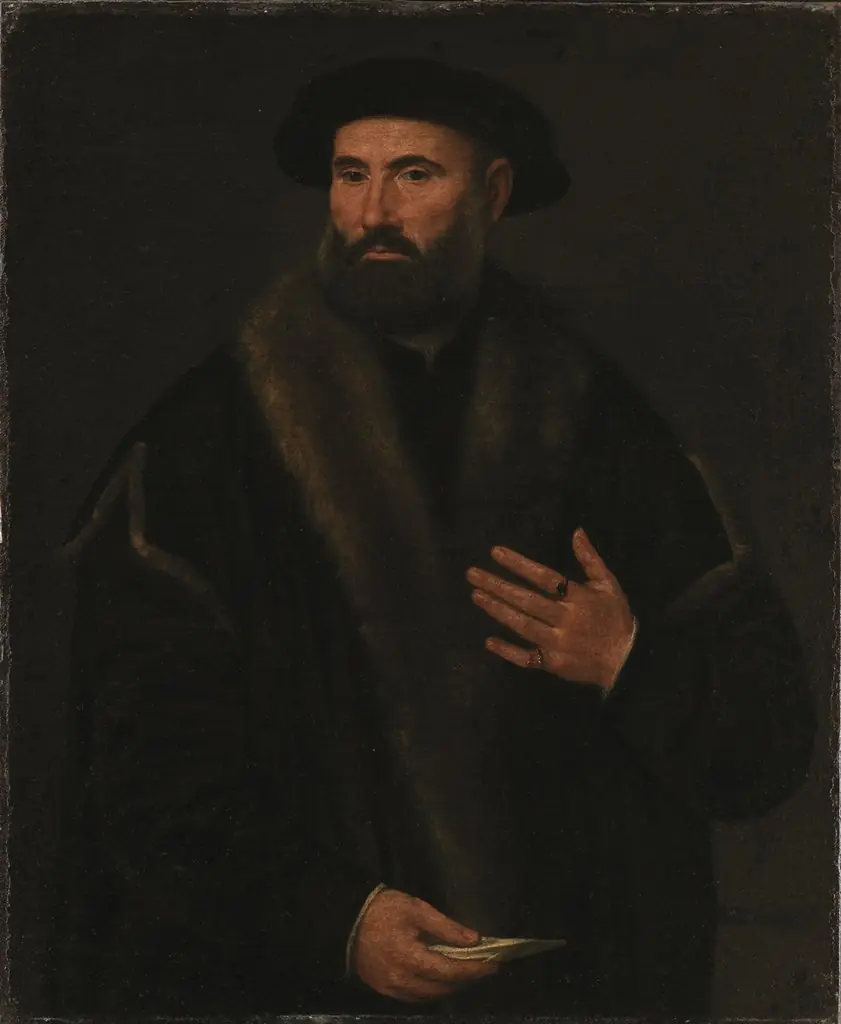 Portrait of a Man
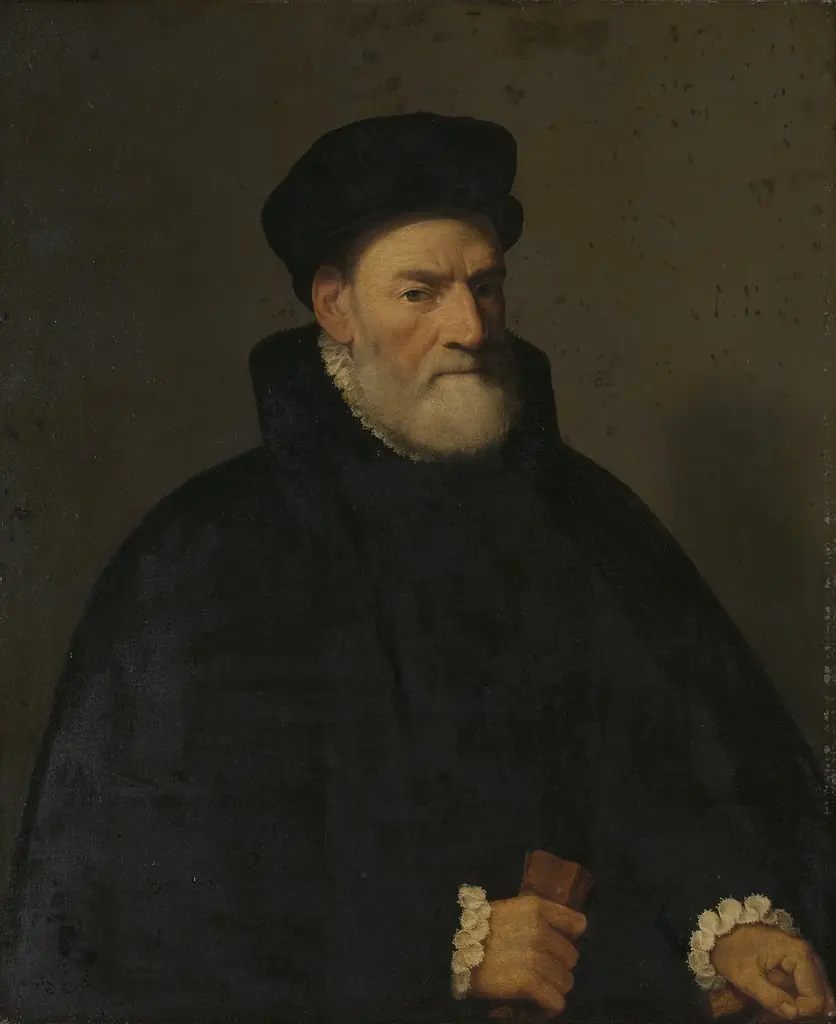 Portrait of an Old Man, probably Vercellino Olivazzi, Senator from Bergamo
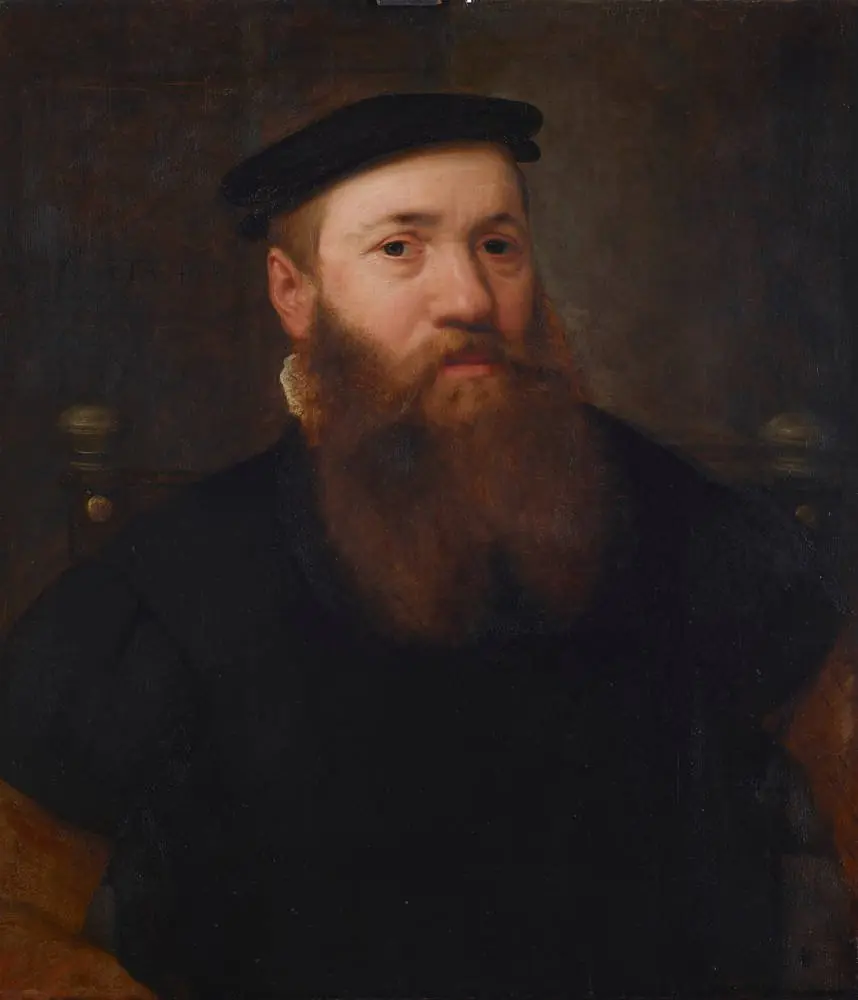 Bildnis eines Mannes mit dunkelblondem Vollbart
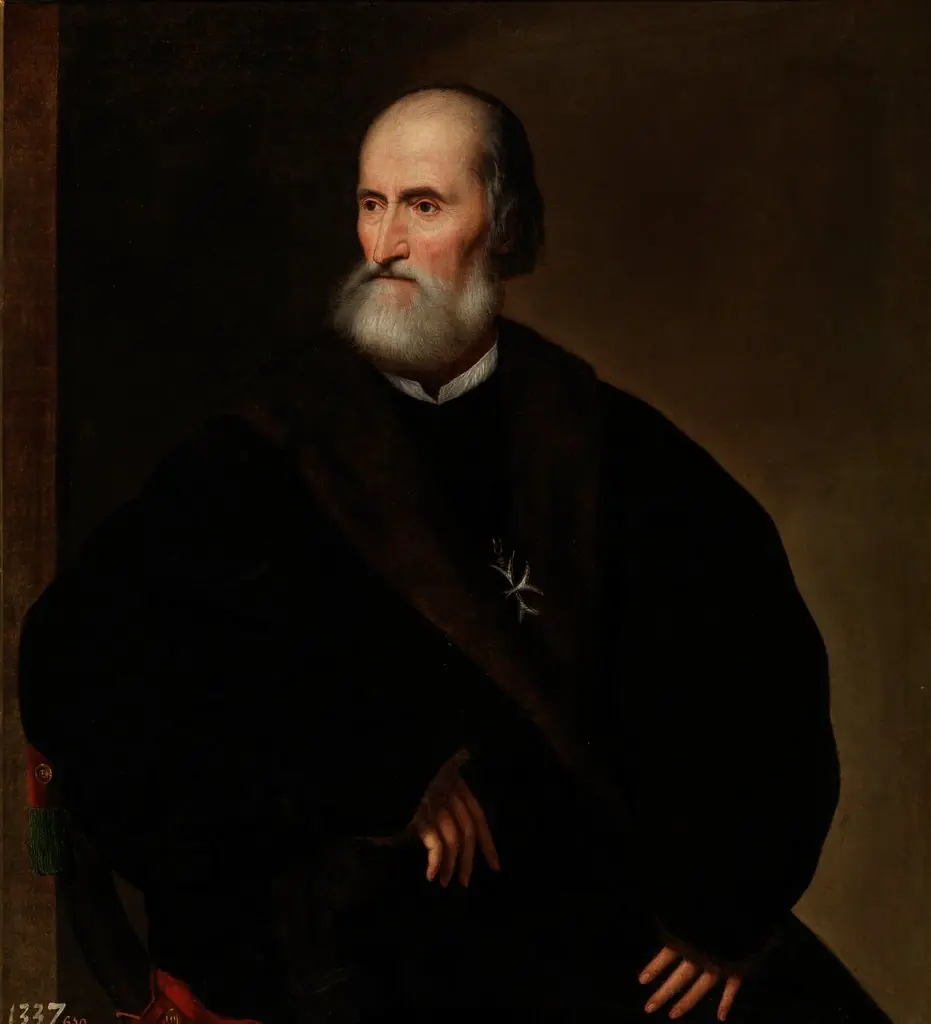 Pietro Bembo as prior of the Order of Saint John of Jerusalem
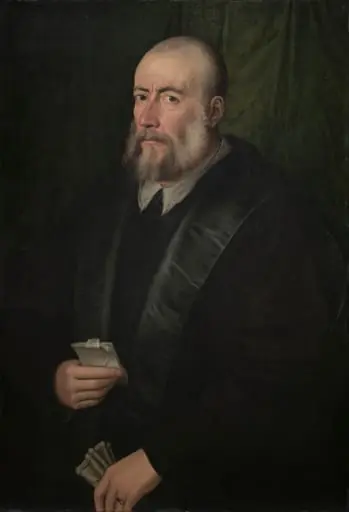 Portrait of an Old Man
 Portrait of a White-Bearded Man
 Bildnis eines Greises