Artwork
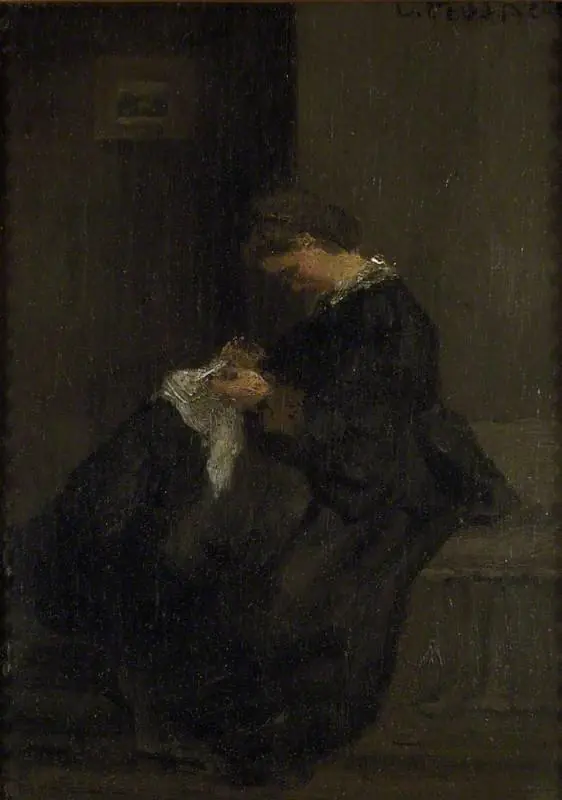
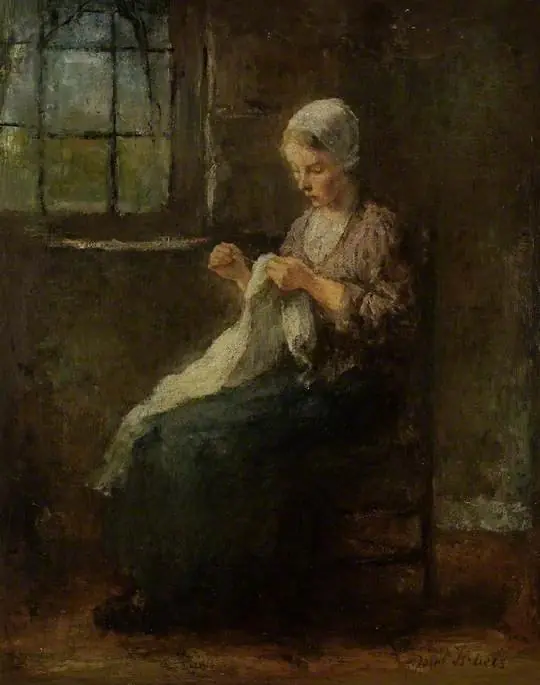
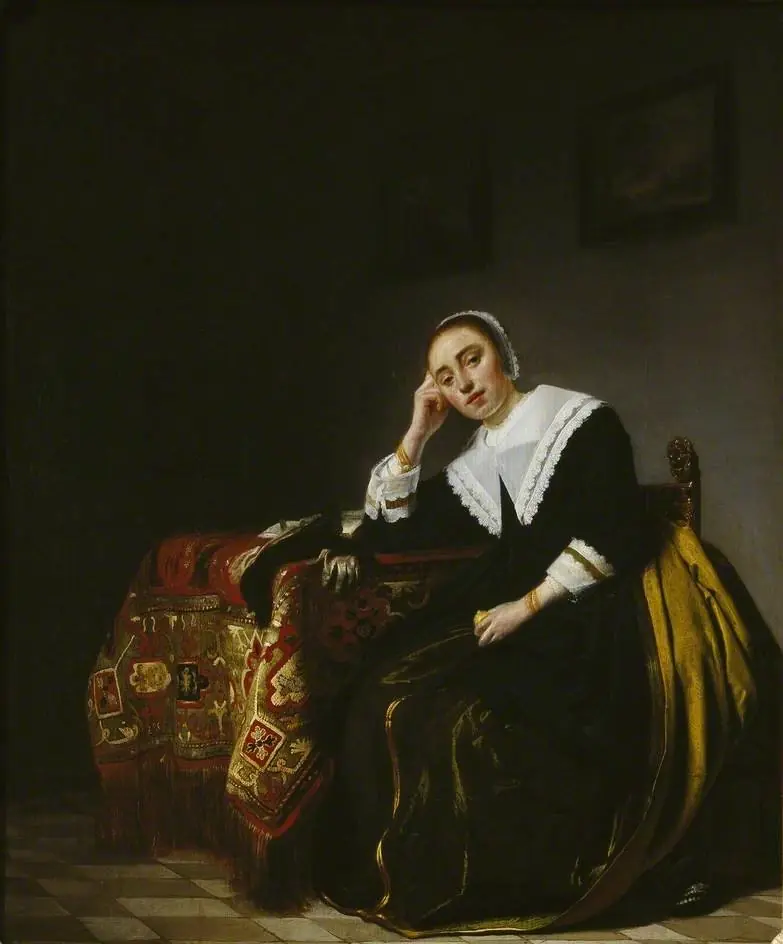
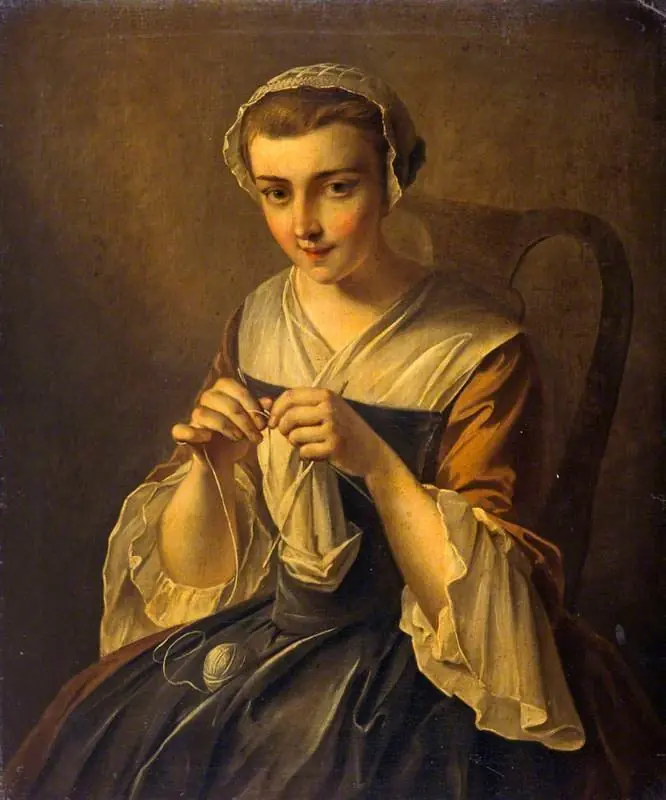
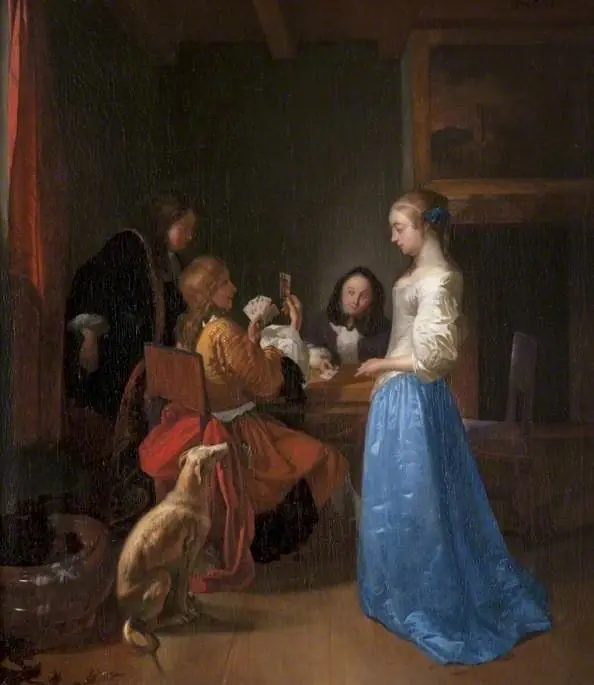
Woman at her work
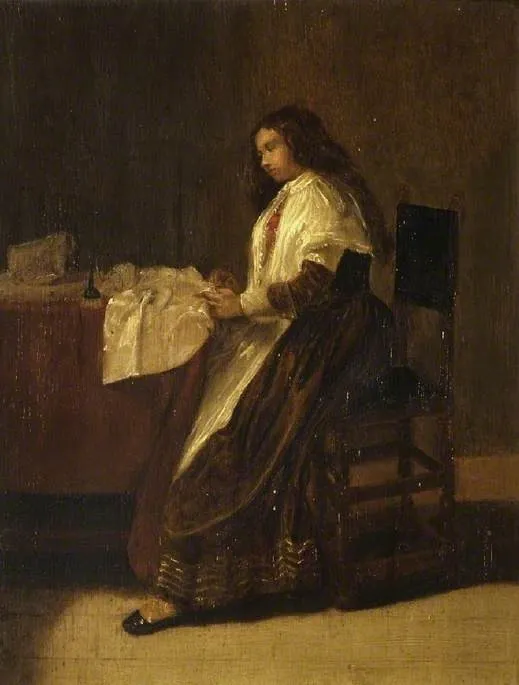
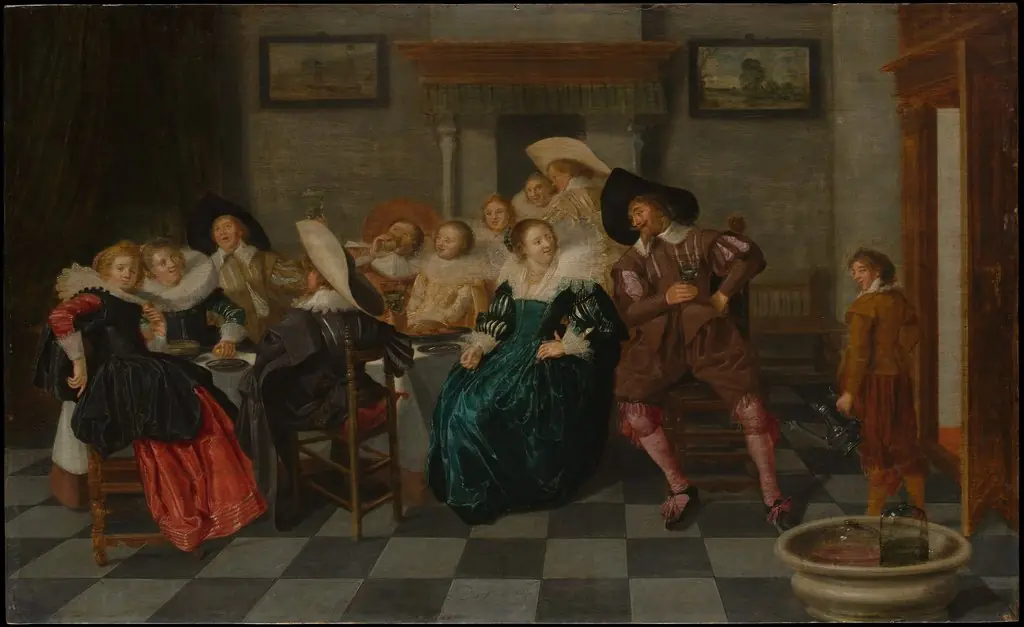
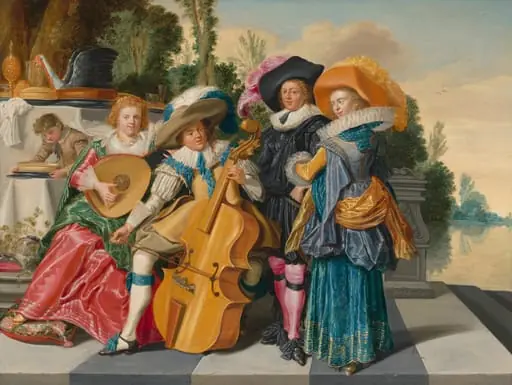
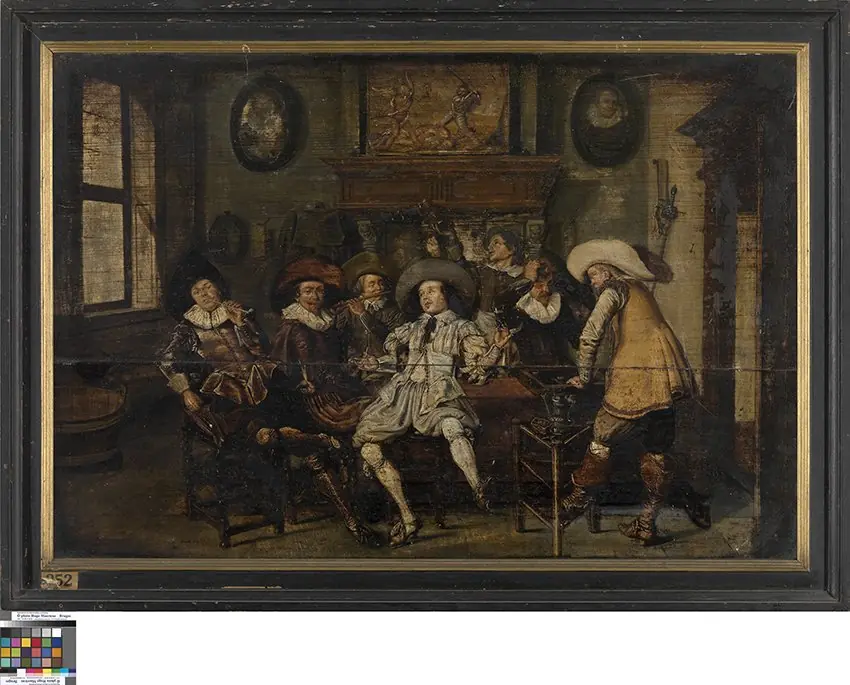
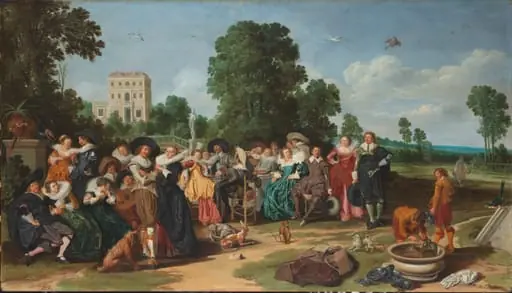
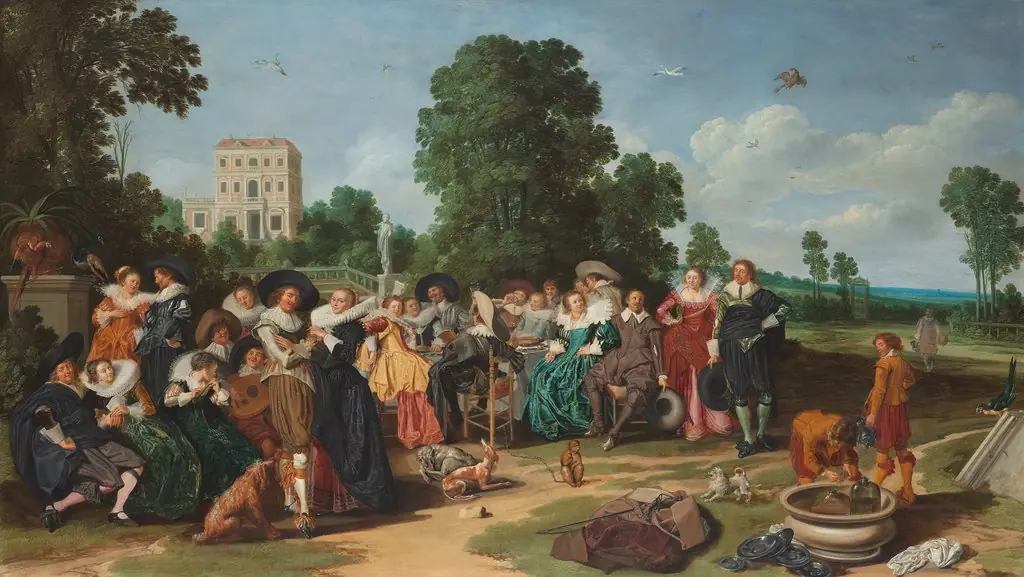
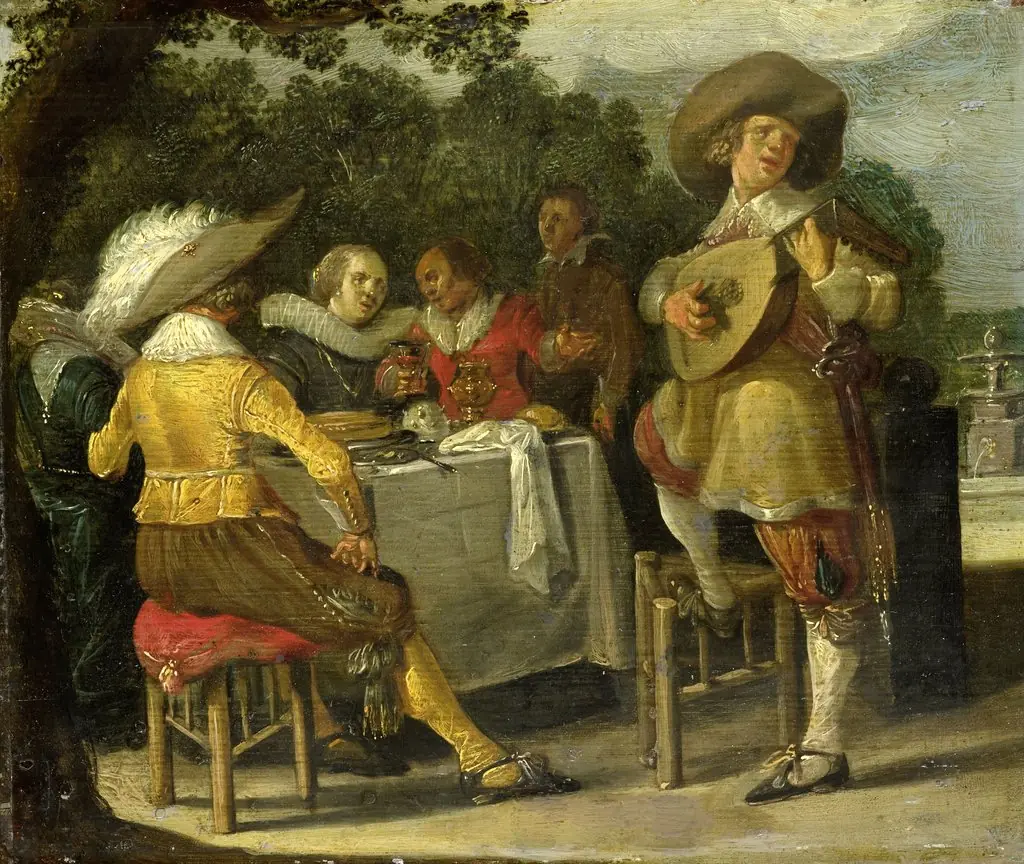
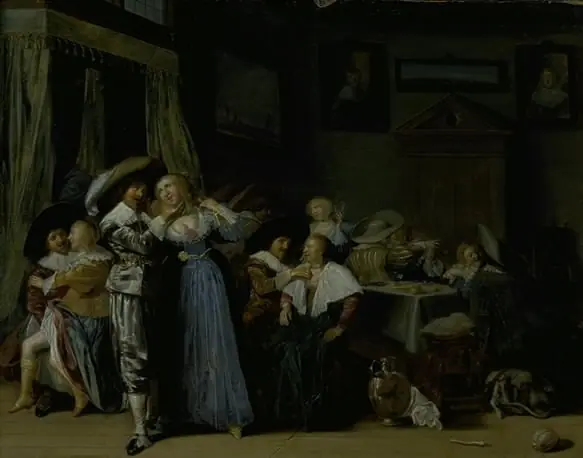
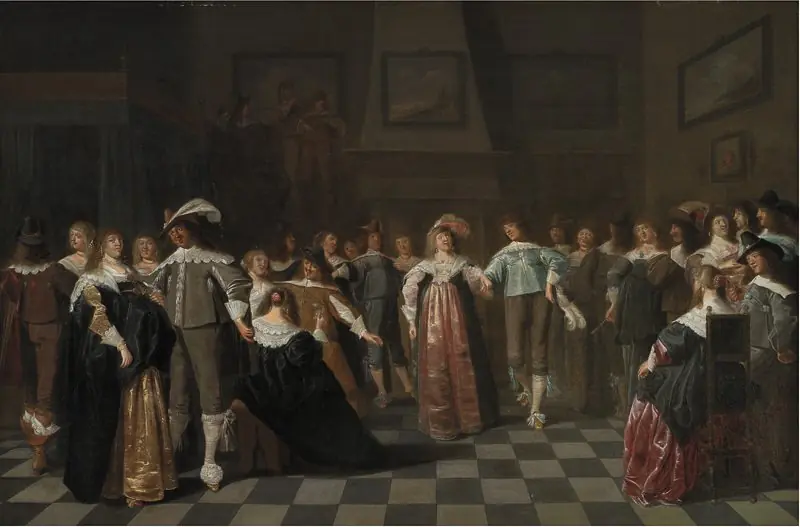
Woman at her work is an oil painting by the Dutch Golden Age artist Dirck Hals. It dates from 1633 and is held in the collection of the Fitzwilliam Museum.
About this work
Overview
Painted around 1633 by Dirck Hals, this oil-on-canvas work depicts a woman engaged in quiet labor. Hals, active in Haarlem during the Dutch Golden Age, specialized in intimate portrayals of everyday life. The painting is part of the Fitzwilliam Museum’s collection, where it exemplifies the period’s interest in domestic routines rendered with subtle realism and restrained emotion.
Subject & Meaning
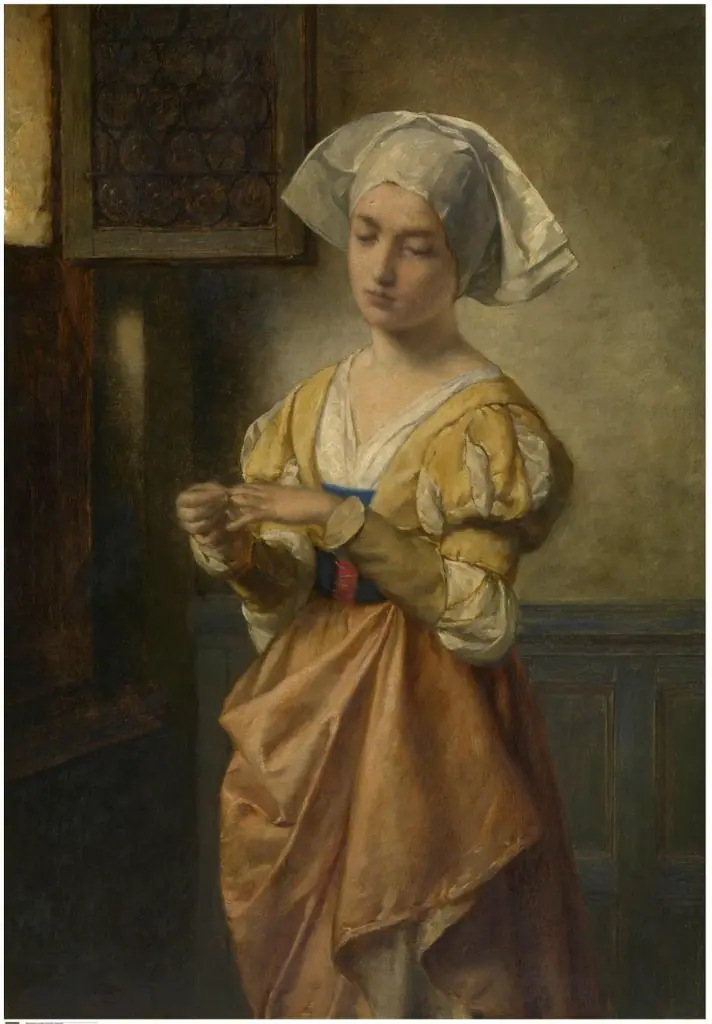
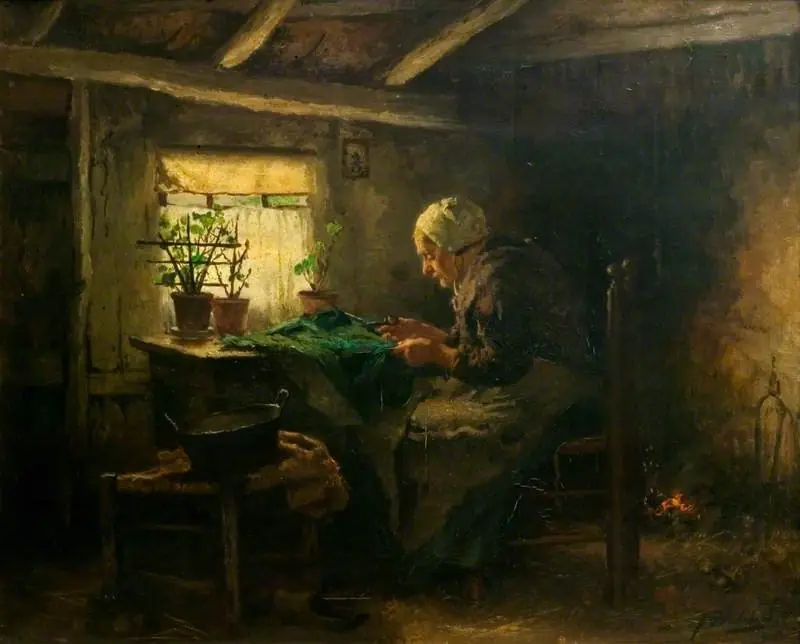
The woman is shown in focused concentration, her hands occupied with a delicate task—likely needlework—suggesting the quiet dignity of domestic labor.
The woman is shown in focused concentration, her hands occupied with a delicate task—likely needlework—suggesting the quiet dignity of domestic labor. Her downward gaze and solemn expression convey attentiveness rather than narrative drama. The absence of ornament or context emphasizes solitude and routine, reflecting a cultural valuation of industriousness in private spheres without overt moralizing.
Technique & Style
Hals employs chiaroscuro to model the figure against a deep, unbroken background, enhancing the three-dimensionality of her form and the texture of her clothing. Brushwork is precise yet unobtrusive, capturing the soft fall of fabric and the fine detail of her hands without theatricality. The limited palette—white, dark tones, and muted earth—focuses attention on the act of work itself, aligning with the genre’s preference for understated realism.
History & Provenance
The painting entered the Fitzwilliam Museum’s collection in the 19th century, though its earlier ownership remains undocumented. It was likely acquired during a period of growing interest in Dutch genre painting among British collectors. Its survival in good condition reflects careful stewardship, though no records indicate it was exhibited or discussed in detail prior to its museum acquisition.
Context
In 17th-century Holland, depictions of women at work were common in genre painting, often tied to ideals of modesty and domestic virtue. Hals, brother of the more famous Frans Hals, contributed to this trend without the flamboyance of his sibling. His works avoided grandeur, instead offering quiet observations of ordinary life that resonated with middle-class viewers seeking recognition of their daily routines.
Legacy
Though not widely reproduced or studied, the painting stands as a representative example of Dirck Hals’s contribution to Dutch genre painting. It preserves a visual record of women’s labor in early modern households, offering insight into the uncelebrated rhythms of domestic life. Its restrained aesthetic influenced later realist traditions that valued observation over spectacle.
Artist & collection
Artist
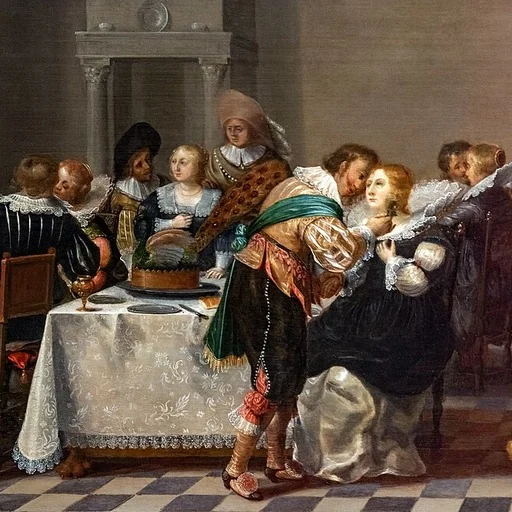
Dirck Hals (19 March 1591 – 17 May 1656), born at Haarlem, was a Dutch Golden Age painter of merry company scenes, festivals and ballroom scenes.