Artwork
Achilles preparing to avenge the death of Patroclus
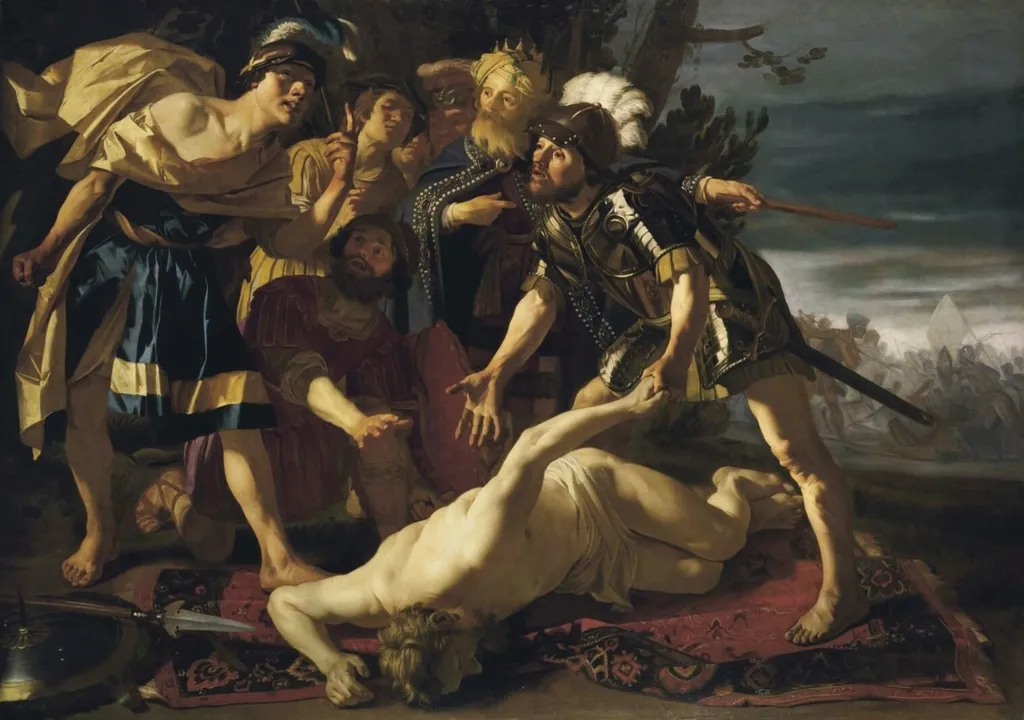
Achilles preparing to avenge the death of Patroclus is an oil painting by the Early Baroque Italian artist Dirck van Baburen. It dates from 1624 and is held in the collection of the Staatliche Kunstsammlungen Dresden.
About this work
Overview
The painting resides in the Gemäldegalerie Alte Meister in Dresden, where it is recognized as a significant example of Dutch Caravaggism.
Painted in 1624 by Dirck van Baburen, this oil on canvas work captures a pivotal moment from Homeric legend. It portrays Achilles in the aftermath of Patroclus’s death, moments before he reenters battle. The scene is rendered with restrained color and a somber tone, emphasizing emotional gravity over heroic grandeur. The painting resides in the Gemäldegalerie Alte Meister in Dresden, where it is recognized as a significant example of Dutch Caravaggism.
Subject & Meaning
The painting illustrates the grief-stricken Achilles kneeling beside the body of his fallen companion, Patroclus. Patroclus lies lifeless, draped in a white cloth, his arm extended as if reaching beyond death. Achilles, clad in armor and gripping a sword, gazes downward in anguish, his posture signaling both mourning and resolve. The surrounding figures, silent and stunned, amplify the weight of loss, framing the moment as a turning point toward vengeance.
Technique & Style
Van Baburen employs chiaroscuro to heighten emotional tension, using deep shadows and focused light to isolate the central figures. The palette is subdued—dominated by earth tones, muted grays, and dull ochres—enhancing the scene’s solemnity. Figures are rendered with naturalistic detail, their gestures and expressions grounded in psychological realism. The composition directs the viewer’s eye along the diagonal of Achilles’s arm toward the still form of Patroclus, reinforcing narrative focus.
History & Provenance
Commissioned during van Baburen’s mature period, the painting reflects his time in Rome, where he absorbed the dramatic lighting and emotional intensity of Caravaggio’s followers. It entered the Saxon royal collection in the early 18th century and has remained in the Gemäldegalerie Alte Meister since. Its attribution has been consistently supported by stylistic analysis and archival records, with no evidence of significant restoration or alteration.
Context
Van Baburen worked within a network of Northern European artists influenced by Caravaggio’s innovations, adapting his tenebrism to Northern sensibilities. This painting aligns with early 17th-century trends in Dutch and Utrecht painting that favored intimate, emotionally charged biblical and mythological scenes. Unlike grander Italian treatments of the Trojan War, van Baburen’s version prioritizes human vulnerability over spectacle, reflecting a broader Northern European shift toward psychological depth.
Legacy
The painting stands as a quiet but potent example of how Caravaggio’s visual language was reinterpreted beyond Italy. While less widely known than contemporaneous works, it contributed to the development of narrative realism in Dutch art. Its restrained drama and focus on grief over glory influenced later genre scenes and historical paintings that sought emotional authenticity rather than idealized heroism.
Artist & collection

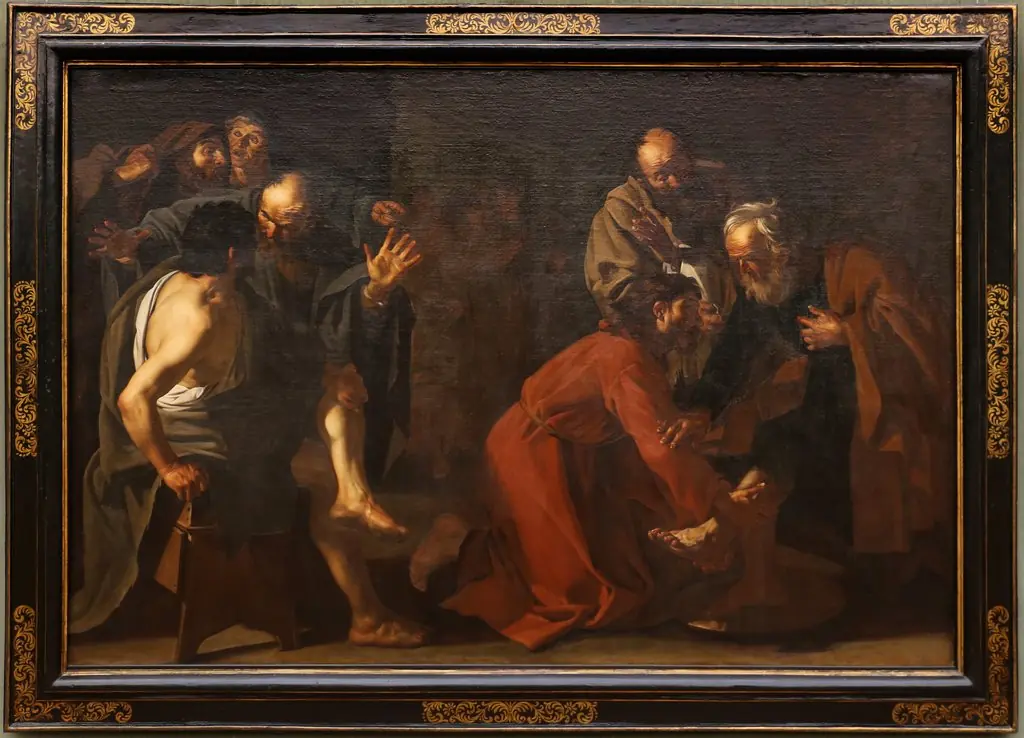
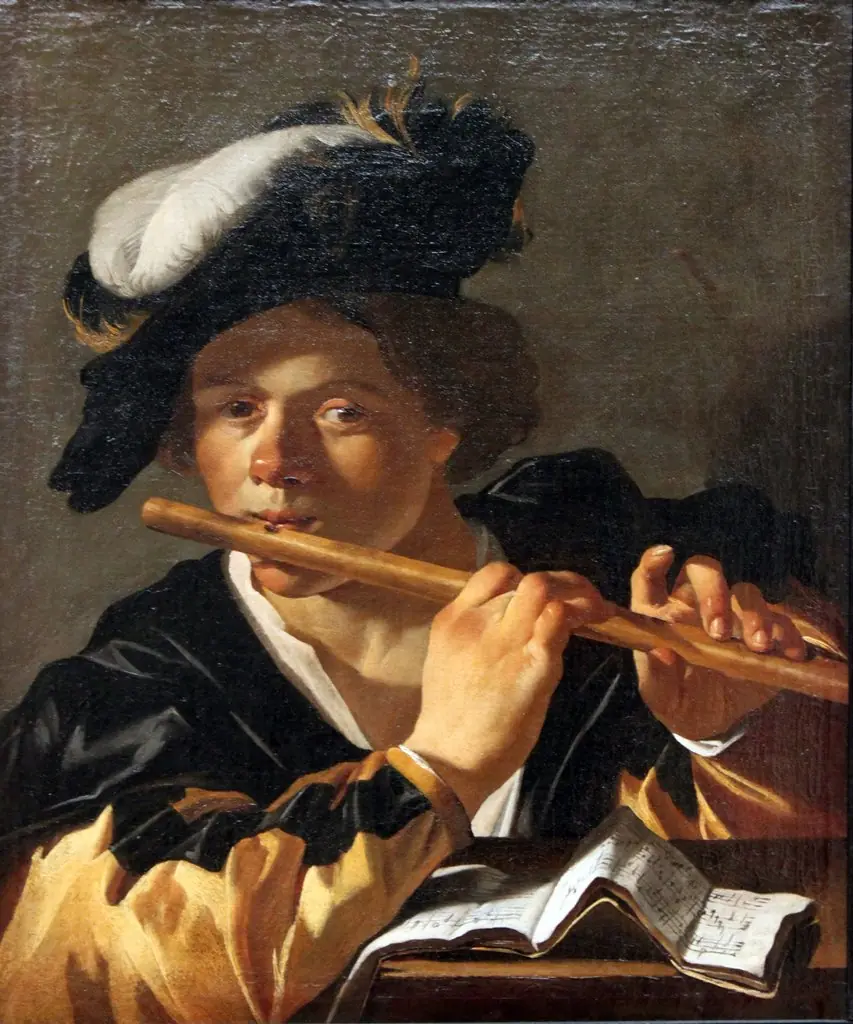
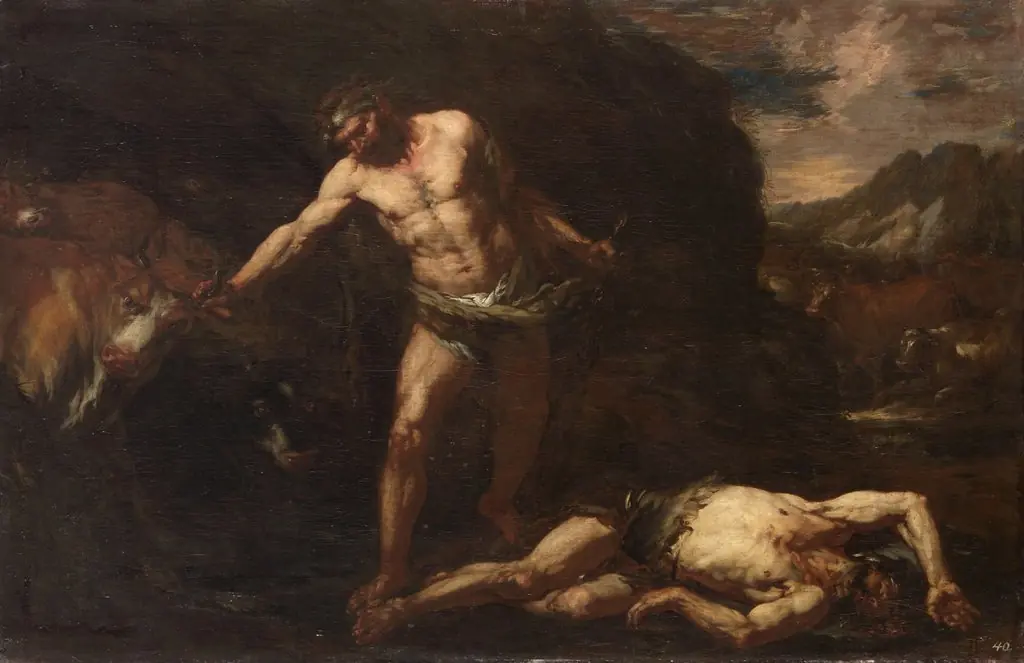 Hercules tötet den Riesen Cacus und raubt die Rinder des Geryoneus
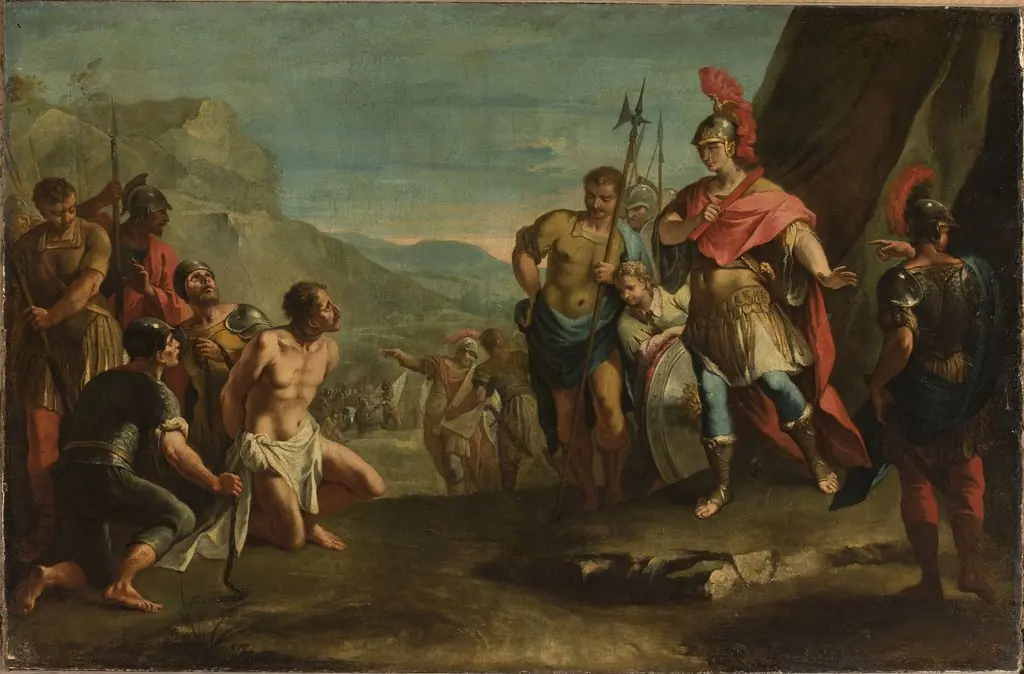 Killer of Darius before Alexander (King Porus and Alexander the Great)
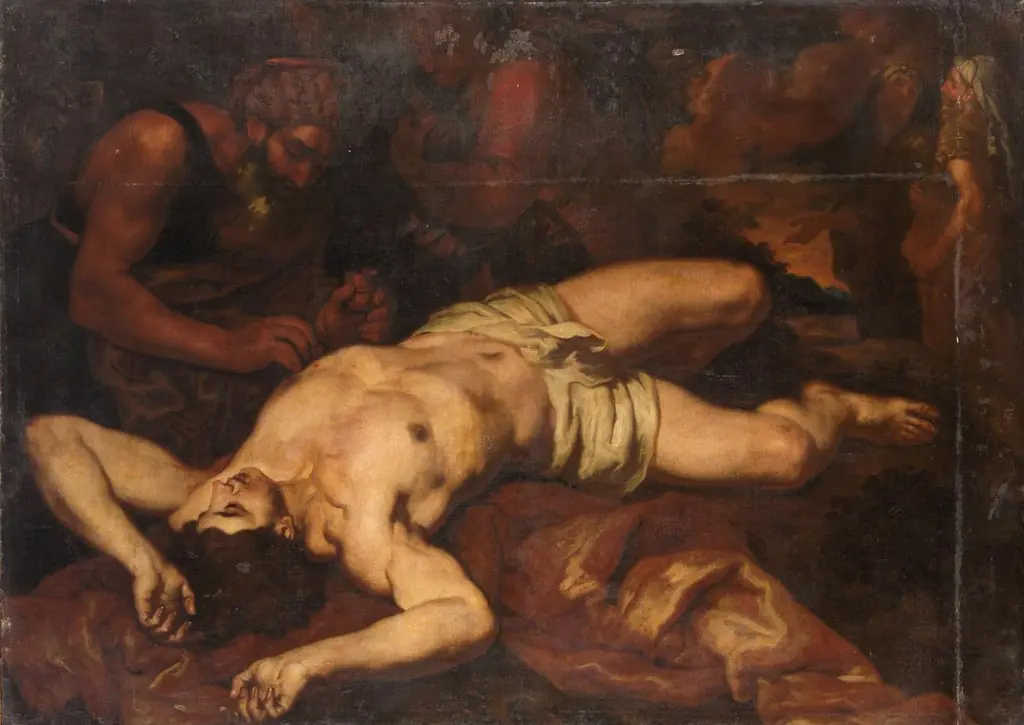 The Good Samaritan
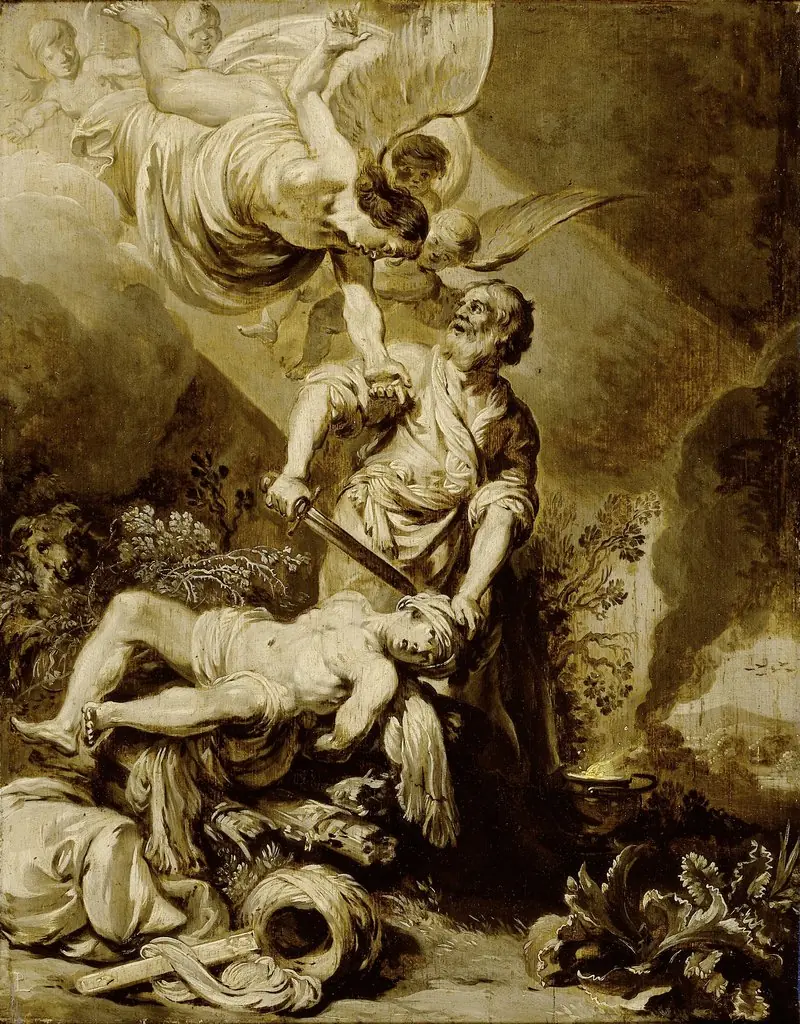 The sacrifice of Abraham
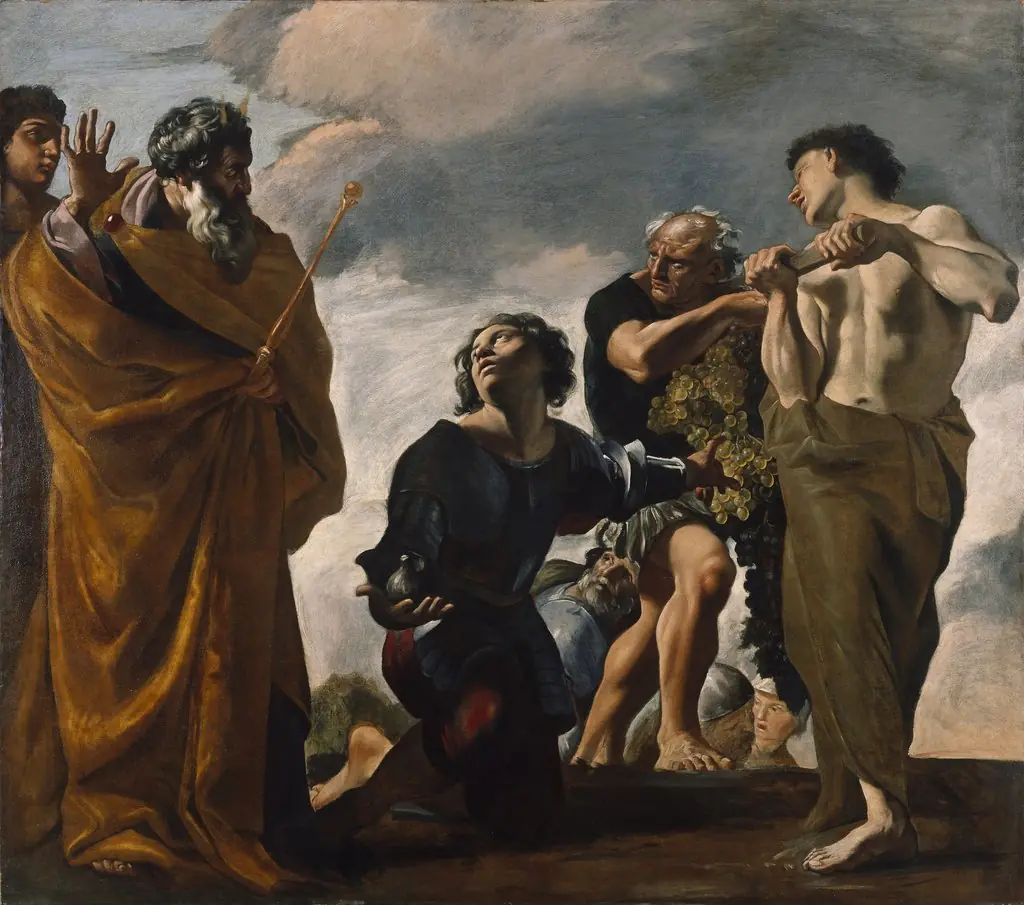 Moses and the Messengers from Canaan
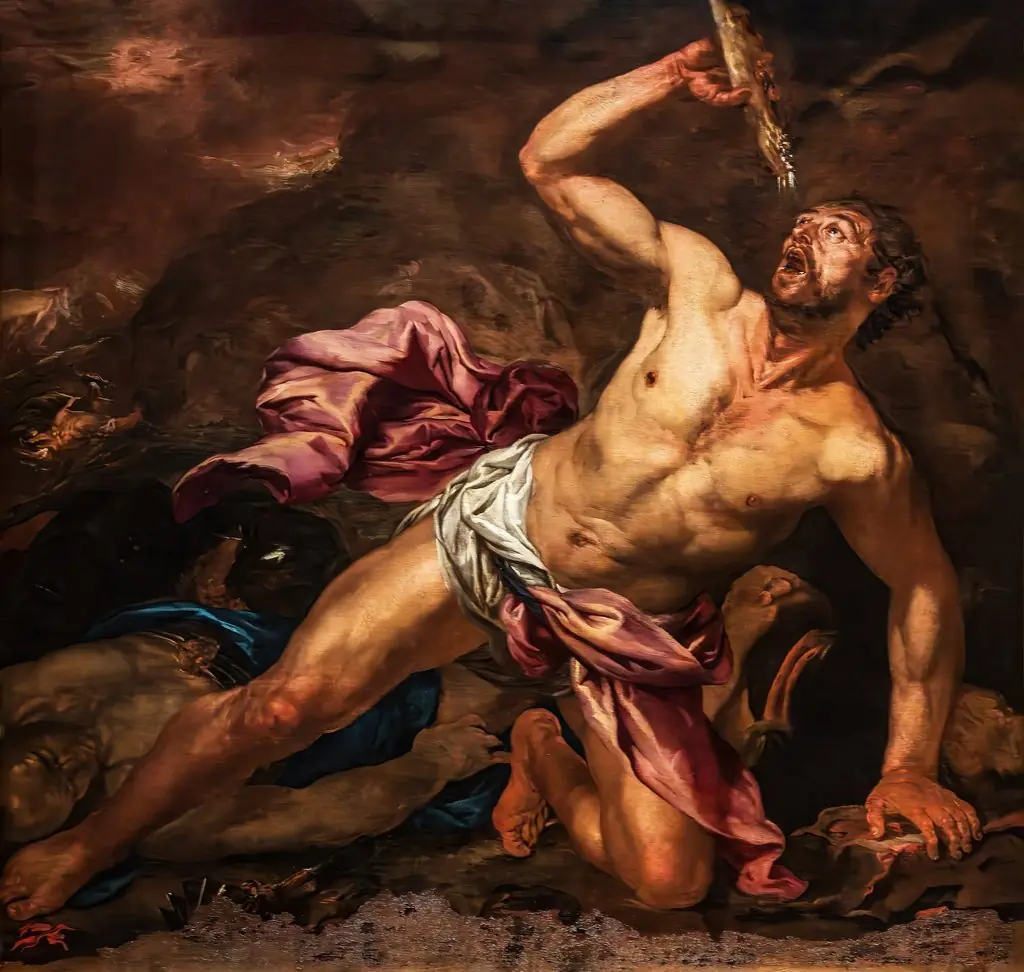 Samson
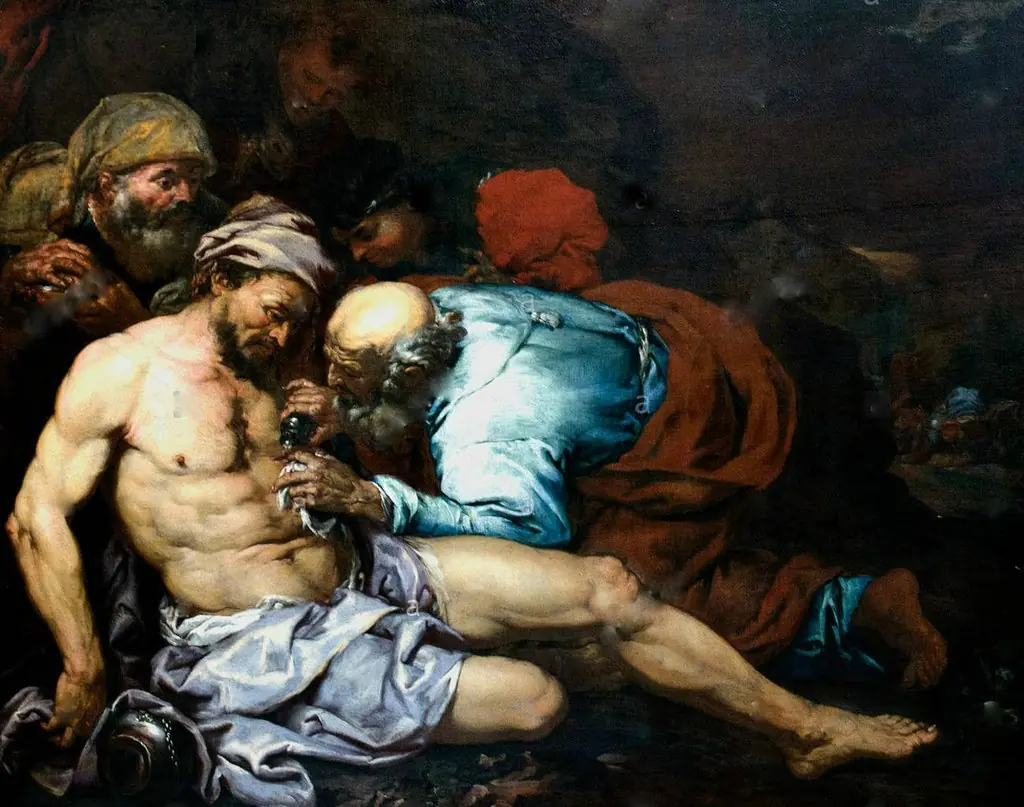 The Good Samaritan
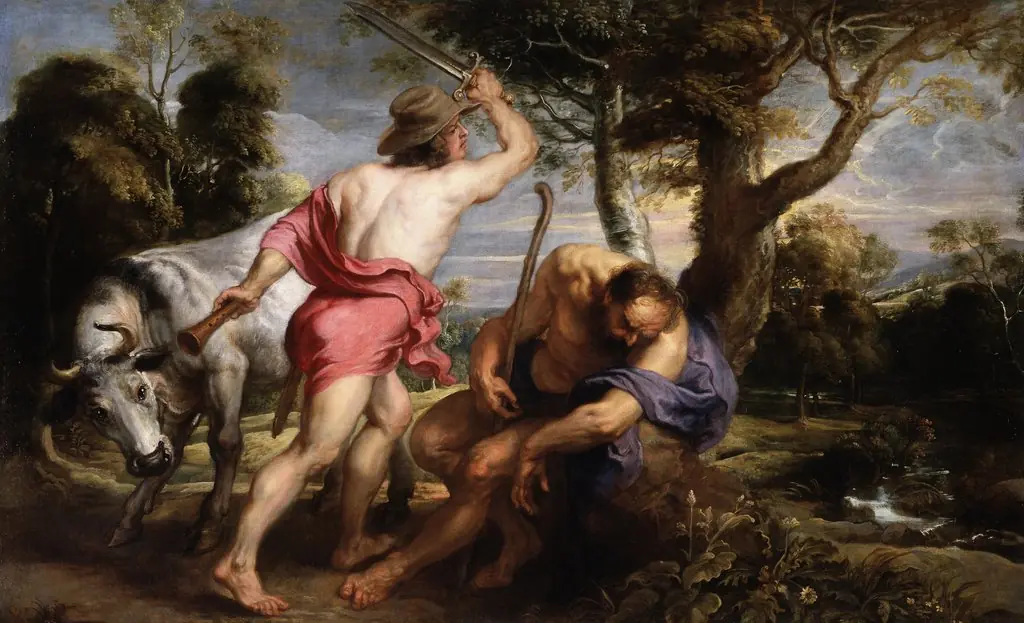 Mercury and Argus
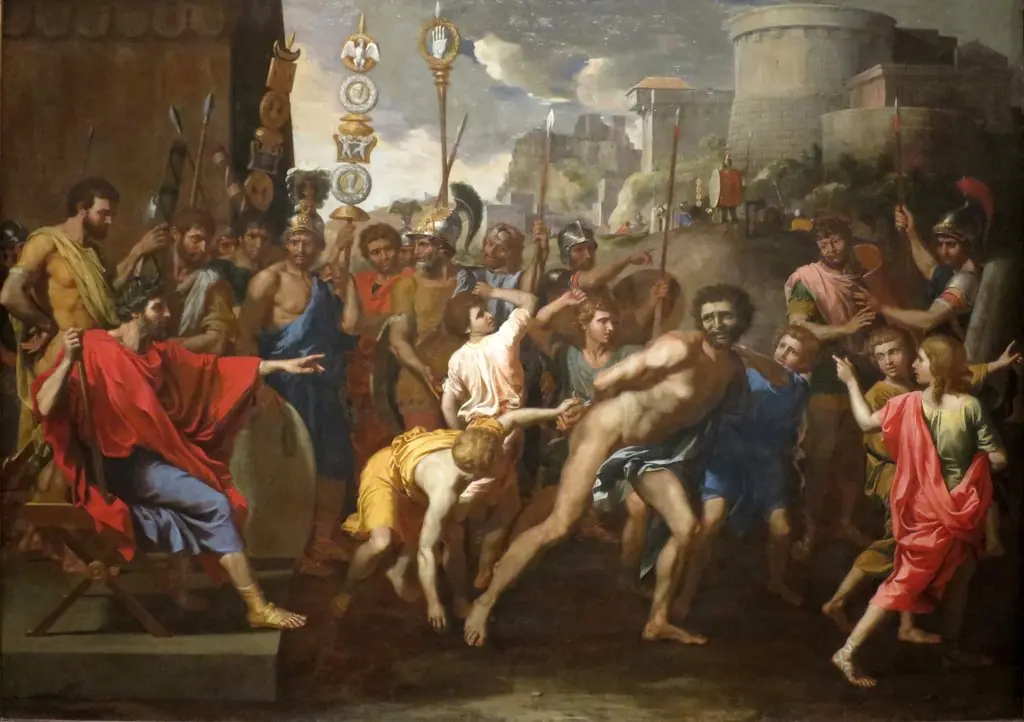 Camillus and the Schoolmaster of Falerii
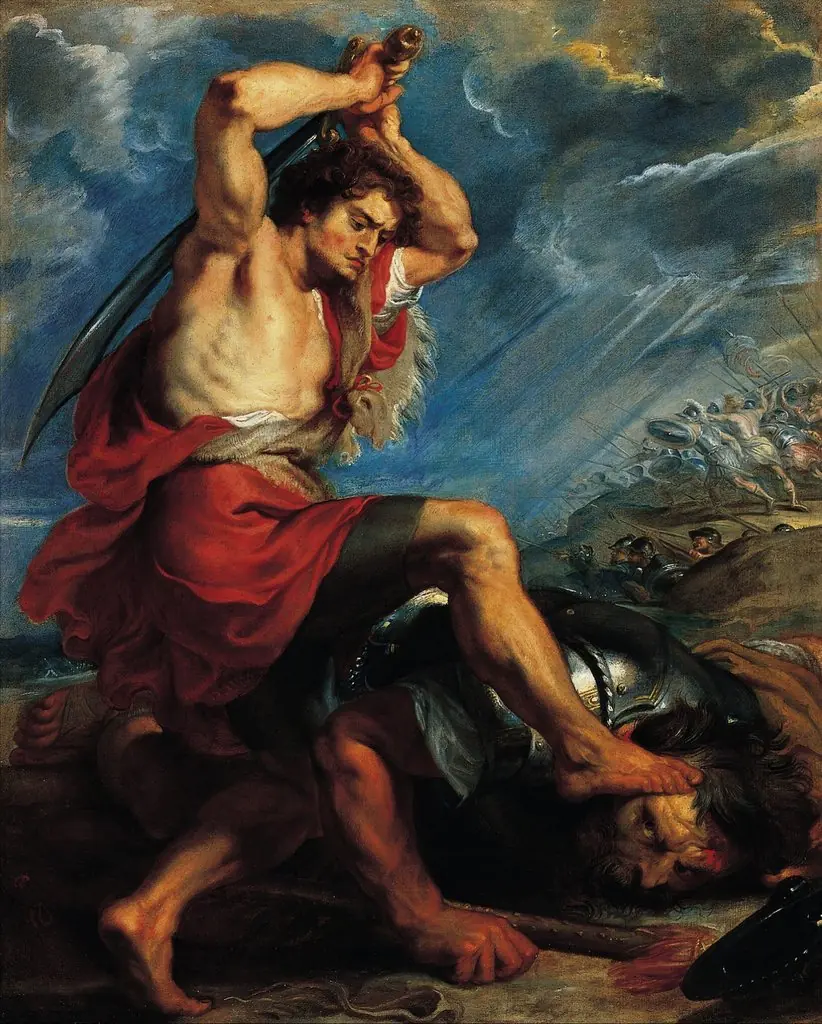 David Slaying Goliath
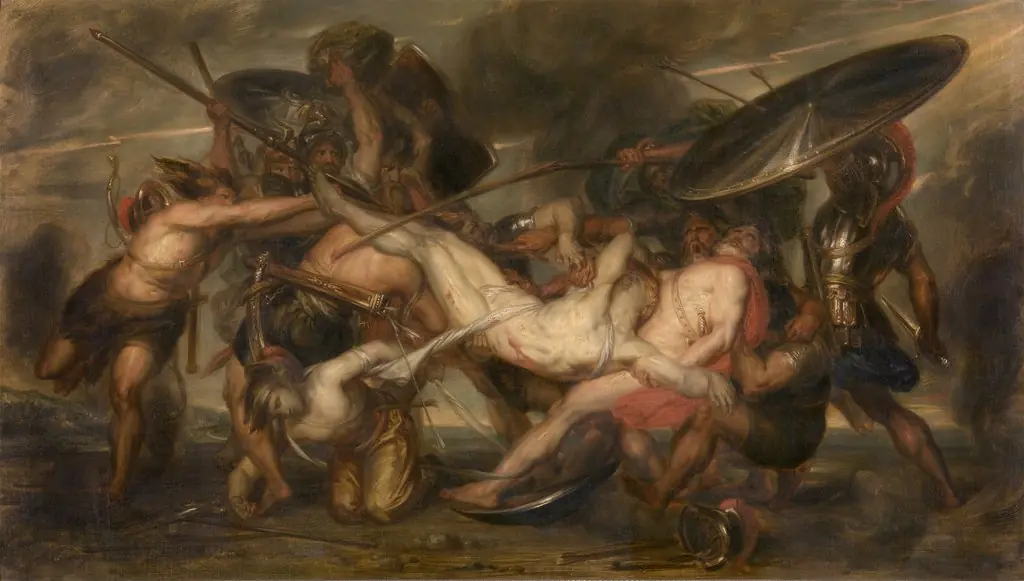 The Greeks and the Trojans Fighting over the Body of Patroclus