Artwork
Apollo Flaying Marsyas
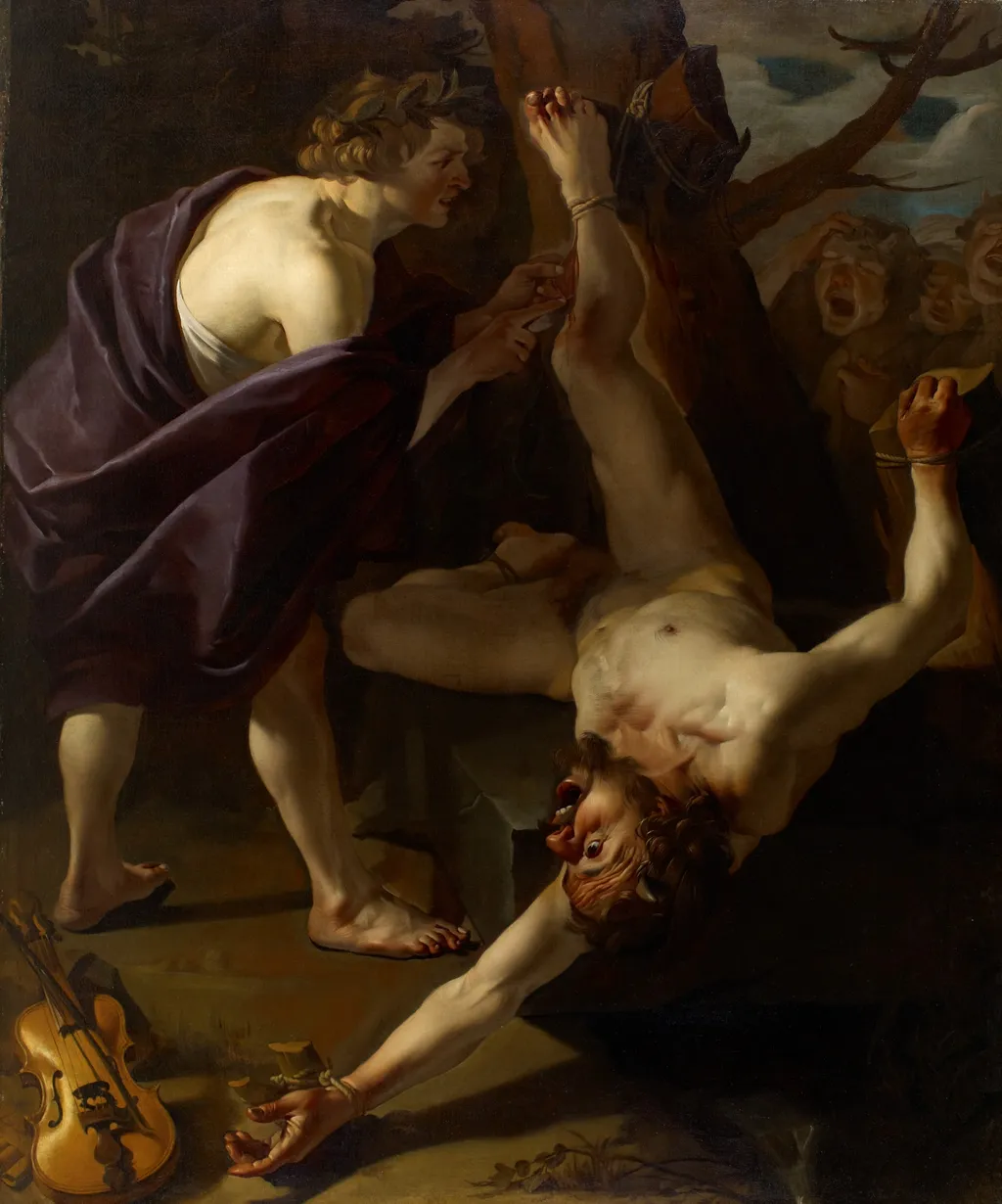
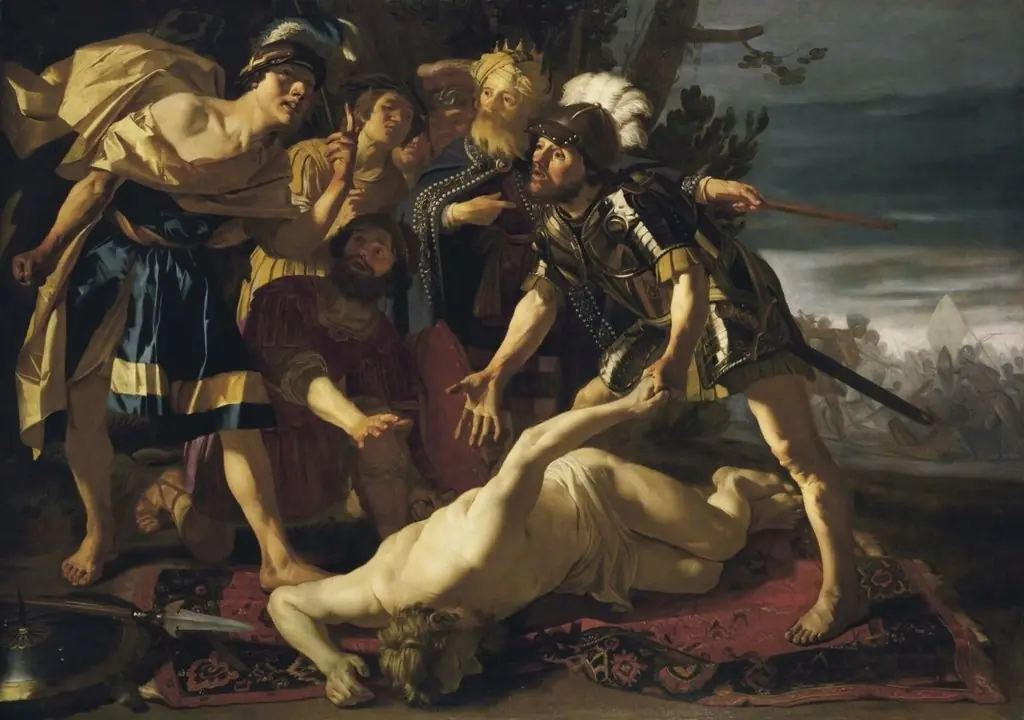
Apollo Flaying Marsyas is an oil painting by the Early Baroque Italian artist Dirck van Baburen. It dates from 1619 and is held in the collection of the Museum of Fine Arts, Houston.
About this work
Overview
The painting resides in the Museum of Fine Arts, Houston, where it stands as a rare example of Dutch Caravaggism in early 17th-century narrative painting.
Painted around 1619 by Dirck van Baburen, this oil work portrays a violent episode from Greek myth: the punishment of Marsyas by the god Apollo. The scene is rendered with intense realism and emotional gravity, emphasizing the physical and psychological toll of divine retribution. The painting resides in the Museum of Fine Arts, Houston, where it stands as a rare example of Dutch Caravaggism in early 17th-century narrative painting.
Subject & Meaning
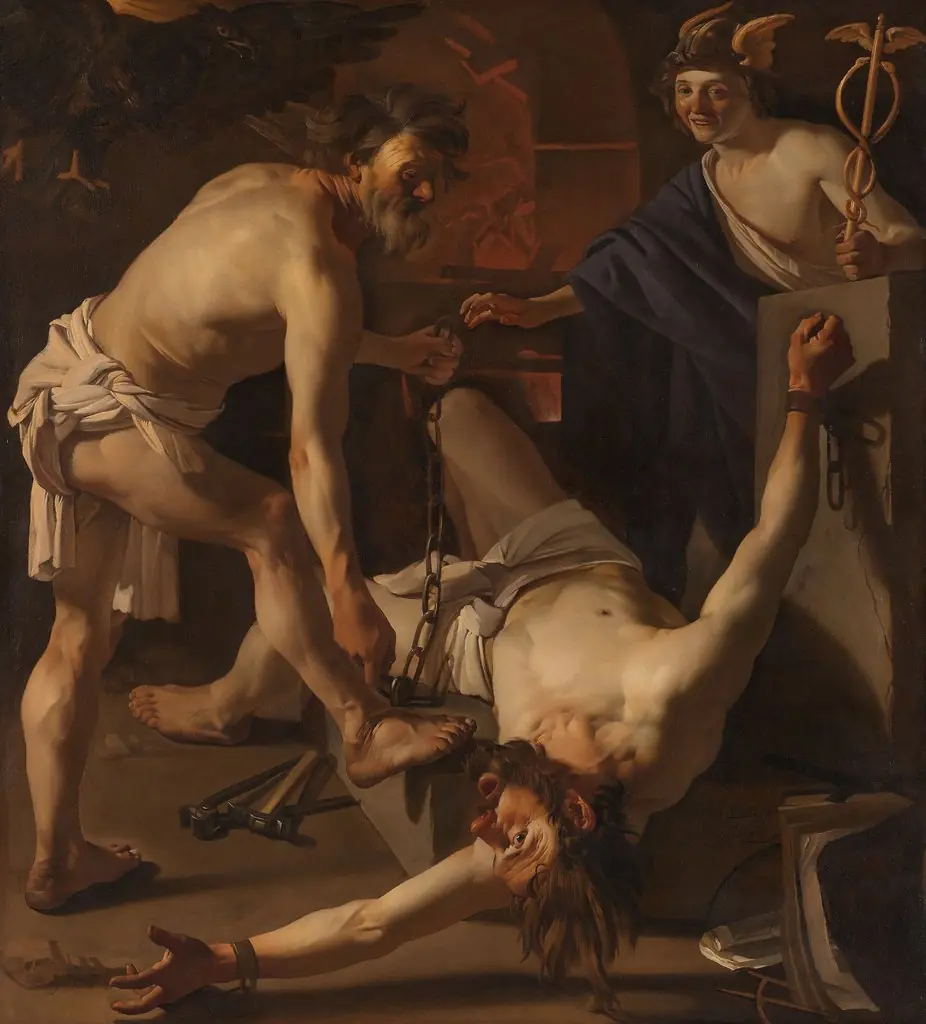
The scene illustrates the myth in which Marsyas, a satyr, loses a musical contest to Apollo and is condemned to be flayed alive as punishment for his hubris. The naked figure on the ground is Marsyas, while Apollo, clad in purple, administers the punishment with detached authority. Onlookers and a violinist in the background underscore the ritualistic nature of the act, reflecting themes of artistic rivalry, divine justice, and the cost of defiance.
Technique & Style
Van Baburen employs chiaroscuro to heighten the drama, using stark contrasts between light and shadow to model the bodies and focus attention on the central act. The textures of skin, fabric, and muscle are rendered with tactile precision, while the composition directs the viewer’s gaze along the diagonal of the flaying motion. The palette is restrained, dominated by earth tones and the vivid purple of Apollo’s robe, reinforcing the scene’s solemnity.
History & Provenance
Created during van Baburen’s time in Rome, where he absorbed the influence of Caravaggio and his followers, the painting entered the collection of the Museum of Fine Arts, Houston, in the 20th century. Its journey from early 17th-century Italy to Texas reflects broader patterns of Dutch artists engaging with Italian Baroque traditions and the later dispersal of such works into American collections.
Context
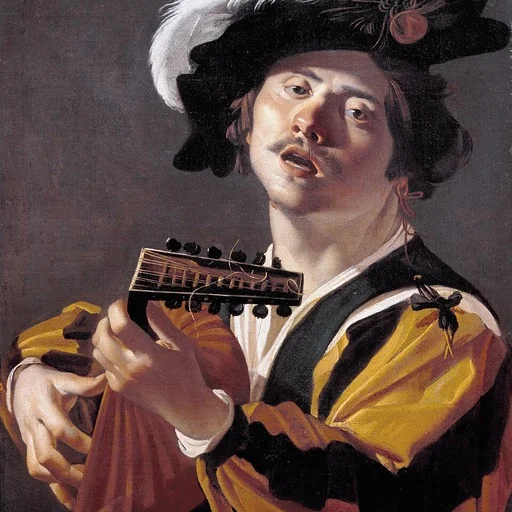
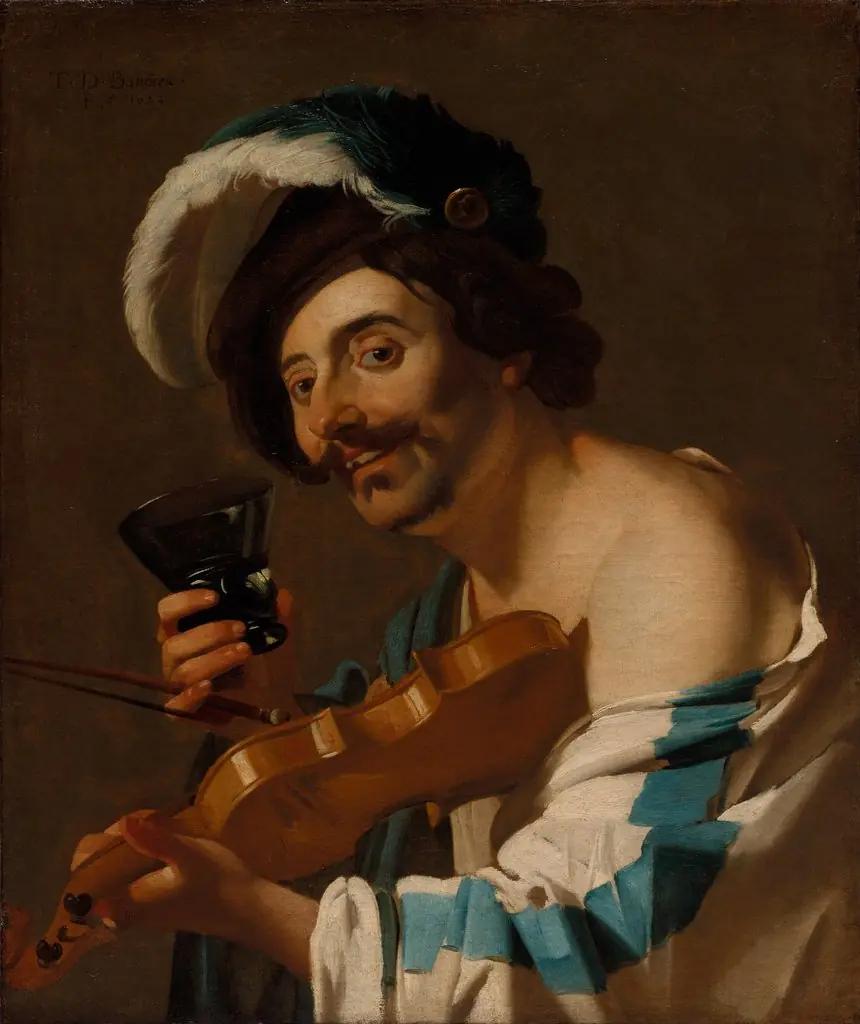
Van Baburen was part of a generation of Northern European artists drawn to Rome’s radical naturalism. His depiction of mythological violence aligns with contemporaneous works by Caravaggio and his circle, which favored raw human emotion over idealized forms. The painting reflects a broader trend in early Baroque art: using classical narratives to explore power, suffering, and moral consequence with unflinching realism.
Legacy
Though not widely known today, the painting exemplifies how Dutch painters adapted Italian Baroque techniques to convey psychological depth and physical intensity. It remains a significant document of cross-cultural artistic exchange in the early 1600s, illustrating how mythological subjects were reimagined through a lens of visceral realism rather than classical harmony.
Own this work as a print
Artist & collection