Artwork
The Capture of Jesus Christ
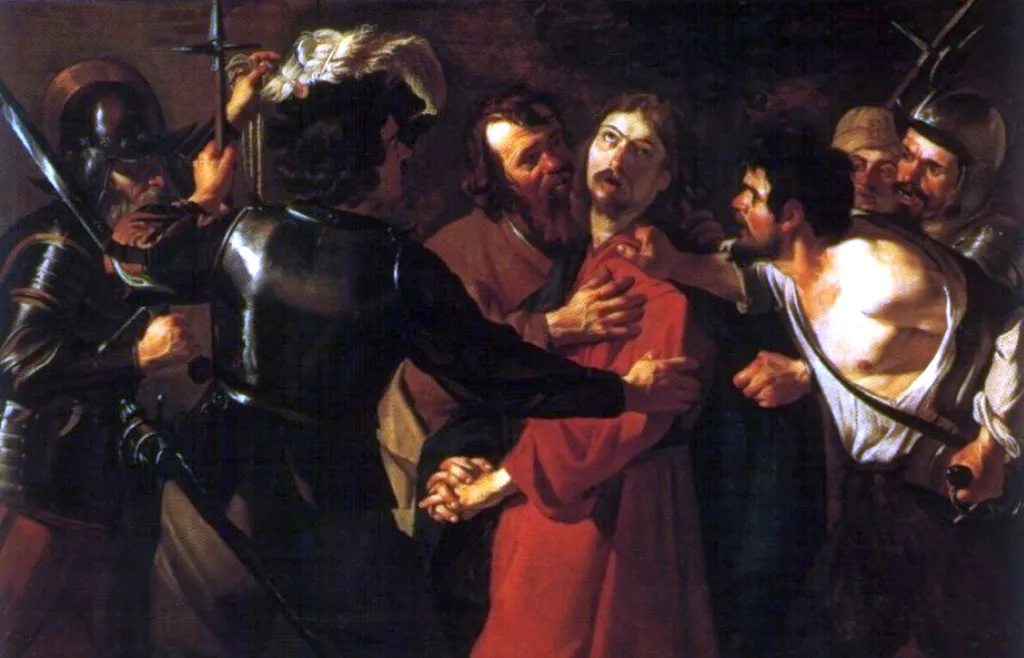
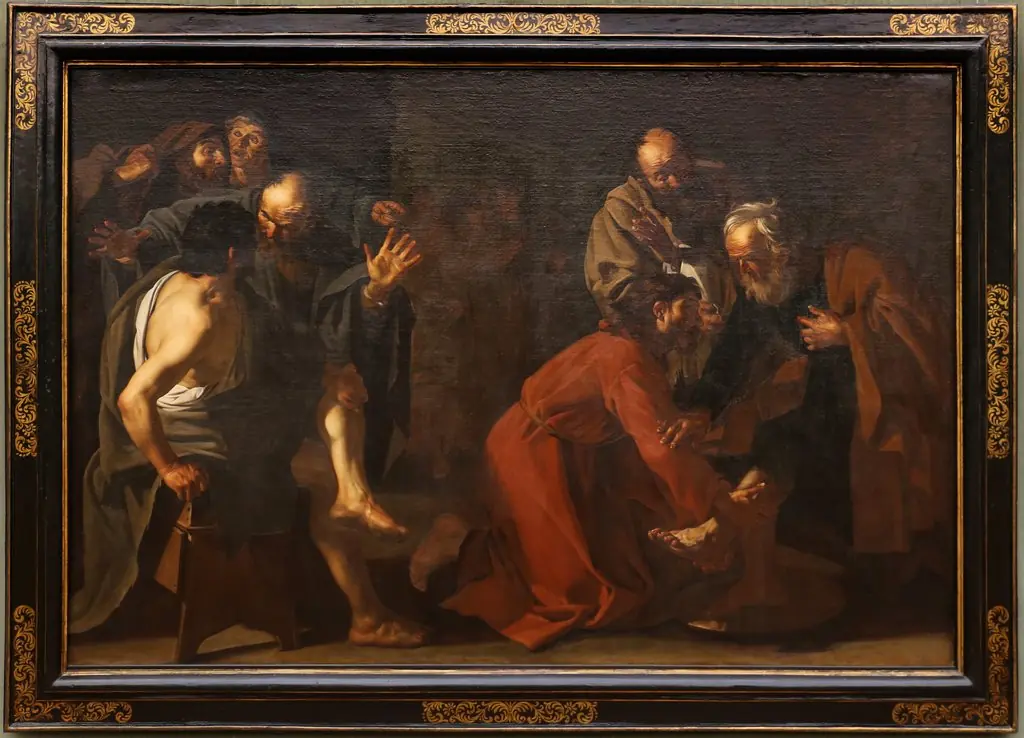
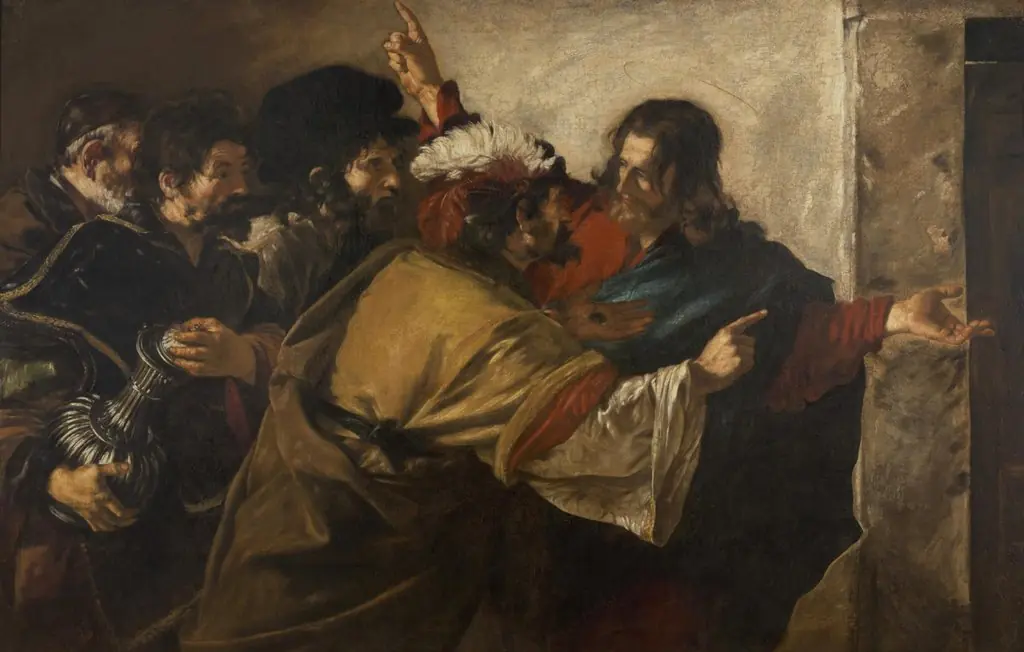
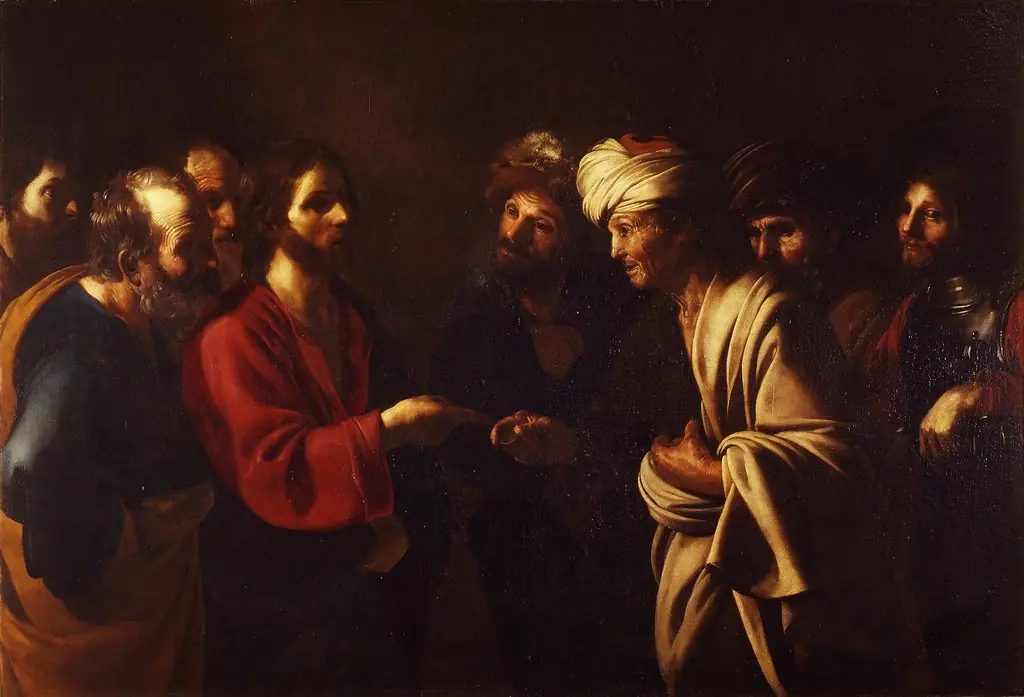
The Capture of Jesus Christ is an oil painting by the Early Baroque Italian artist Dirck van Baburen. It dates from 1619 and is held in the collection of the Galleria Borghese.
About this work
Overview
Dirck van Baburen’s 1619 oil on canvas, titled The Capture of Jesus Christ, depicts a biblical episode and is part of the collection at Rome’s Galleria Borghese. The work exemplifies early‑17th‑century Dutch religious painting, presenting a narrative moment with a focus on dramatic composition and chiaroscuro.
Subject & Meaning
The painting portrays the moment when Jesus is seized, a scene drawn from the New Testament accounts of his arrest. By emphasizing the tension between the figures and the surrounding darkness, van Baburen underscores the theological significance of betrayal and impending sacrifice.
Technique & Style
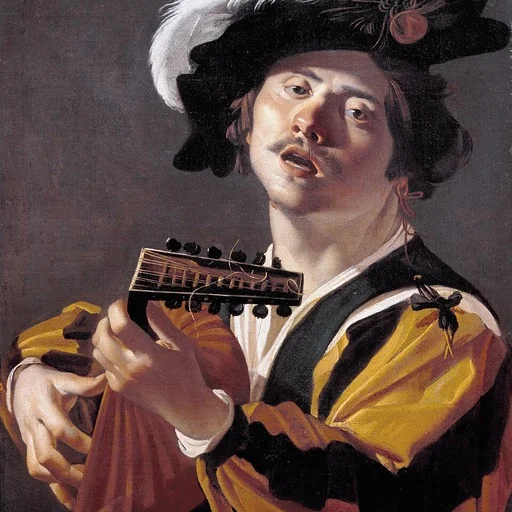
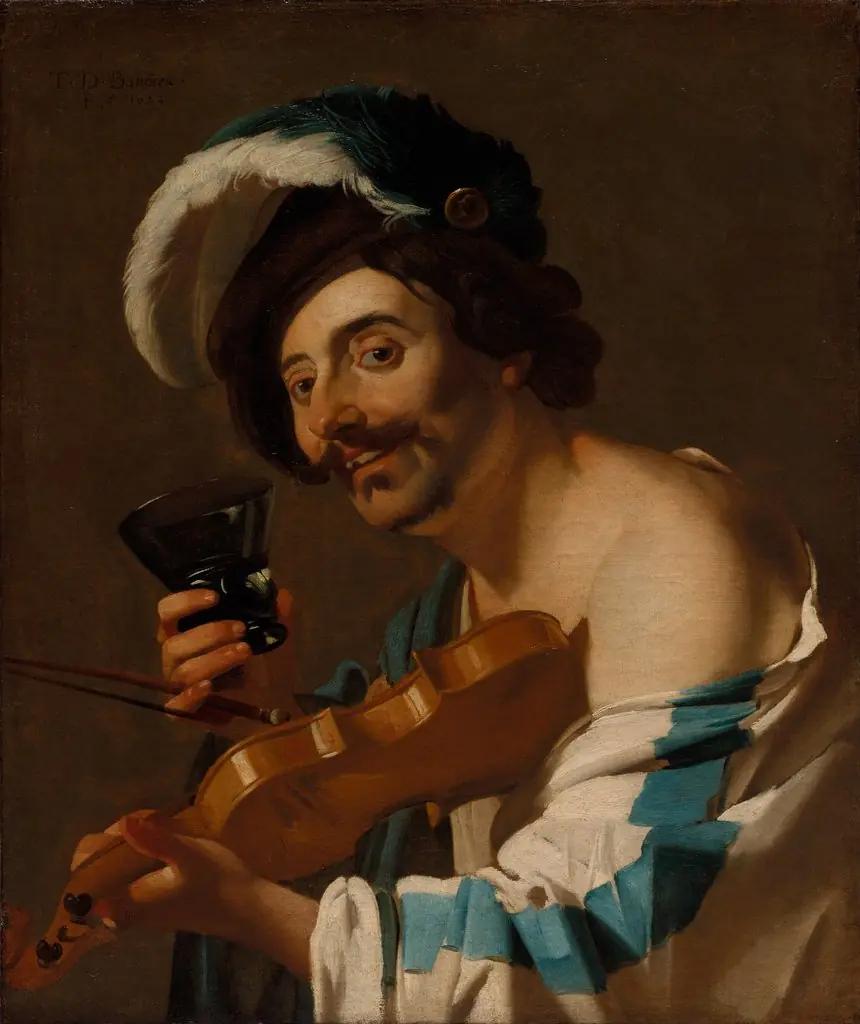
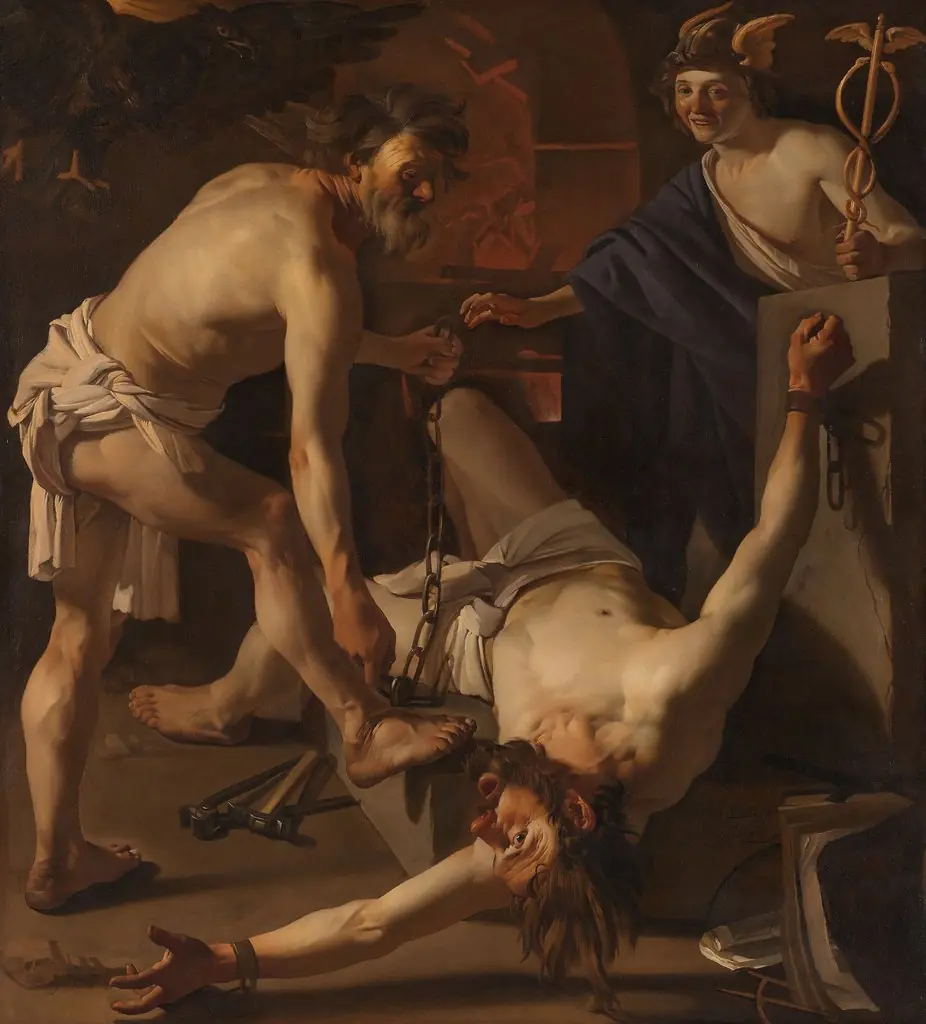
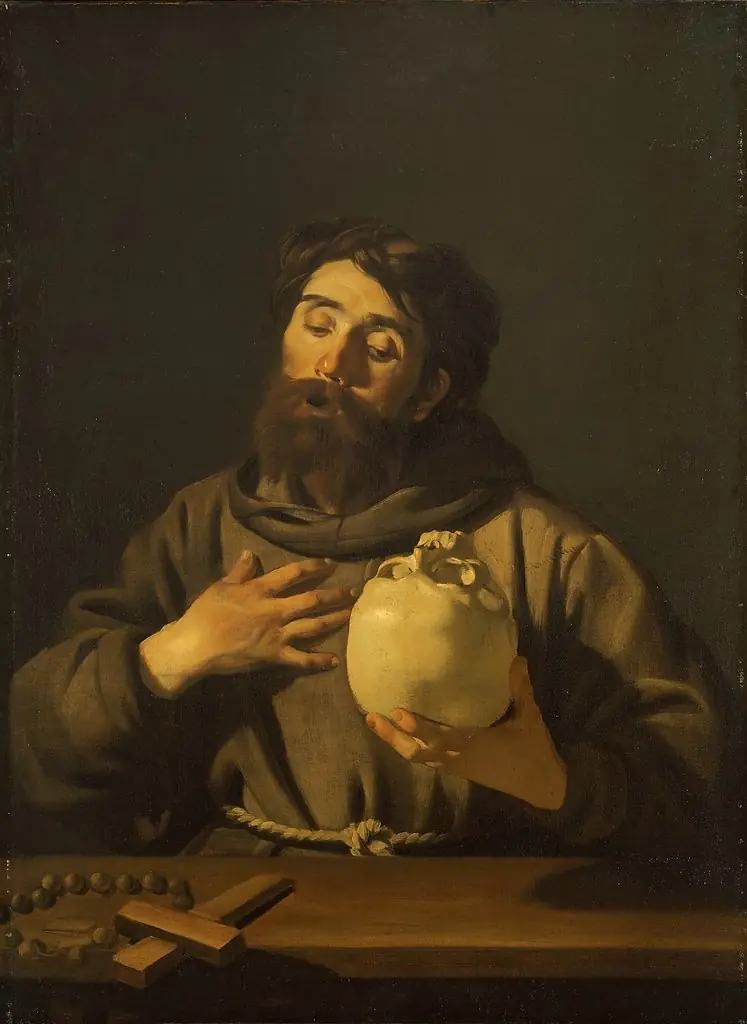
Executed in oil, the canvas displays the vigorous brushwork and strong contrasts characteristic of the Utrecht Caravaggisti. Van Baburen employs a limited palette of deep reds, browns, and stark highlights to model forms, creating a three‑dimensional effect that heightens the emotional intensity of the scene.
History & Provenance
Completed in 1619, the painting entered the Galleria Borghese’s holdings at an early stage, though precise acquisition details remain sparse. Its presence in the museum’s collection reflects the broader interest of Italian patrons in Dutch Caravaggist works during the 17th century.
Context
Van Baburen, a leading figure among Dutch followers of Caravaggio, often merged Northern realism with the dramatic lighting of Italian Baroque. The Capture of Jesus Christ illustrates his engagement with Counter‑Reformation themes, aligning with contemporary demands for clear, affective religious imagery.
Artist & collection