Artwork
Ecce Homo
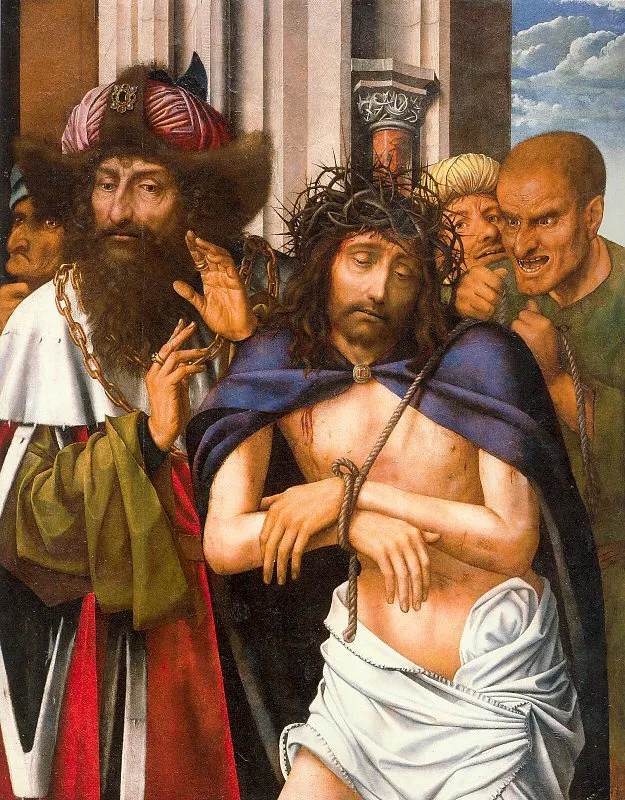
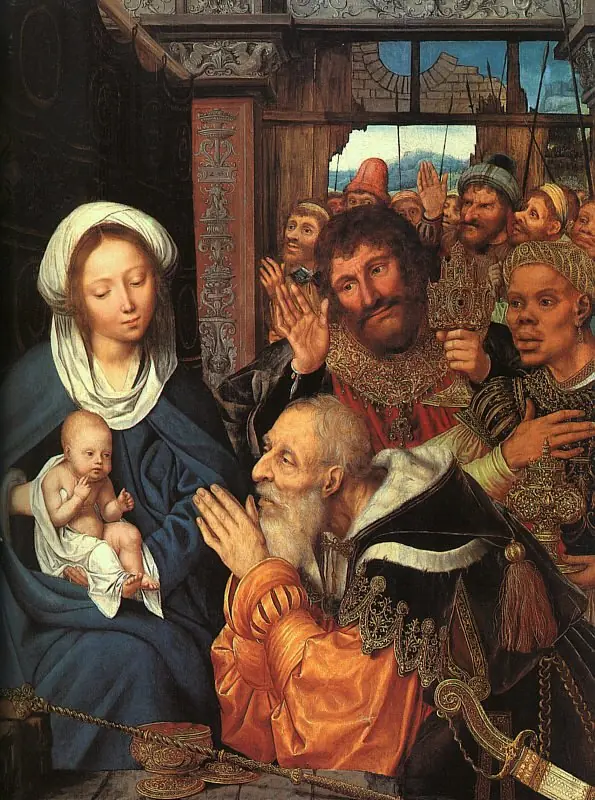
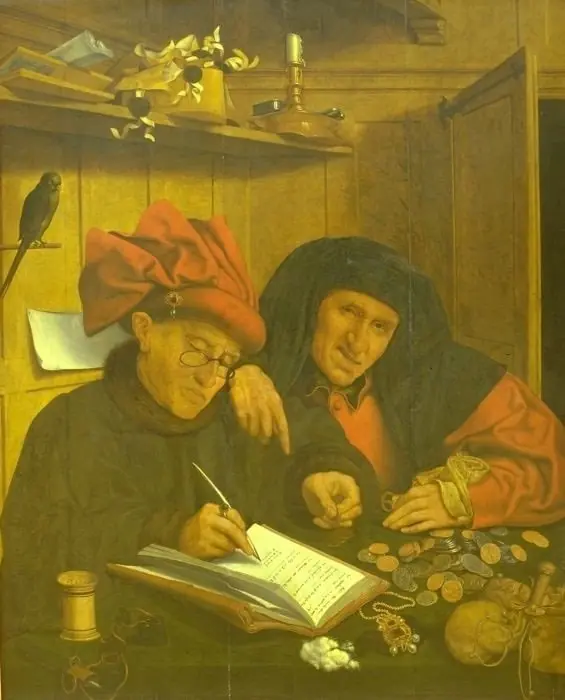
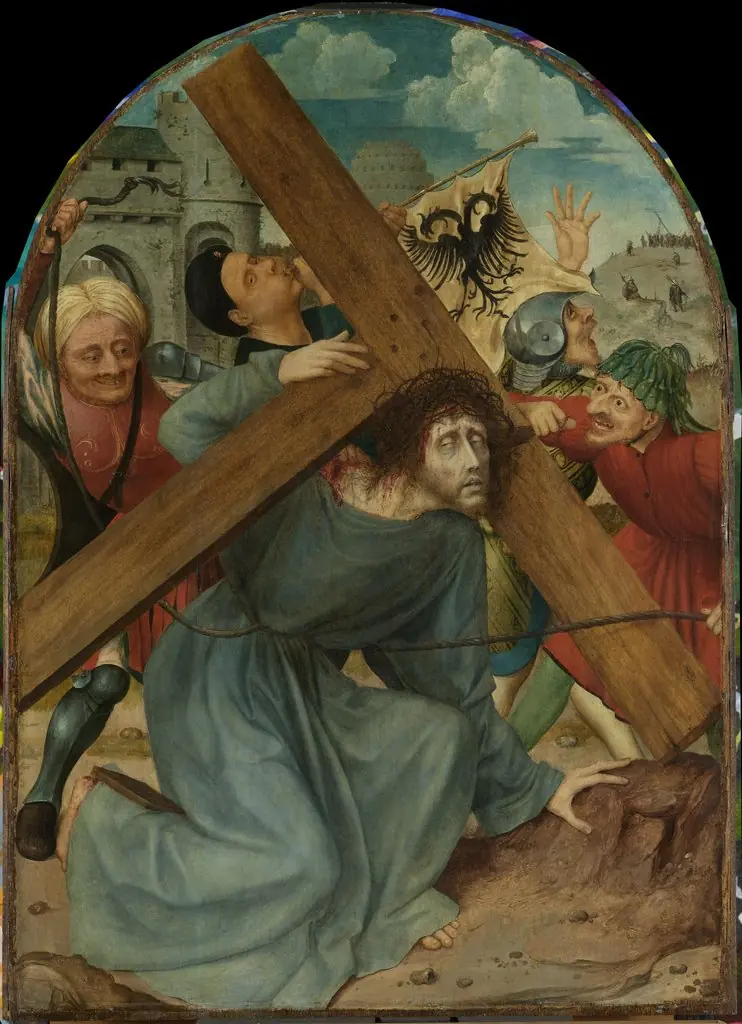
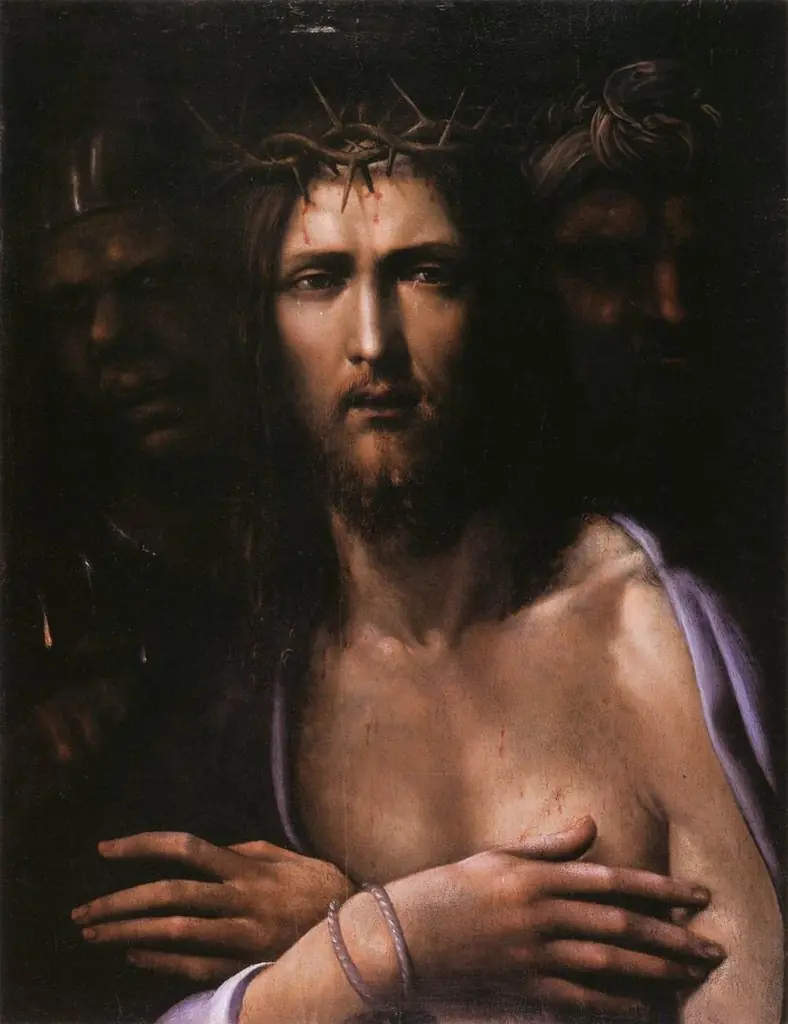
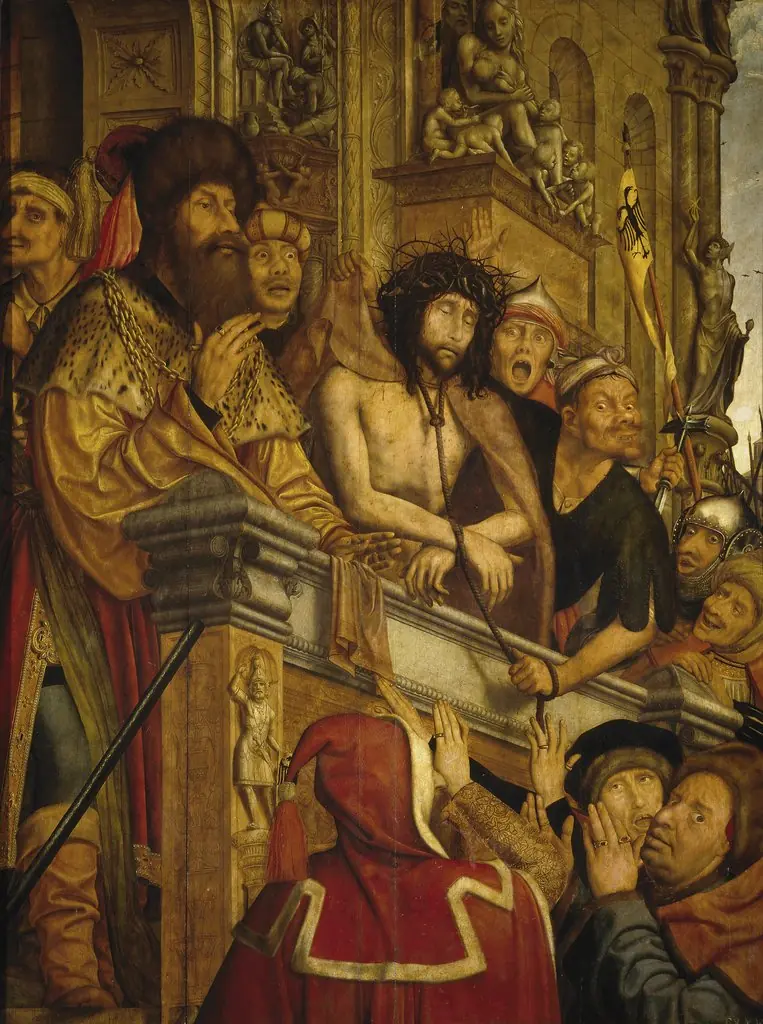
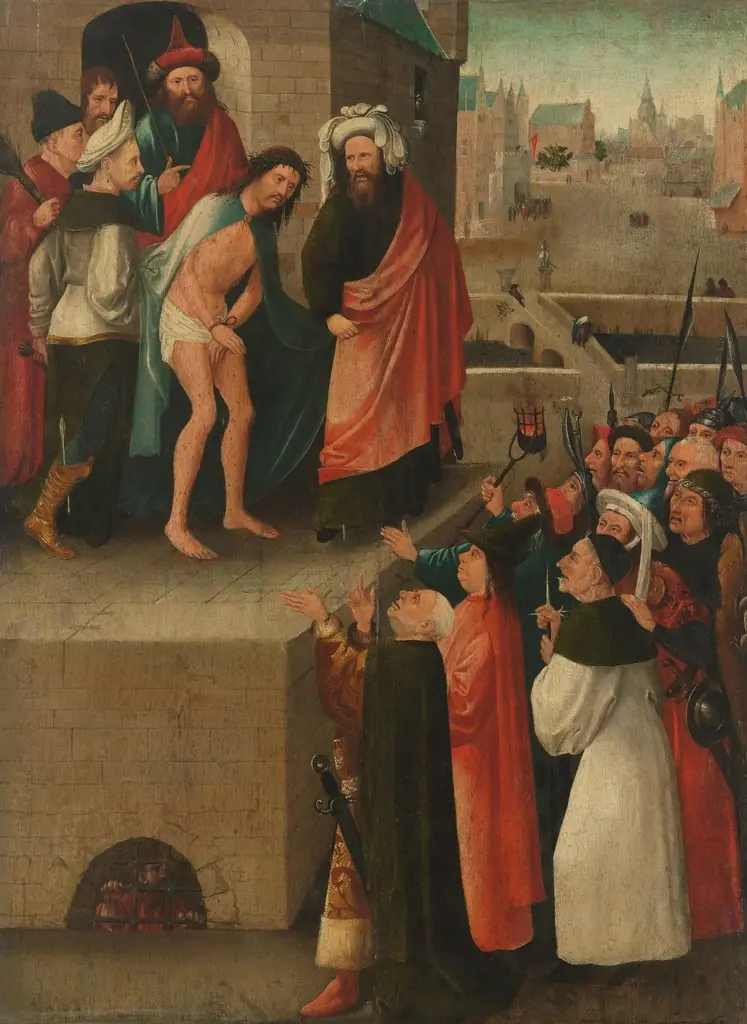
Ecce Homo is an oil painting by the Northern Renaissance artist Quinten Metsys. It dates from 1526 and is held in the collection of the Doge's Palace.
About this work
Overview
Painted in 1526 by Quentin Matsys, *Ecce Homo* is an oil-on-panel work produced during the height of the Northern Renaissance.
Painted in 1526 by Quentin Matsys, *Ecce Homo* is an oil-on-panel work produced during the height of the Northern Renaissance. Matsys, active in Antwerp, was known for blending religious themes with psychological realism. The painting entered the collection of the Doge’s Palace in Venice, where it remains today. Its subject aligns with a widely circulated devotional image of Christ’s presentation before Pilate, rendered with the detailed observation characteristic of Flemish painting of the period.
Subject & Meaning
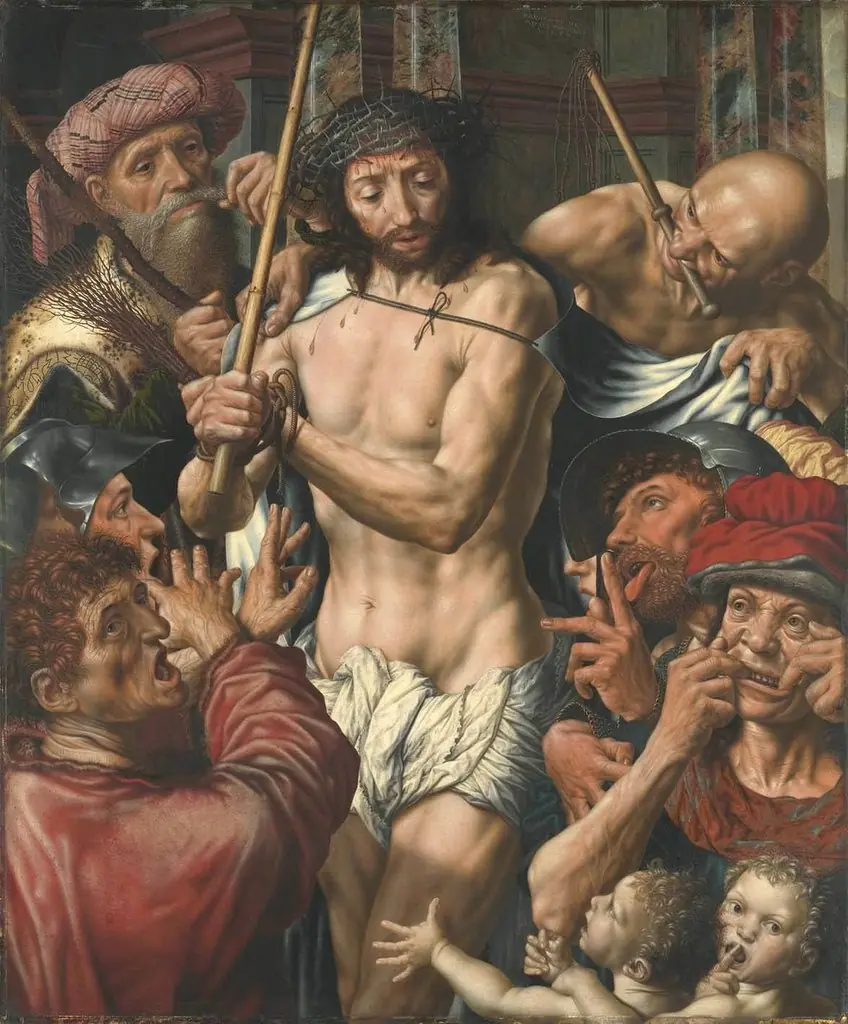
The painting portrays Christ, crowned with thorns and bound at the wrists, wearing a white loincloth and a blue mantle. Behind him, a group of figures—including a man in a red hat and another with a shaved head—observe passively, their expressions ambiguous. This moment, drawn from the Gospel of John, captures Christ’s humiliation before the crowd. The scene invites contemplation of suffering and judgment, avoiding overt drama in favor of quiet solemnity.
Technique & Style
Matsys employed oil paint with careful layering to achieve subtle tonal transitions and textured surfaces. Chiaroscuro defines the figure’s form, casting soft shadows that model the face and hands with lifelike weight. The impasto technique is evident in the thickened highlights on the crown of thorns and the folds of the blue mantle. Facial features are rendered with precise, almost forensic detail, reflecting the Northern tradition of observing individual character.
History & Provenance
Commissioned or acquired during the early 16th century, the painting eventually entered the Venetian state collection by the late 1500s. Its presence in the Doge’s Palace suggests it was valued as a devotional object or diplomatic gift. No early documentation confirms its original patron, but its quality and subject indicate it was intended for a private or institutional religious setting, likely in the Low Countries before its transfer to Venice.
Context
In early 16th-century Flanders, religious imagery remained central to artistic production, even as humanist thought spread. Matsys, alongside contemporaries like Jan Gossaert, infused biblical scenes with psychological depth and everyday realism. *Ecce Homo* reflects this trend: Christ’s suffering is rendered not as spectacle but as intimate, human tragedy, resonating with contemporary devotional practices that emphasized personal identification with Christ’s passion.
Legacy
The painting exemplifies Matsys’s mature style and his influence on later Northern artists who prioritized emotional nuance over idealization. While not widely reproduced in its time, its preservation in a major civic palace ensured its survival and scholarly attention. It stands as a quiet testament to the Northern Renaissance’s capacity to convey spiritual gravity through restrained, observant realism.
Artist & collection
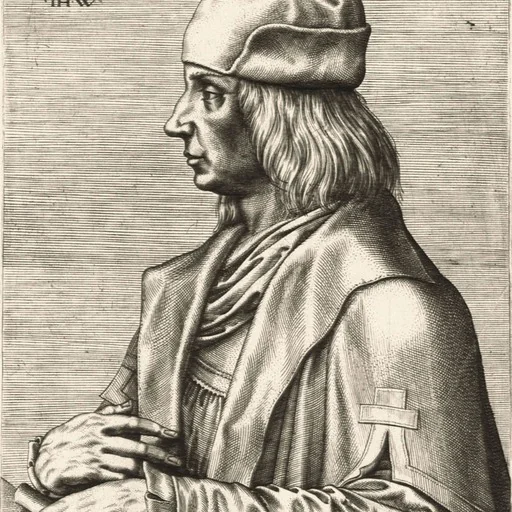
Artist
Quentin Matsys (UK: MAT-sysse, US: MAHT-sysse; also Massys or Metsys; Flemish: Quinten Matsijs ; 1466–1530) was a Flemish painter in the Early Netherlandish tradition.