Artwork
Clara Alewijn (1635-74). Daughter of Abraham Alewijn and Geertruid Hooftman
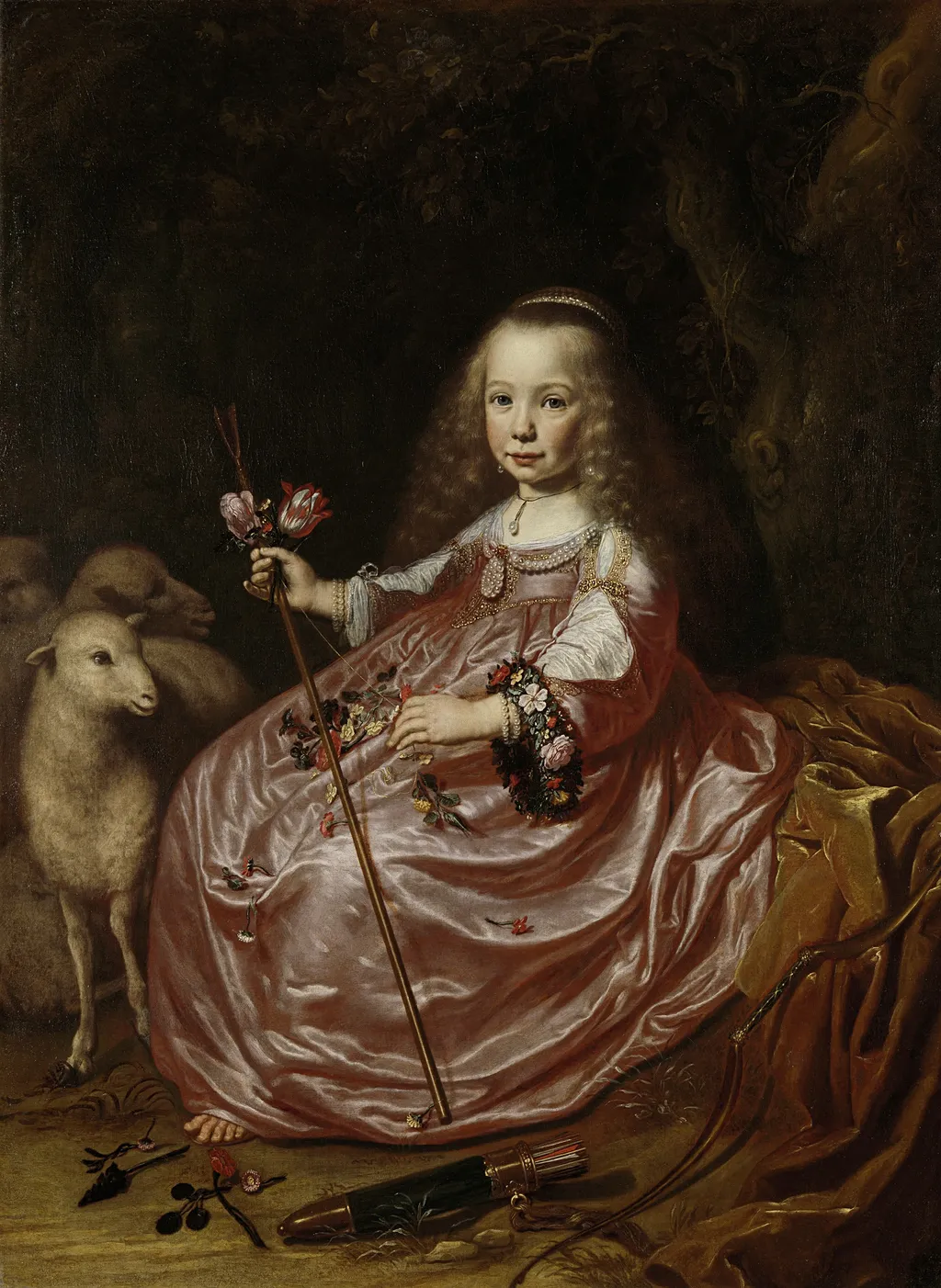
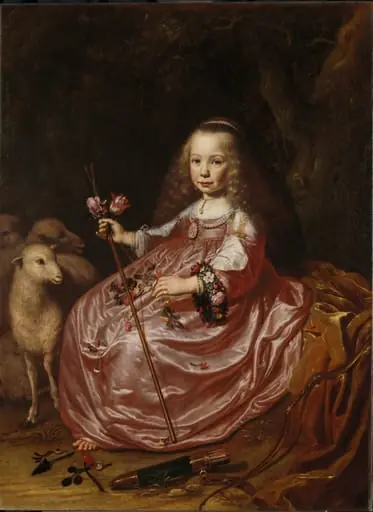
Clara Alewijn (1635-74). Daughter of Abraham Alewijn and Geertruid Hooftman is an oil painting by the Dutch Golden Age artist Dirck van Santvoort. It dates from 1644 and is held in the collection of the Rijksmuseum. Dirck van Santvoord’s 1644 oil portrait depicts Clara Alewijn, a young girl from a prominent Amsterdam family.
About this work
Overview
Dirck van Santvoord’s 1644 oil portrait depicts Clara Alewijn, a young girl from a prominent Amsterdam family. The work is part of the Rijksmuseum’s collection and presents the sitter seated amid richly textured fabrics, holding a floral‑adorned stick while a calm sheep stands nearby.
Subject & Meaning
Clara, born in 1635 to Abraham Alewijn and Geertruid Hooftman, is shown in an elaborate pink gown with gold‑trimmed buttons and a white lace collar. The inclusion of the sheep and the surrounding greenery may allude to pastoral innocence and the family’s affluence, linking the child’s virtue to rural symbolism.
Technique & Style
Executed in oil on canvas, the portrait demonstrates van Santvoord’s skill in rendering fabric sheen and delicate lace. The darkened backdrop contrasts with the luminous pink dress, while the subtle modeling of the sheep’s fur showcases a careful observation of texture and light.
History & Provenance
Created when Clara was about nine years old, the painting remained in the Alewijn family before entering public ownership. It was acquired by the Rijksmuseum, where it has been displayed as part of the museum’s Dutch Golden Age holdings.
Context
The work belongs to a period when portraiture served both commemorative and status functions among Amsterdam’s mercantile elite. Van Santvoord, active in the mid‑17th century, often combined realistic detail with symbolic elements, reflecting contemporary tastes for refined domestic representation.
Own this work as a print
Artist & collection

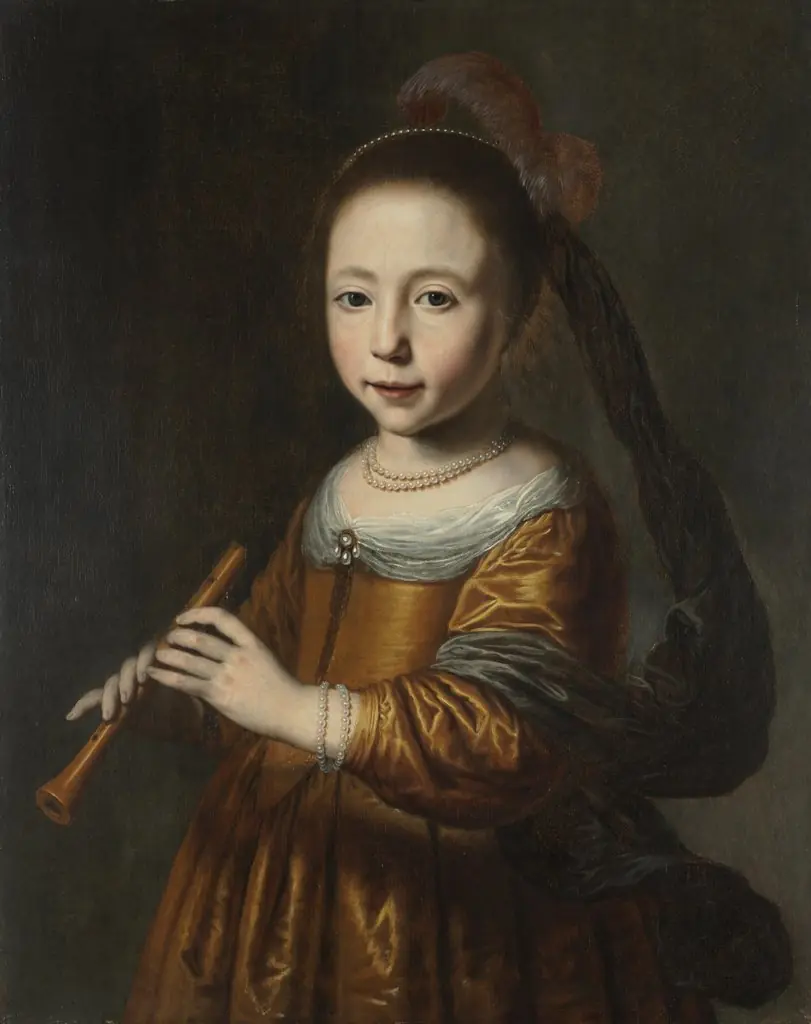 Portrait of Elizabeth Spiegel
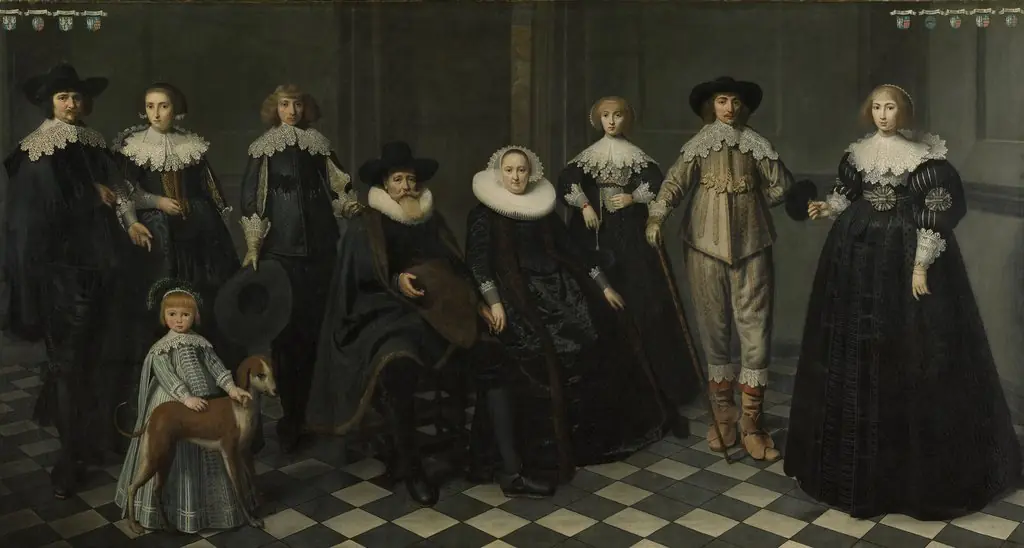 The family of Dirck Bas Jacobsz, burgomaster of Amsterdam
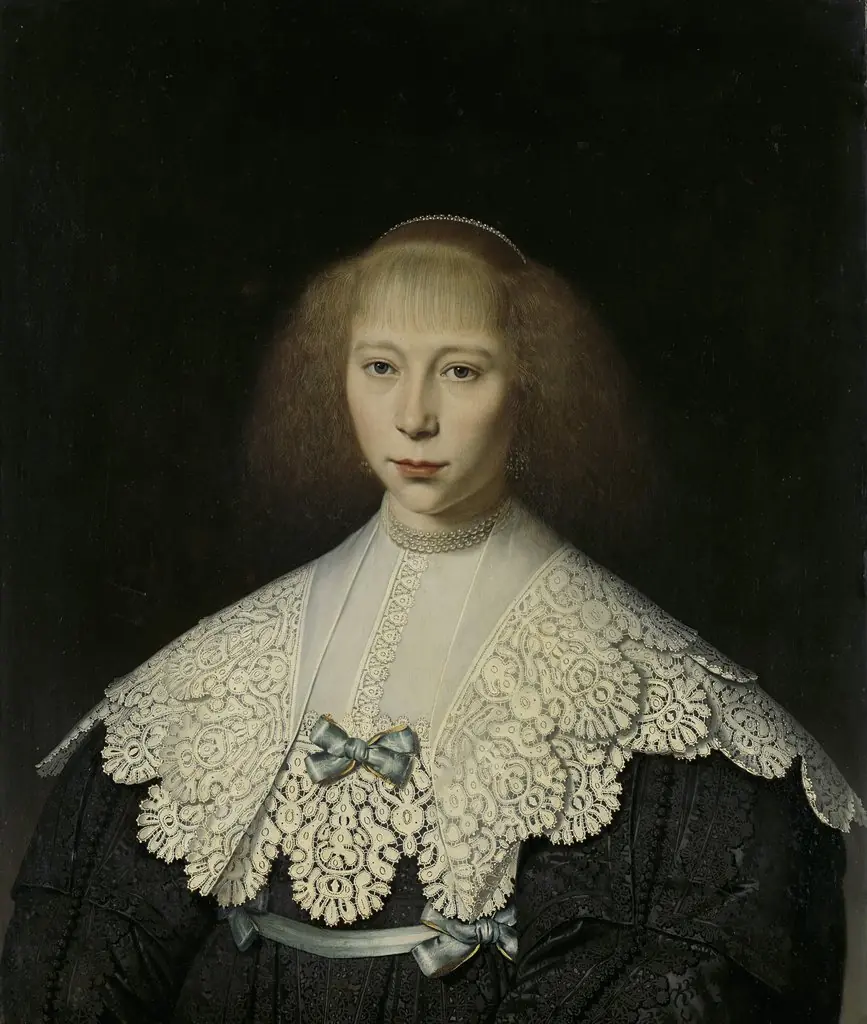 Agatha Geelvinck (1617-38). First wife of Frederik Dircksz Alewijn
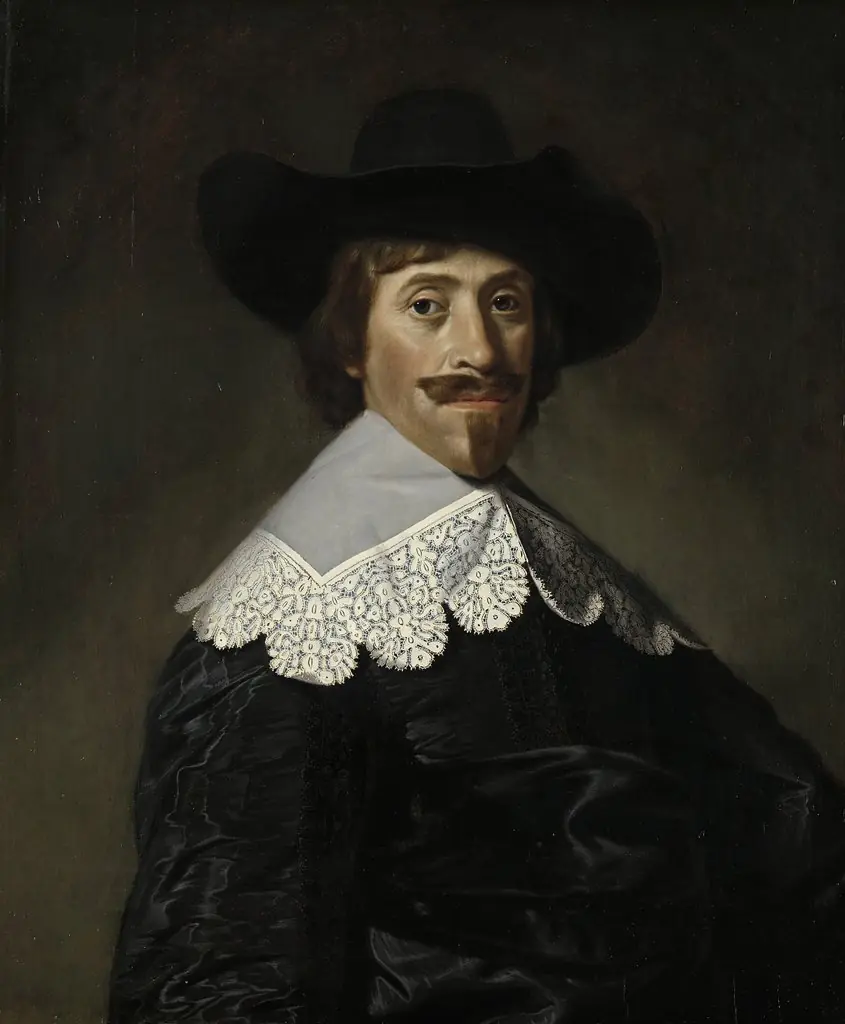 Frederik Dircksz Alewijn (1603-65). Alderman and councillor of Amsterdam
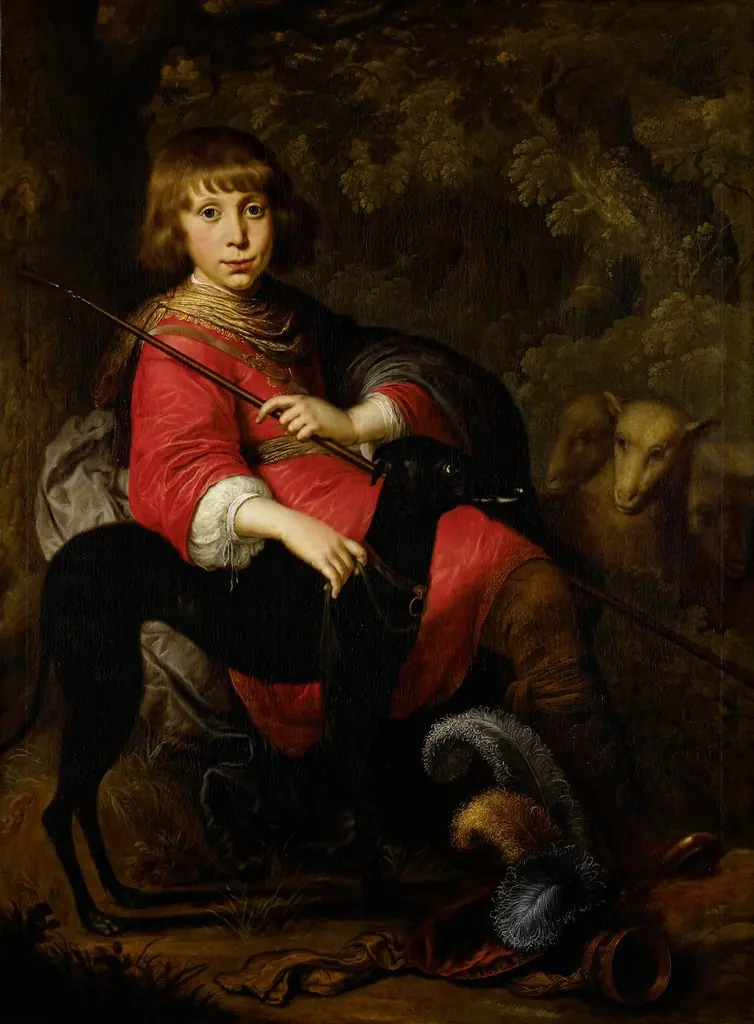 Martinus Alewijn (1634-84). Son of Abraham Alewijn and Geertruid Hooftman
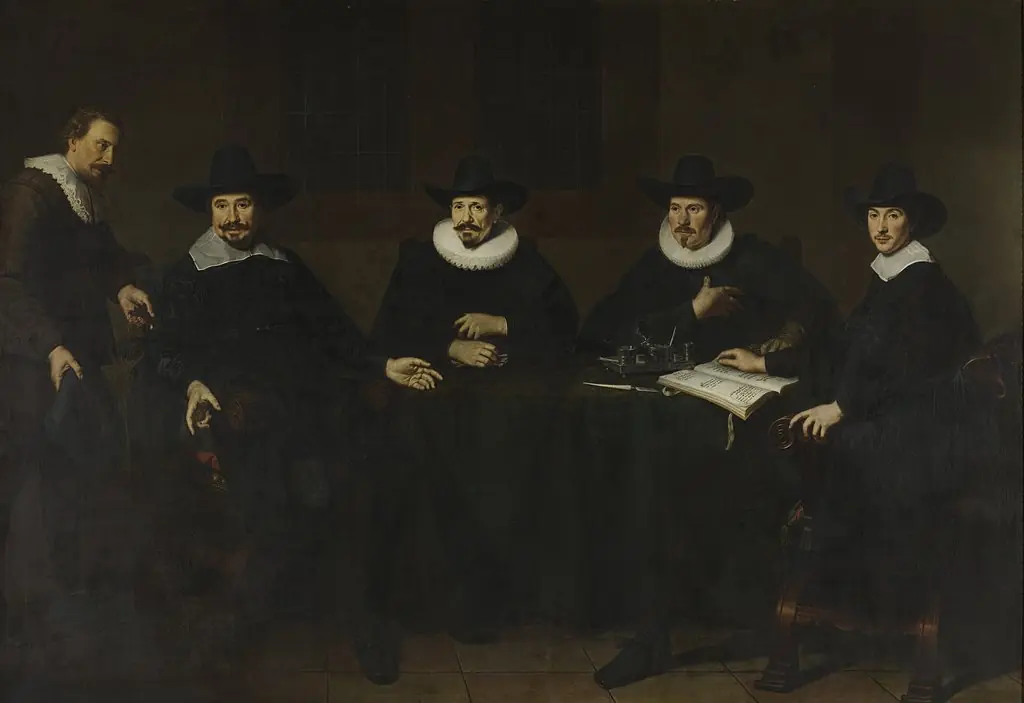 The directors of the serge cloth industry, Amsterdam, 1643
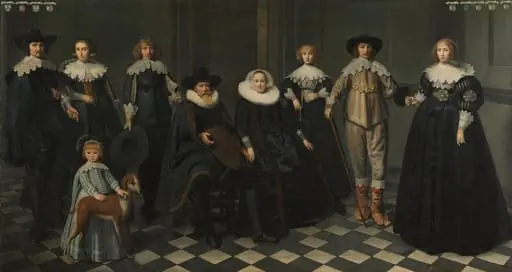 Portrait of the Family of Dirck Jacobsz Bas (1569-1637), Burgomaster of Amsterdam, and Margriet Snoeck (1588-1645)
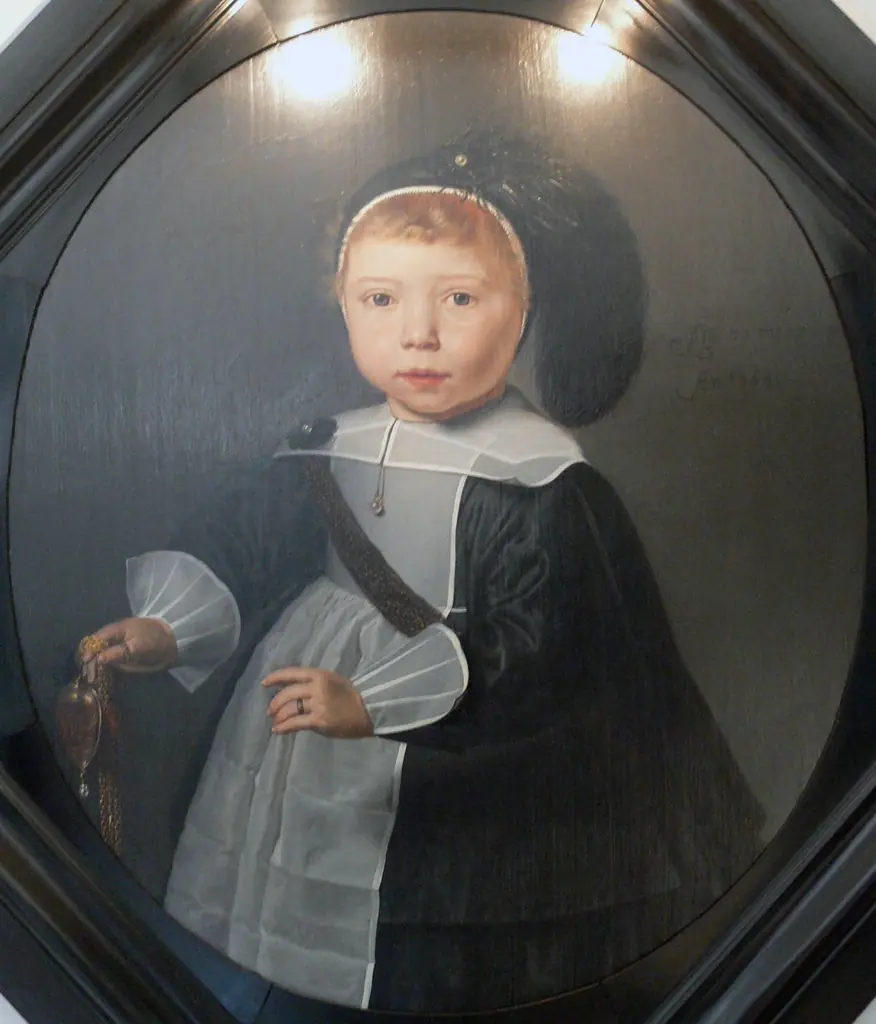 Portrait of Willem Van Loon (later mayor of Amsterdam), aged 2 1/2
 Portrait of a Girl Dressed in Blue
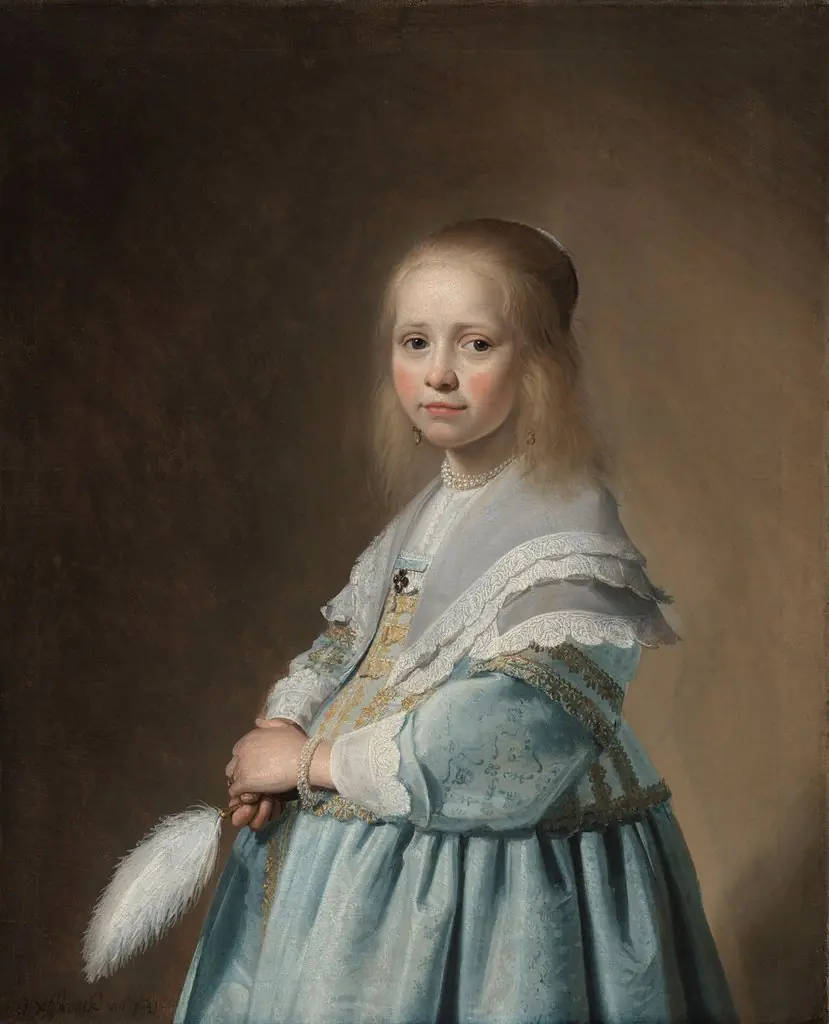 Portrait of a Girl Dressed in Blue
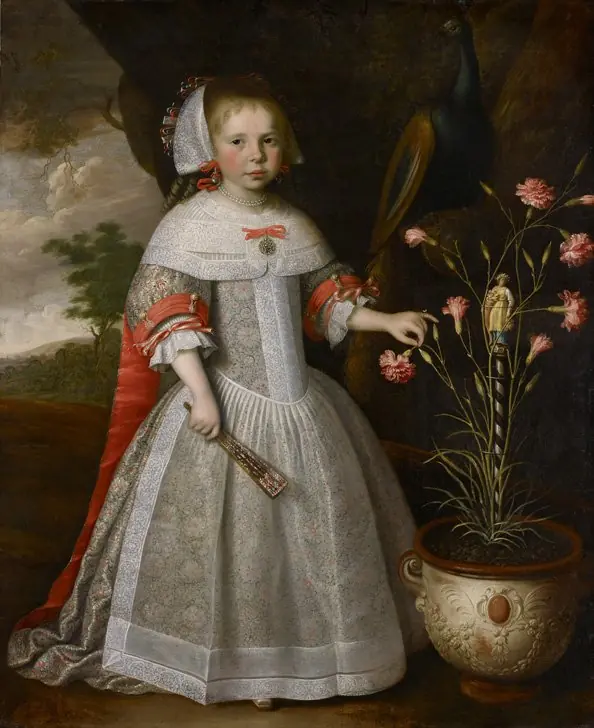 A Four-year-old Girl with a Pot of Carnations
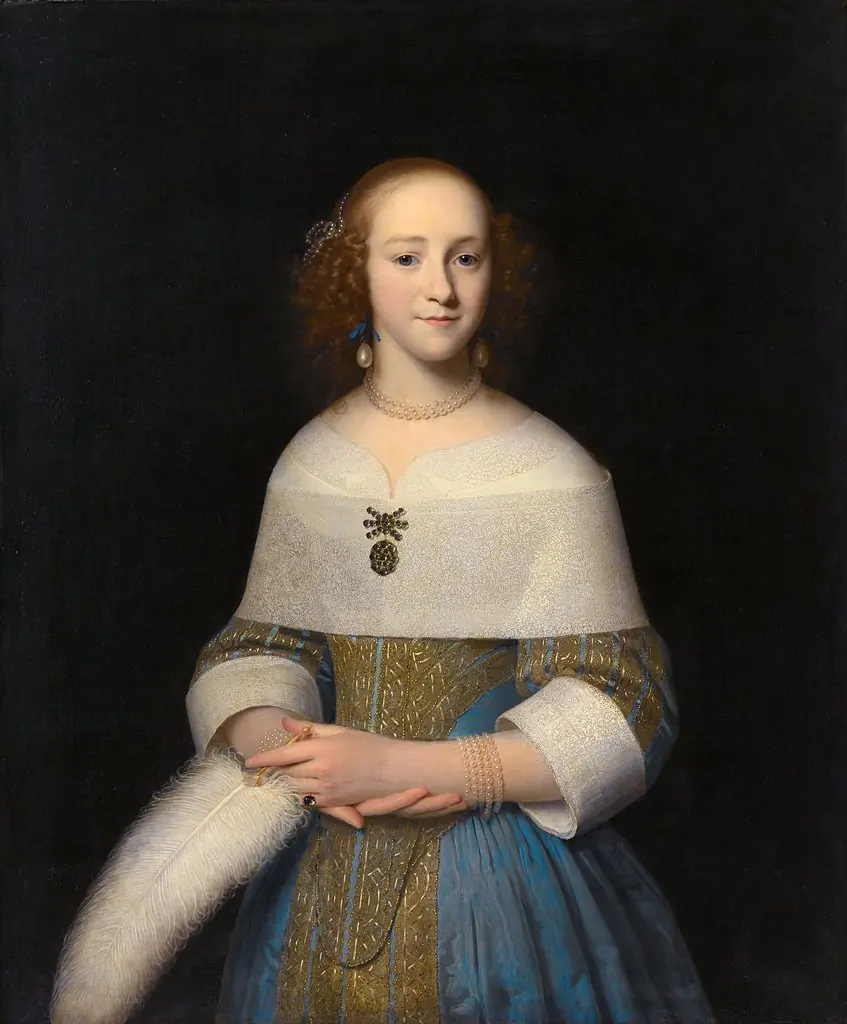 Portrait of a Young Lady
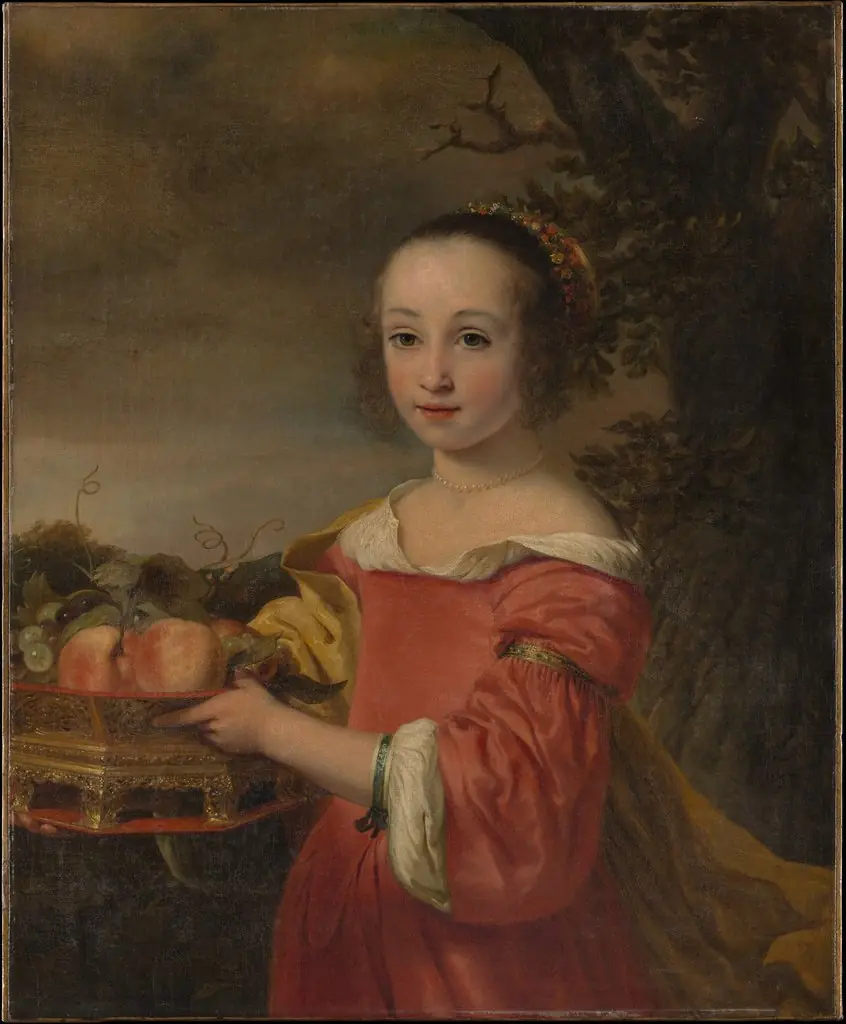 Petronella Elias (1648–1667) with a Basket of Fruit
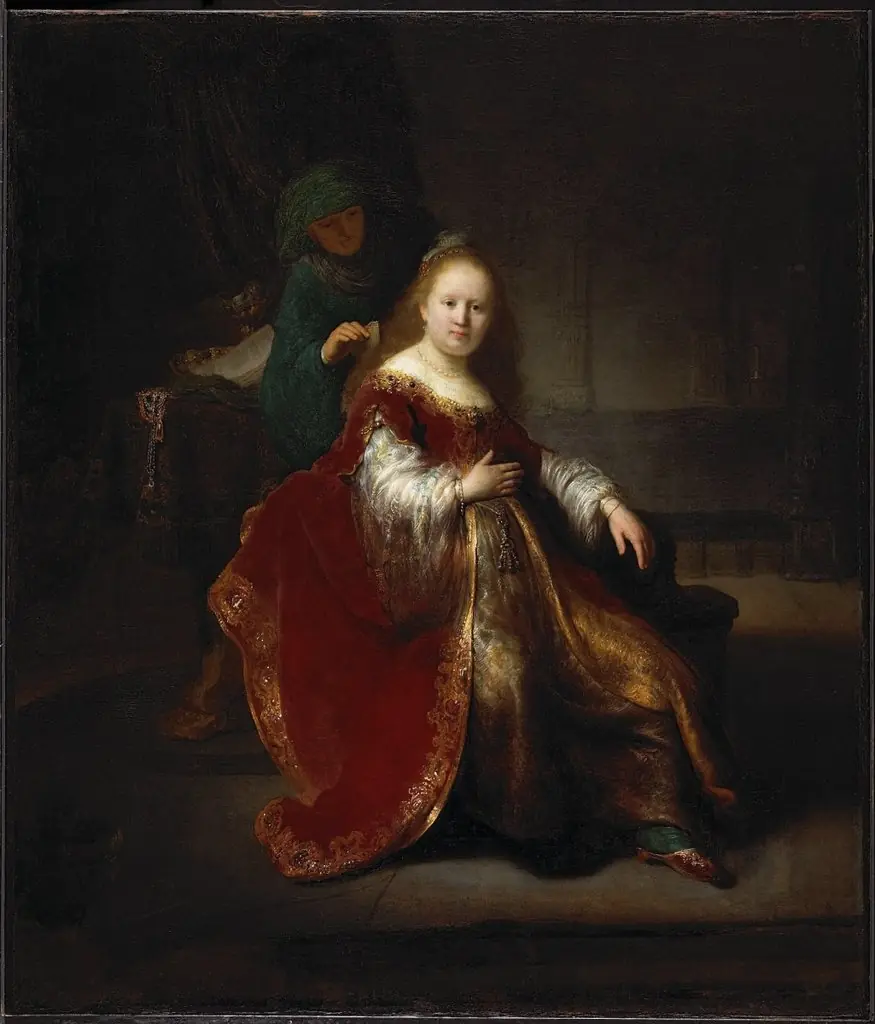 Heroine from the Old Testament
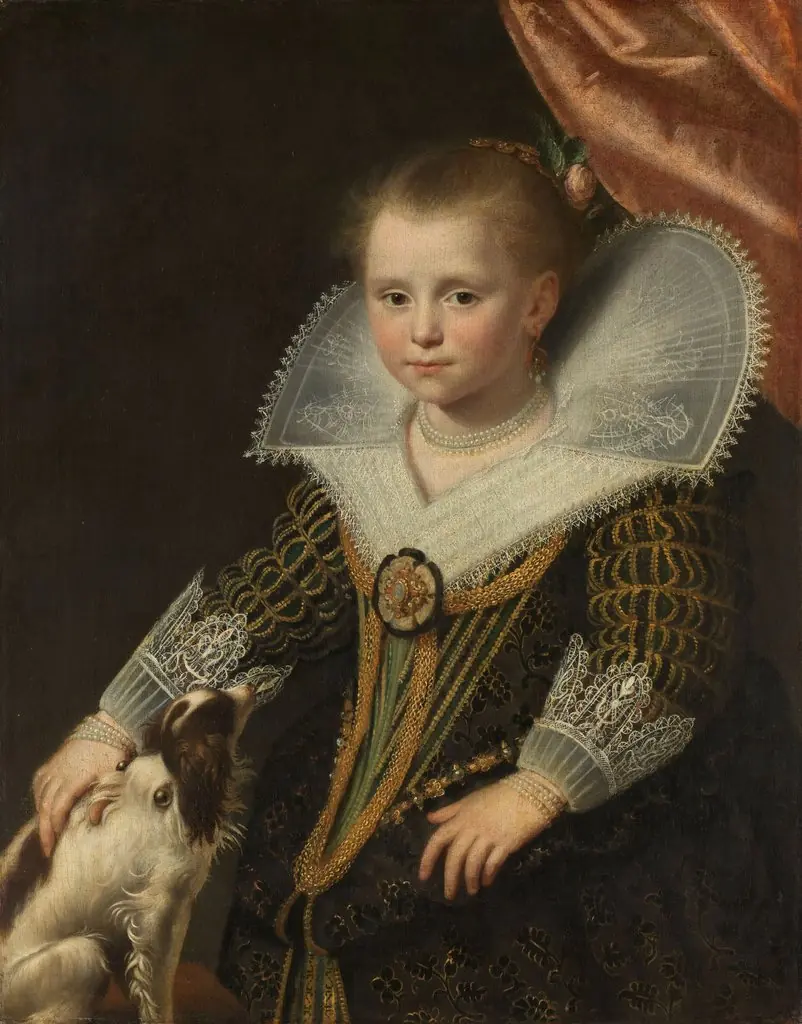 Portrait of a girl, known as 'The Little Princess'
 Miss Frances Warren
 Moses ter Borch Holding a Kolf Stick
 Portrait of a Young Woman, Possibly Susanna Reael
 Portrait of Clara Alewijn