Artwork
San Bernardino preaching in the Campo, Siena
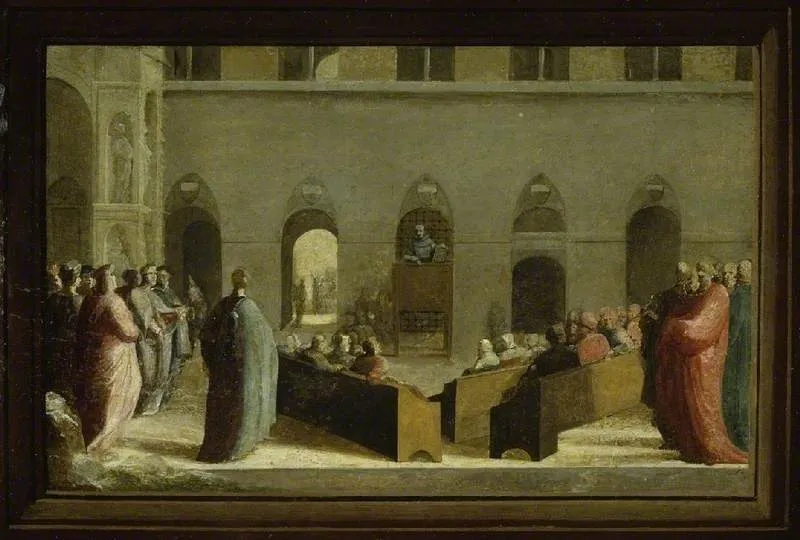
San Bernardino preaching in the Campo, Siena is an oil painting by Domenico Beccafumi. It dates from 1528 and is held in the collection of the Fitzwilliam Museum.
About this work
Overview
Domenico Beccafumi’s oil on canvas, dated 1528, depicts a public sermon attributed to Saint Bernardino in Siena’s Campo. The composition centers on a solitary figure in a vivid red habit, addressing a gathering beneath an architectural setting of arches and columns. The work is part of the collection of the Fitzwilliam Museum in Cambridge.
Subject & Meaning
The central preacher, identified by his red vestments and the book he holds, represents the Franciscan saint renowned for his itinerant preaching. The surrounding crowd, rendered in more muted tones, emphasizes the saint’s role as a focal point of spiritual instruction within a communal space, reflecting the devotional practices of early sixteenth‑century Siena.
Technique & Style
Beccafumi employs pronounced chiaroscuro, modeling the figures with strong contrasts of light and shadow to convey three‑dimensionality.
Beccafumi employs pronounced chiaroscuro, modeling the figures with strong contrasts of light and shadow to convey three‑dimensionality. The red garment is illuminated against a darker background, enhancing its visual prominence. Architectural elements are suggested with linear perspective, while the overall palette balances warm hues with subdued earth tones, characteristic of the late Renaissance in Tuscany.
History & Provenance
Created in 1528, the painting remained in private hands before entering the Fitzwilliam Museum’s collection, where it is displayed among other works of the Italian Renaissance. Its attribution to Beccafumi has been affirmed through stylistic analysis and documentary evidence linking the artist to commissions for religious subjects in Siena.
Artist & collection

Artist
Domenico di Pace Beccafumi (1486 – May 18, 1551) was an Italian Renaissance-Mannerist painter active predominantly in Siena. He is considered one of the last undiluted representatives of the Sienese school of painting.

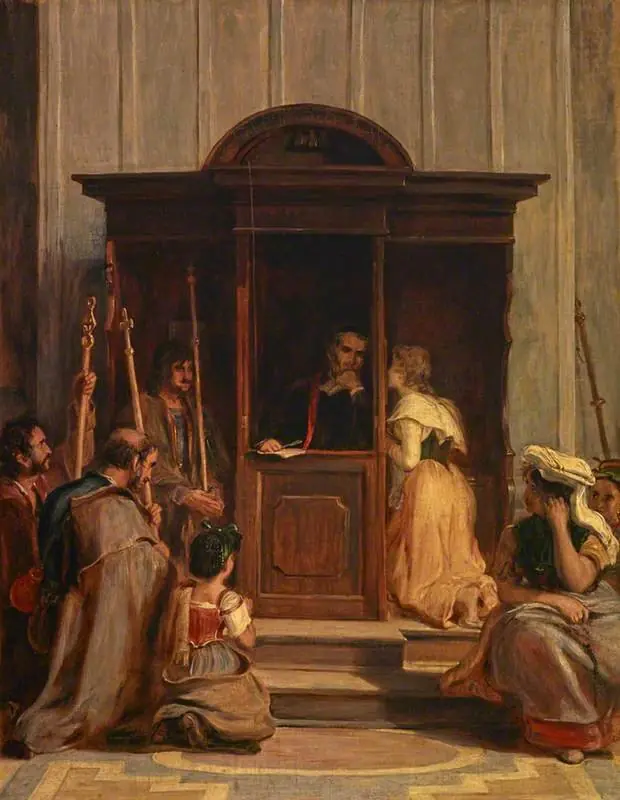 The Confessional
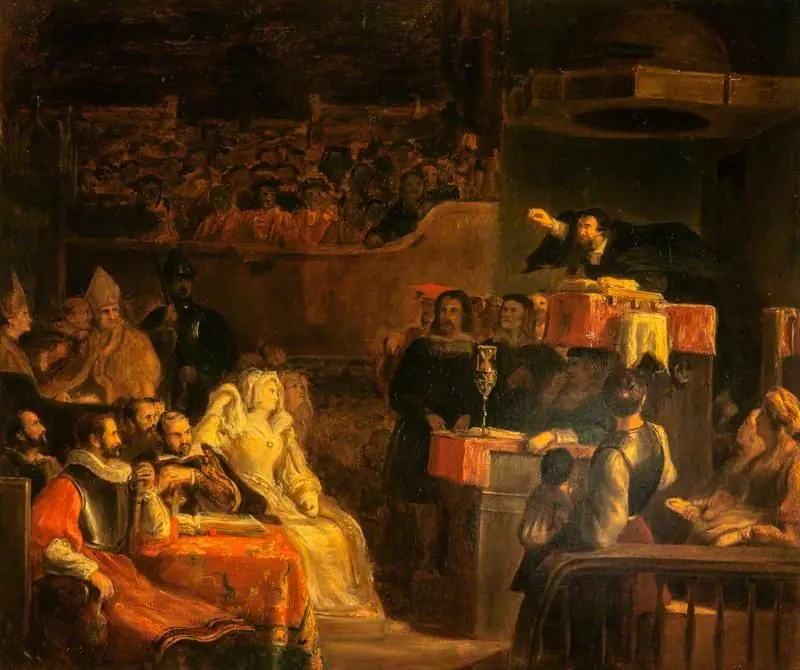 The Preaching of John Knox before the Lords of the Congregation 10th June 1559
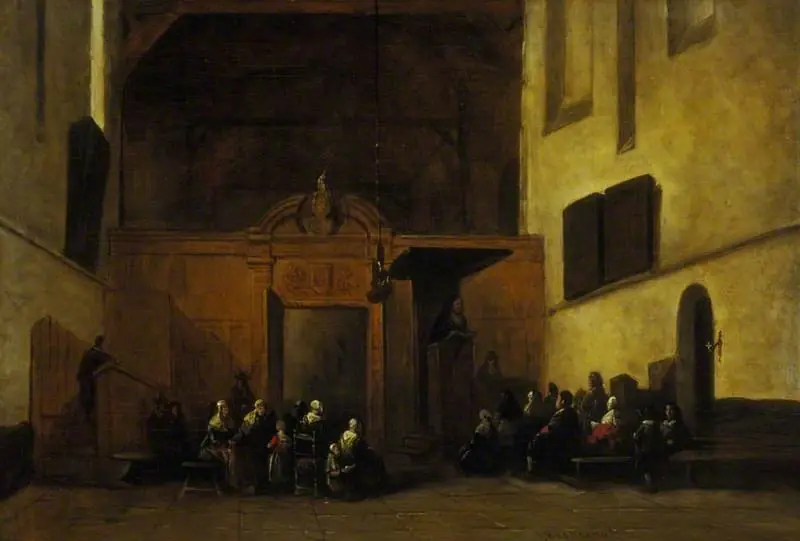 The Preacher
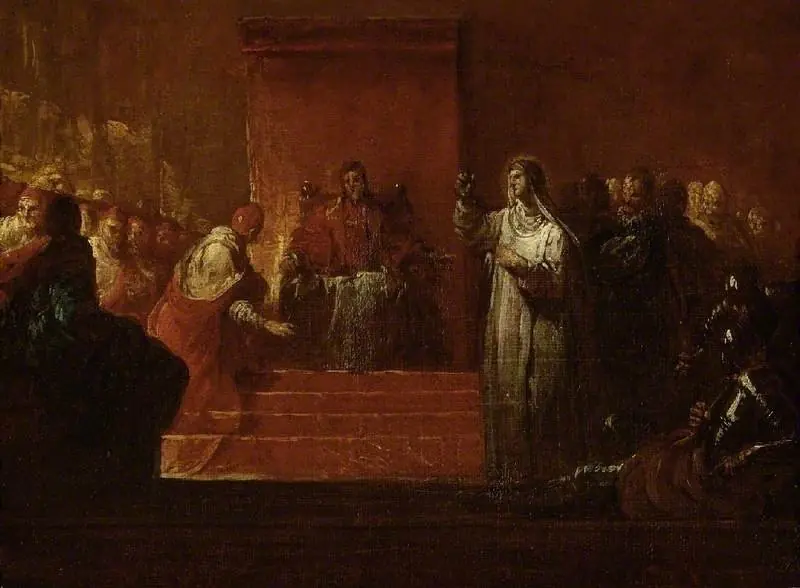 St Catherine of Siena before Pope Gregory XI
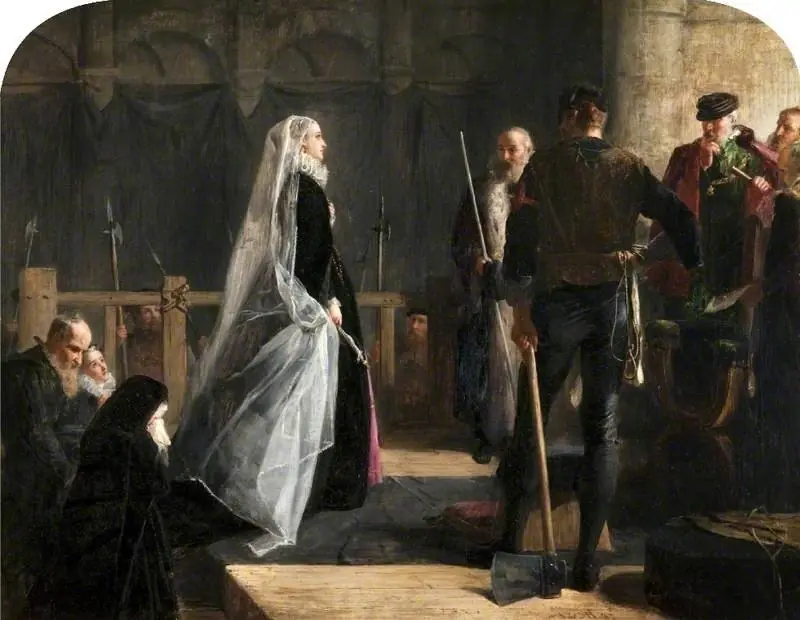 Execution of Mary, Queen of Scots
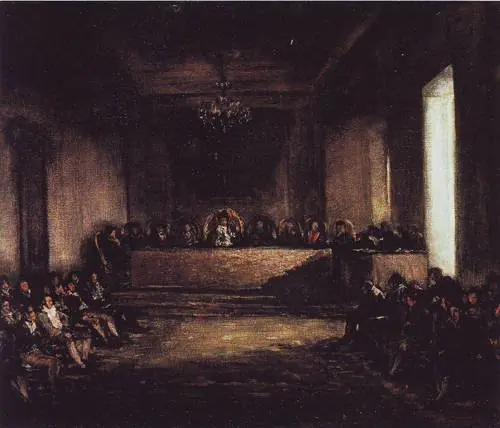 The Junta of the Philippines
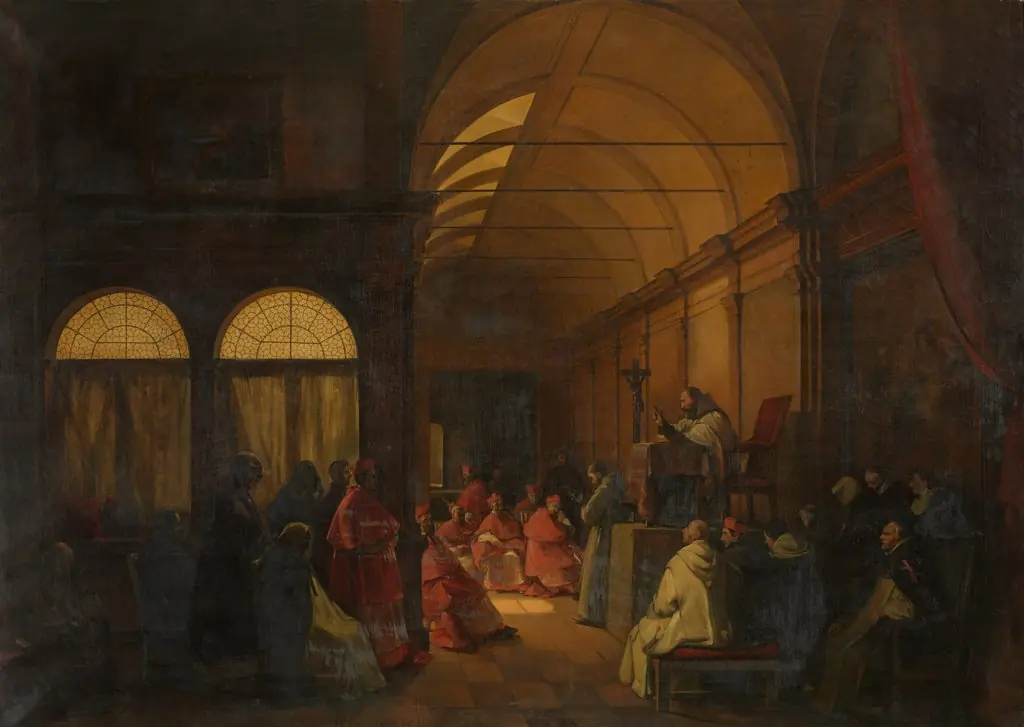 Before the Conclave
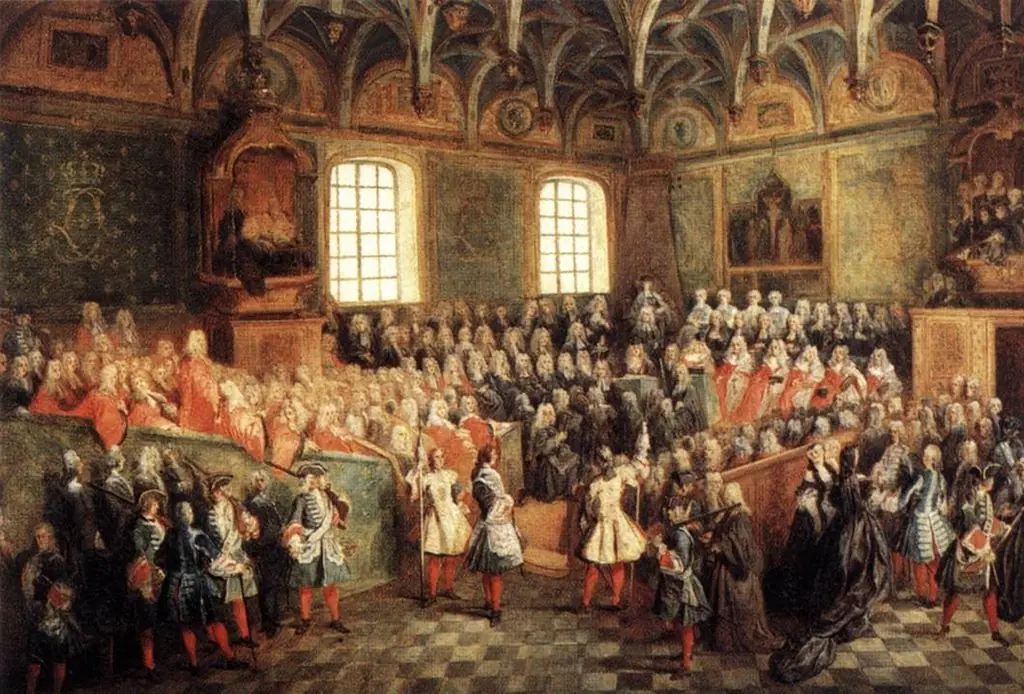 The Seat of Justice in the Parliament of Paris in 1723
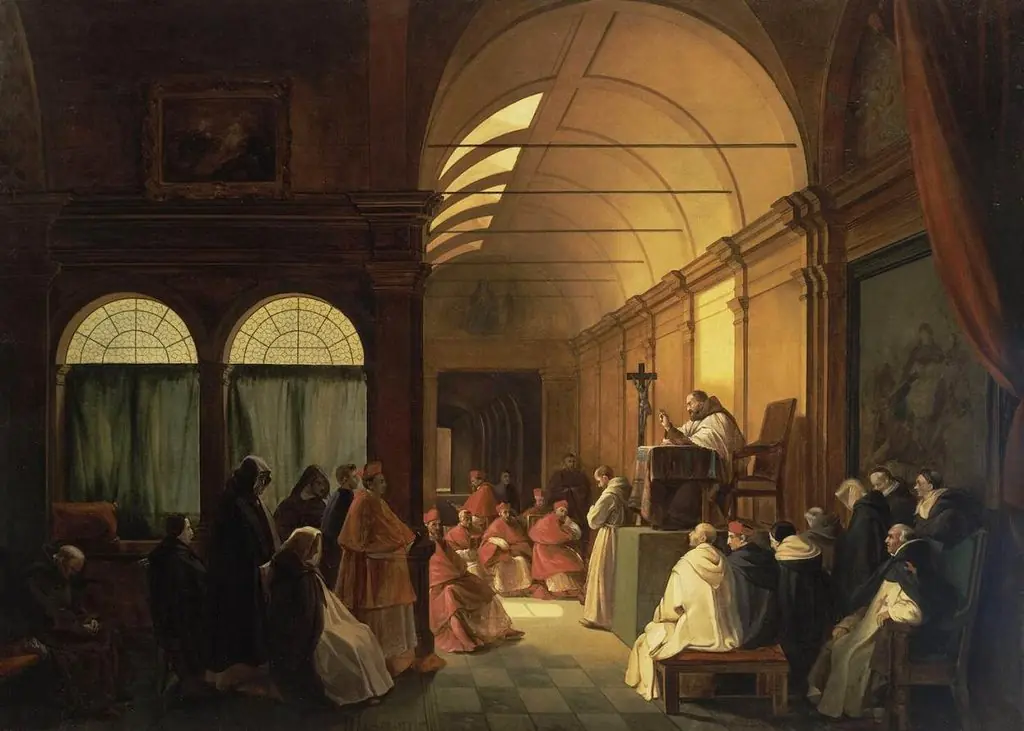 Meeting of the Monastic Chapter
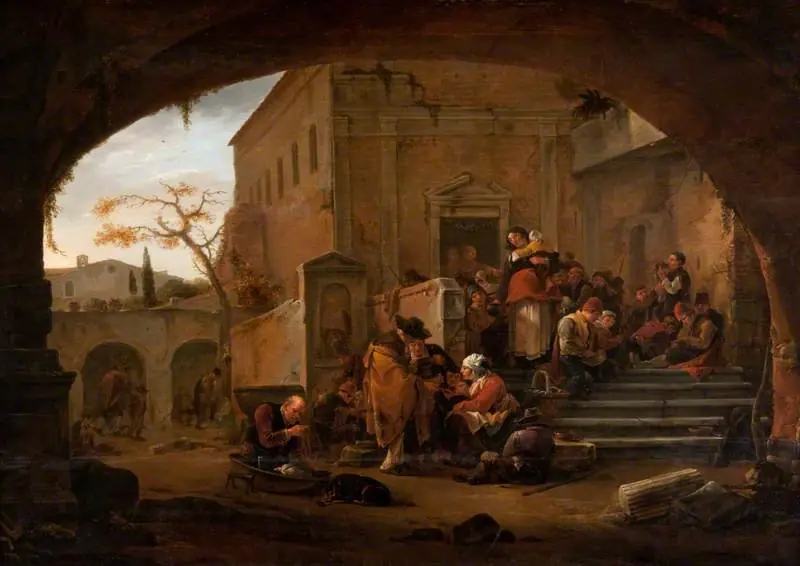 The Poor Being Fed at a Monastery
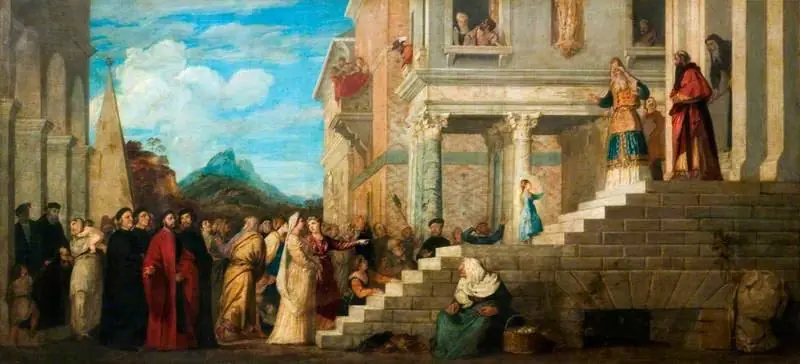 The Presentation of the Virgin in the Temple (after Titian)
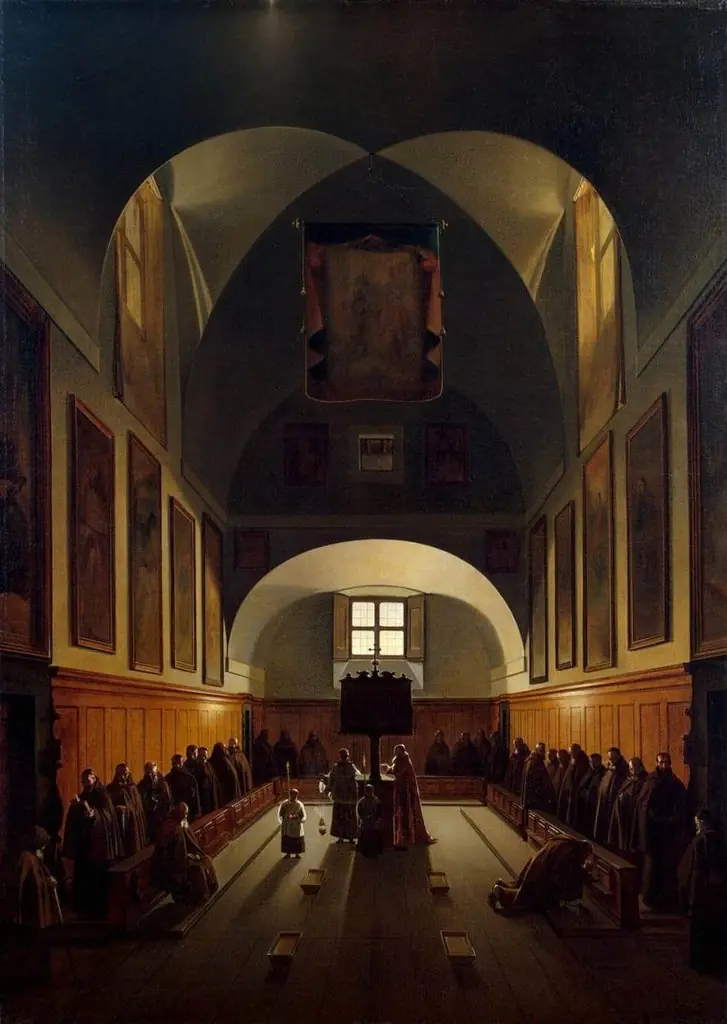 Interior of the Choir in the Capuchin Church on Piazza Barberini in Rome