Artwork
The Presentation of the Virgin in the Temple (after Titian)
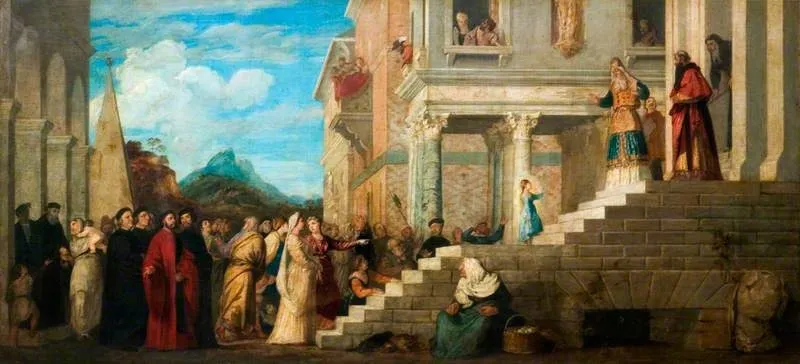
The Presentation of the Virgin in the Temple (after Titian) is an oil painting by Alfred Stevens. It dates from 1873 and is held in the collection of the Victoria and Albert Museum.
About this work
Overview
Though inspired by Titian’s treatment of the theme, Stevens shifts focus from devotional intensity to refined social atmosphere.
Painted around 1873 by Belgian artist Alfred Stevens, this oil work reinterprets a traditional religious subject through the lens of 19th-century Parisian aesthetics. Though inspired by Titian’s treatment of the theme, Stevens shifts focus from devotional intensity to refined social atmosphere. The painting reflects his broader interest in capturing elegance and quiet ritual within contemporary visual language, blending historical subject matter with modern sensibility.
Subject & Meaning
The scene depicts the Virgin Mary as a child being presented to the priests in the Temple of Jerusalem, a moment from apocryphal tradition. Stevens renders the event not as a sacred spectacle but as a composed, almost ceremonial gathering of figures in period dress. The central figure’s quiet dignity and the attentive stillness of the crowd suggest reverence, while the inclusion of everyday details—baskets, seated figures—grounds the narrative in tangible human experience rather than divine drama.
Technique & Style
Stevens employs a smooth, highly finished surface typical of academic painting, with careful attention to fabric textures and subtle gradations of light. His use of chiaroscuro is restrained, enhancing volume without dramatic contrast. The palette favors muted tones with selective highlights, particularly on the central figure’s blue garment, drawing the eye without overwhelming the scene’s calm atmosphere. The composition is balanced, with architectural elements framing the figures in orderly perspective.
History & Provenance
Created during Stevens’s mature period in Paris, the painting emerged from his sustained engagement with Old Master compositions, reimagined through contemporary realism. It entered the Victoria and Albert Museum’s collection in the late 19th or early 20th century, likely acquired as part of broader efforts to document 19th-century European painting. Its presence there reflects institutional interest in artists who bridged historical themes and modern technique.
Context
In mid-19th-century Paris, artists frequently revisited religious subjects not for doctrinal reasons but as vehicles for exploring composition, costume, and social ritual. Stevens, known for scenes of bourgeois life, applied his precision to sacred narratives to elevate them with psychological nuance. This work aligns with a broader trend among academic painters who sought legitimacy through historical reference while maintaining modern refinement.
Legacy
Stevens’s reinterpretation of Titian’s theme remains a quiet example of how 19th-century artists negotiated tradition and innovation. While not widely replicated, the painting illustrates a significant strand of academic practice: the transformation of religious iconography into a vehicle for social observation. Its preservation in the V&A underscores its value as a document of artistic dialogue across centuries.
Artist & collection
Artist
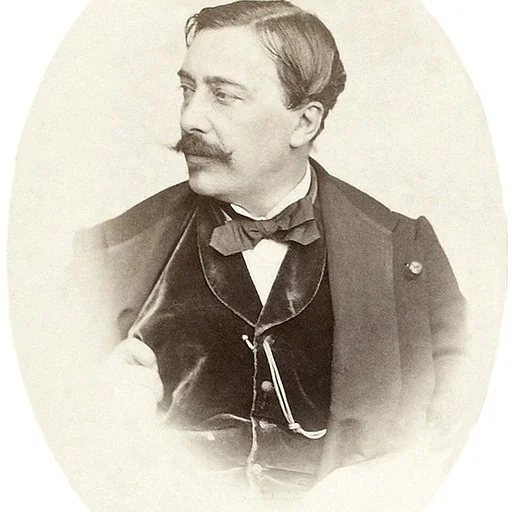
Alfred Émile Léopold Stevens (11 May 1823 – 24 August 1906) was a Belgian painter, known for his paintings of elegant modern women.

 Gleichnis vom verlorenen Sohn
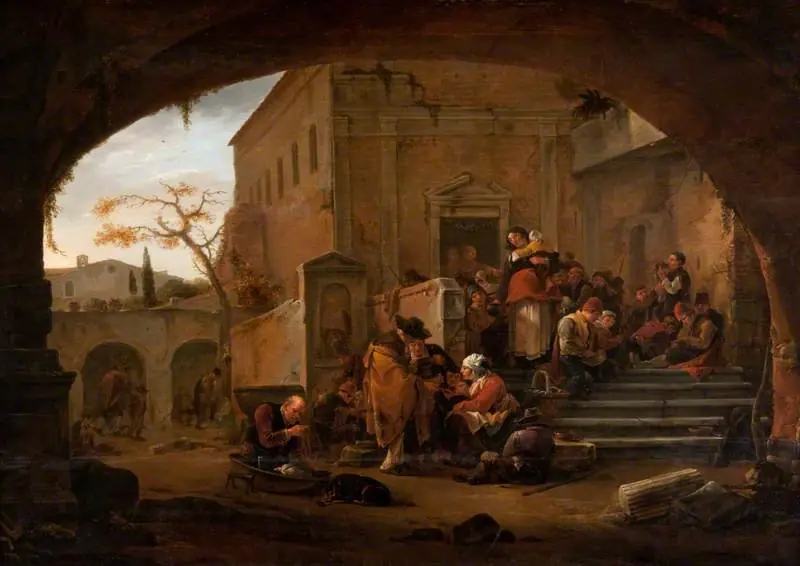 The Poor Being Fed at a Monastery
 Parable of the Pearl of Great Price
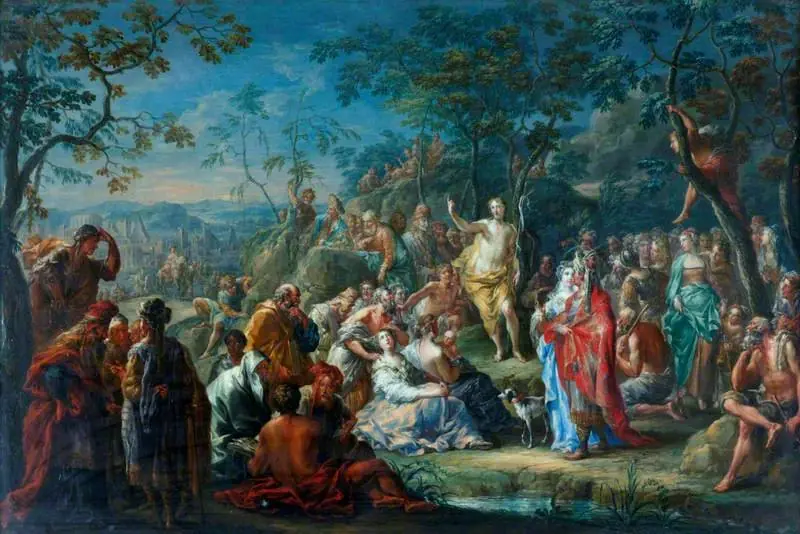 Saint John the Baptist Preaching in the Wilderness
 Königin von Saba vor Salomon
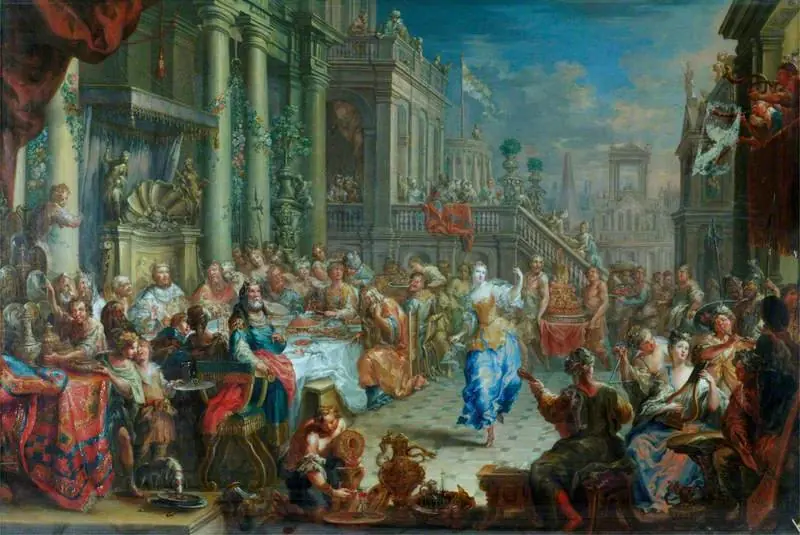 Salome Dancing before Herod
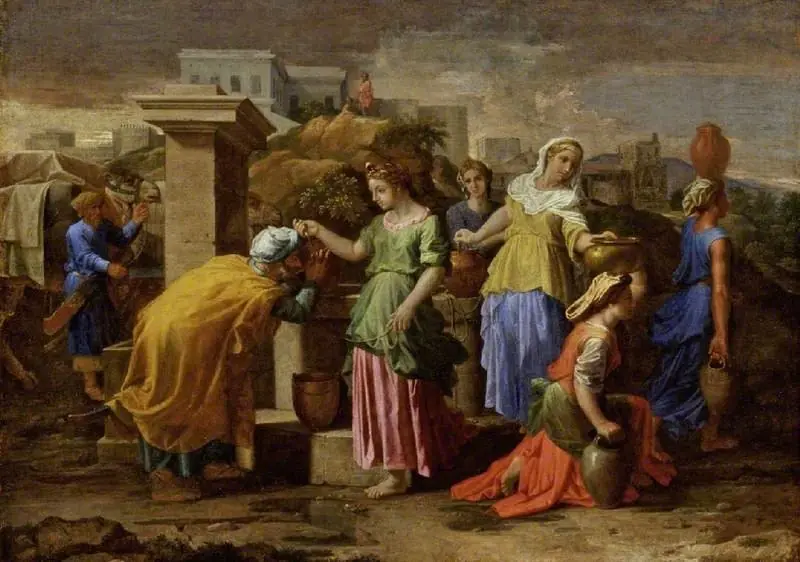 Eliezer and Rebecca
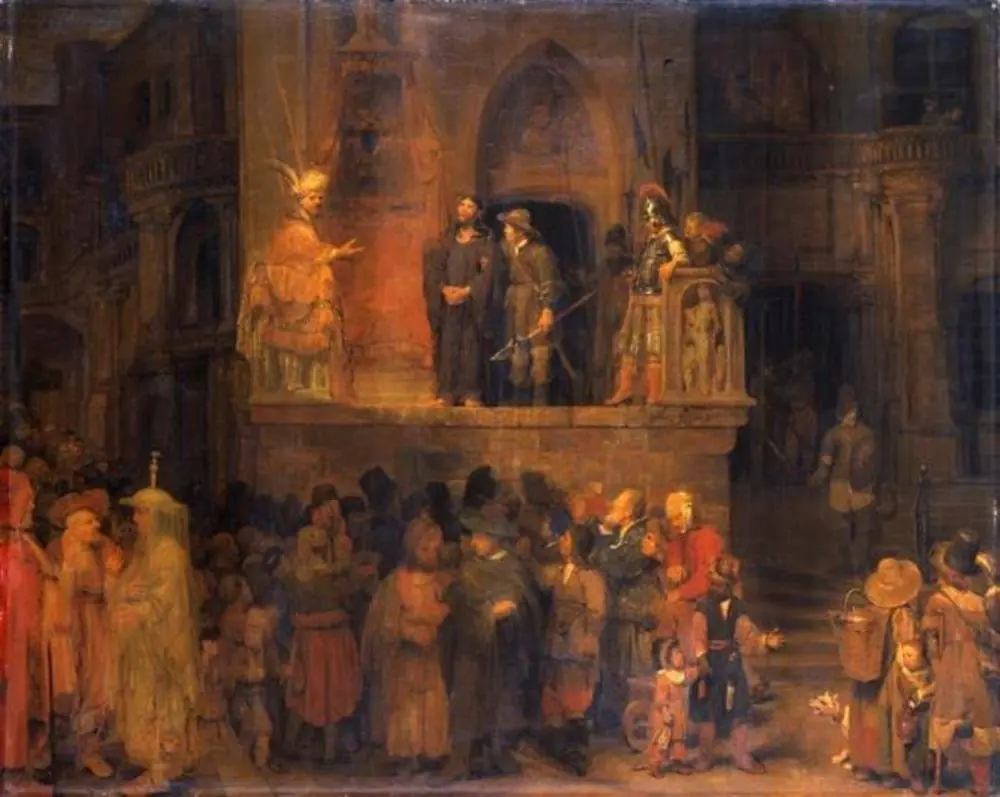 Ecce Homo (John 19:5)
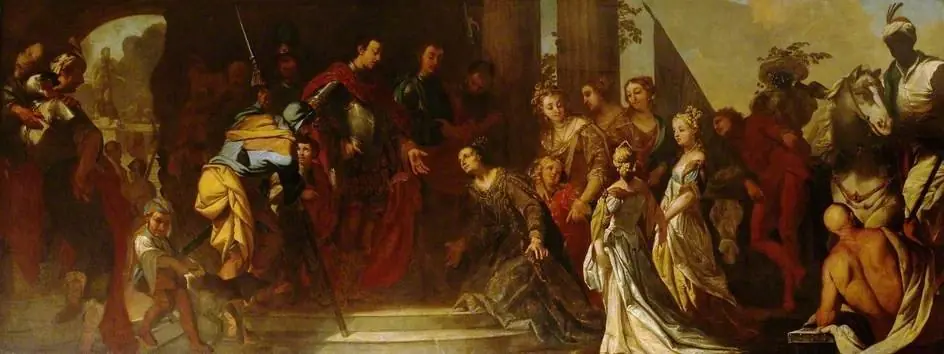 The Family of Darius before Alexander the Great
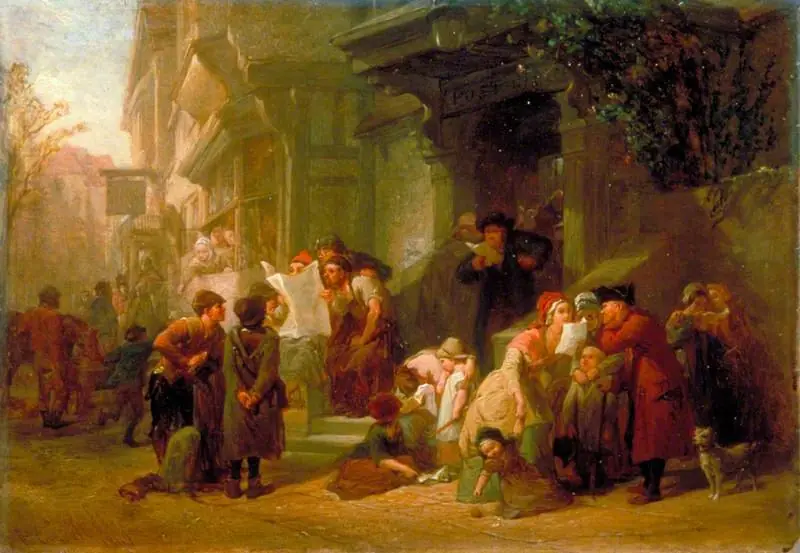 The Village Post Office
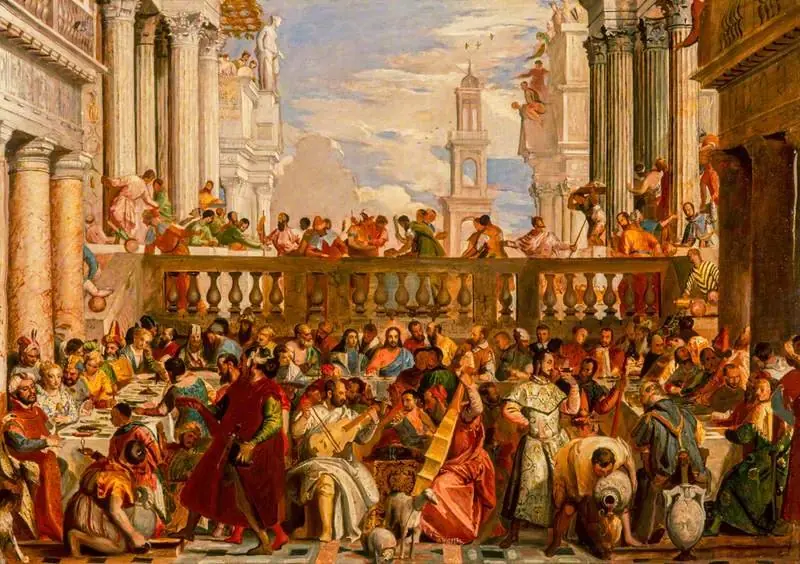 The Marriage at Cana (after Veronese)
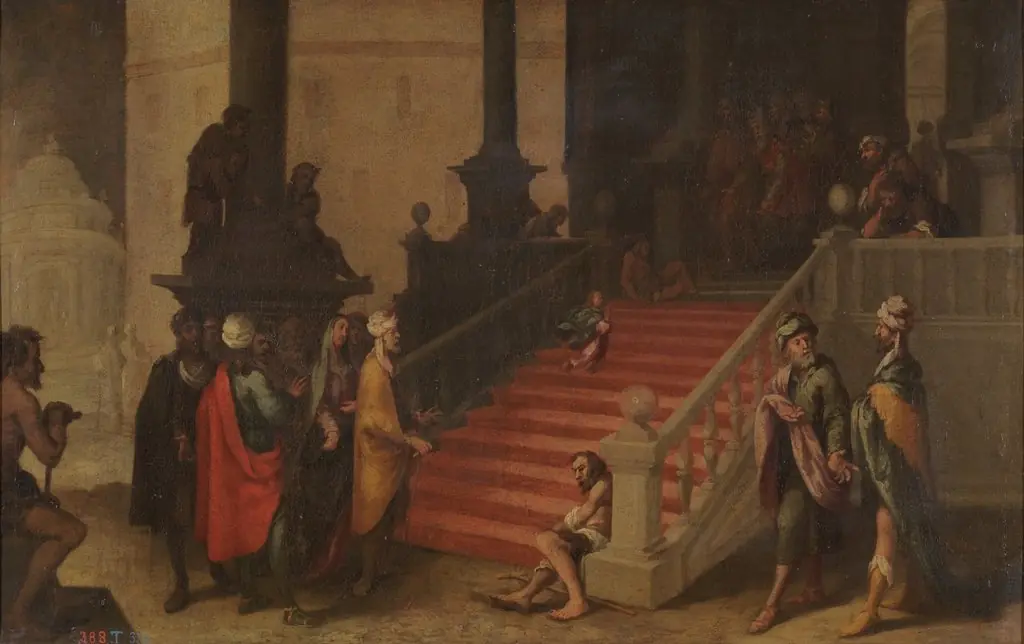 The Presentation of the Virgin