Artwork
Flying and Adoring Angels
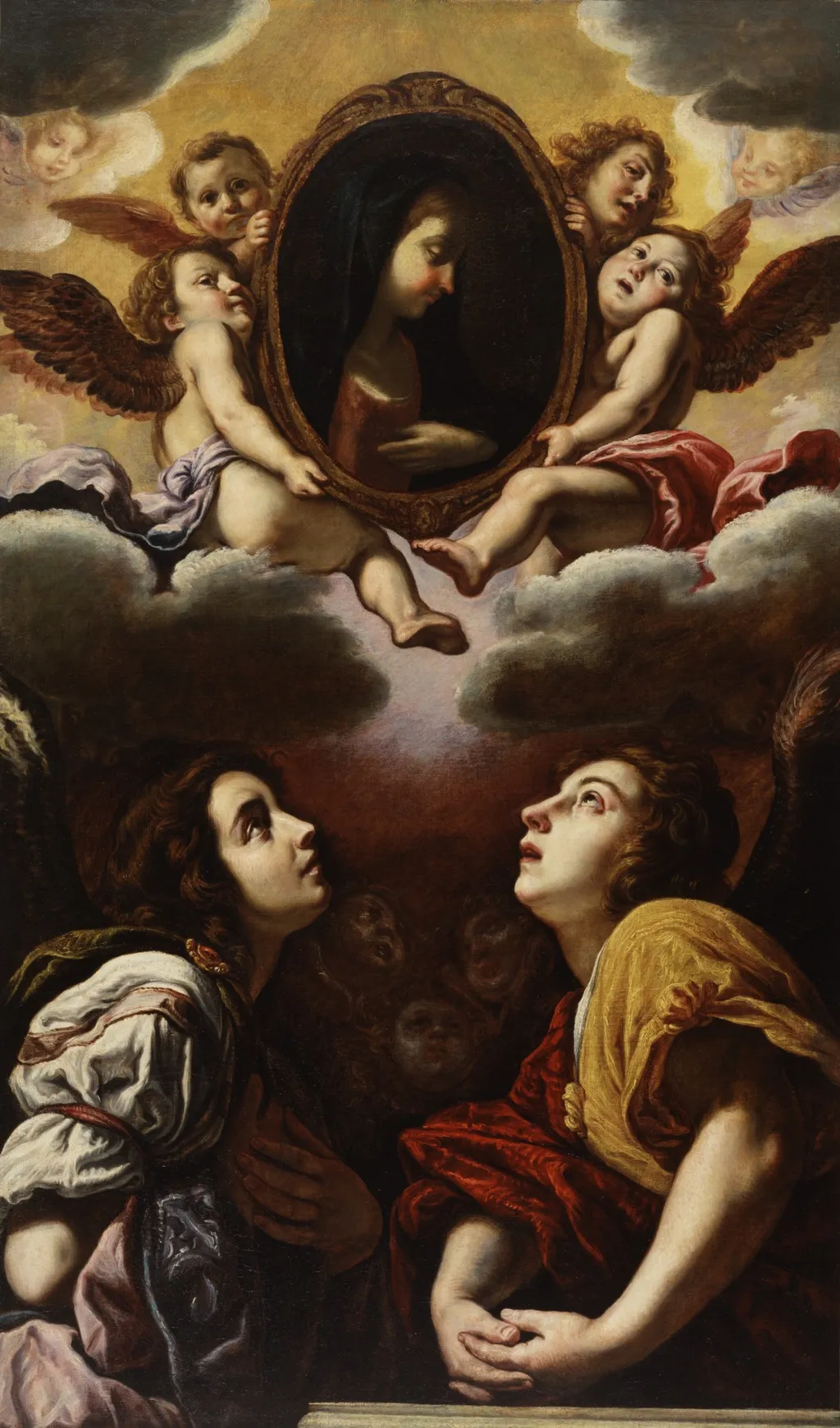
Flying and Adoring Angels is an oil painting by the Early Baroque Italian artist Domenico Fetti. It dates from 1613 and is held in the collection of the Walters Art Museum.
About this work
Overview
The composition centers on a reflective oval surface surrounded by celestial figures, suggesting a divine revelation rather than a conventional altar scene.
Domenico Fetti painted *Flying and Adoring Angels* in 1613 using oil on canvas. The work emerged during his early career in Mantua, where he blended Venetian colorism with Roman naturalism. It is now part of the Walters Art Museum’s collection. The composition centers on a reflective oval surface surrounded by celestial figures, suggesting a divine revelation rather than a conventional altar scene.
Subject & Meaning
The painting portrays angels in motion, some ascending, others gazing toward a central mirror that reflects the image of a woman—likely the Virgin Mary. This device implies a spiritual encounter, where the divine is revealed not directly but through reflection, evoking themes of contemplation and unseen holiness. The angels’ varied postures suggest awe and reverence, reinforcing the sacred nature of the moment.
Technique & Style
Fetti employed chiaroscuro to model the angels’ forms, creating a sense of volume and spatial depth against a luminous golden sky. Soft transitions between light and shadow enhance the ethereal quality of the figures, while the warm tones and textured brushwork reflect Venetian influences. The mirror’s reflective surface is rendered with subtle precision, anchoring the composition and guiding the viewer’s focus.
History & Provenance
Commissioned during Fetti’s tenure at the Gonzaga court in Mantua, the painting likely served a private devotional purpose. It remained in Italian collections until the 19th century, when it entered Western private holdings before being acquired by the Walters Art Museum in Baltimore. Its survival through centuries of collection shifts speaks to its enduring appeal among connoisseurs of early Baroque religious art.
Context
Created during a period when Counter-Reformation ideals emphasized emotional engagement with sacred imagery, the painting aligns with trends in northern Italian art that favored intimate, psychologically nuanced depictions of the divine. Fetti’s use of reflection as a theological device distinguishes it from more direct representations, reflecting a broader interest in mystery and indirect revelation among contemporary religious painters.
Legacy
Though not widely reproduced, *Flying and Adoring Angels* exemplifies Fetti’s ability to merge dramatic lighting with quiet introspection. Its innovative use of the mirror as a symbolic mediator between earthly and divine realms influenced later devotional works in the Baroque tradition, particularly in northern Italy, where such metaphysical devices became more common in sacred imagery.
Artist & collection
Artist
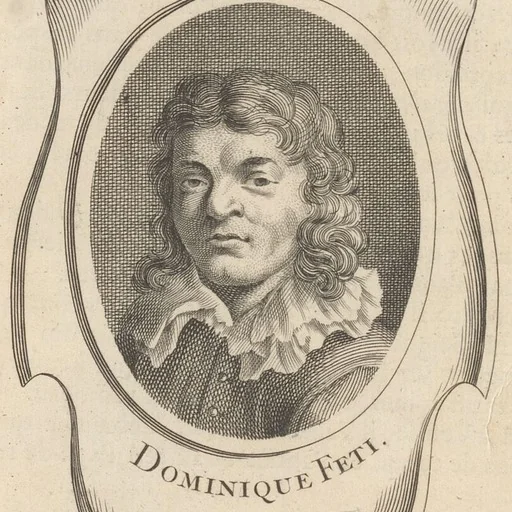
Domenico Fetti (also spelled Feti) (c. 1589 – 16 April 1623) was an Italian Baroque painter who was active mainly in Rome, Mantua and Venice.

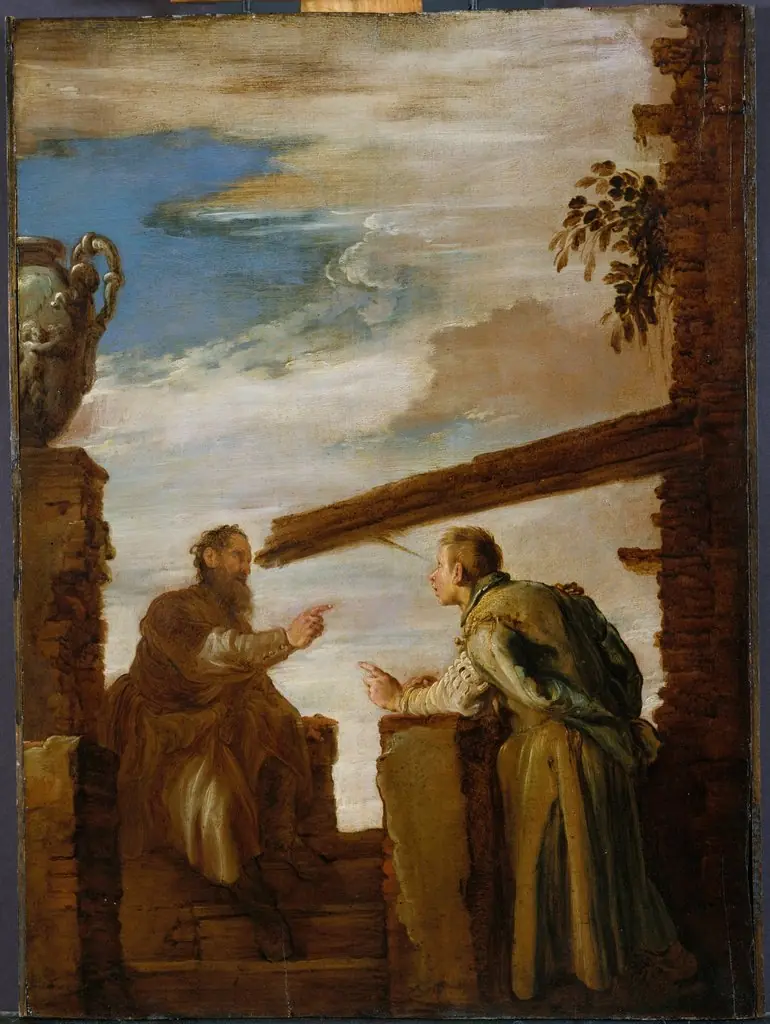
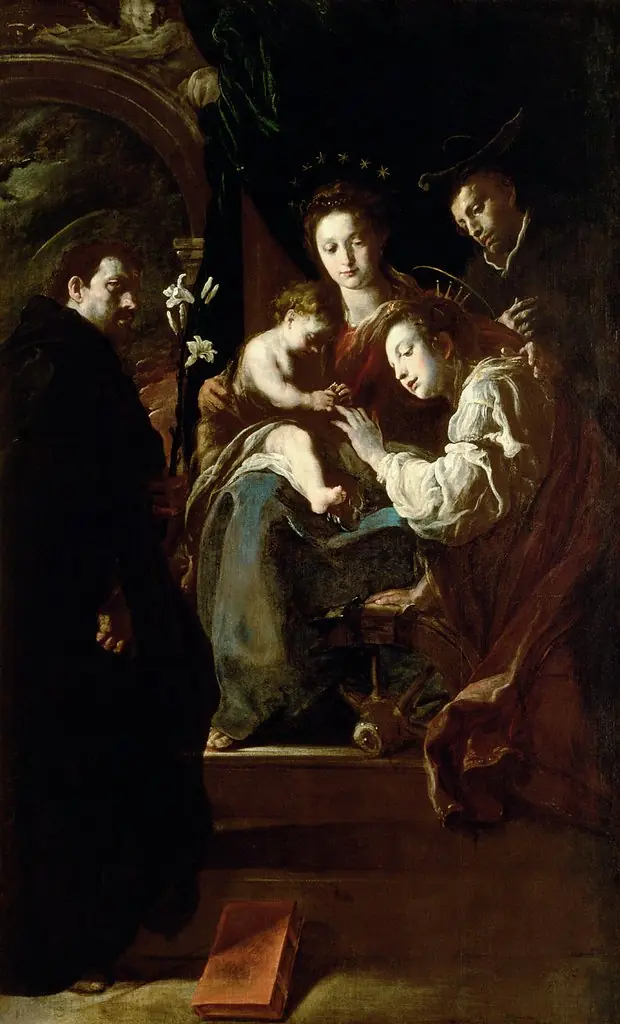
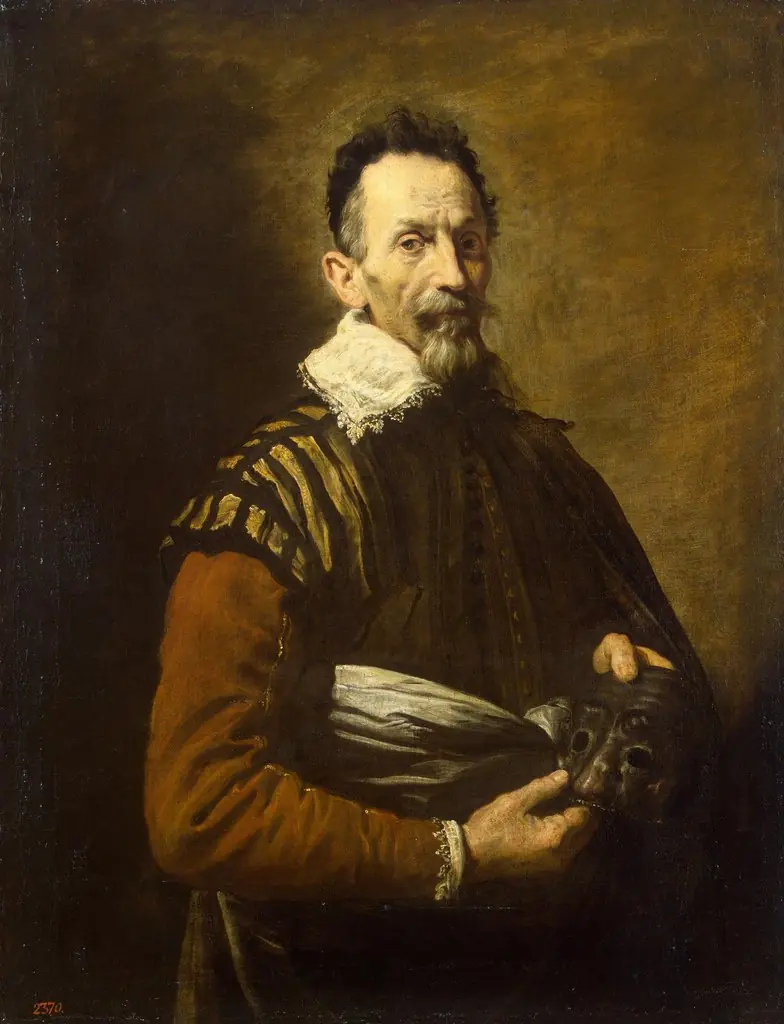
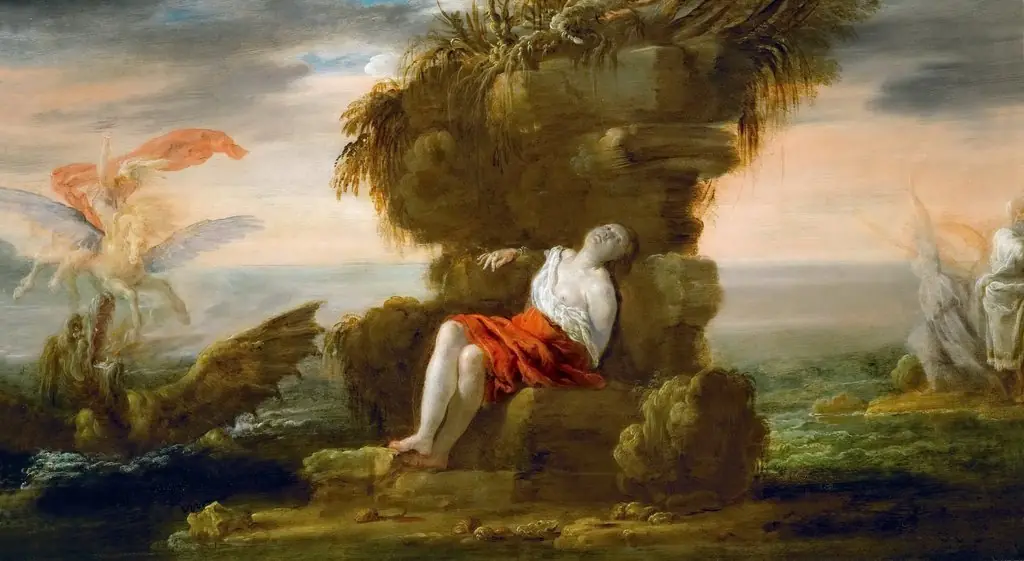
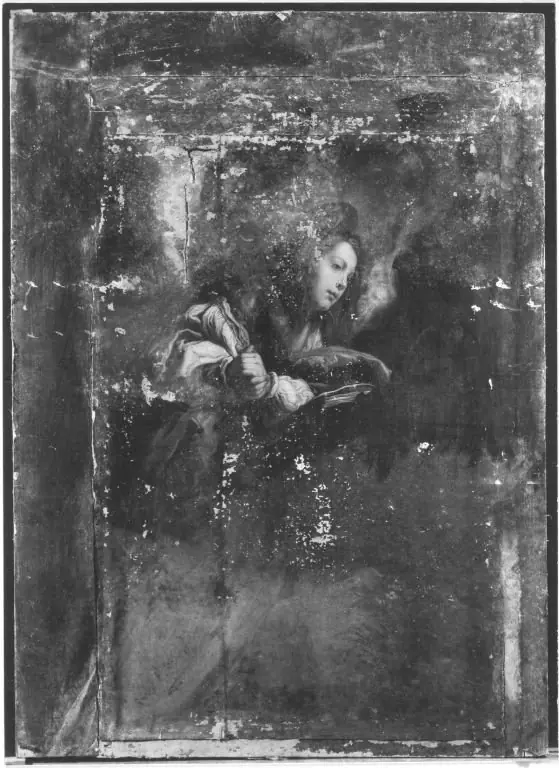
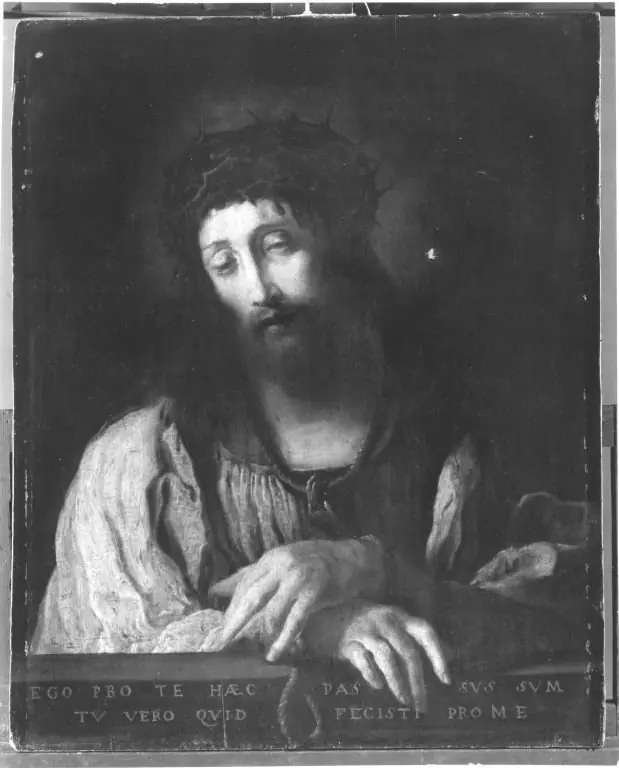
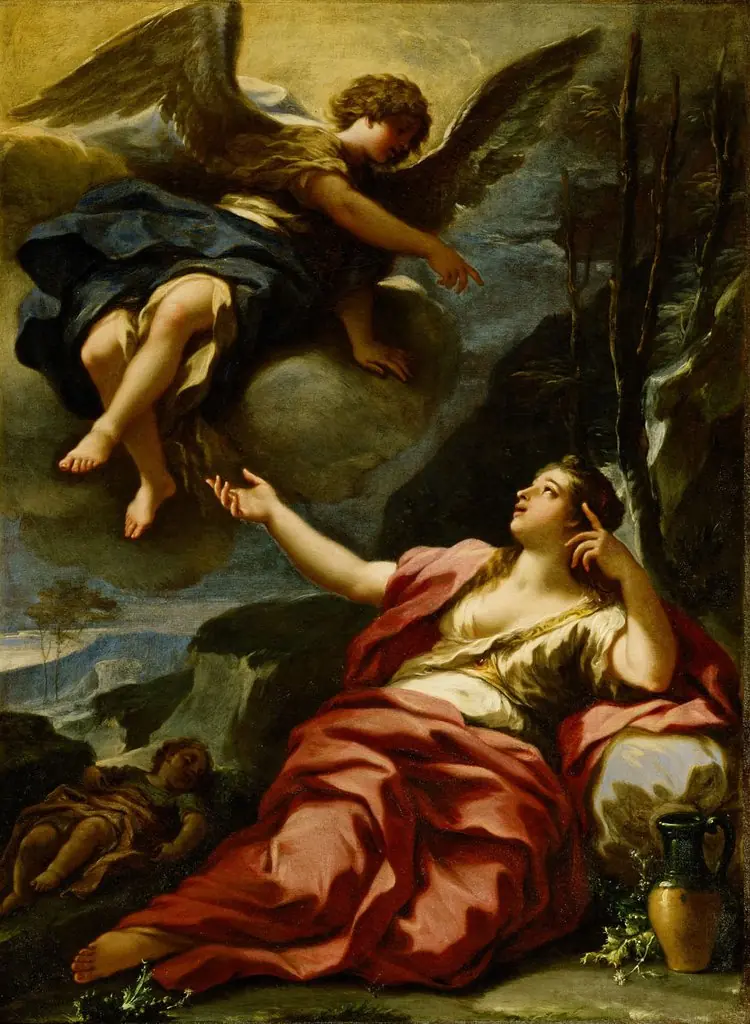 The angel appears to Hagar in the desert
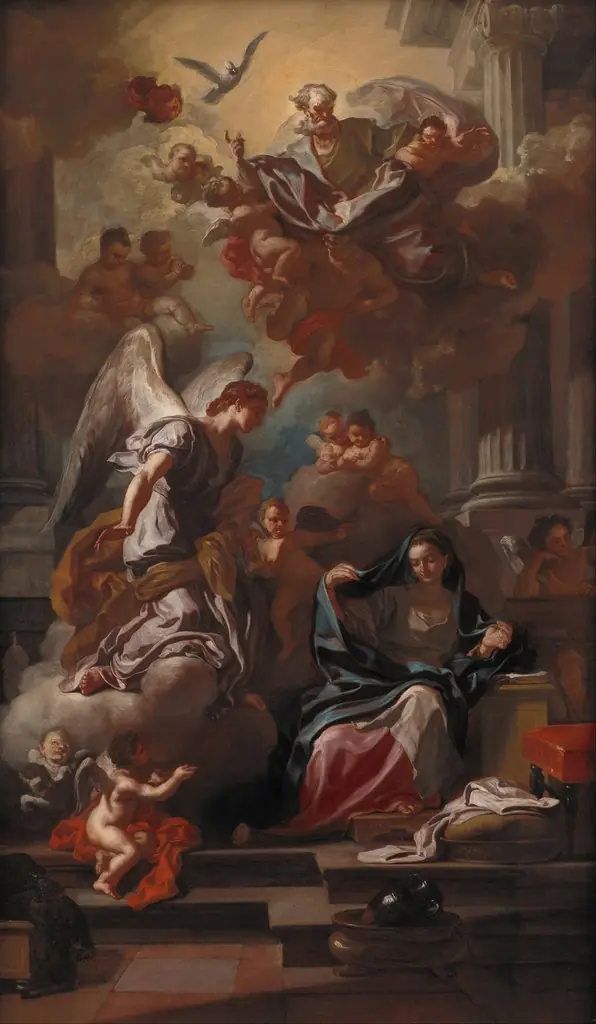 The Annunciation
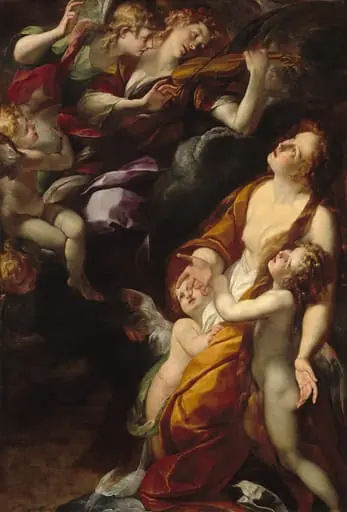 The Ecstasy of the Magdalen
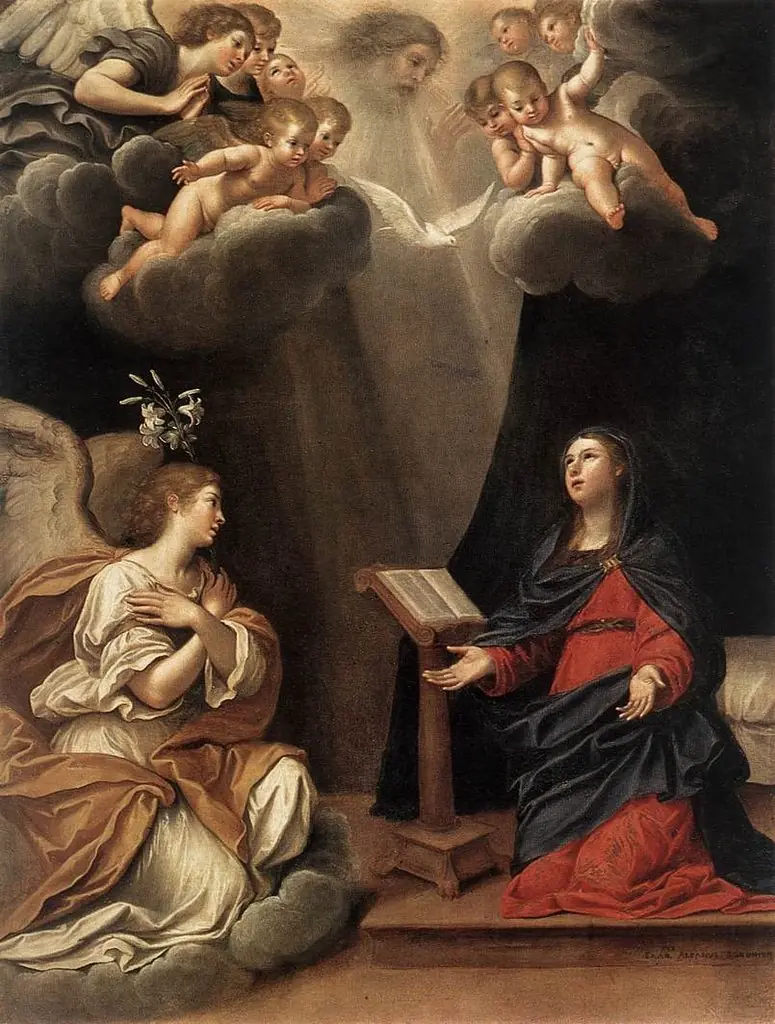 The Annunciation
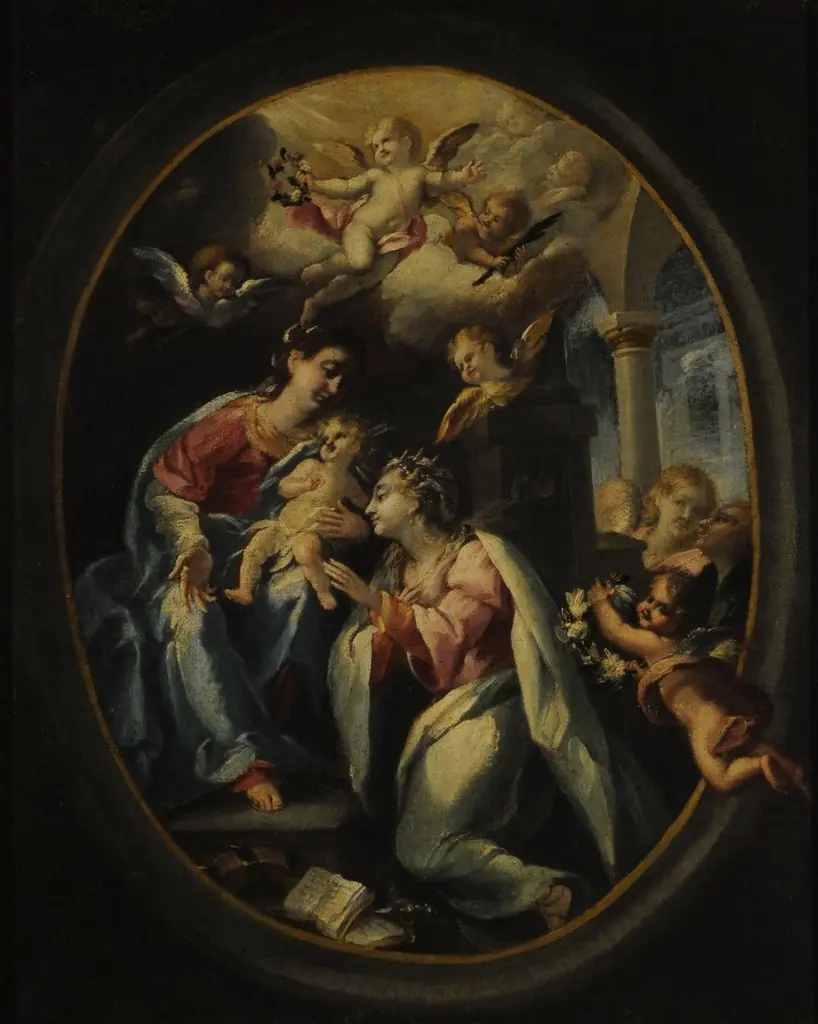 Mystical weddings of Santa Catalina
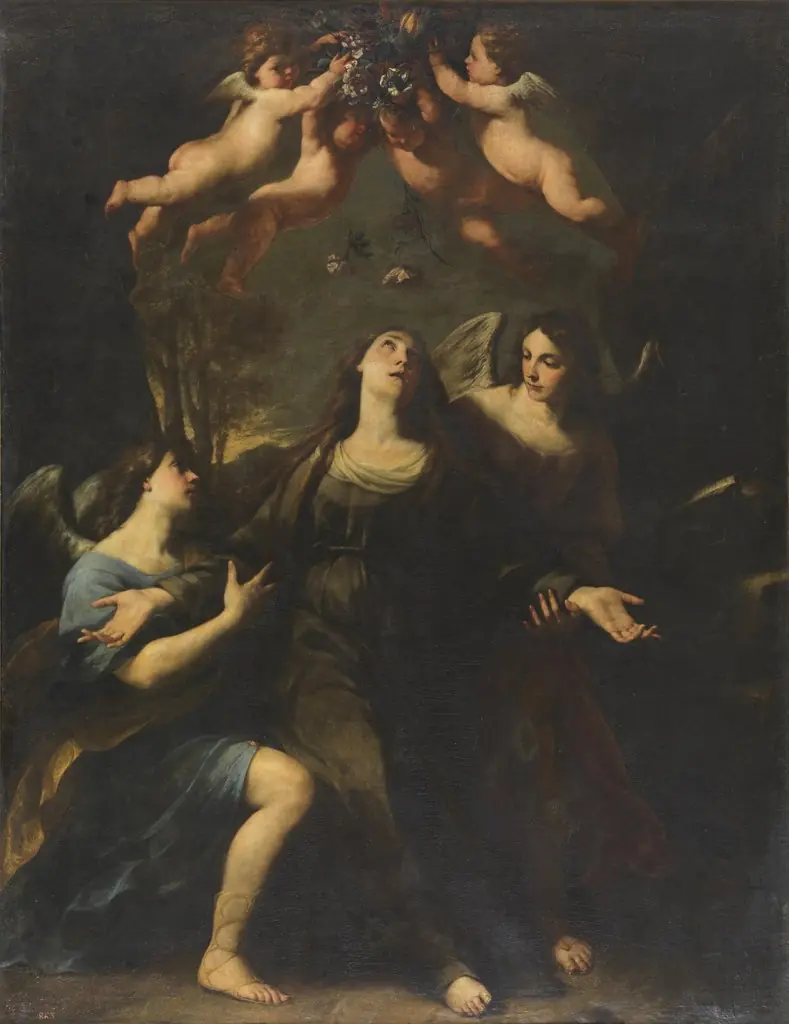 Saint Rosalie of Palermo
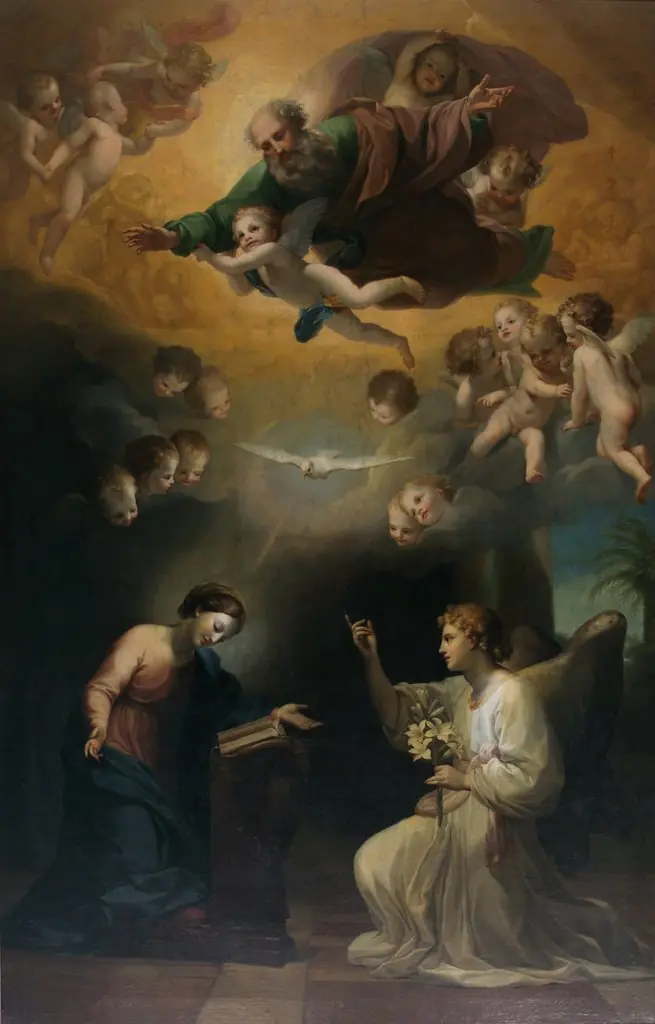 Annunciation to Mary
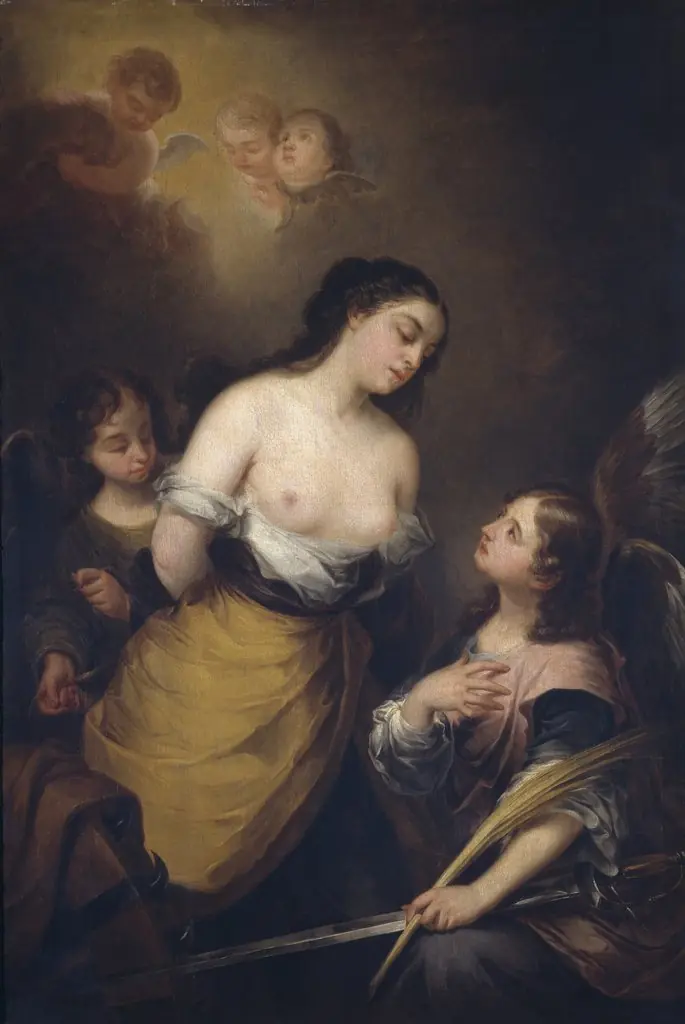 Santa Catalina
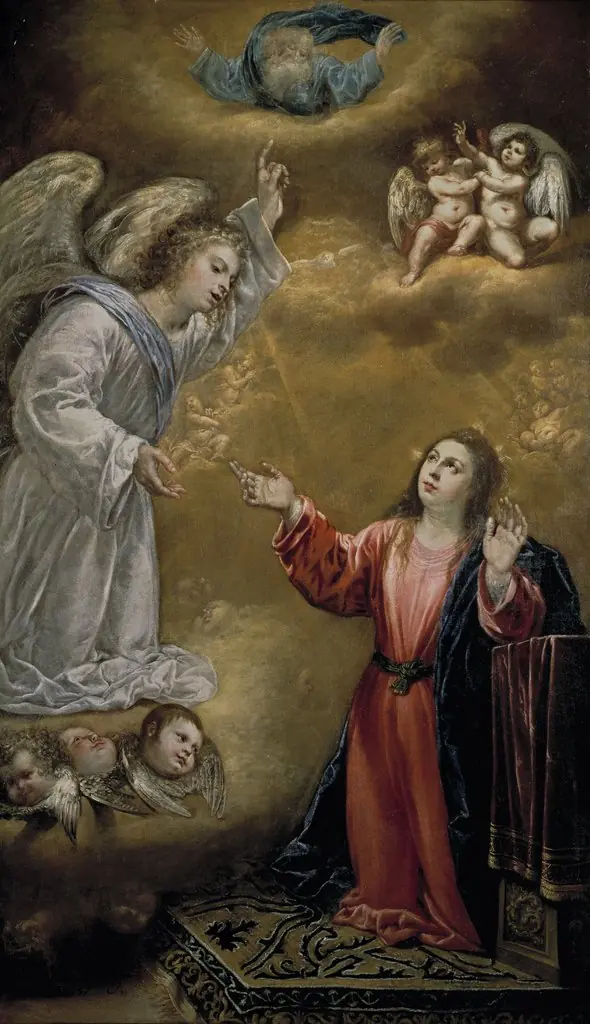 The Annunciation
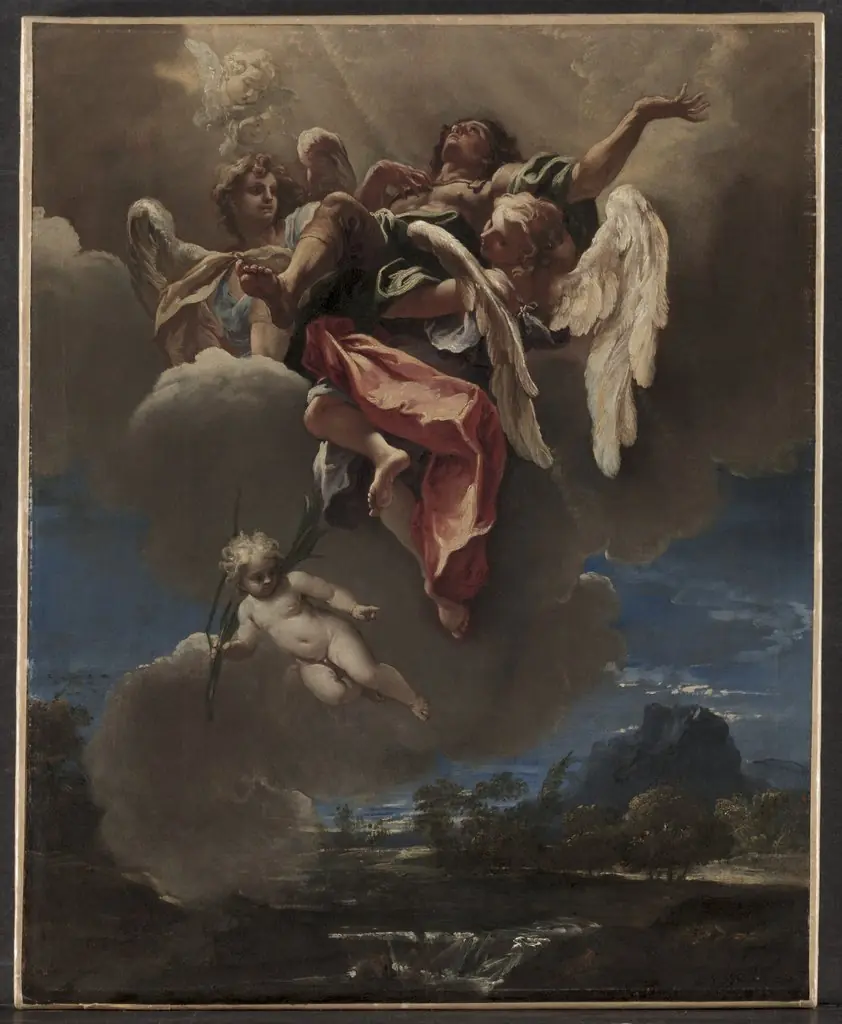 Study for "An Apotheosis of a Saint" (for San Bernardino dei Morti, Milan)
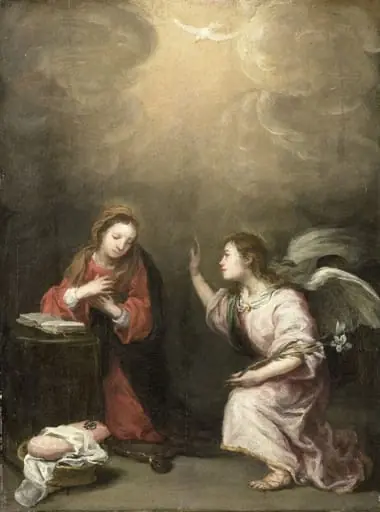 The Annunciation
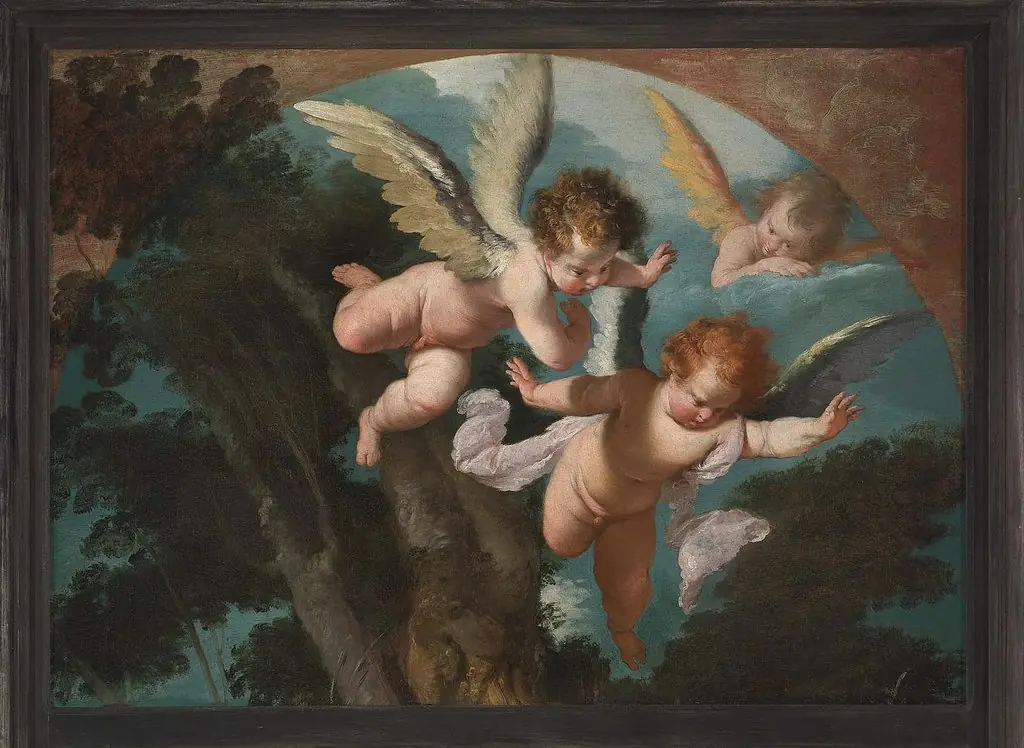 Three Angels