Artwork
Ecce Homo
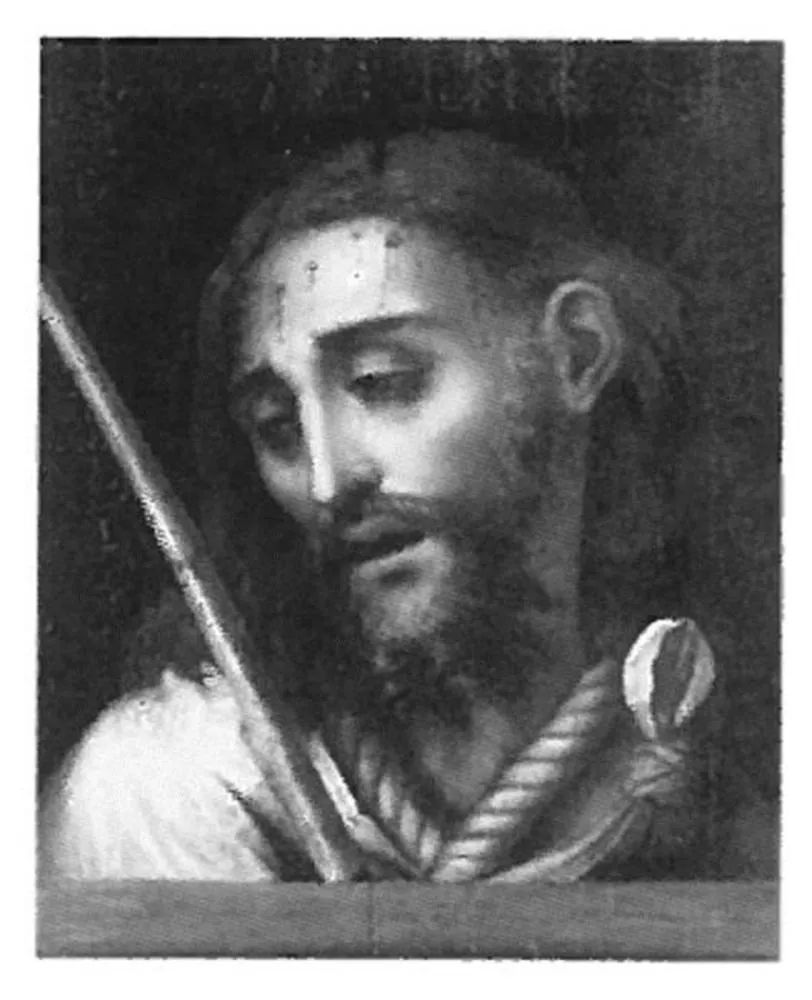
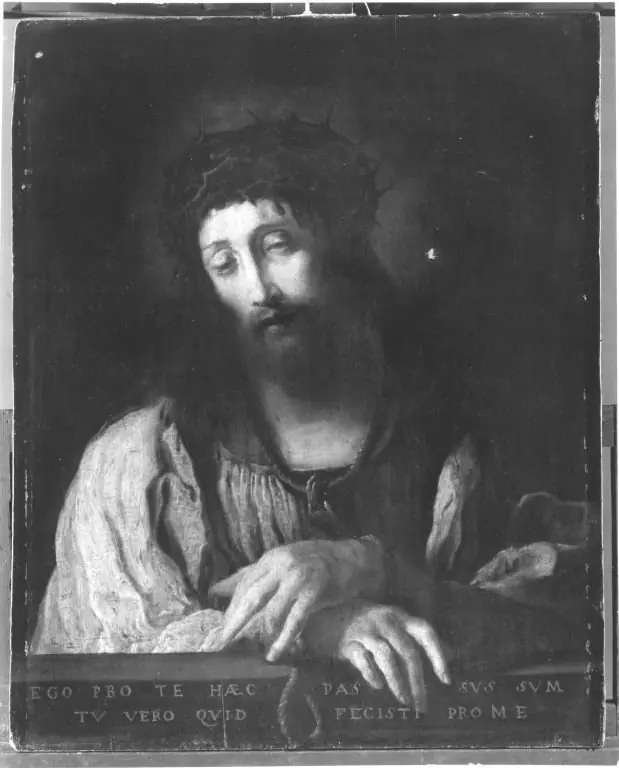
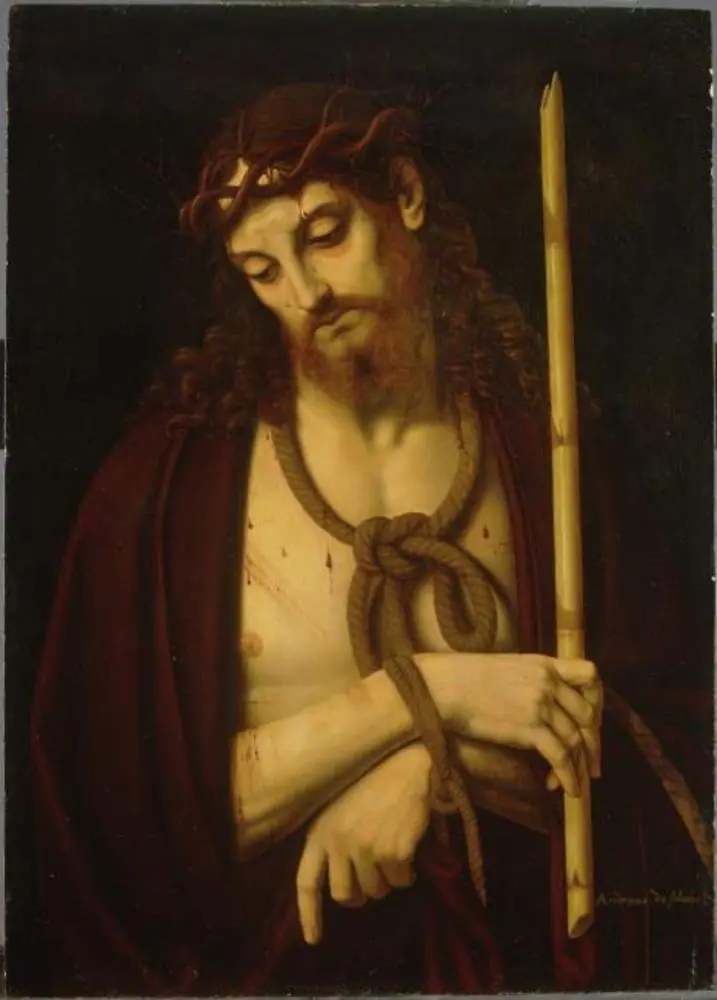
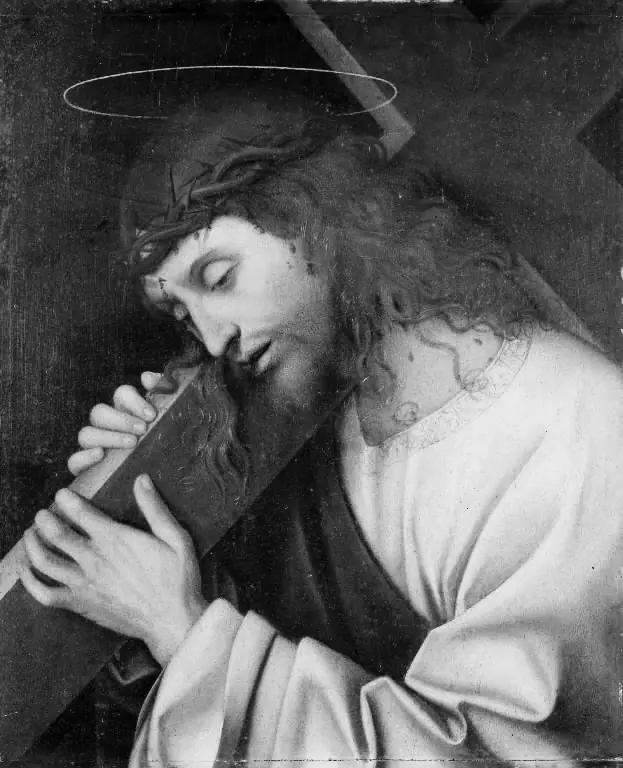
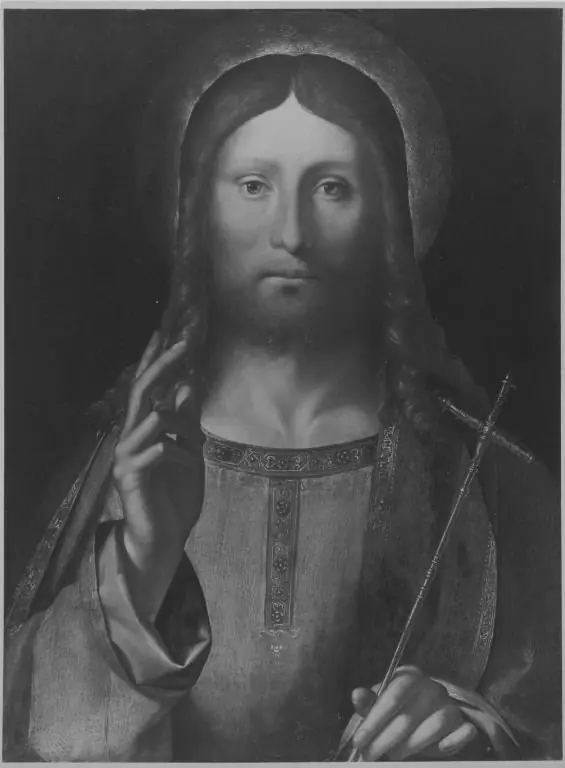
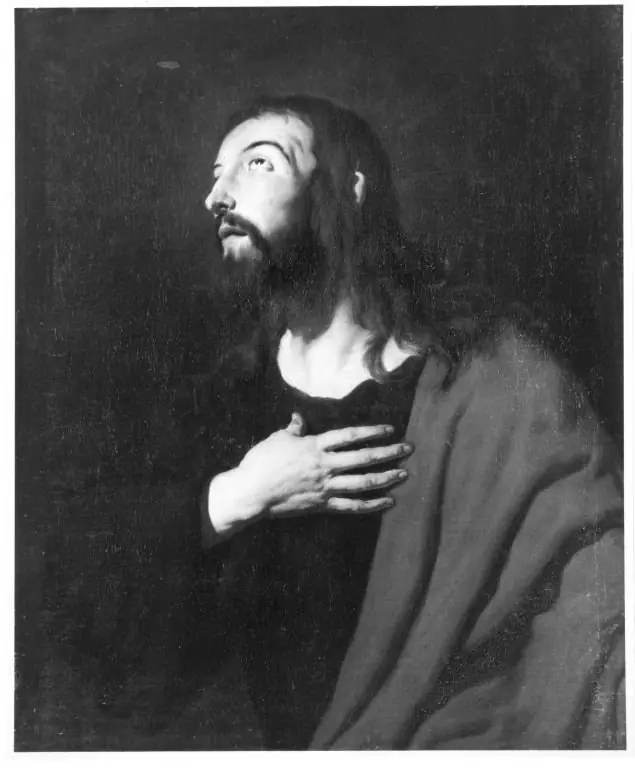
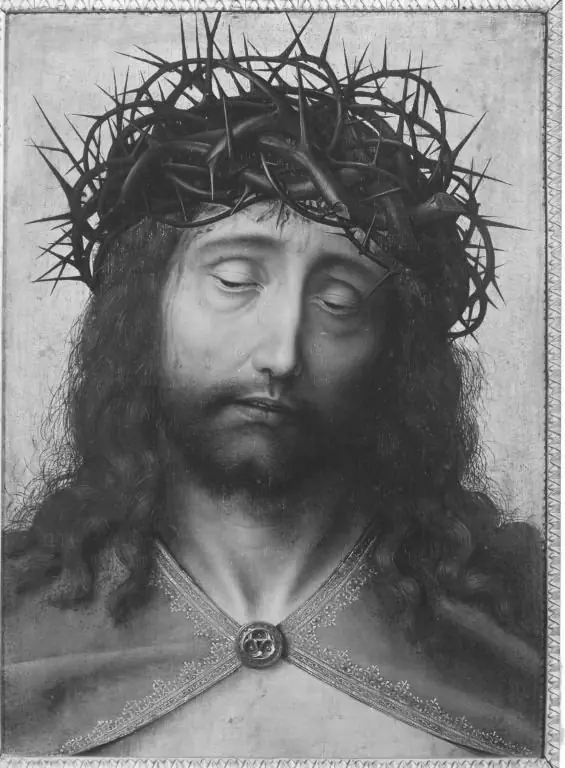
Ecce Homo is an oil painting by the Mannerist artist Luis de Morales. It dates from 1547 and is held in the collection of the Staatliche Kunstsammlungen Dresden.
About this work
Overview
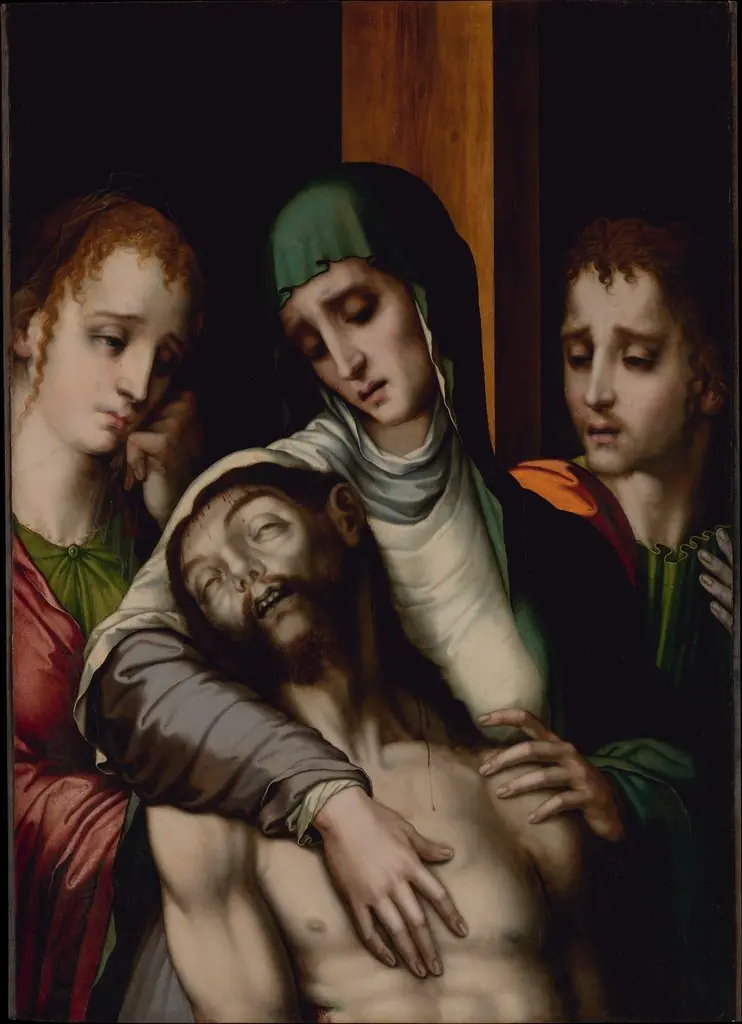
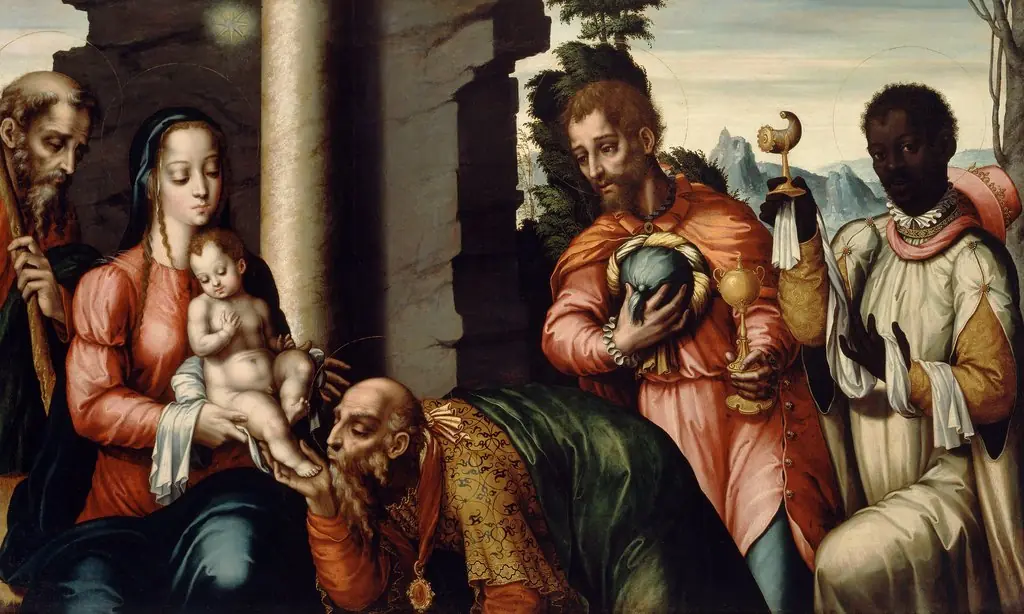
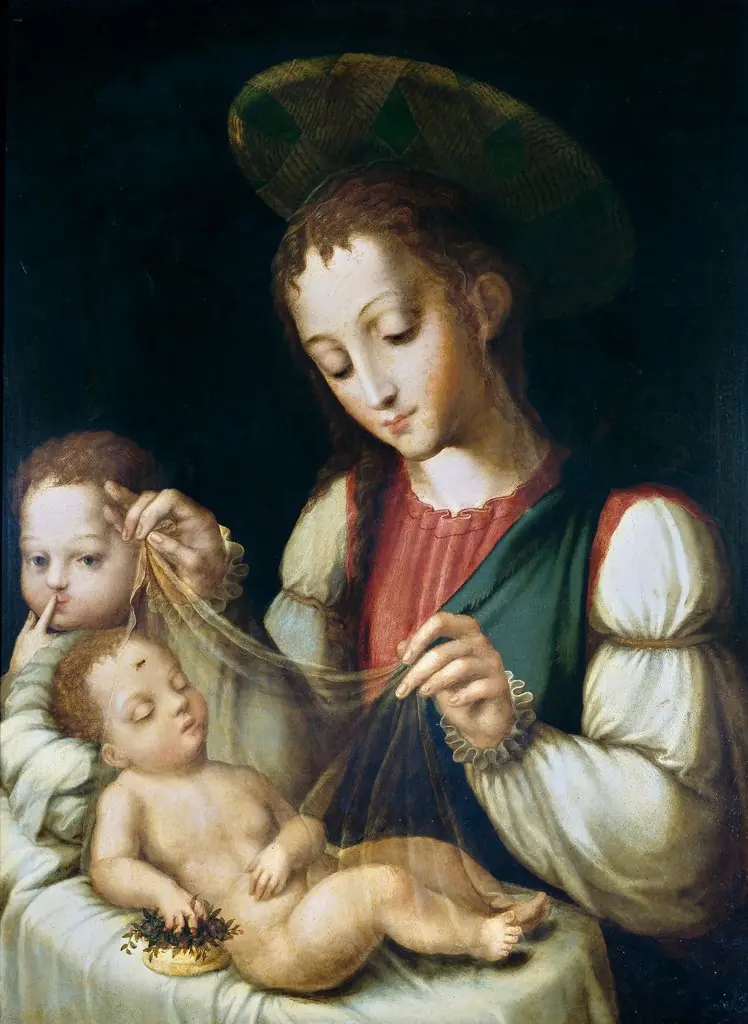
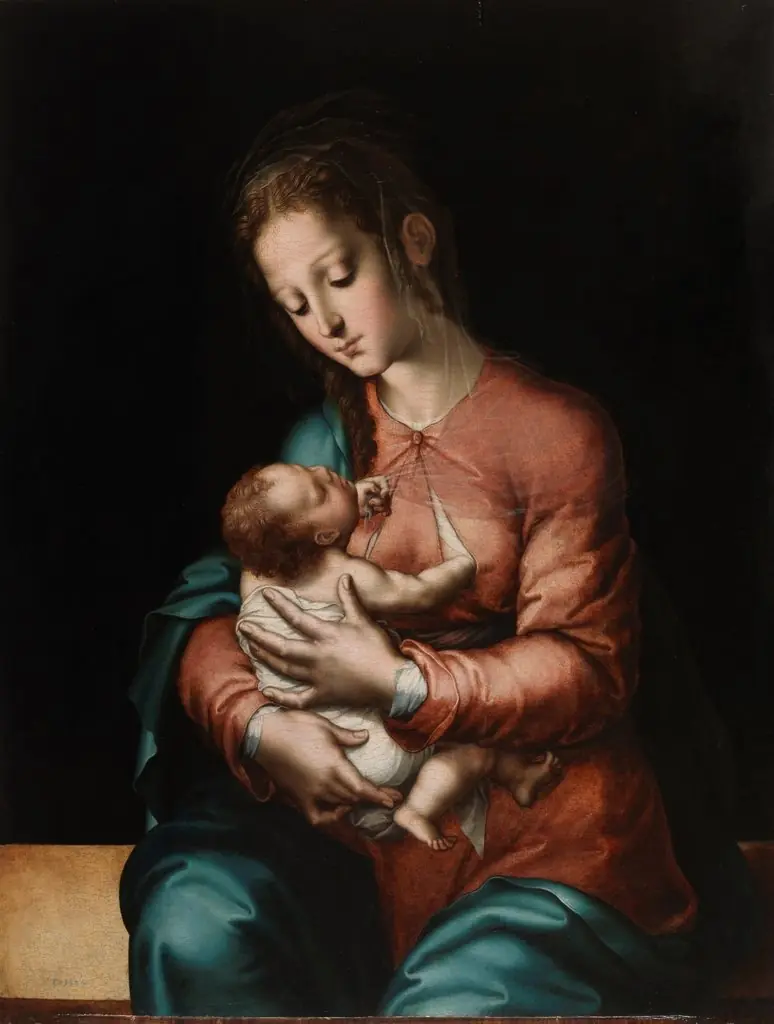
Luis de Morales painted *Ecce Homo* in 1547 with oil on canvas. The work belongs to the Spanish mannerist tradition and is part of the Gemäldegalerie Alte Meister collection. It presents a solitary figure of Christ, rendered with a stark contrast between a dark background and illuminated clothing.
Subject & Meaning
The composition shows Jesus wearing a white robe, his long hair and beard framing a downcast, sorrowful face. A thin staff rests in his right hand while a thick, twisted rope encircles his neck, alluding to the moment when Pontius Pilate presented him to the crowd, emphasizing themes of suffering and contemplation.
Technique & Style
Morales employs a realistic modelling of flesh and fabric, a hallmark of his approach, while the chiaroscuro lighting heightens the spiritual intensity. The influence of Raphael’s compositional balance and Leonardo’s Lombard naturalism can be seen in the delicate handling of light and the anatomical precision of the figure.
History & Provenance
Created during the height of Morales’s career, the painting reflects his reputation as “El Divino,” a moniker earned for his numerous Passion scenes. After remaining in private Spanish collections for centuries, it entered the Gemäldegalerie Alte Meister, where it is displayed among other 16th‑century European works.
Context
*Ecce Homo* belongs to a broader iconographic tradition that visualized Christ’s presentation to the public. In mid‑16th‑century Spain, such images served devotional purposes, reinforcing Counter‑Reformation ideals of piety and personal reflection through vivid, emotionally resonant portrayals.
Artist & collection
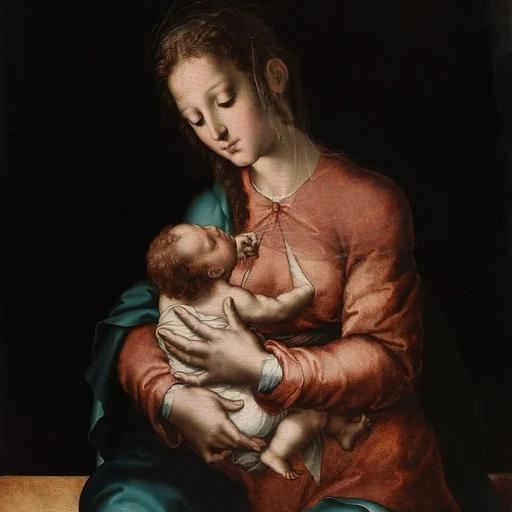
Artist
Luis de Morales (1509 – 9 May 1586) was a Spanish painter active during the Spanish Renaissance in the 16th century.