Artwork
Ecce homo
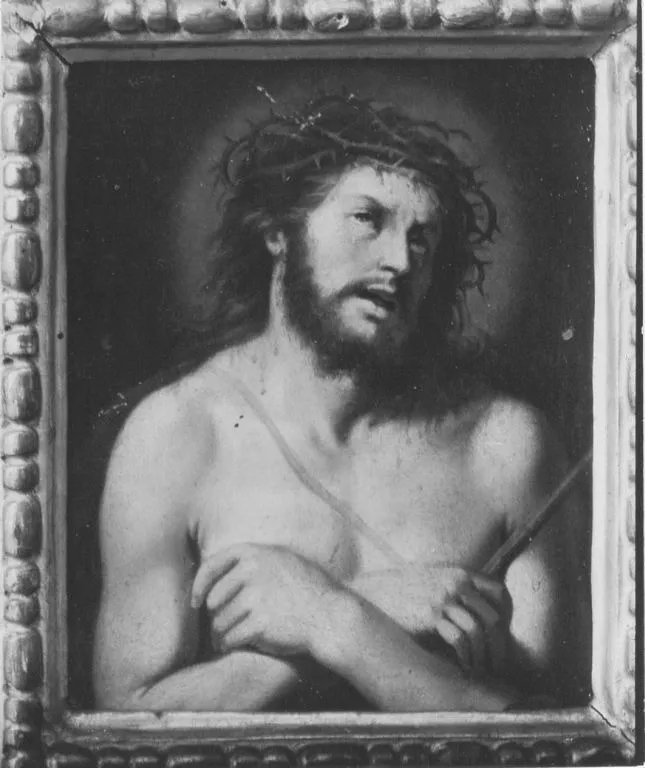
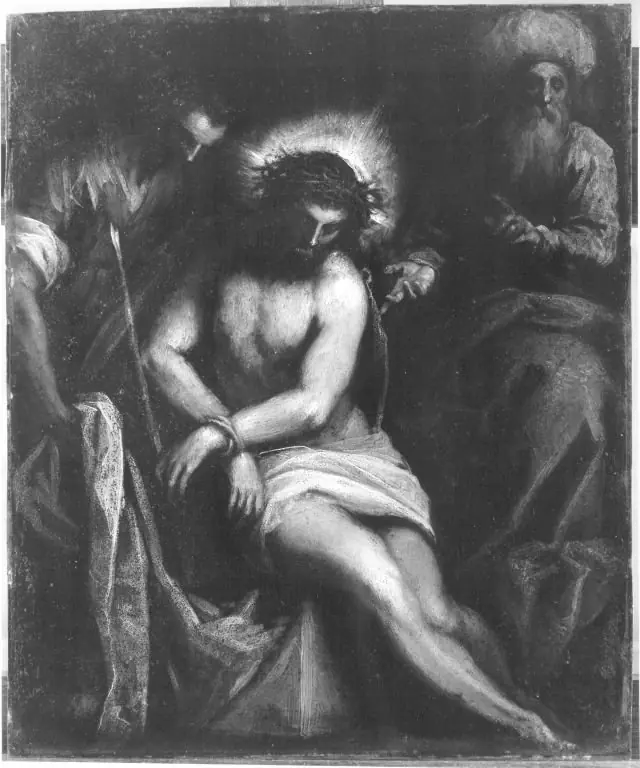
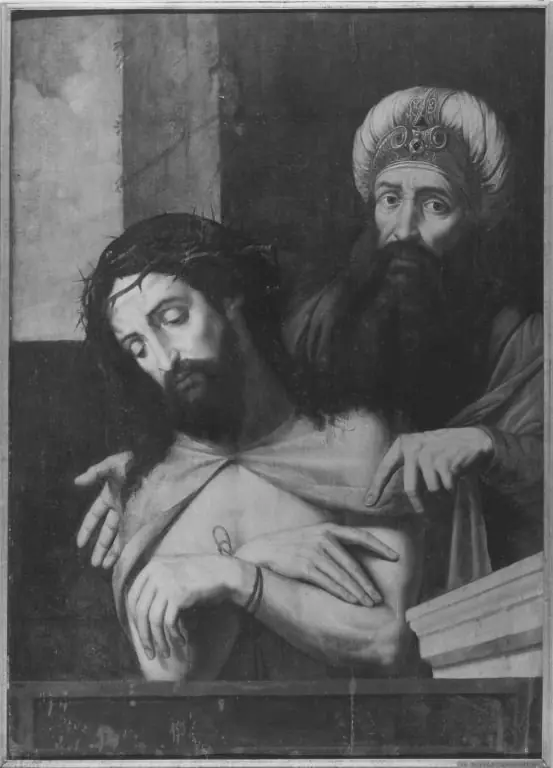
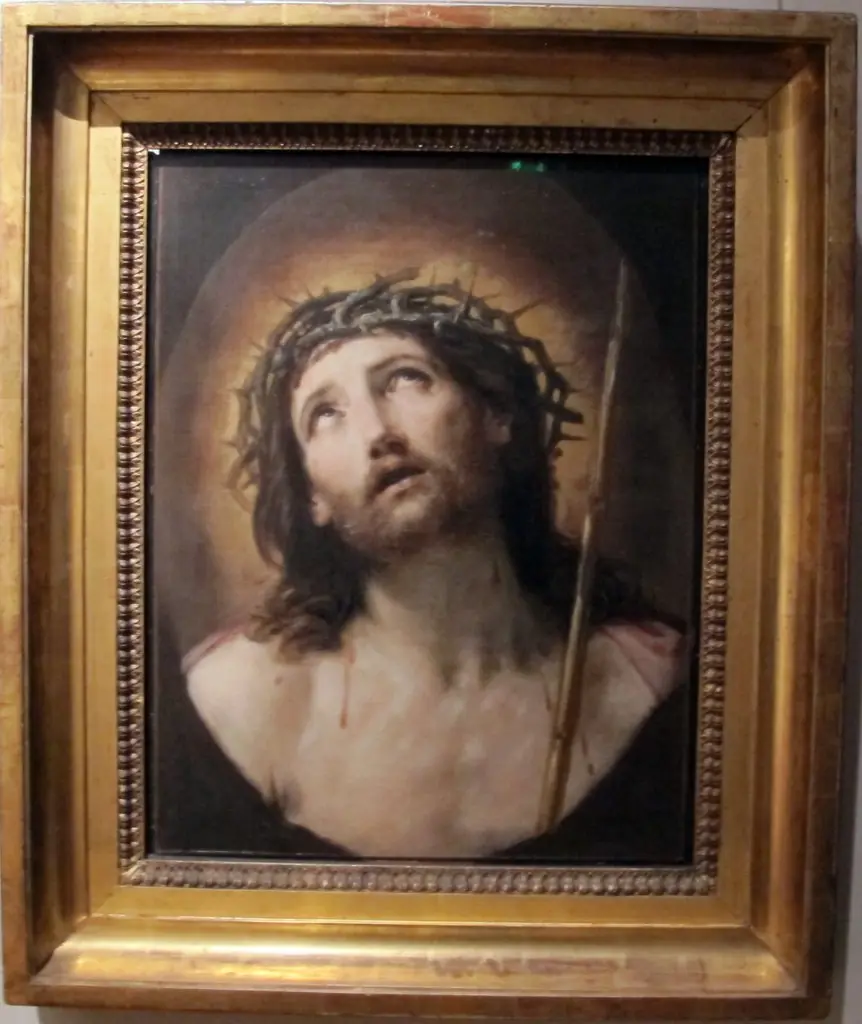
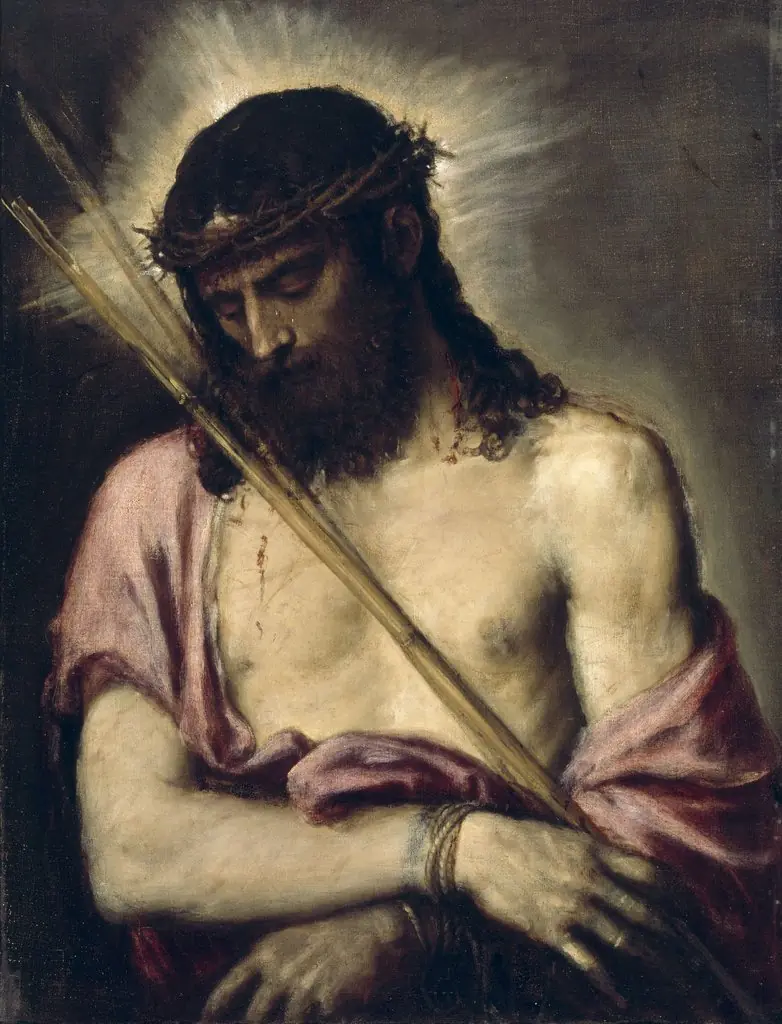
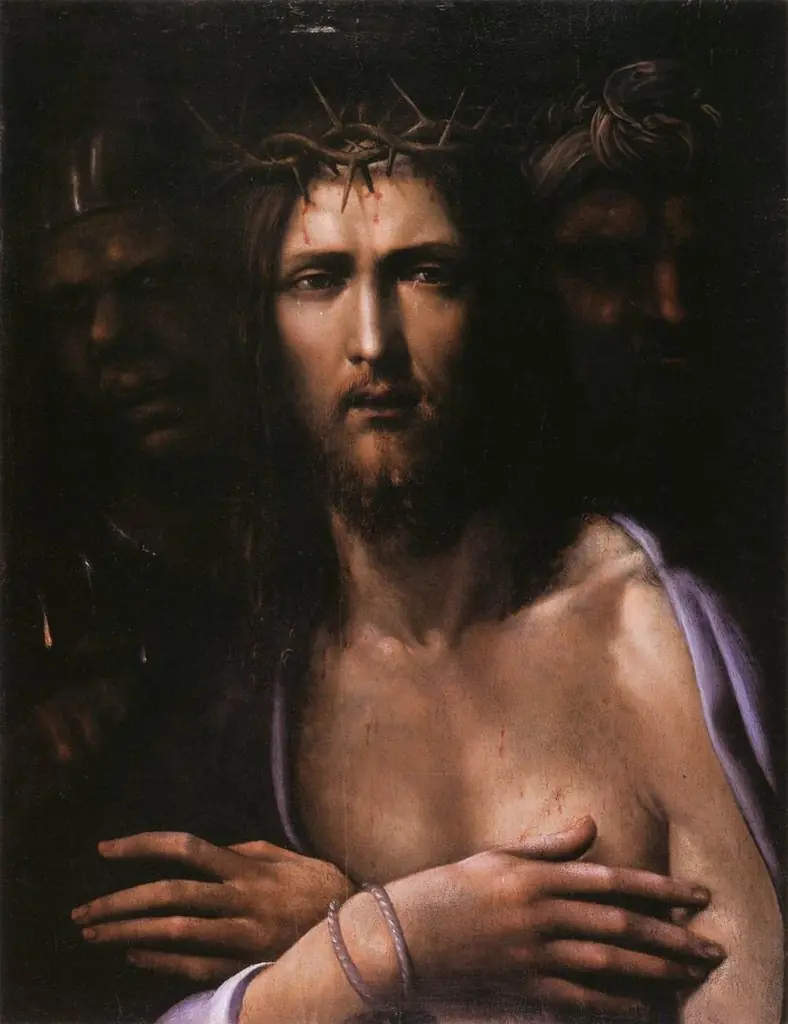
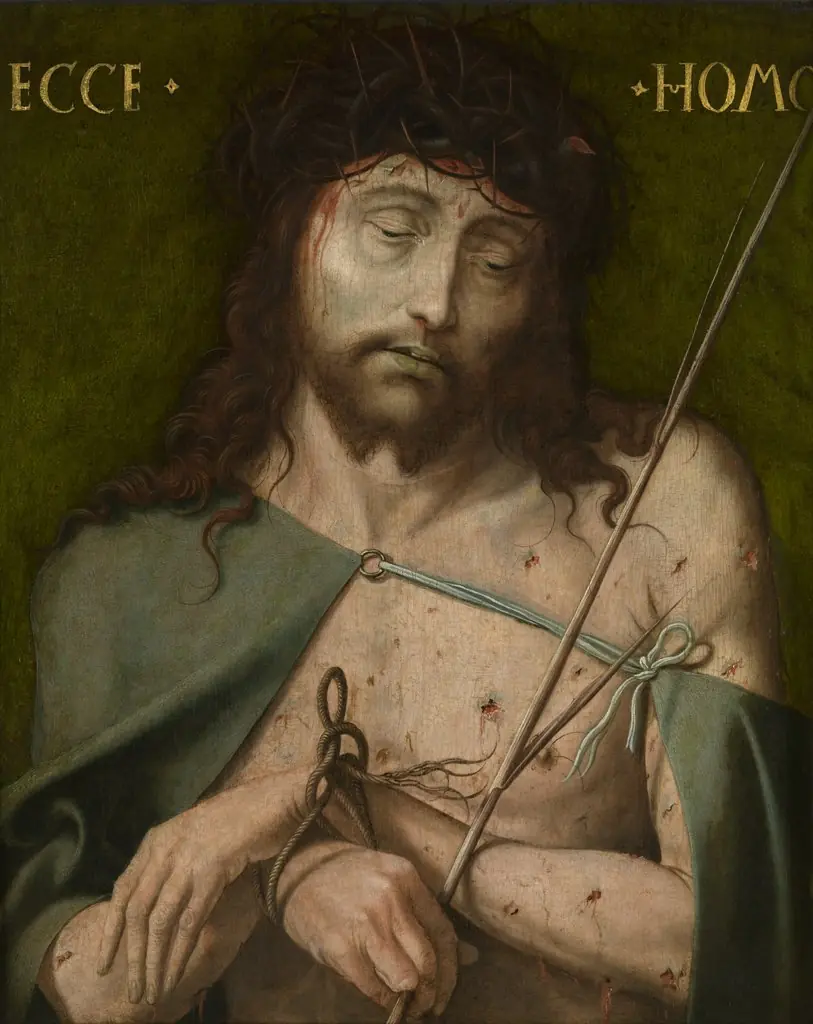
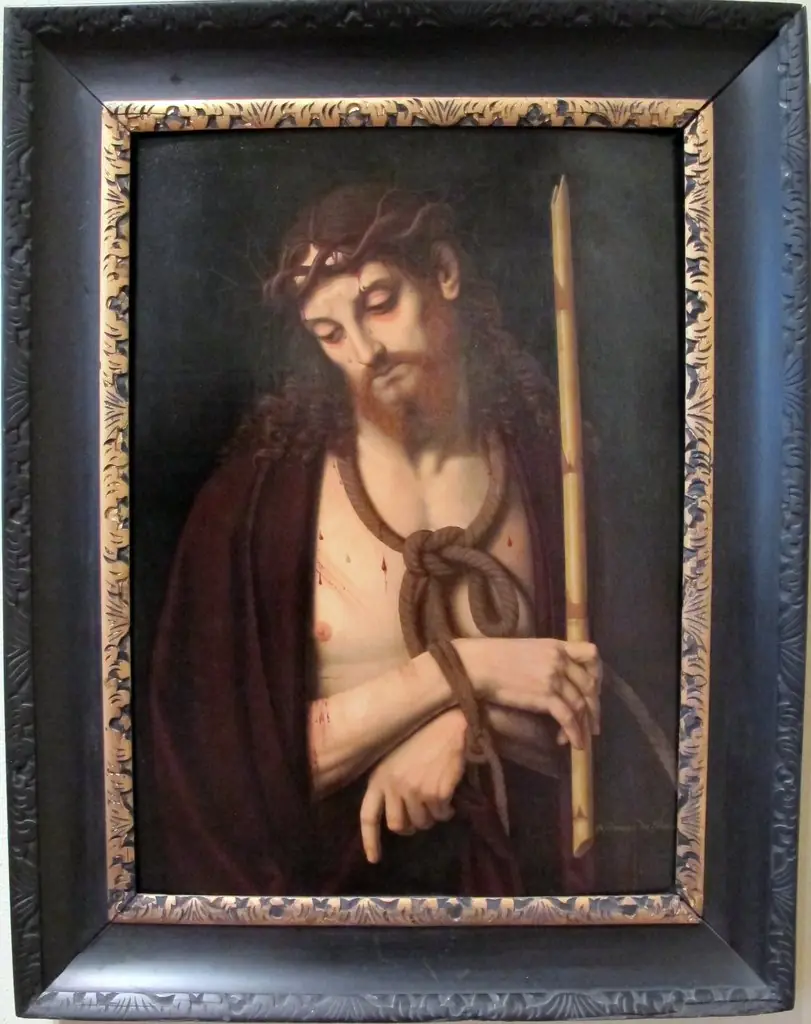
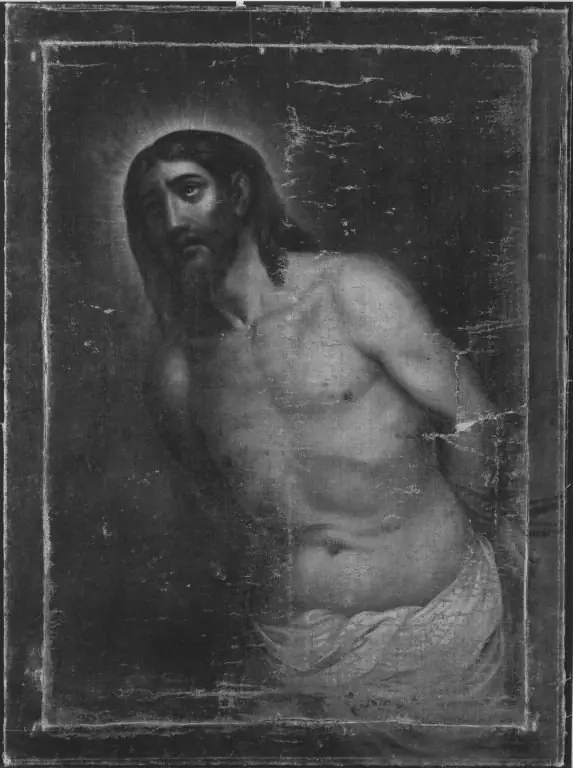
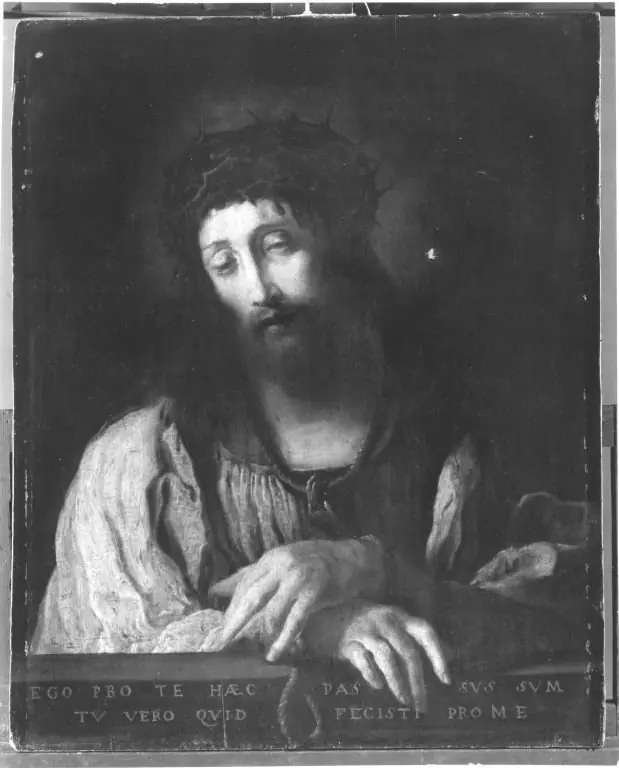
Ecce homo is an oil painting by the Early Baroque Italian artist Cornelius van Poelenburgh. It dates from 1630 and is held in the collection of the Bavarian State Painting Collections.
About this work
Overview
Cornelius van Poelenburgh’s *Ecce Homo*, executed around 1630, is a modestly sized copper painting that presents a solitary figure of Christ.
Cornelius van Poelenburgh’s *Ecce Homo*, executed around 1630, is a modestly sized copper painting that presents a solitary figure of Christ. The work belongs to the religious genre and is part of the Alte Pinakothek’s collection. Its compact format and careful handling of light place the image within the early Baroque period, reflecting the artist’s synthesis of Dutch training and Italian influences.
Subject & Meaning
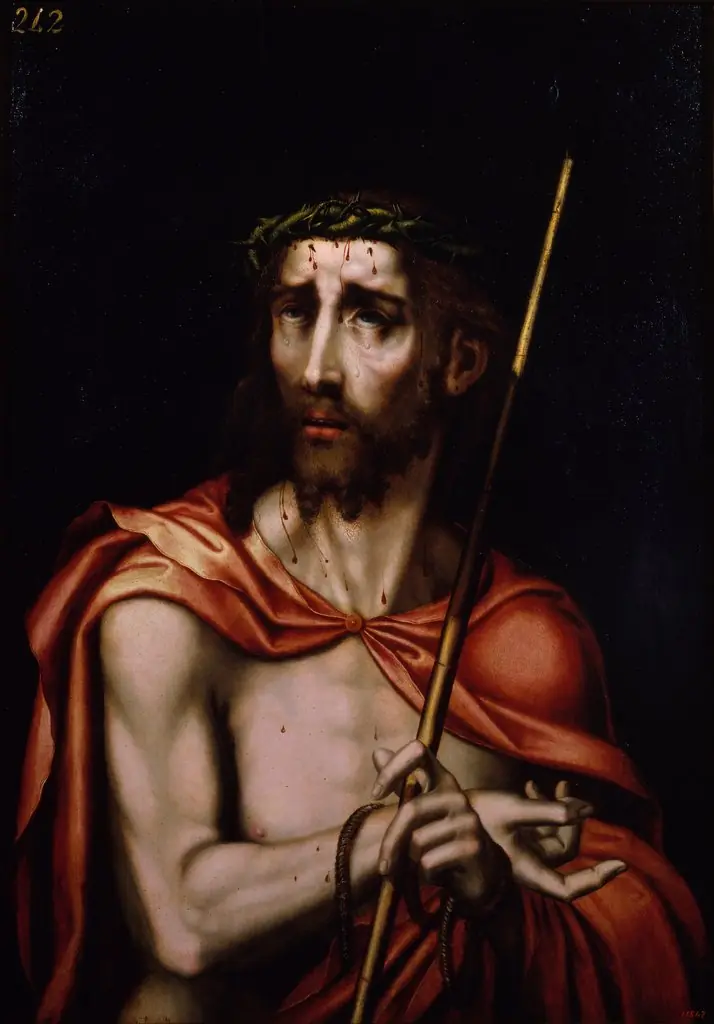
The composition centers on a bearded, long‑haired man crowned with thorns, his torso exposed and a reed‑like staff in his hand. The crown, a traditional emblem of Christ’s Passion, identifies the figure as Jesus in the moment of mockery. The stark, downward gaze and the somber backdrop emphasize his suffering and invite contemplation of the biblical narrative.
Technique & Style
Poelenburgh employed copper as his support, a choice that allowed for fine detail and a luminous surface. Through pronounced chiaroscuro, the artist models the face with deep shadows and bright highlights, creating a three‑dimensional effect. Although the background remains dark, the figure is rendered with the delicate brushwork and idealized landscape sensibility typical of his Italianate approach.
History & Provenance
Created during Poelenburgh’s Roman period, when he was among the foremost Dutch landscape painters working in Italy, the painting later entered the collection of the Alte Pinakothek in Munich. Its provenance traces back to early 17th‑century patronage, though specific ownership records before its museum acquisition remain limited.
Context
In the early 1600s, Dutch artists in Rome often merged northern realism with the classical ambience of Italian scenery. Poelenburgh’s *Ecce Homo* exemplifies this hybrid, placing a biblical subject within a setting that hints at an idealized landscape, a hallmark of his oeuvre. The work reflects broader Baroque interests in drama, emotional intensity, and the interplay of light and shadow.
Artist & collection
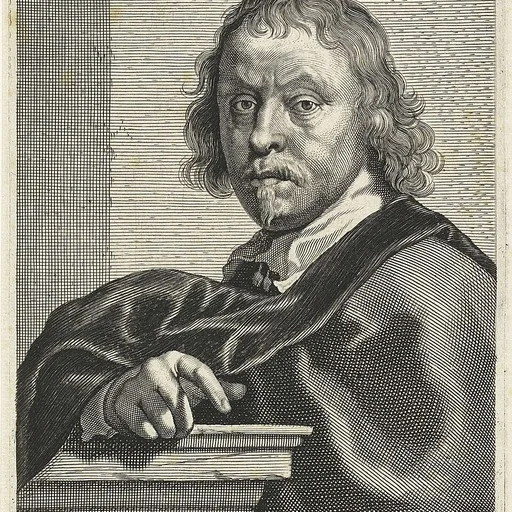
Artist
Cornelis van Poelenburgh or Cornelis van Poelenburch (1594 – 12 August 1667), was a Dutch landscape painter and draughtsman.