Artwork
Head of Christ
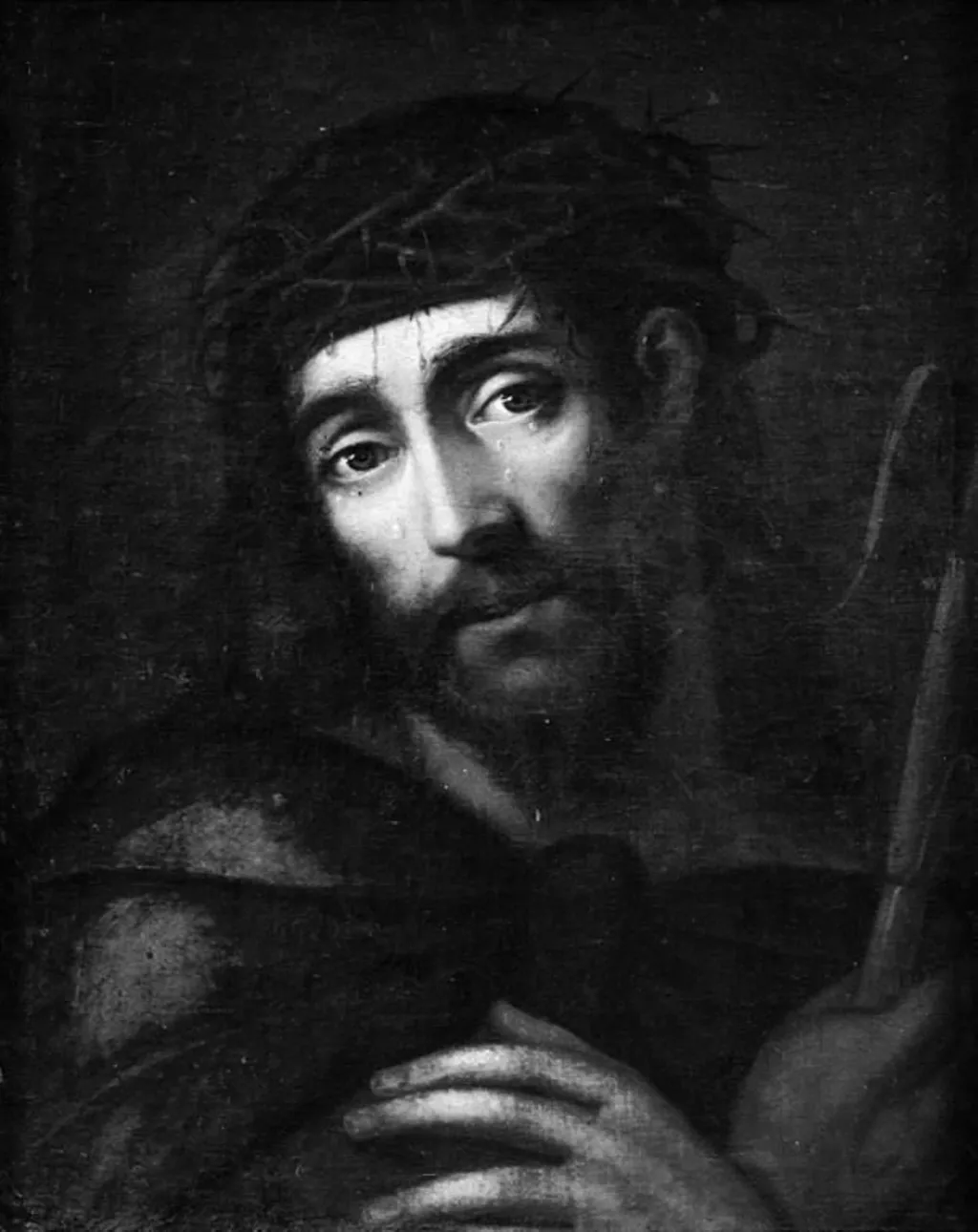
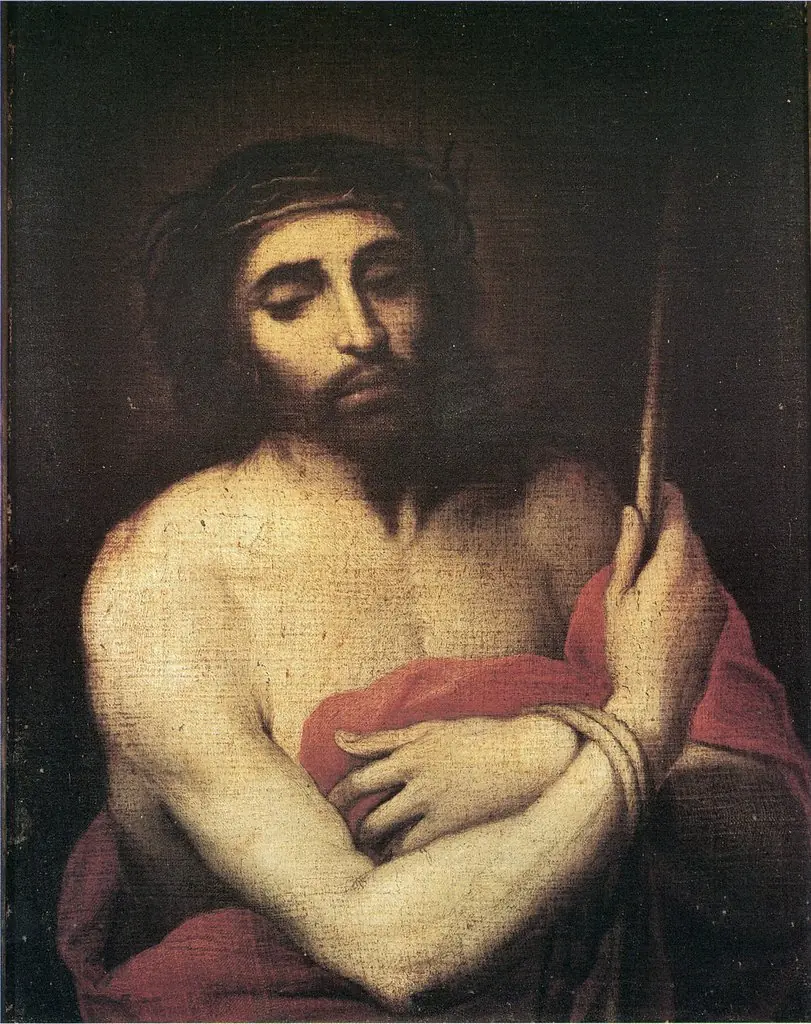
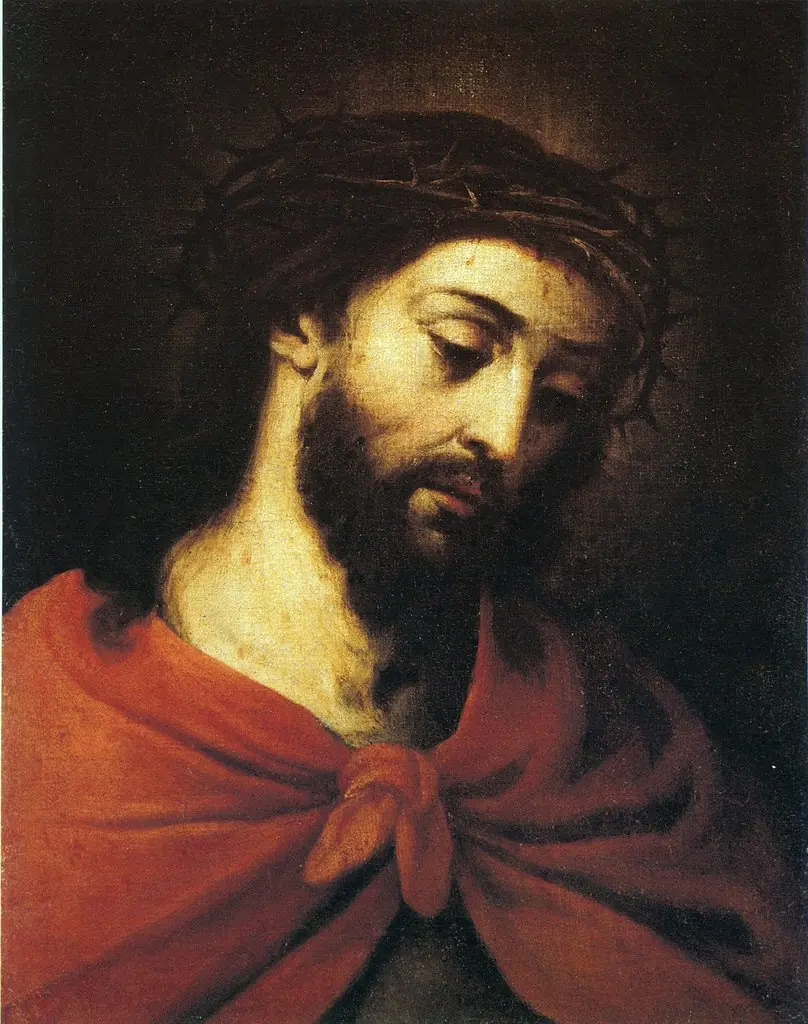
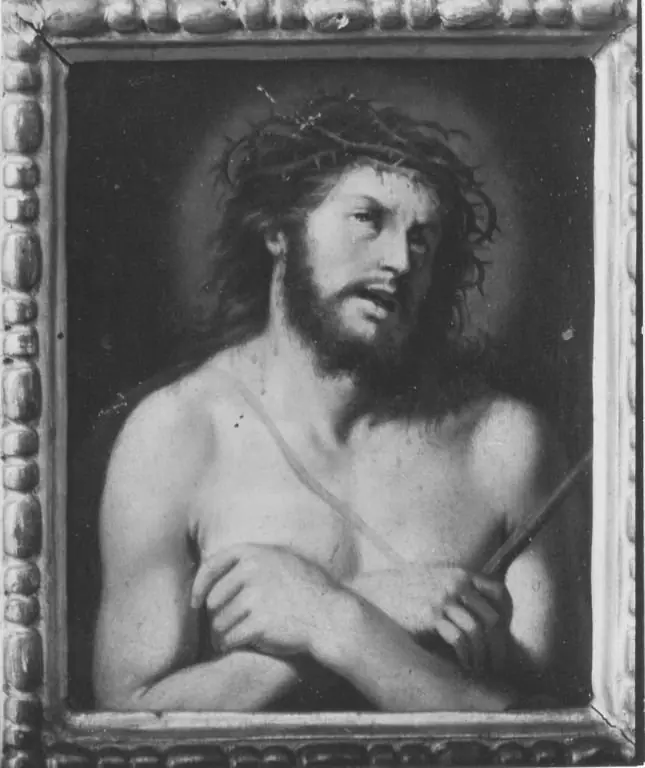
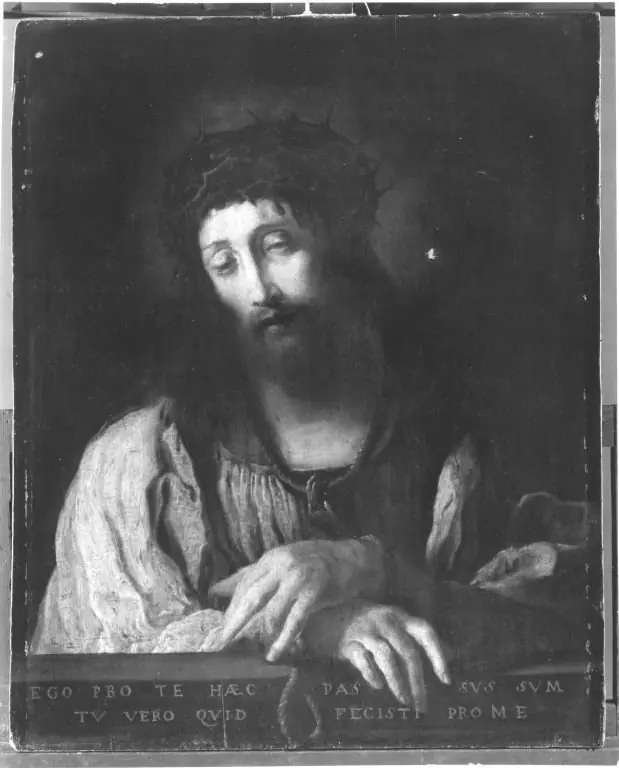
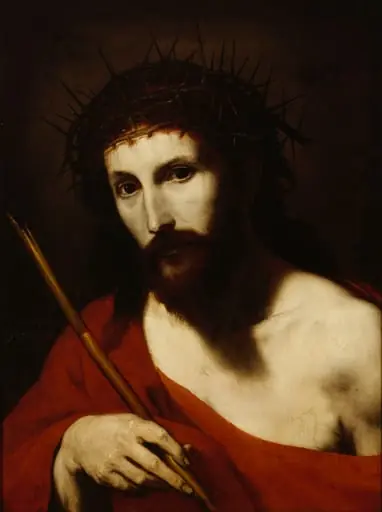
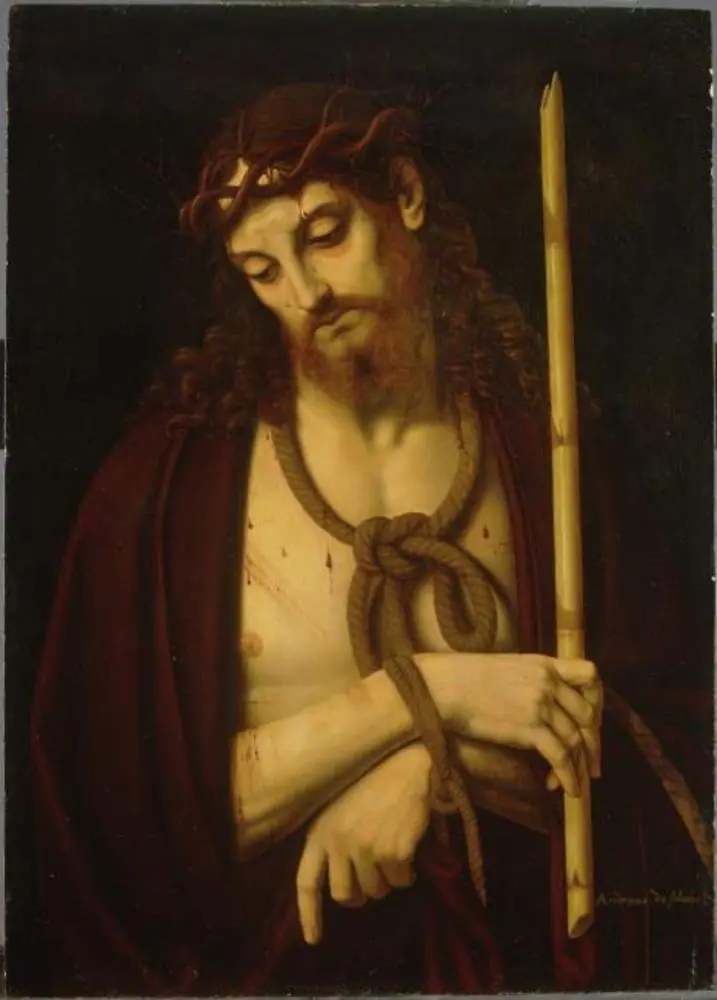
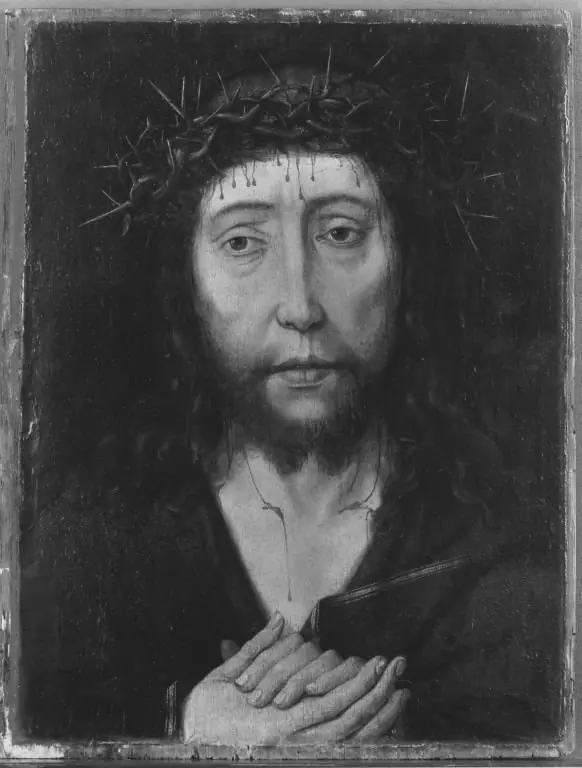
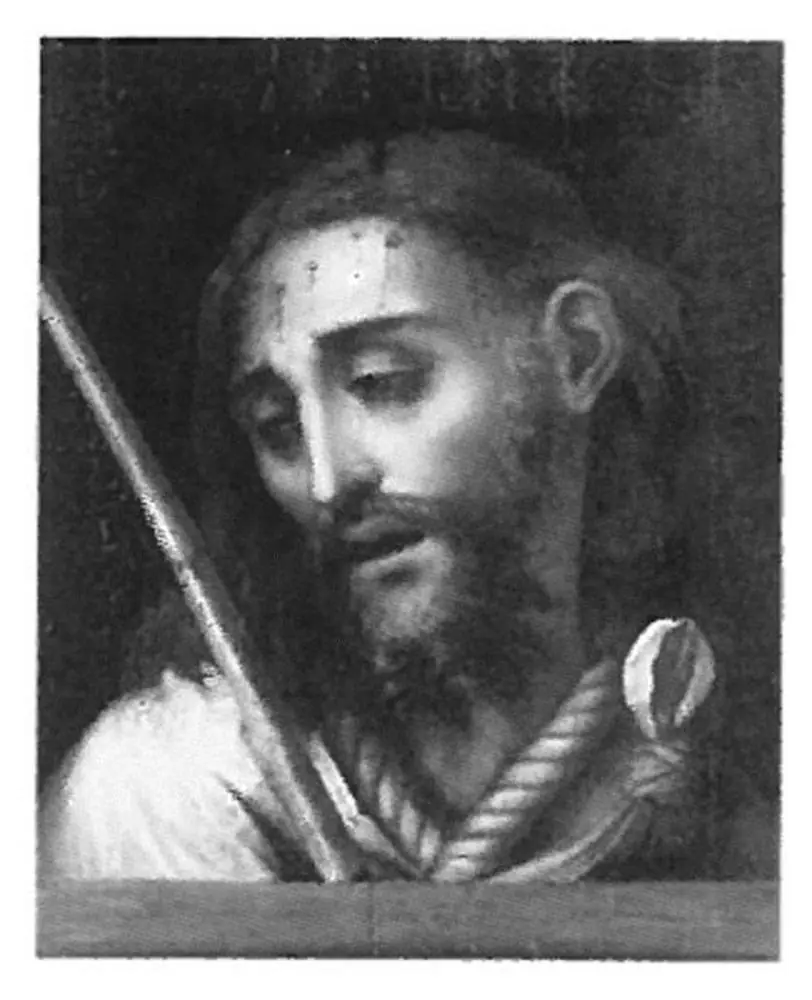
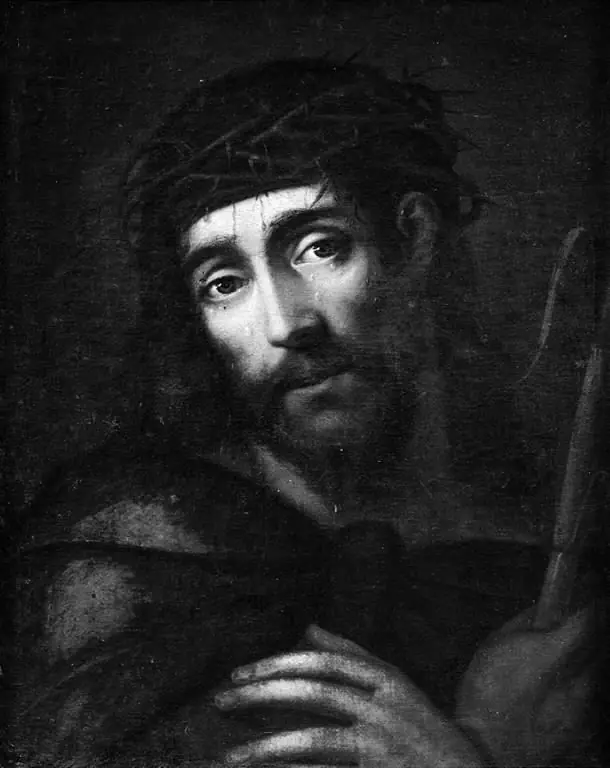
Head of Christ is a photography by Unknown. It dates from 1639 and is held in the collection of the Statens Museum for Kunst. This black-and-white image depicts a close-up portrait of Christ, likely derived from a painted original dated around 1639.
About this work
Overview
This black-and-white image depicts a close-up portrait of Christ, likely derived from a painted original dated around 1639. The composition isolates the head and upper torso, rendered with high contrast between light and shadow. Though presented as a photograph, it is a reproduction of a painted work, emphasizing the sculptural quality of the face against a void-like background.
Subject & Meaning
The portrait presents Christ with weary, open eyes and a closely cropped beard and long hair, conveying a sense of human exhaustion rather than divine grandeur. Hands resting beneath the chin suggest contemplation or suffering. The image invites quiet reflection, aligning with devotional traditions that emphasize Christ’s humanity during his earthly trials.
Technique & Style
The absence of color and the sharp delineation of form suggest the source is a Baroque-era painting, possibly influenced by Caravaggisti techniques.
The face is modeled using strong chiaroscuro, with abrupt transitions between illuminated areas and deep shadows. This dramatic lighting enhances the three-dimensionality of the features and focuses attention on the emotional gravity of the expression. The absence of color and the sharp delineation of form suggest the source is a Baroque-era painting, possibly influenced by Caravaggisti techniques.
History & Provenance
The image is held in the collection of the Museum of Ethnography, indicating its use or interpretation within anthropological or cross-cultural religious studies. Its origin as a reproduction of a 17th-century painting implies it was likely collected as an artifact of devotional art, rather than as a fine art object in the traditional Western canon.
Context
Created in the early 17th century, the original painting would have emerged during a period when religious imagery in Europe increasingly emphasized emotional realism and personal piety. The focus on Christ’s physical vulnerability reflects broader trends in Counter-Reformation art, where the human experience of the divine was central to spiritual engagement.
Legacy
As a photographic reproduction in an ethnographic collection, this image has been repurposed beyond its original liturgical context. It now functions as a visual document of how religious iconography was transmitted, collected, and reinterpreted across cultural and disciplinary boundaries in the modern era.
Artist & collection

 Domestic Scene
 Giacomo and Cardinal Marco, investing Andrea, Abbot of San Zeno, with his Benefice
 The Nymph of Fontainebleau
 Portrait of a Woman
 Madonna and Child with Saints in the Enclosed Garden
 Venus and Minerva
 Family Group of Four on Sofa
 Wall painting from Room H of the Villa of P. Fannius Synistor at Boscoreale