Artwork
Sleeping Girl
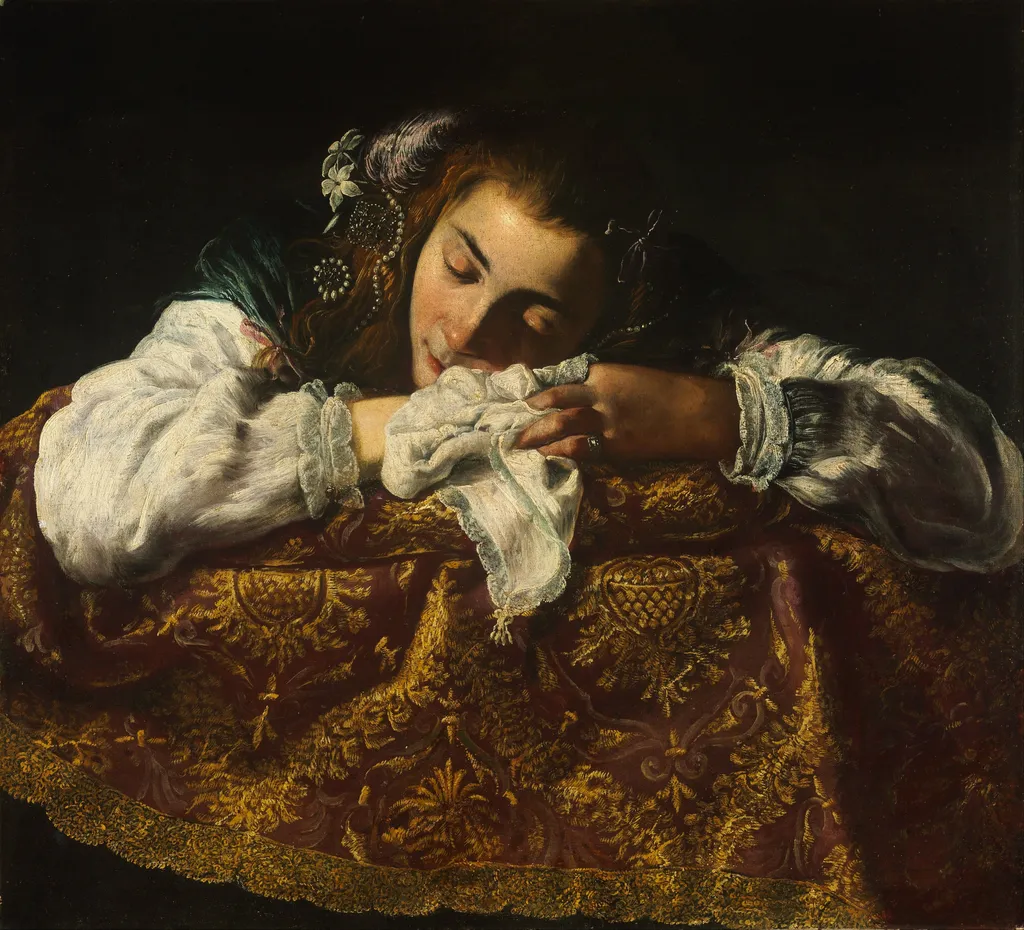
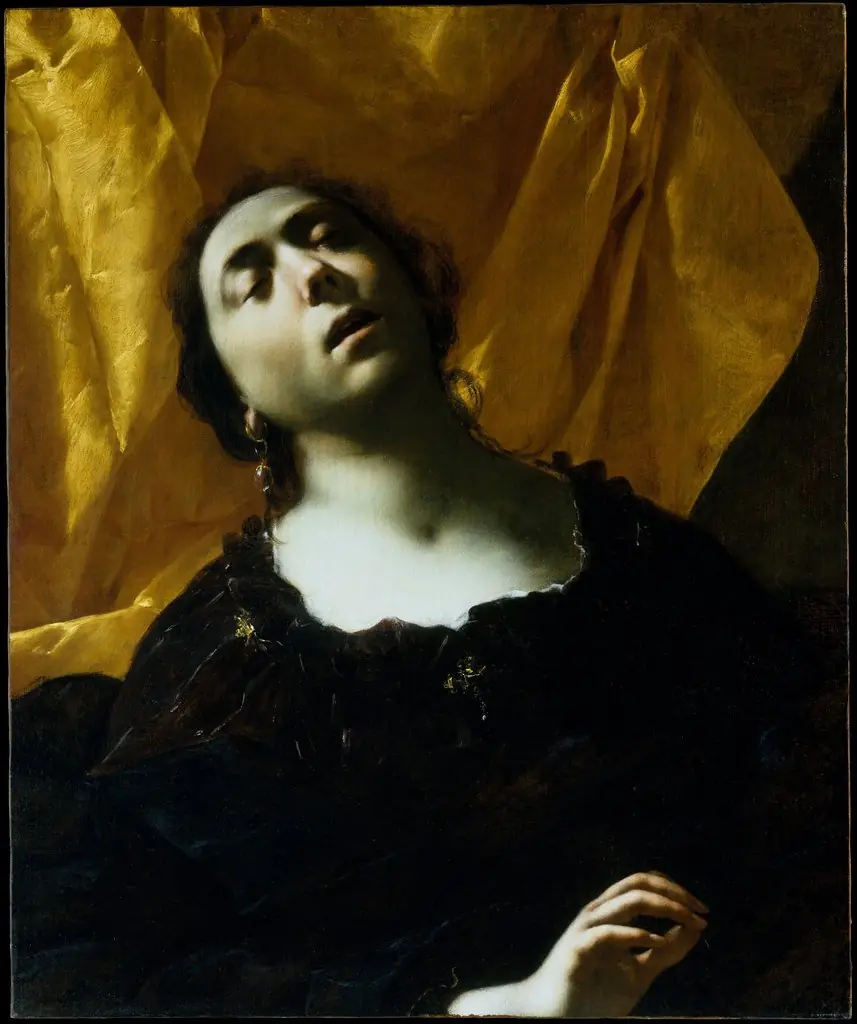
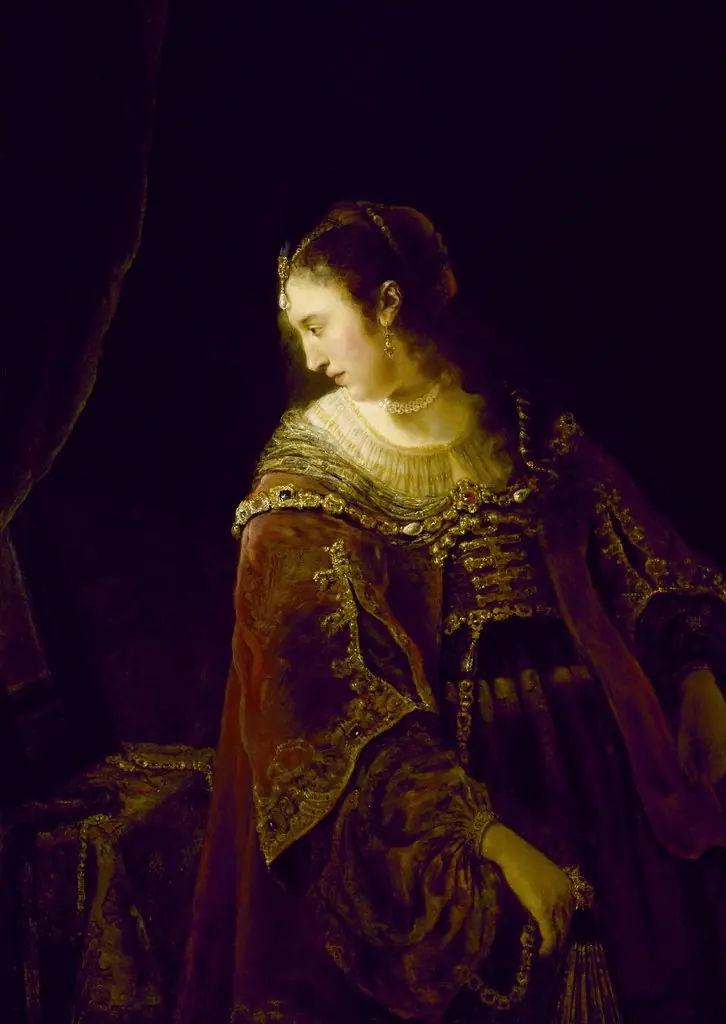
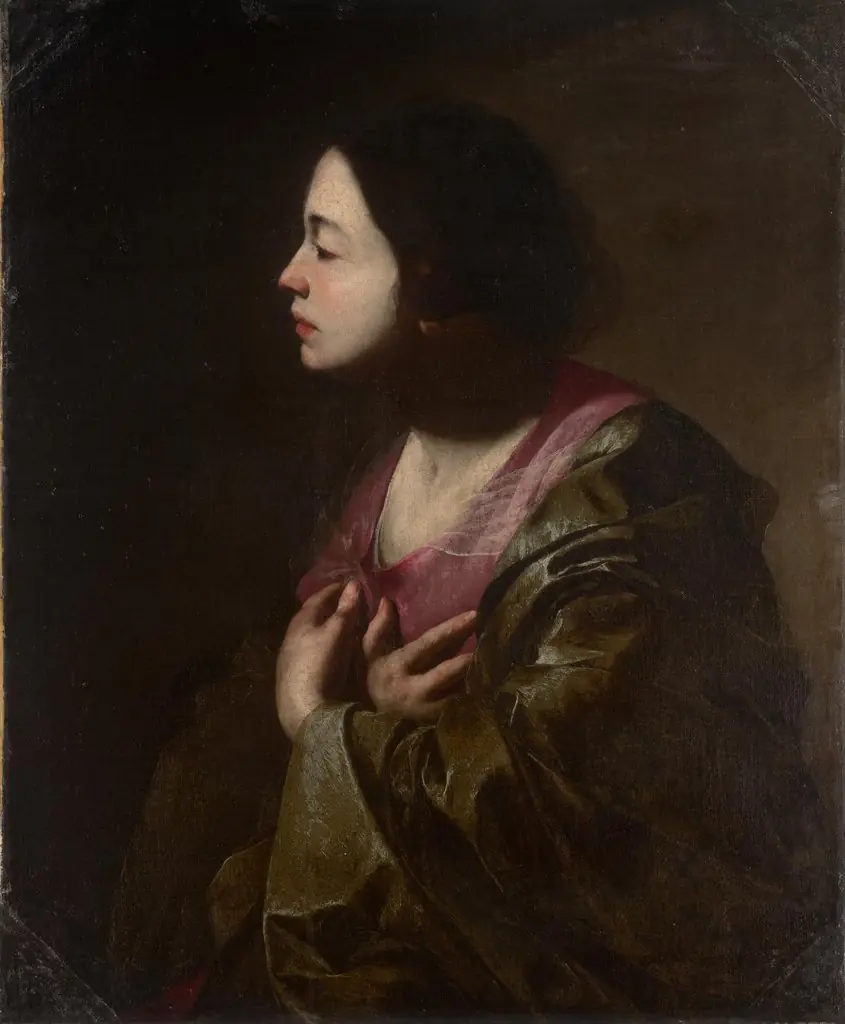
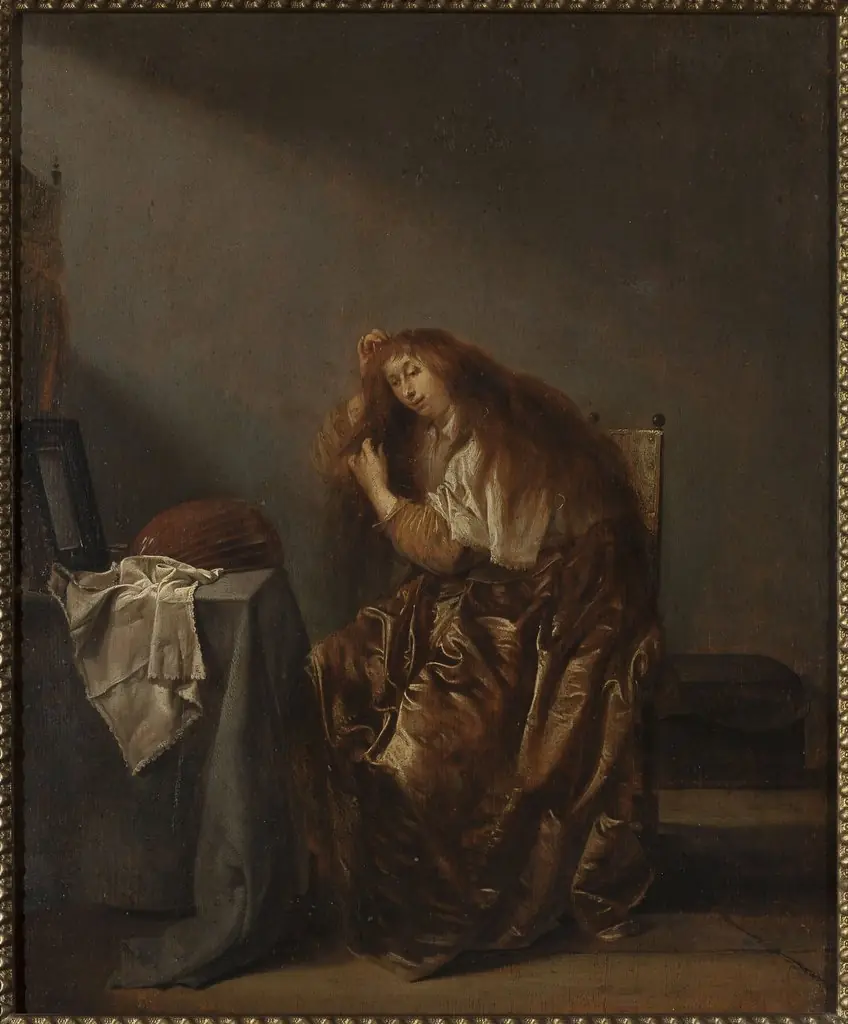
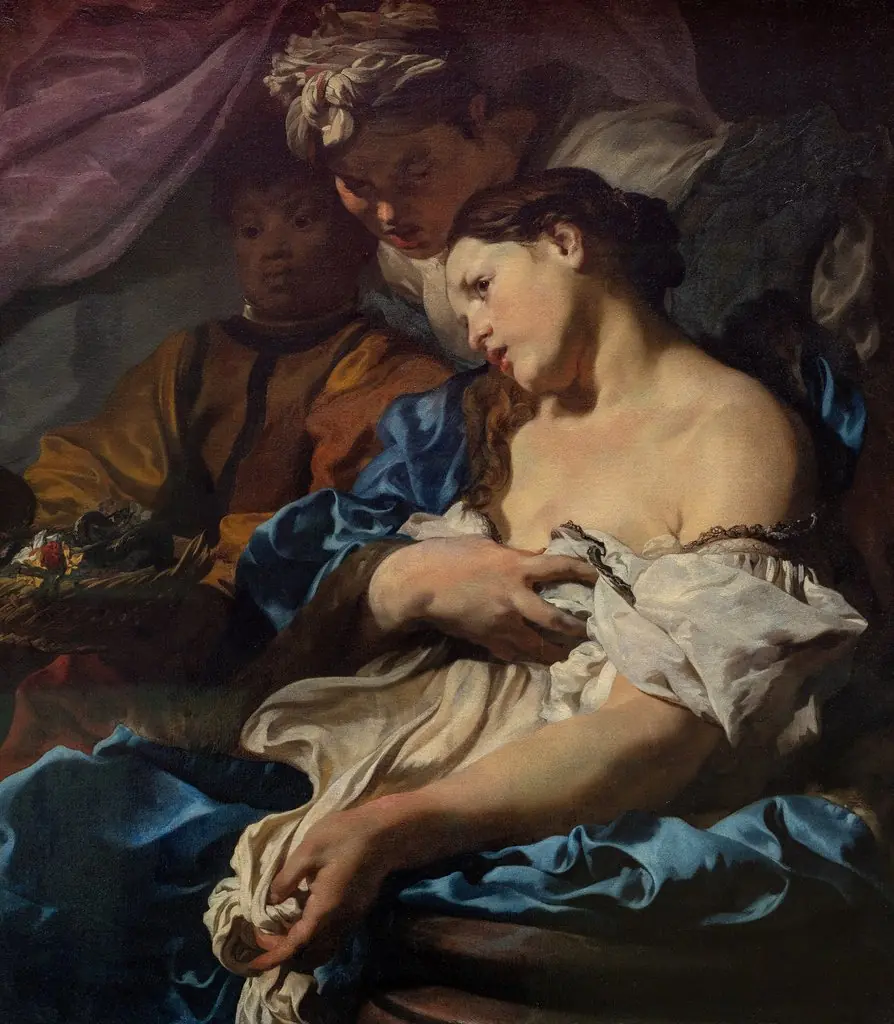
Sleeping Girl is an oil painting by the Early Baroque Italian artist Domenico Fetti. It dates from 1615 and is held in the collection of the Museum of Fine Arts, Budapest.
About this work
Overview
It resides in the Museum of Fine Arts, Budapest, with the inventory number 609, having entered the collection via the Esterházy family.
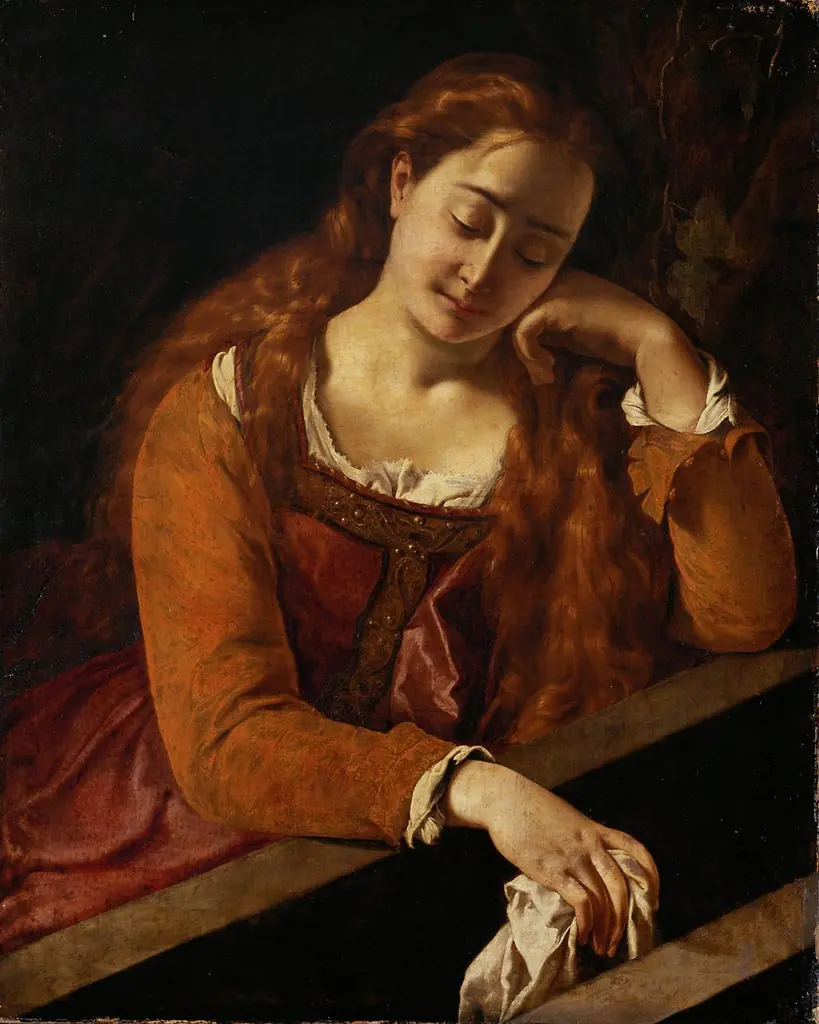
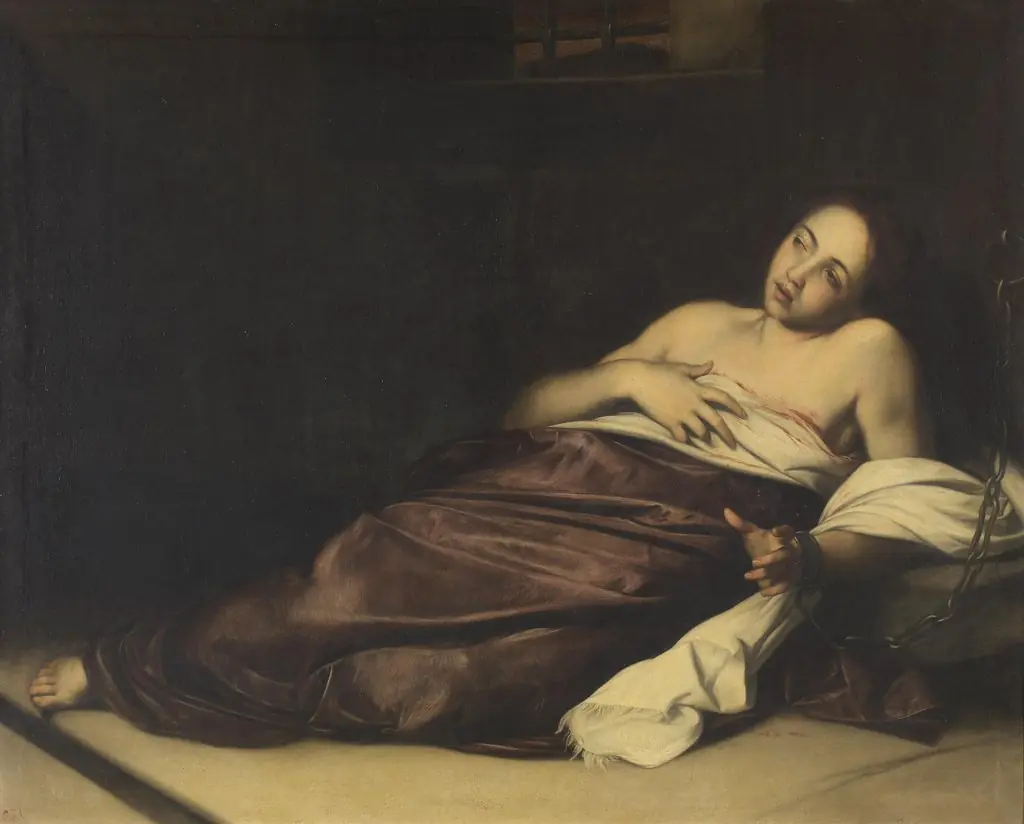
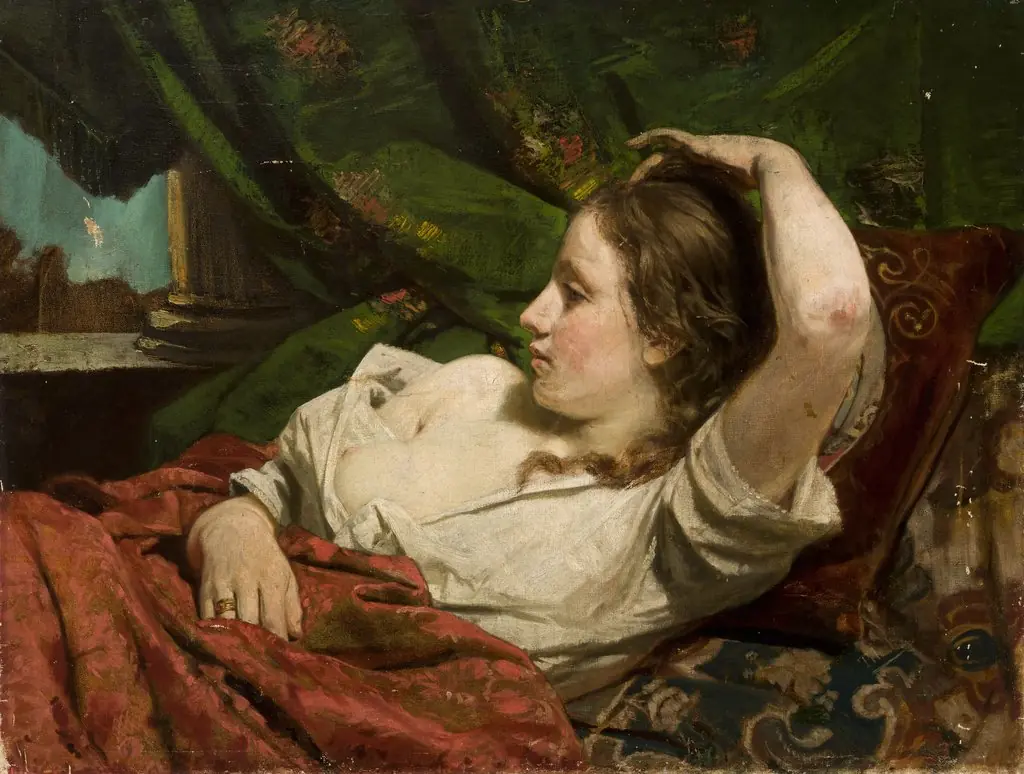
This oil painting, titled Sleeping Girl, depicts a young woman in repose, her head resting on a table. Executed in the early 17th century, the work is attributed to an anonymous artist working in Rome, possibly around 1620. Once linked to Theodoor van Loon or Domenico Fetti, current scholarship no longer assigns it to either. It resides in the Museum of Fine Arts, Budapest, with the inventory number 609, having entered the collection via the Esterházy family.
Subject & Meaning
The figure is portrayed in a moment of quiet stillness, her closed eyes and relaxed posture suggesting deep sleep. Dressed in a simple white gown with full sleeves, she is framed by a richly patterned red-and-gold textile draped across the table. The absence of narrative context or symbolic objects invites contemplation of solitude and vulnerability, common themes in intimate genre scenes of the period.
Technique & Style
The artist employed oil paint to achieve fine gradations of tone and texture, particularly in the soft rendering of skin and fabric. Chiaroscuro is used deliberately to model the figure against a deep, shadowed background, enhancing three-dimensionality and focusing attention on the sleeper. The smooth transitions between light and dark reflect an awareness of Caravaggesque conventions, though without dramatic intensity.
History & Provenance
The painting was part of the Esterházy family’s art collection before being acquired by the Museum of Fine Arts in Budapest. Its attribution has shifted over time, initially linked to Northern or Venetian painters active in Rome. Modern analysis has disassociated it from those names, leaving the artist unidentified. Its journey through private collections underscores its appeal to collectors of quiet, luminous genre scenes.
Context
Created during a period when Roman artists were absorbing Caravaggio’s innovations, the work aligns with a trend toward intimate, emotionally restrained depictions of everyday life. Unlike overtly religious or mythological subjects, this scene reflects a growing interest in private moments, often rendered with subtle lighting and restrained composition, characteristic of early Baroque genre painting in Italy.
Legacy
Though unsigned and unattributed to a major name, the painting endures as a quiet example of early 17th-century Roman genre art. Its preservation and display in a major public museum affirm its value as a study in light, form, and stillness. It contributes to broader understanding of how lesser-known artists adapted prevailing techniques to evoke emotional resonance without grandeur.
Own this work as a print
Artist & collection
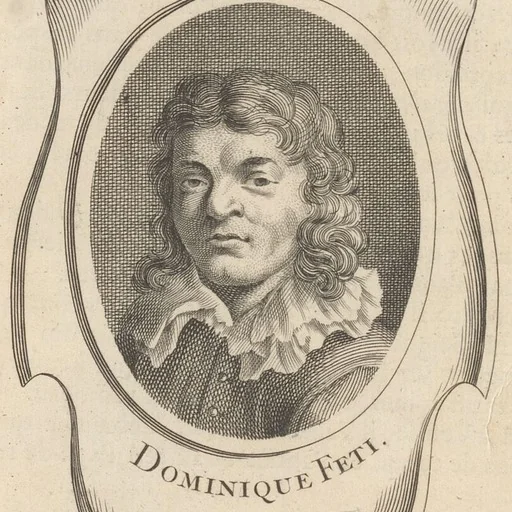
Artist
Domenico Fetti (also spelled Feti) (c. 1589 – 16 April 1623) was an Italian Baroque painter who was active mainly in Rome, Mantua and Venice.