Artwork
The Gladiator
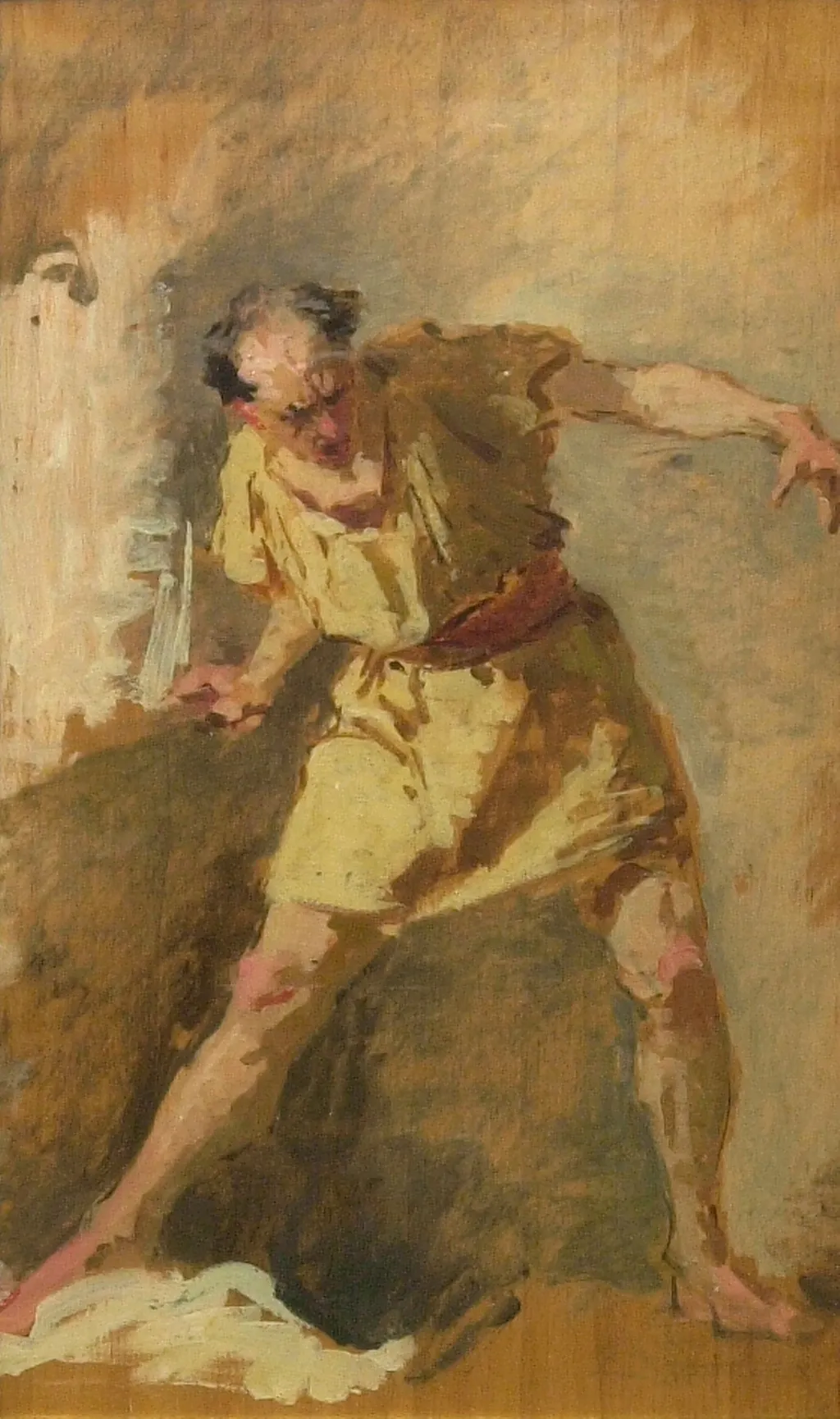
The Gladiator is an unspecified painting by the French Romanticist artist Domenico Morelli. It dates from 1850 and is held in the collection of the Art Institute of Chicago.
About this work
Overview
Though rooted in Italian artistic traditions, the work reflects the emotional intensity and dynamic composition characteristic of French Romanticism.
Painted around 1850 by Domenico Morelli, *The Gladiator* is an early example of his engagement with dramatic historical themes. Though rooted in Italian artistic traditions, the work reflects the emotional intensity and dynamic composition characteristic of French Romanticism. Morelli, then a young artist, was developing a style that prioritized visceral expression over academic restraint, foreshadowing his later leadership at the Naples Academy of Fine Arts.
Subject & Meaning
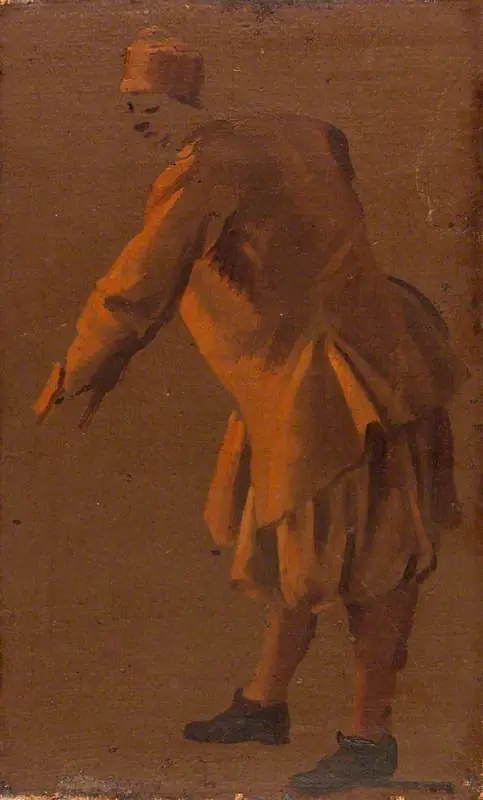
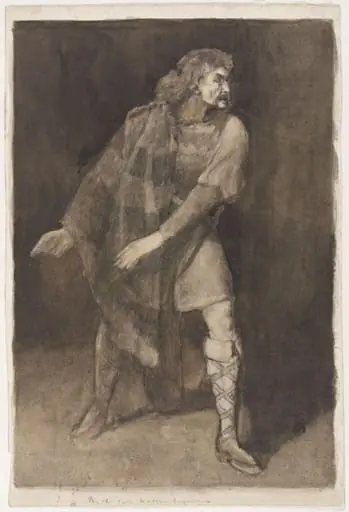
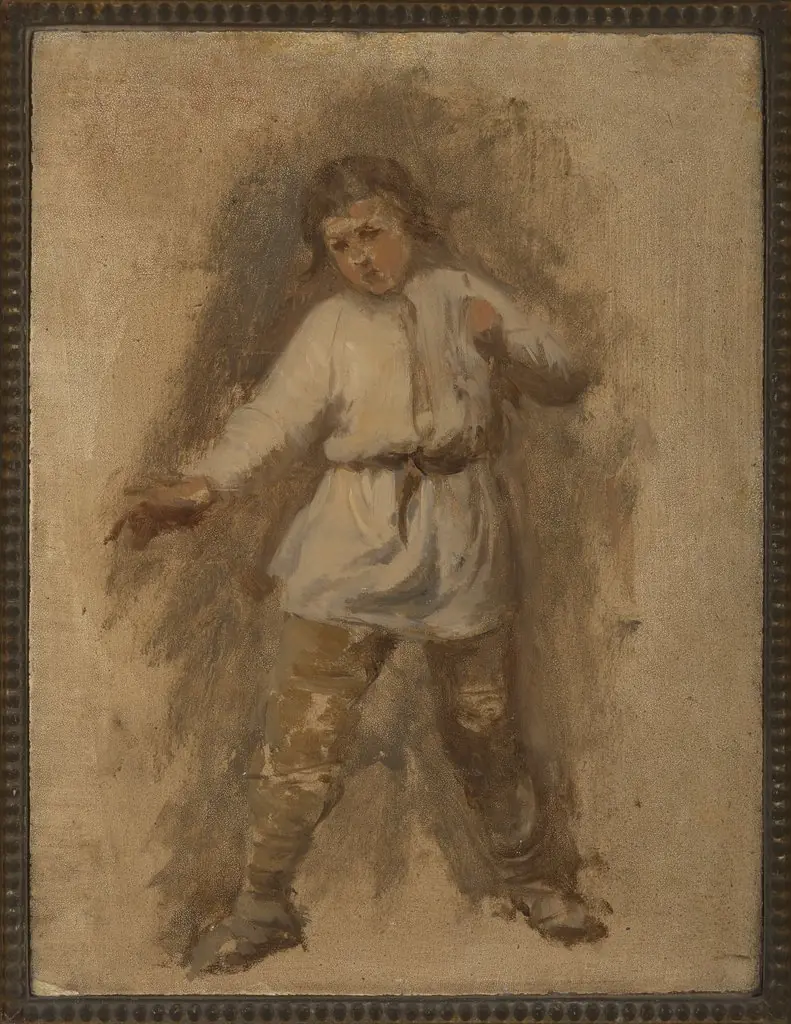
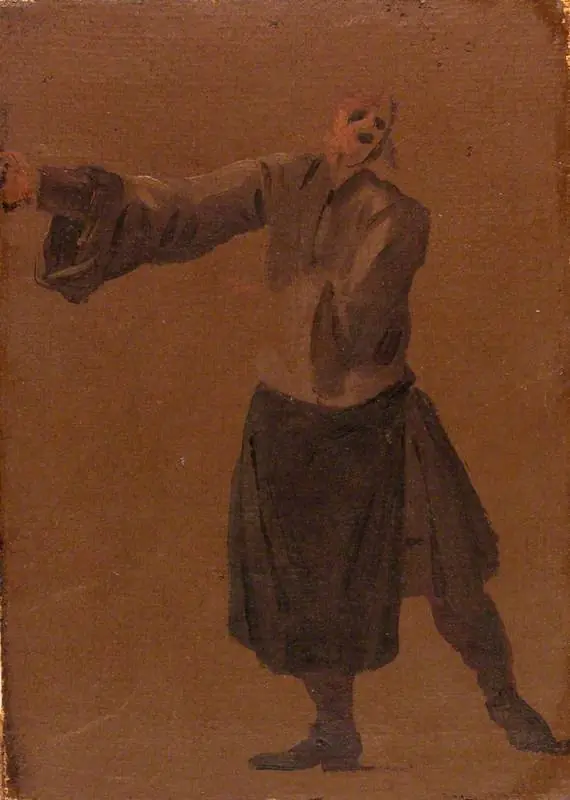
The figure depicted is a solitary male, clad in a yellow tunic and red sash, barefoot and crouched in a tense, preparatory stance. His extended right arm and bent left suggest motion—perhaps adjusting a weapon or bracing for combat. The absence of context or other figures isolates him, emphasizing individual resolve over spectacle. The subject evokes the gladiator archetype not as a historical reconstruction, but as a symbol of human endurance and quiet readiness.
Technique & Style
Morelli employed bold, energetic brushwork and saturated hues to convey physical presence and psychological tension. The warm, earth-toned background contrasts with the figure’s vivid clothing, drawing focus to his form. Light falls unevenly across the body, enhancing muscular definition and the sense of imminent action. The painting rejects polished finish in favor of immediacy, aligning with Romantic ideals that valued emotional truth over classical refinement.
History & Provenance
Created during Morelli’s formative years, the painting remained in private hands until entering the Art Institute of Chicago’s collection. Its journey reflects broader 19th-century interest in Italian Romanticism among American collectors. While not widely exhibited in its time, its inclusion in a major U.S. institution underscores its significance as a representative work of a lesser-known but influential Italian painter of the period.
Context
In mid-19th century Italy, artists like Morelli responded to political upheaval and national identity debates by turning to historical and mythic subjects. *The Gladiator* emerged amid rising nationalist sentiment, where ancient Roman imagery resonated as metaphor for contemporary struggle. Though not overtly political, the painting channels the era’s fascination with individual heroism and sacrifice, filtered through Romantic sensibility.
Legacy
Morelli’s *The Gladiator* stands as an early indicator of his evolving artistic voice—unconventional, emotionally charged, and resistant to academic norms. While he later gained recognition for religious and monumental works, this smaller canvas reveals the raw intensity that defined his early career. It remains a quiet but potent example of how Italian painters adapted Romanticism to express personal and cultural tension beyond the French mainstream.
Artist & collection
Artist
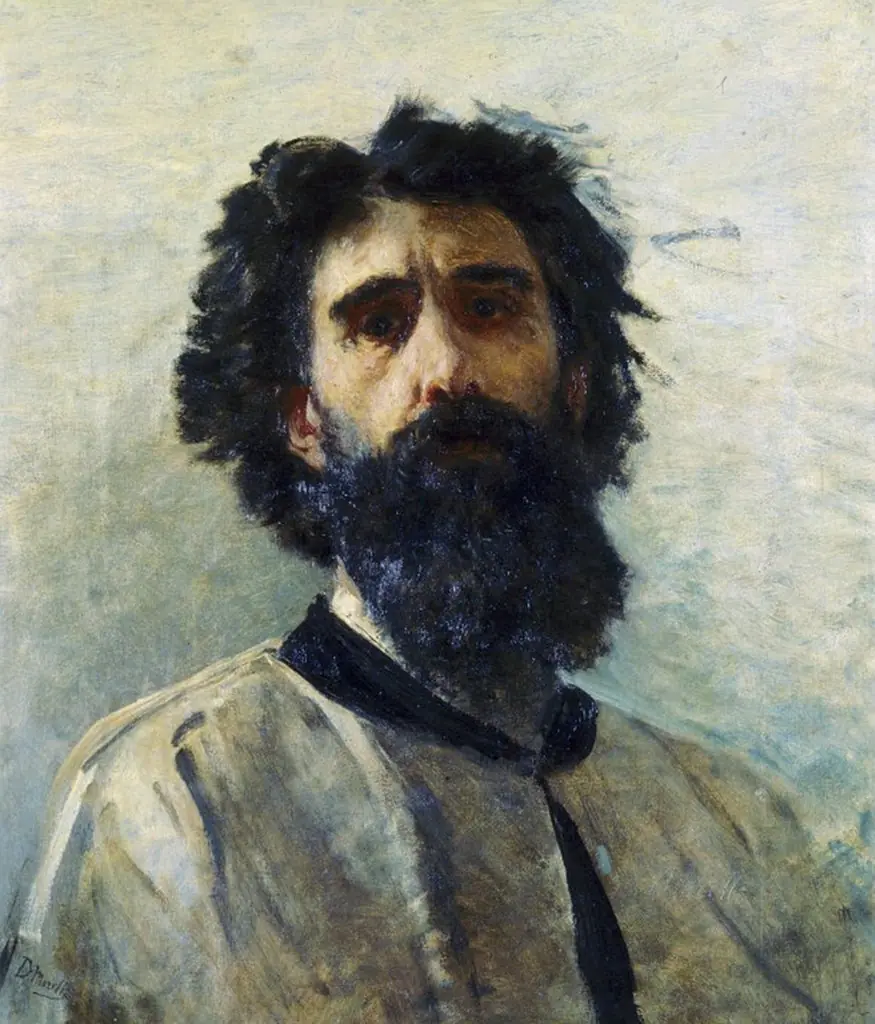
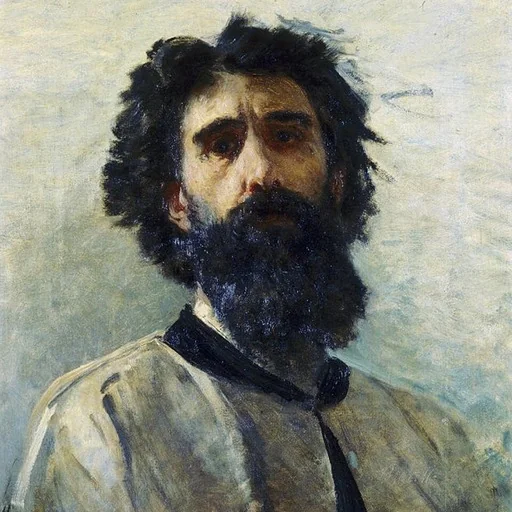
Domenico Morelli (4 August 1823 – 13 August 1901) was an Italian painter, who mainly produced historical and religious works.