Artwork
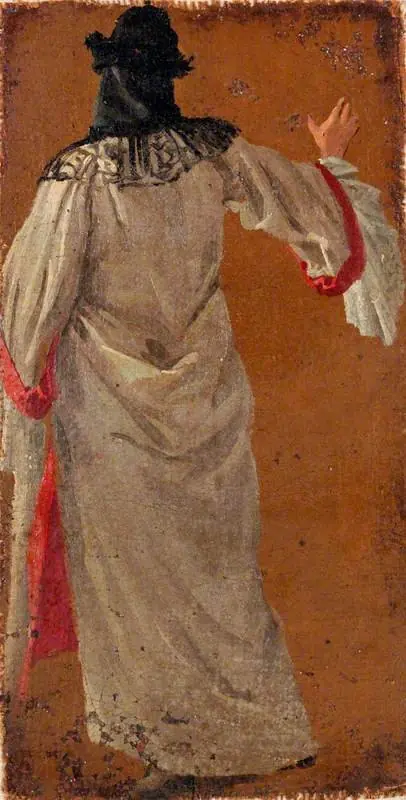
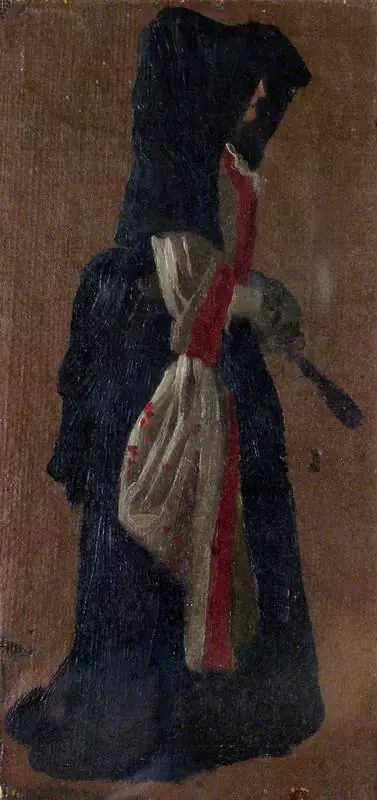
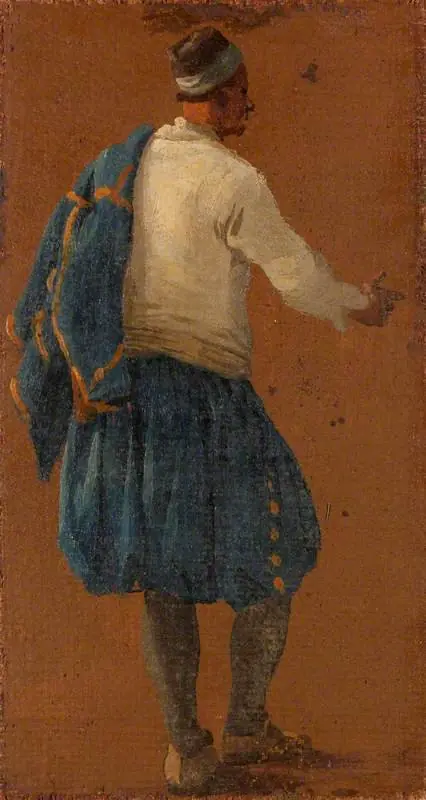
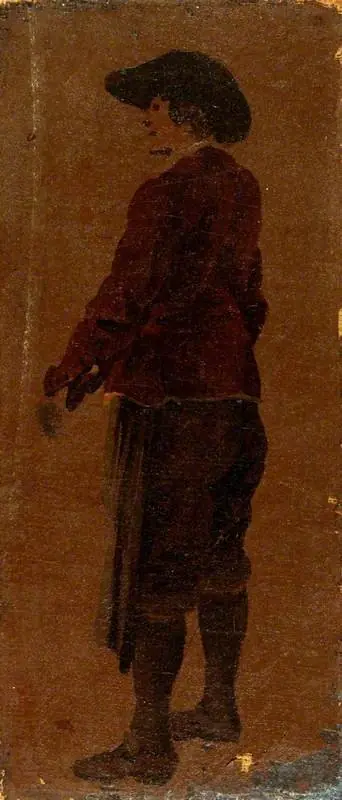
A Gondolier
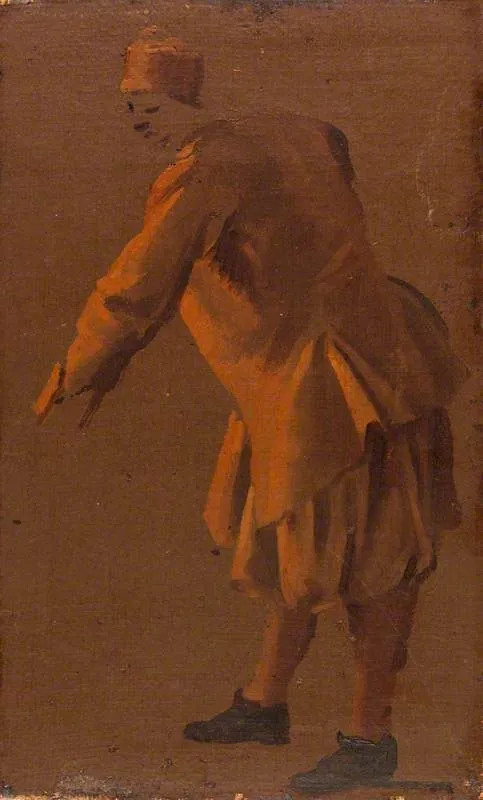
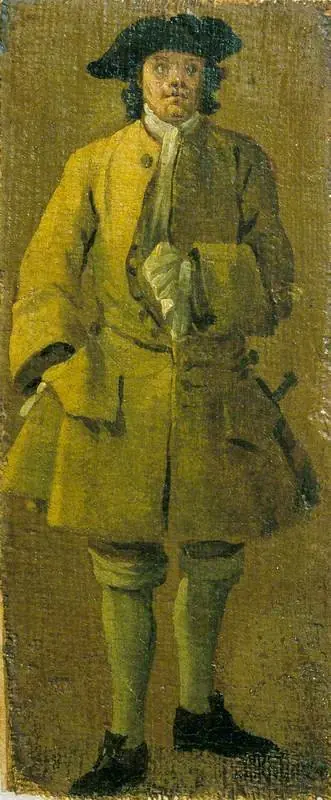
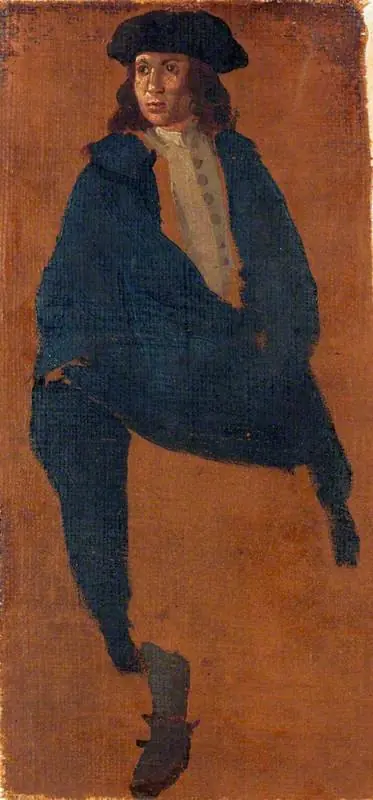
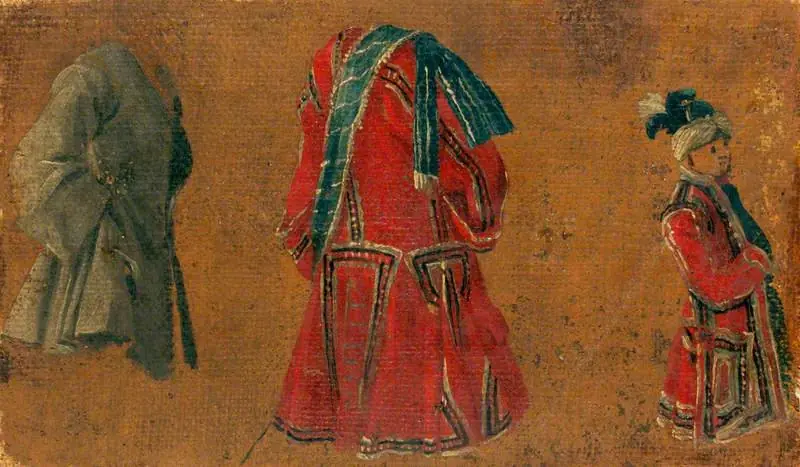
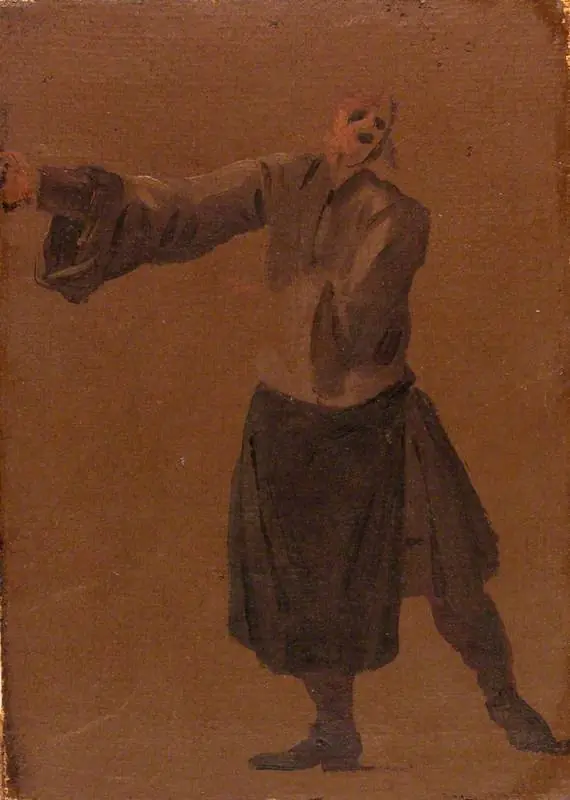
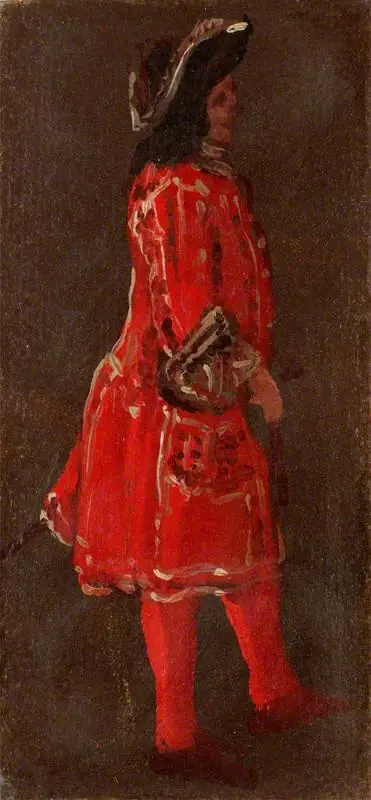
A Gondolier is an oil painting by the Early Baroque Italian artist Luca Carlevarijs. It dates from 1705 and is held in the collection of the Victoria and Albert Museum.
About this work
Overview
Carlevarijs, known for his detailed depictions of the city’s waterways and daily life, captured a quiet moment of labor rather than a grand spectacle.
Painted in 1705 by Luca Carlevarijs, this oil-on-canvas work portrays a solitary gondolier in Venice. Carlevarijs, known for his detailed depictions of the city’s waterways and daily life, captured a quiet moment of labor rather than a grand spectacle. The painting’s restrained composition and focus on a single figure mark it as an early example of Venetian genre scenes that would later evolve into full cityscapes.
Subject & Meaning
The figure is a working gondolier, dressed in simple, loose garments and a low-brimmed hat that shadows his face. His posture—right arm extended, left bent—suggests the physical act of rowing, though the oar is absent. The lack of context or background emphasizes the individual’s isolation and routine, reflecting the quiet dignity of urban labor in Venice’s maritime economy.
Technique & Style
Carlevarijs employs chiaroscuro to model the figure’s form, using sharp contrasts between light and shadow to define the contours of the body and fabric. The warm, earthy background isolates the subject, enhancing the three-dimensionality of his figure. Brushwork is controlled and precise, favoring tonal harmony over decorative detail, aligning with early Baroque tendencies toward naturalism and spatial clarity.
History & Provenance
Created during Carlevarijs’s most active period, the painting entered the Victoria and Albert Museum’s collection in the 19th century. It is among the earliest surviving works by the artist that focus on individual figures within Venetian settings, predating the more elaborate vedute of his successors. Its preservation reflects early institutional interest in Venetian genre painting as a distinct tradition.
Context
In early 18th-century Venice, the gondolier was both a practical figure and a cultural symbol. Carlevarijs’s focus on such individuals, rather than palaces or festivals, marked a shift toward documenting everyday life. His works provided a visual record of the city’s social fabric, influencing later artists who would expand these observations into panoramic views of Venice’s architecture and canals.
Legacy
Carlevarijs’s emphasis on realistic, unidealized figures in urban settings laid groundwork for the veduta tradition. Artists like Canaletto and Guardi adopted his compositional strategies but expanded them into grander, more detailed cityscapes. This painting remains a quiet precursor—its significance lies not in spectacle, but in its attentive observation of the ordinary rhythms of Venetian life.
Artist & collection
Artist
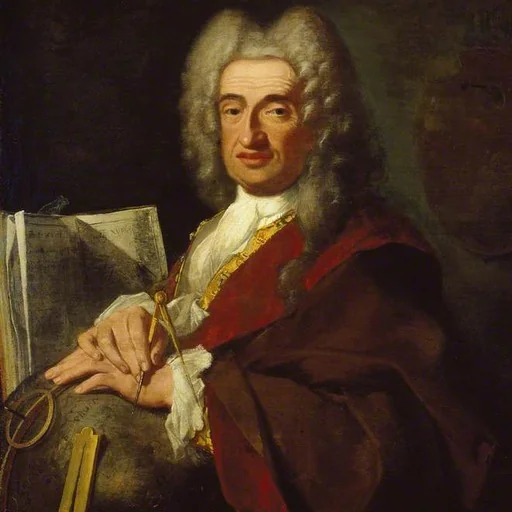
Luca Carlevarijs or Carlevaris (20 January 1663 – 12 February 1730) was an Italian painter and engraver working mainly in Venice.