Artwork
Fall or second capture of Constantinople
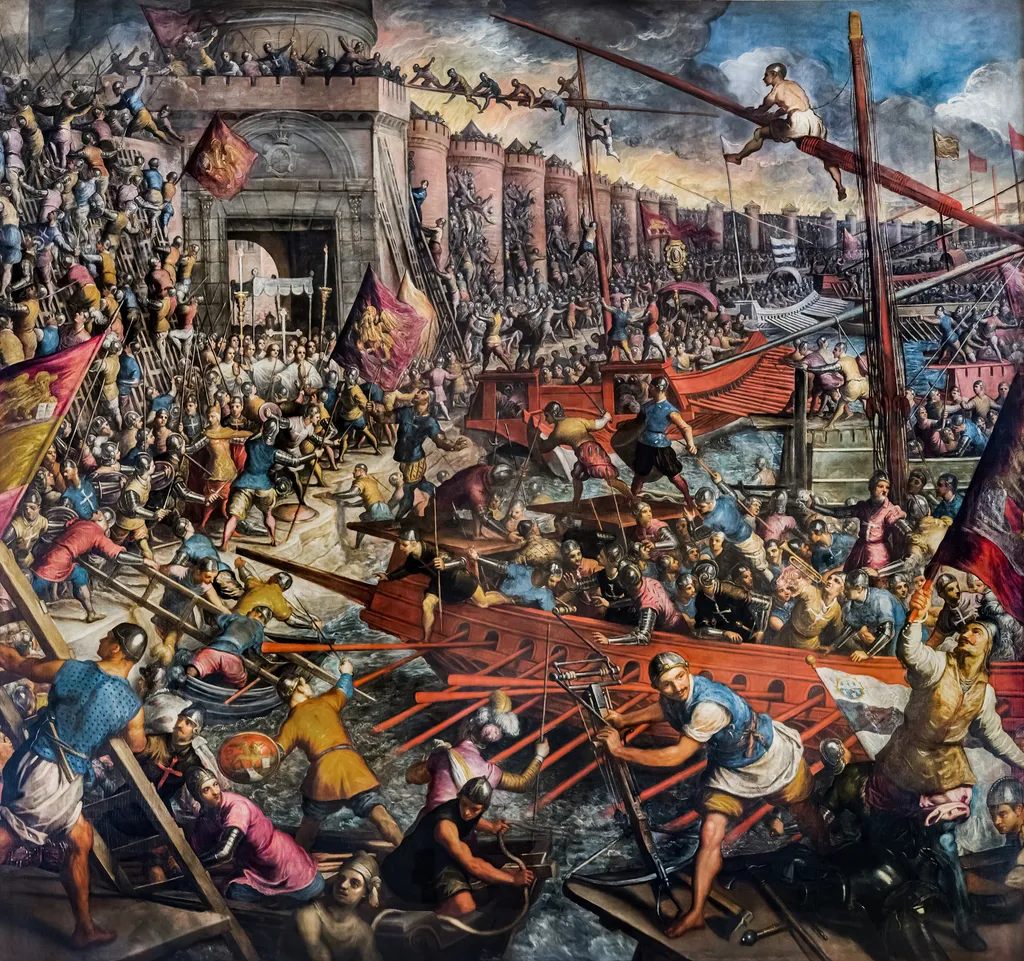
Fall or second capture of Constantinople is an oil painting by the Mannerist artist Domenico Tintoretto. It dates from 1601 and is held in the collection of the Doge's Palace.
About this work
Overview
Painted in 1601 by Domenico Tintoretto, this oil work portrays the fall of Constantinople in 1453, a pivotal moment in Byzantine and Ottoman history.
Painted in 1601 by Domenico Tintoretto, this oil work portrays the fall of Constantinople in 1453, a pivotal moment in Byzantine and Ottoman history. Executed for the Doge’s Palace in Venice, it was intended to reflect the Republic’s awareness of imperial decline and the shifting balance of power in the Mediterranean. The composition captures a moment of urban collapse, rendered with dynamic energy and emotional gravity.
Subject & Meaning
The scene depicts the final assault on Constantinople by Ottoman forces, with civilians and soldiers entangled in a frantic struggle for survival. Figures scramble over walls, cling to vessels, and press against crumbling fortifications, suggesting mass displacement and desperation. The central dome of the Hagia Sophia looms in the background, symbolizing the fall of a Christian stronghold. The painting serves as both historical record and moral reflection on the vulnerability of empires.
Technique & Style
Tintoretto employs chiaroscuro to heighten the drama, contrasting deep shadows with patches of light that illuminate faces and limbs in motion. Brushwork is energetic, with loose strokes defining crowds and architecture alike. The palette—dominated by earthy reds, muted blues, and ochres—enhances the sense of smoke, dust, and urgency. Perspective is compressed, drawing the viewer into the chaos rather than offering a detached vantage.
History & Provenance
Commissioned for the Doge’s Palace, the painting was part of a series documenting Venetian history and its encounters with the Ottoman Empire. It remained in situ for centuries, displayed among other state-sponsored narratives of power and conflict. Its placement in a political space underscores Venice’s own anxieties about survival amid Ottoman expansion and shifting trade routes.
Context
Created during a period when Venice was negotiating its position between the Ottoman Empire and European powers, the painting reflects contemporary fears of invasion and cultural erosion. Though painted over a century after the event, it responds to ongoing tensions in the eastern Mediterranean. The choice to depict the fall of Constantinople served as a cautionary tale for Venetian audiences aware of their city’s vulnerabilities.
Legacy
The work remains a significant example of Venetian historical painting in the early 17th century, notable for its emotional intensity and departure from idealized battle scenes. It influenced later depictions of urban collapse and war in Venetian art. Though less celebrated than works by his father Jacopo, Domenico’s painting endures as a sober record of imperial transition and human suffering.
Own this work as a print
Artist & collection

Artist
Domenico Robusti, also known as Domenico Tintoretto, was an Italian painter from Venice. He grew up under the tutelage of his father, the renowned painter Jacopo Tintoretto.


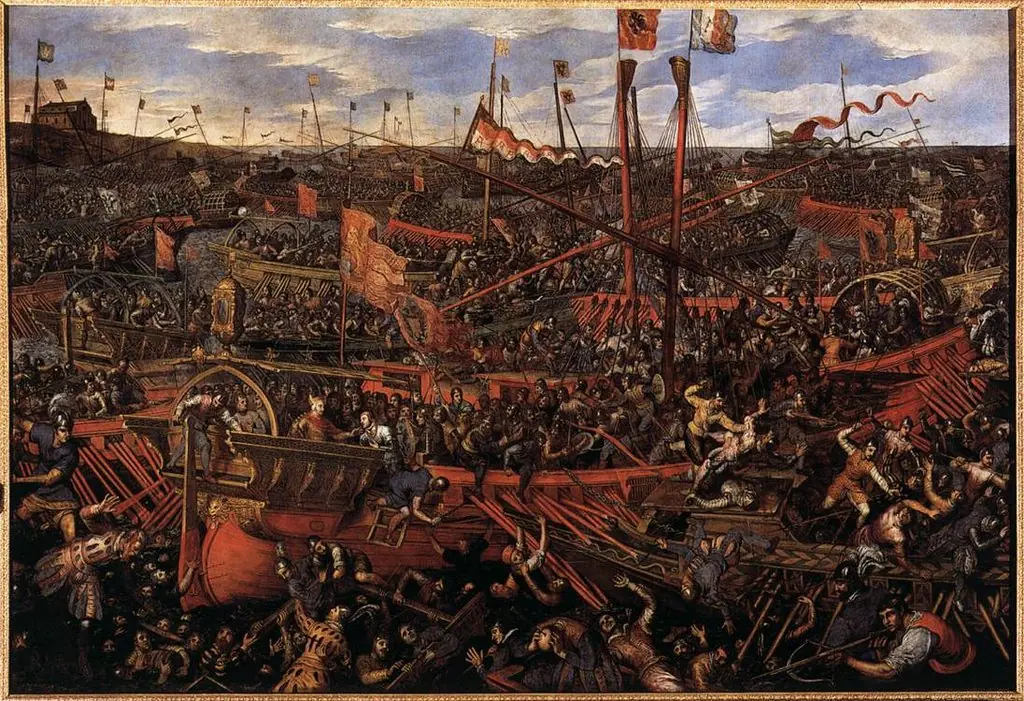 Battle of Salvore
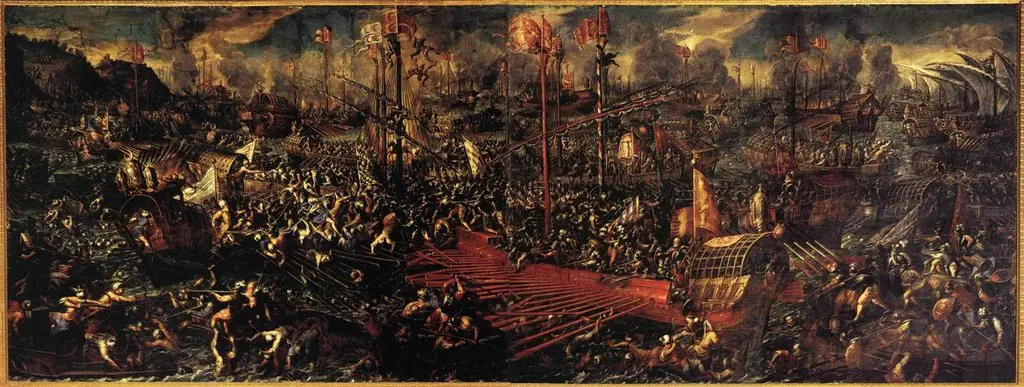 Battle of Lepanto
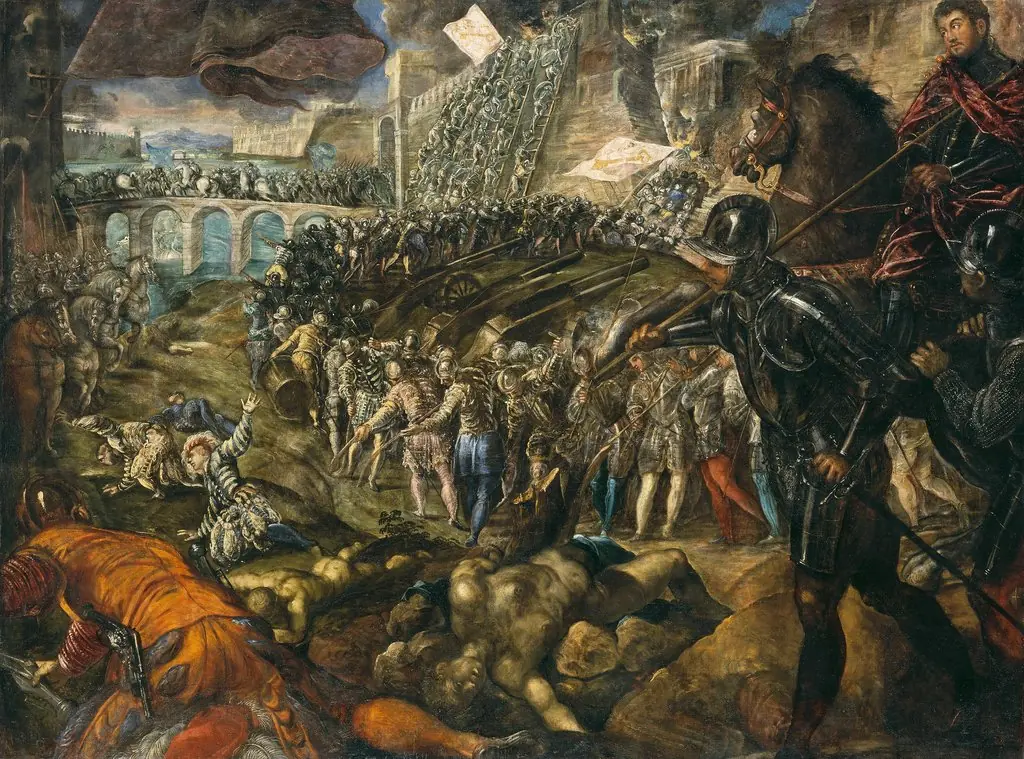 The Capture of Parma by Federico II
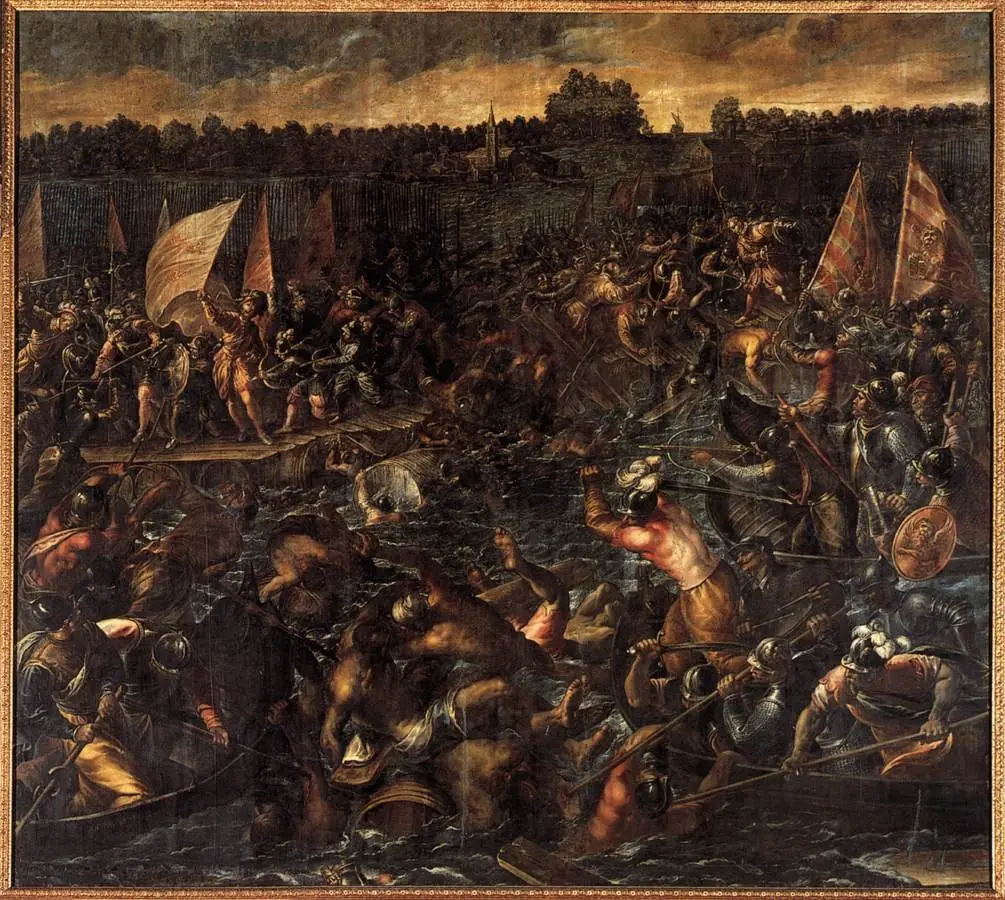 King Pippin's Army Trying to Reach Venice
 Fight with Amazons
 The Rape of Helen
 The Battle of Varna
 Metellus Raising the Siege
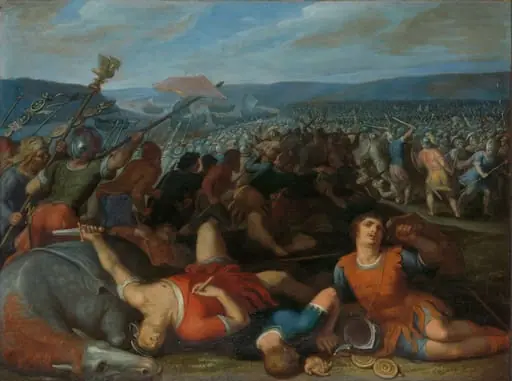 De Bataven verslaan de Romeinen bij de Rijn
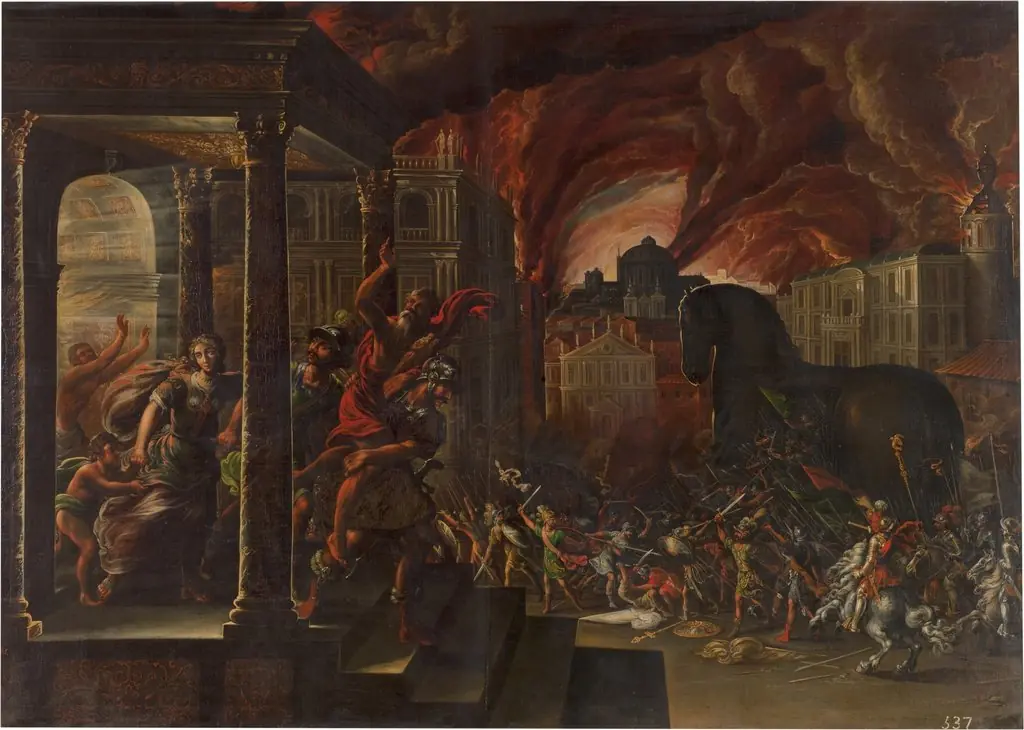 Aeneas and his family fleeing the burning city of Troy, with the Trojan horse in the background
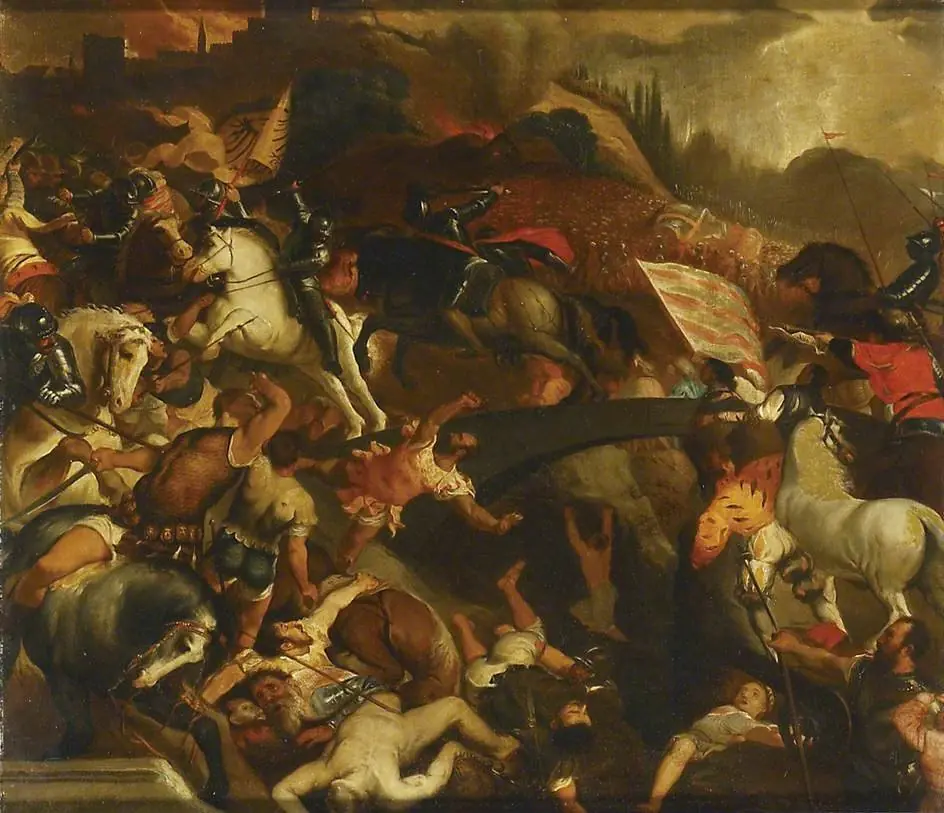 The Battle of Cadore
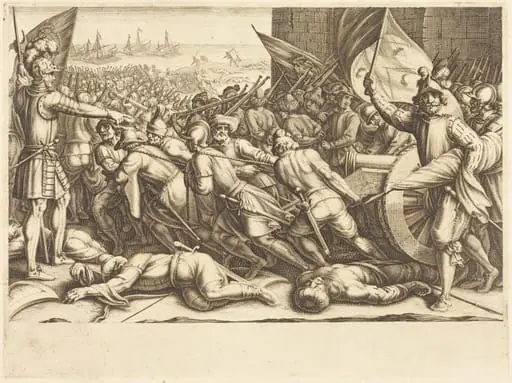 The Re-embarkation of the Turks