Artwork
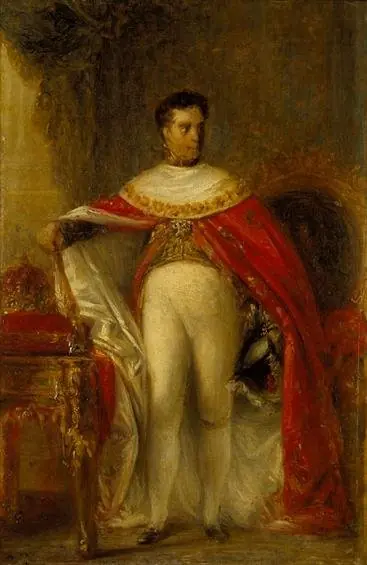
Portrait of John VI of Portugal
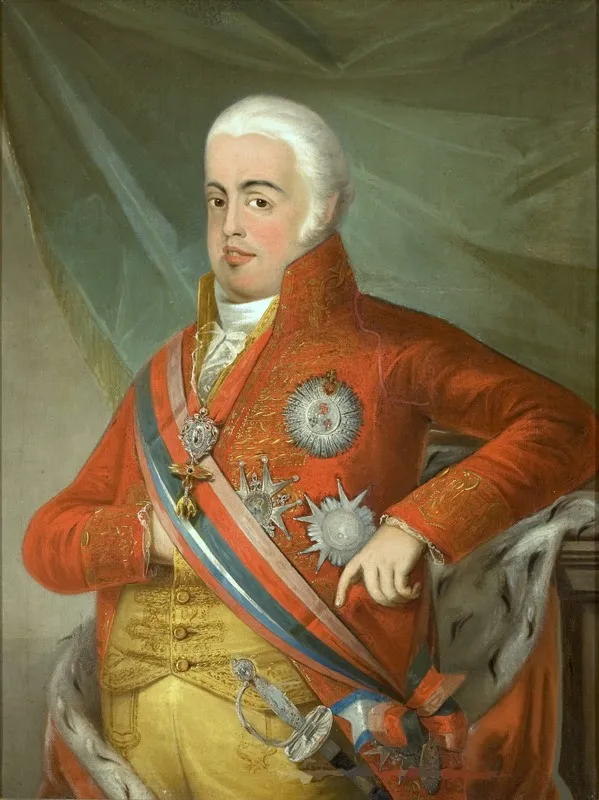
Portrait of John VI of Portugal is an oil painting by Domingos Sequeira. It dates from 1802 and is held in the collection of the São Paulo Museum of Art. Painted in 1802 by Domingos António de Sequeira, this oil-on-canvas portrait captures King John VI of Portugal in formal attire.
About this work
Overview
Painted in 1802 by Domingos António de Sequeira, this oil-on-canvas portrait captures King John VI of Portugal in formal attire.
Painted in 1802 by Domingos António de Sequeira, this oil-on-canvas portrait captures King John VI of Portugal in formal attire. Sequeira, a leading court artist, rendered the monarch with precision and dignity. The work is part of the São Paulo Museum of Art’s collection and exemplifies early 19th-century Portuguese royal portraiture, emphasizing status through costume and composition rather than dramatic narrative.
Subject & Meaning
The portrait presents King John VI in ceremonial dress, his white hair and composed expression conveying authority and age. The red coat, gold sash, and multiple medals signify his rank and military honors. His hand resting on a railing suggests control and stability. The absence of overt symbolism or allegory focuses attention on the king’s presence, reinforcing the portrait’s function as a visual assertion of monarchical legitimacy.
Technique & Style
Sequeira employed refined brushwork to render textures of fabric, metal, and skin with subtle gradations. The rich red of the coat contrasts with the muted green curtain behind, drawing focus to the figure. Light falls evenly across the king’s form, avoiding theatricality. The yellow vest and trousers add warmth without distraction, reflecting a restrained Neoclassical sensibility that prioritizes clarity and restraint over ornamentation.
History & Provenance
Commissioned during John VI’s reign, the portrait was likely intended for official display within royal residences. It remained in Portuguese collections until the 20th century, when it entered the São Paulo Museum of Art’s holdings. Its migration to Brazil reflects broader patterns of cultural exchange and colonial-era art dispersal, though its exact path from Lisbon to São Paulo remains undocumented in public records.
Context
Created during a period of political instability in Portugal, the portrait served as a tool of visual diplomacy. As the royal family prepared to relocate to Brazil in 1807, images like this reinforced continuity and authority. Sequeira’s style aligned with European court traditions but retained a distinctly Portuguese sensitivity to detail, distinguishing his work from more flamboyant Spanish or French royal portraits of the era.
Legacy
The portrait stands as one of Sequeira’s most recognized royal commissions, illustrating his role in shaping the visual identity of the Portuguese monarchy. While not widely exhibited outside Brazil, it remains a key reference for understanding how Portuguese elites used portraiture to project power during a transitional era. Its preservation underscores the enduring value placed on royal imagery in institutional collections.
Artist & collection
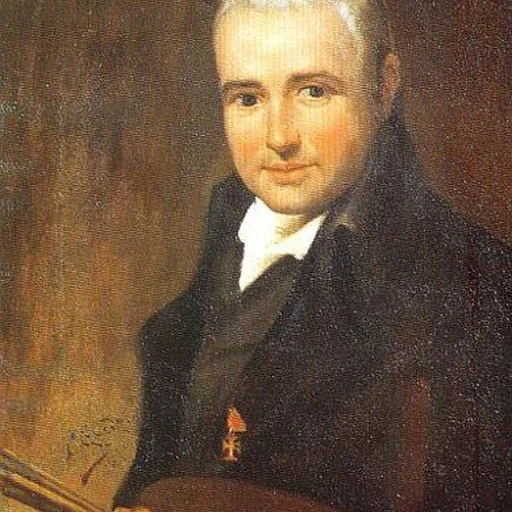
Artist
Domingos António de Sequeira (10 March 1768 – 8 March 1837) was a Portuguese painter at the Royal Court of King John VI of Portugal.

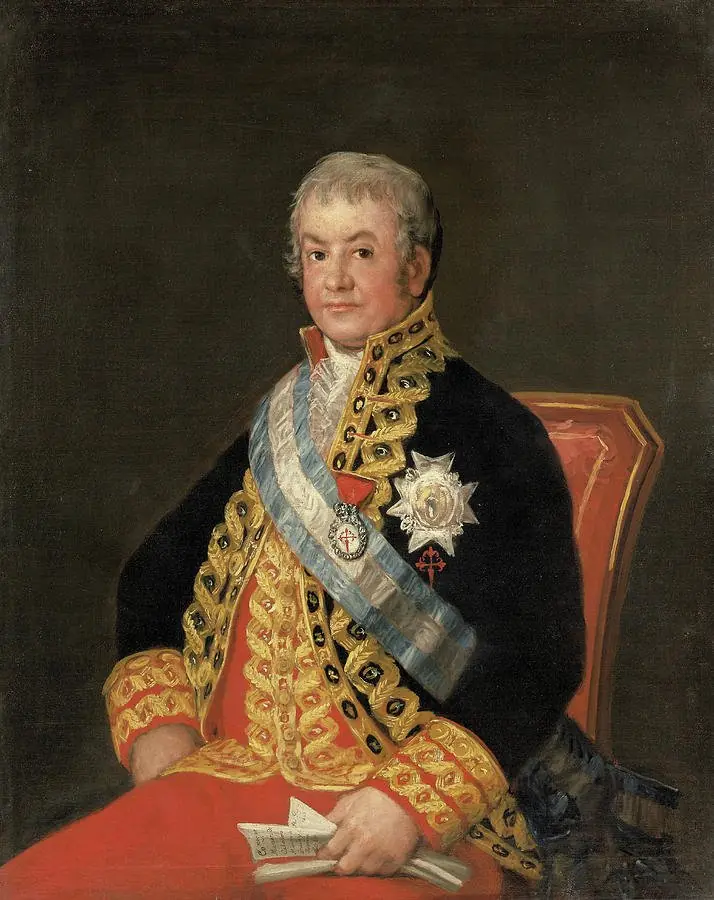 Portrait of José Antonio Marqués de Caballero
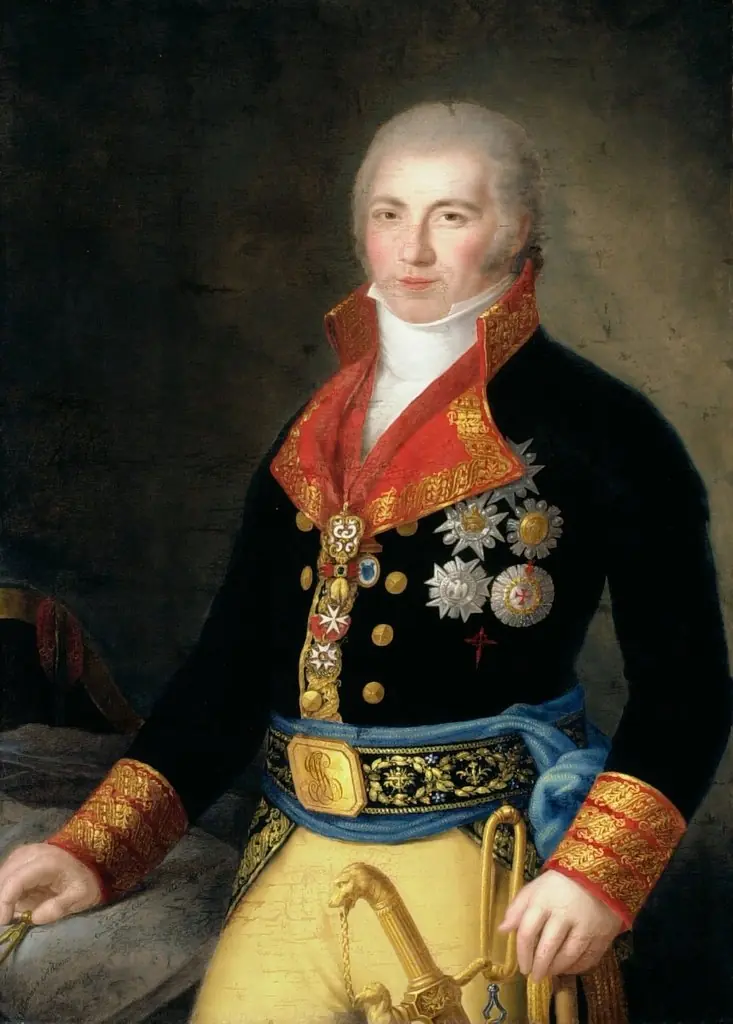 Manuel Godoy
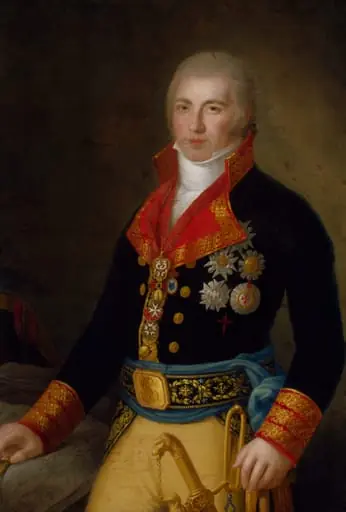 Manuel Godoy
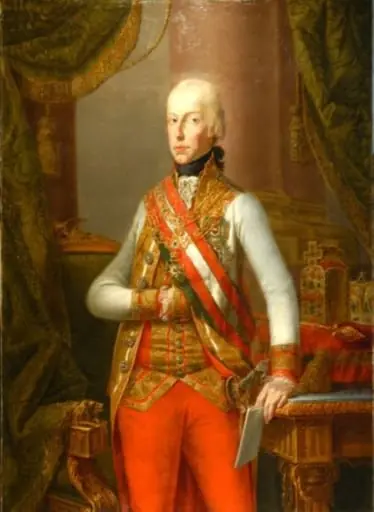 Împăratul Iosif al II lea
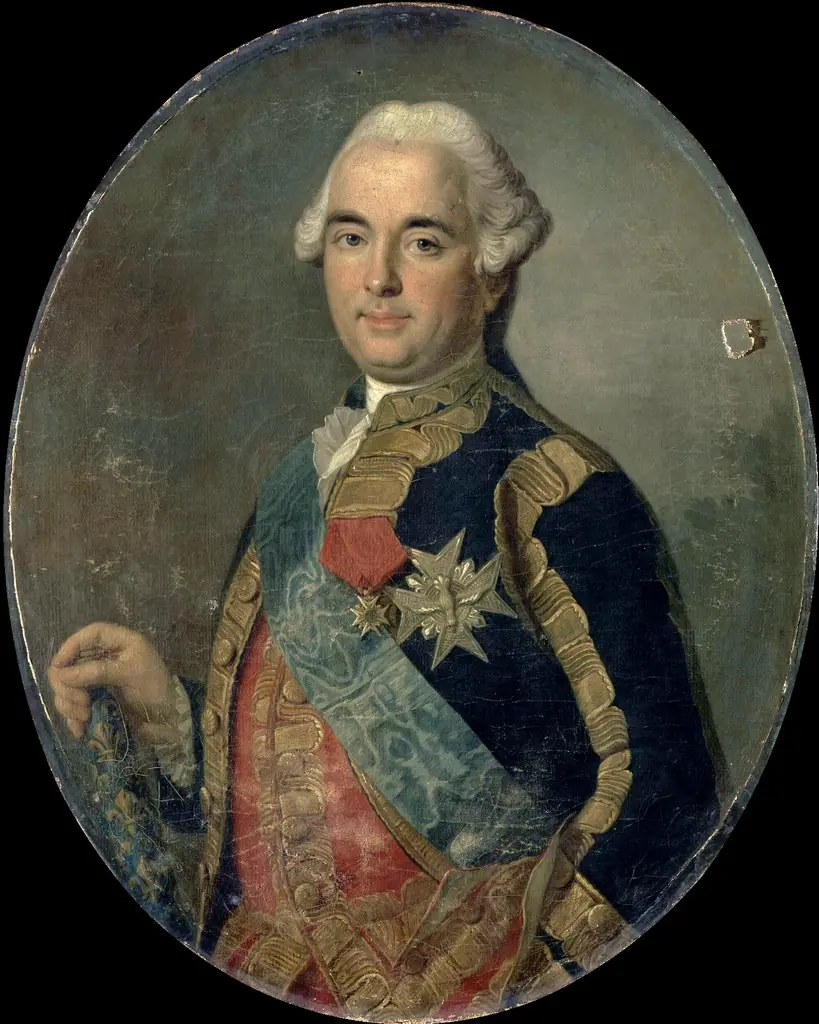 Portrait of Victor-François, 2nd duc de Broglie
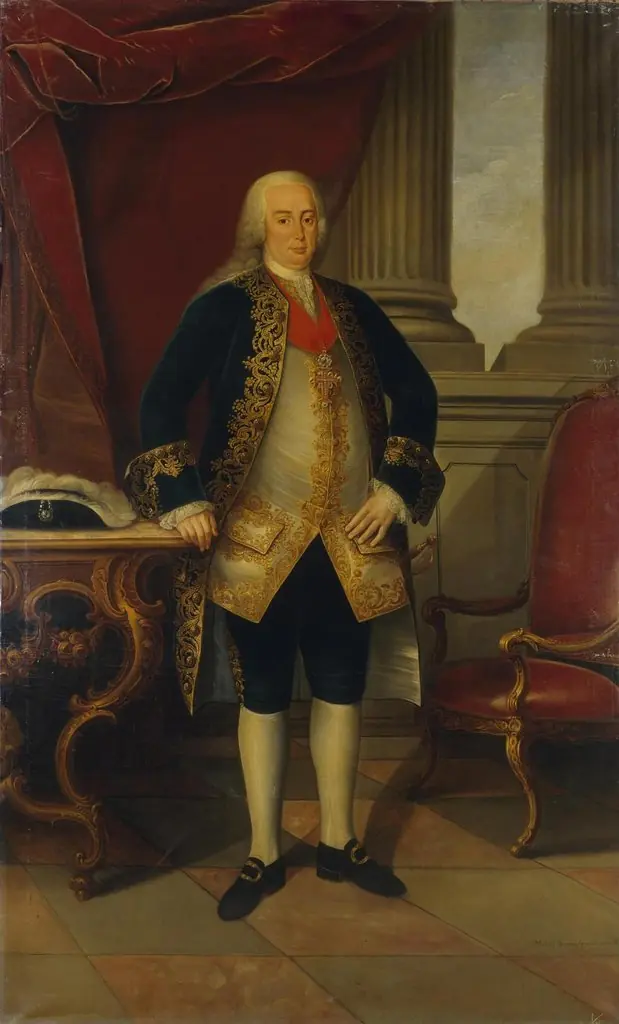 Portrait of Pedro, Prince of Brazil (1717-1786)
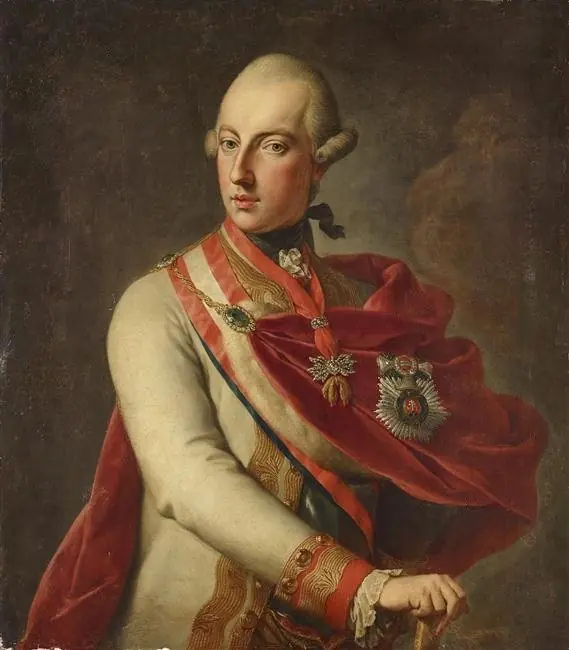 Joseph II, empereur d'Allemagne (1741-1790)
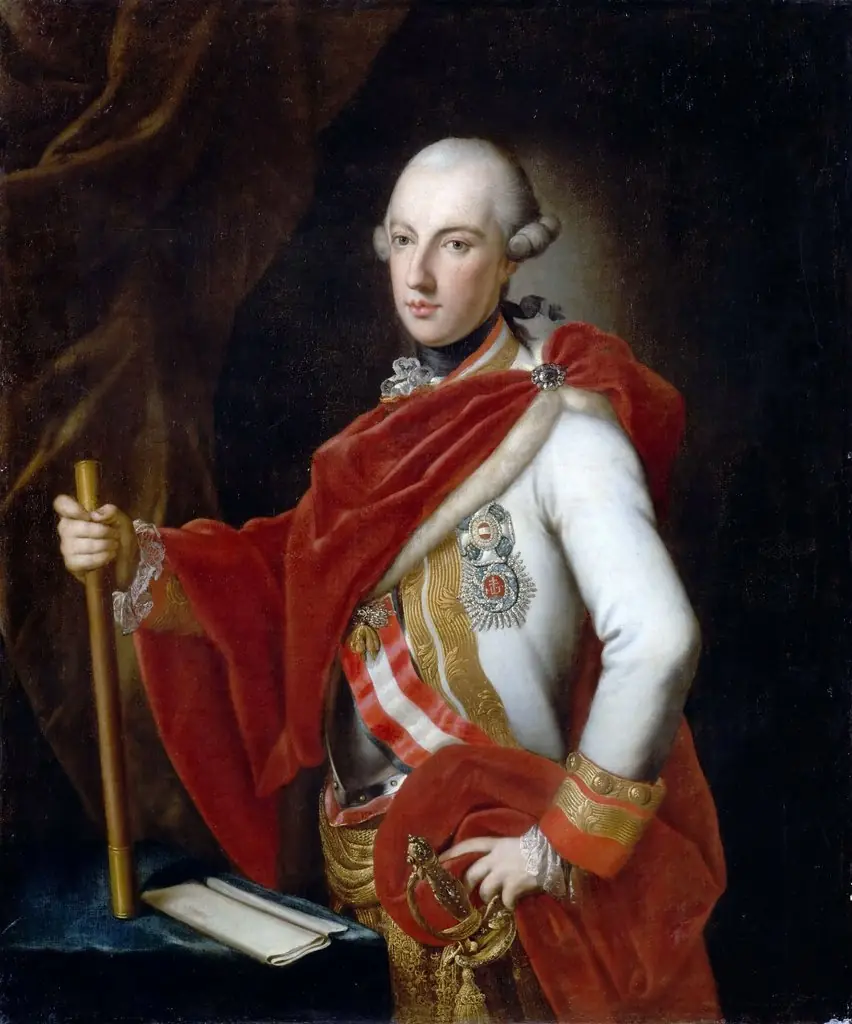 Porträt des Emperor Joseph II (1741-1790)
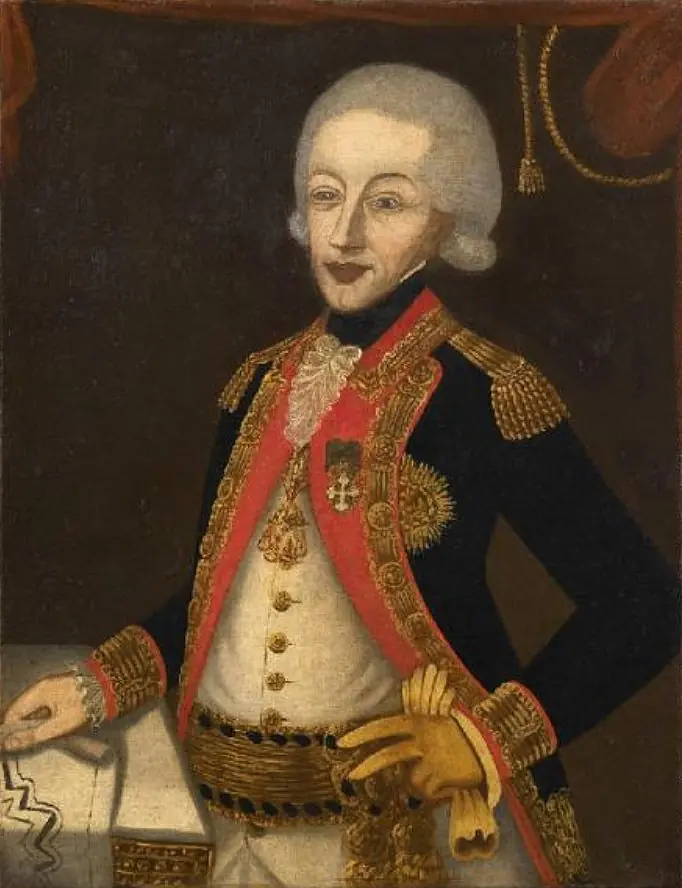 Untitled
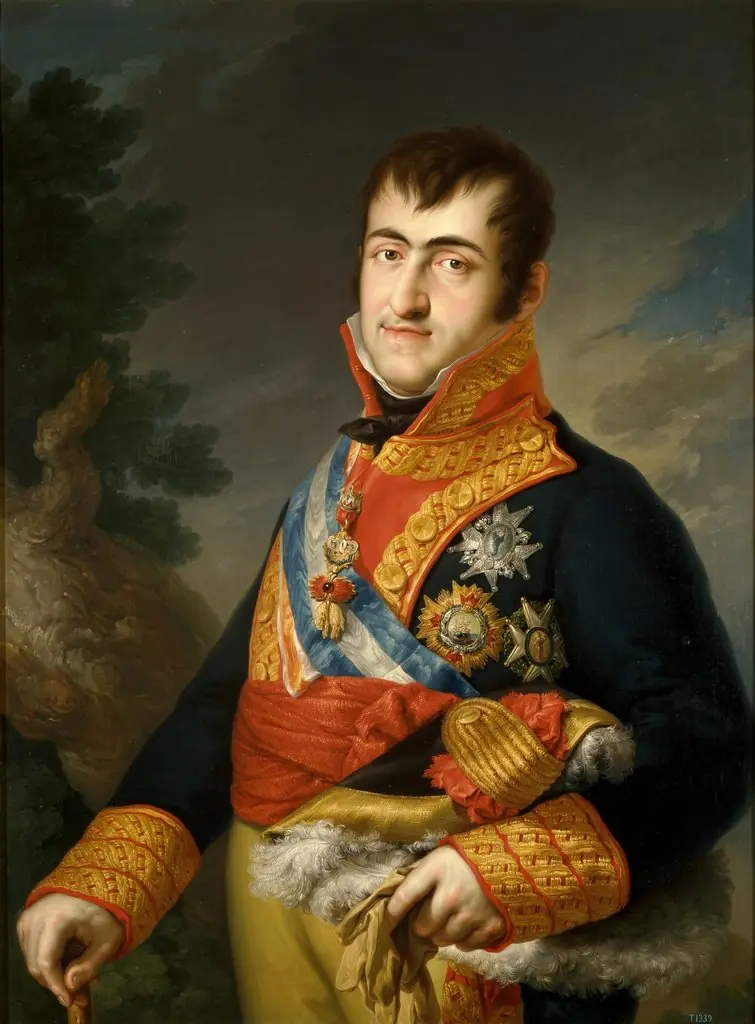 Ferdinand VII in the Uniform of a Captain-general
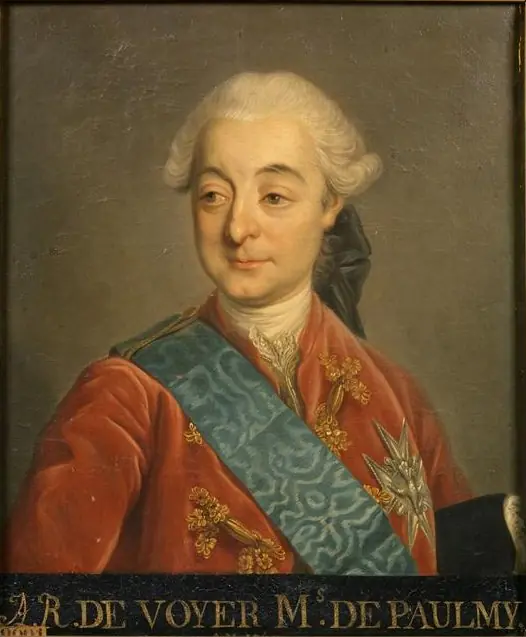 Antoine-René de Voyer de Paulmy, marquis d'Argenson (1722-1787), ministre
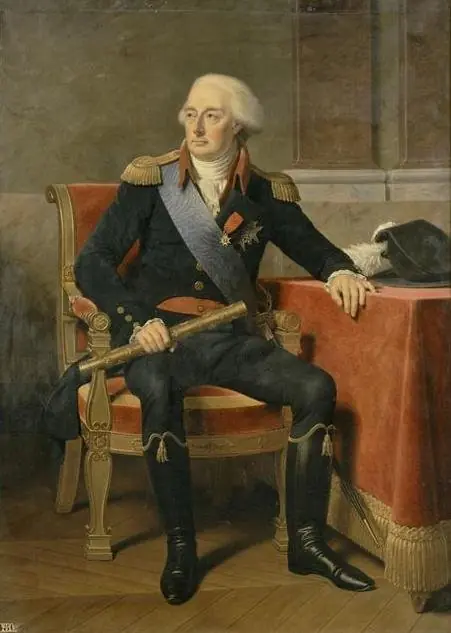 Portrait of Louis Joseph de Bourbon, Prince of Condé (1736-1818)