Artwork
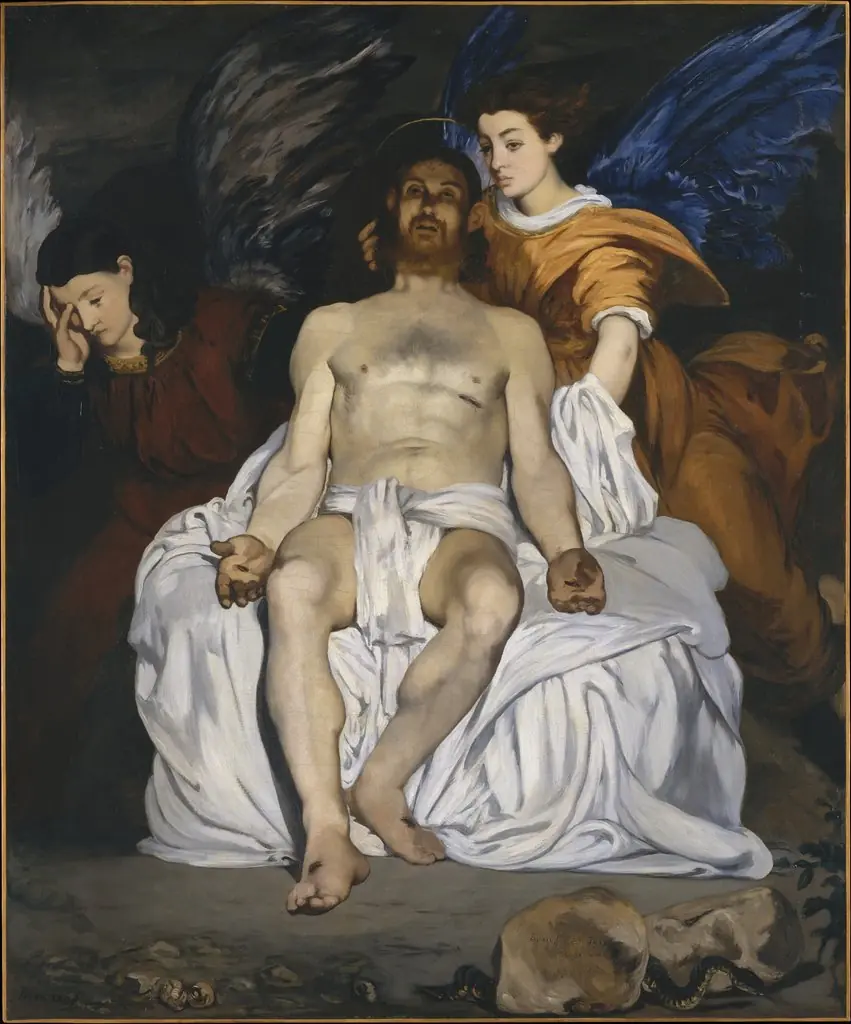
The Dead Christ with Angels
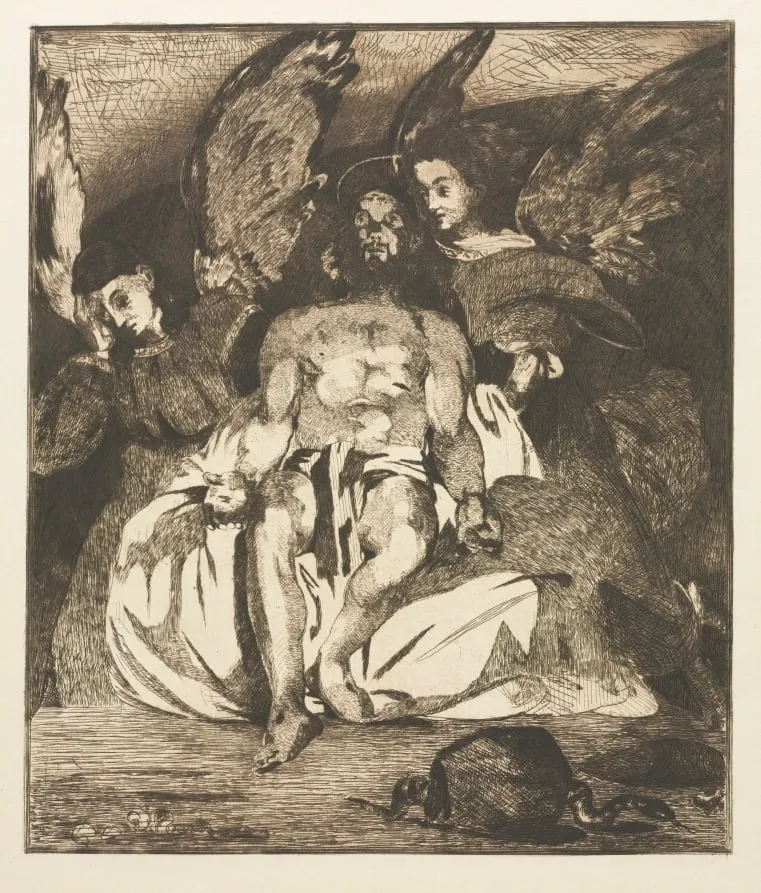
The Dead Christ with Angels is a print by the Impressionist artist Edouard Manet. It dates from 1866 and is held in the collection of the Cleveland Museum of Art.
About this work
If you like how Manet made sacred subjects feel human, look up *chiaroscuro*—the way he used light and dark to shape the body.
You see a dead Christ lying on a stone slab, two angels hovering above him in dim light.
Manet painted this in 1866, when most religious art showed idealized scenes. Here, Christ’s body looks real—pale, heavy, almost ordinary. Critics called it shocking. The angels don’t glow; they’re just figures in the shadows, making the scene feel quiet and still.
If you like how Manet made sacred subjects feel human, look up *chiaroscuro*—the way he used light and dark to shape the body.
Overview
Edouard Manet’s print, *The Dead Christ with Angels*, depicts the lifeless figure of Christ reclined on a stone slab, flanked by two angels that hover in subdued illumination. Executed in 1866, the work presents a stark, unidealized view of the biblical scene, emphasizing the physicality of the body and the quiet presence of the celestial figures.
Subject & Meaning
The composition centers on a pale, weighty Christ whose gaze is empty, suggesting the finality of death. The angels, rendered without radiant halos, appear as muted silhouettes, contributing to an atmosphere of solemn stillness rather than divine triumph. The overall effect invites contemplation of mortality and the human aspect of the sacred narrative.
Technique & Style
Manet employed a hybrid of aquatint and repeated line work to model the forms, creating a nuanced tonal range that evokes chiaroscuro. The aquatint provides soft, velvety shadows, while the incised marks define the contours of the body and the angels. This combination yields a realistic texture that heightens the corporeal presence of Christ.
History & Provenance
The print represents the largest etching Manet ever produced, a factor that limited the number of impressions taken from the plate. Only a handful were ever pulled, and the example described here is among those scarce copies. Its rarity reflects both the technical ambition of the work and Manet’s selective distribution.
Context
Created at a time when religious imagery in French art tended toward idealization, Manet’s approach broke with convention by portraying the crucifixion figure in a naturalistic manner. Contemporary critics responded with shock, labeling the realism as grotesque. The work thus marks a pivotal moment in the 19th‑century shift toward more honest, unembellished representations of sacred subjects.
Artist & collection

Artist
Édouard Manet didn’t have much time to make his mark—he died at 51—but he used every year.

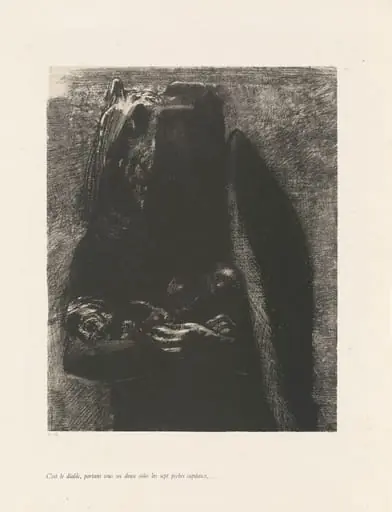 C'est le Diable
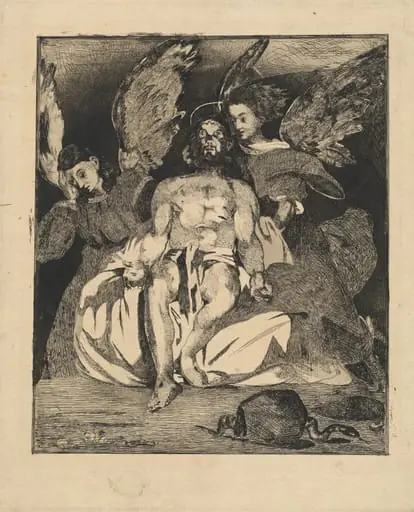 Dead Christ with Angels (Christ aux anges)
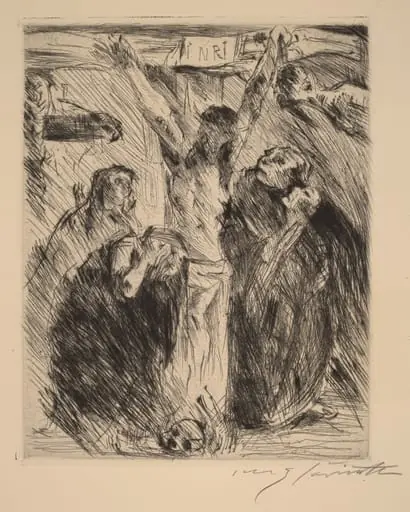 Kreuzigung, nach dem Altarbild in Tölz (Crucifixion, after the Altarpiece at Tölz)
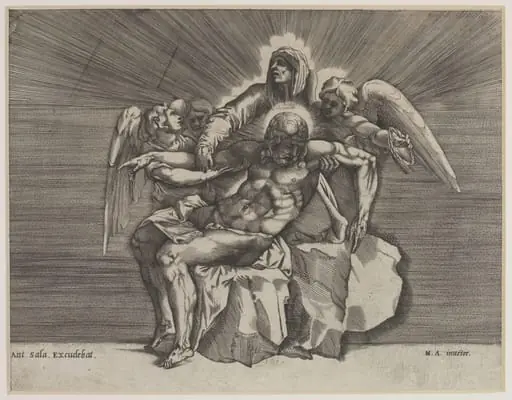 Untitled
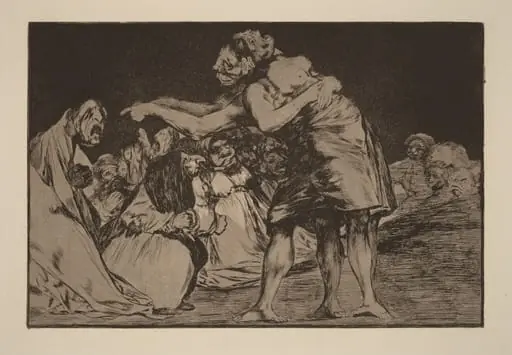 Disparate desordenado (Disorderly Folly)
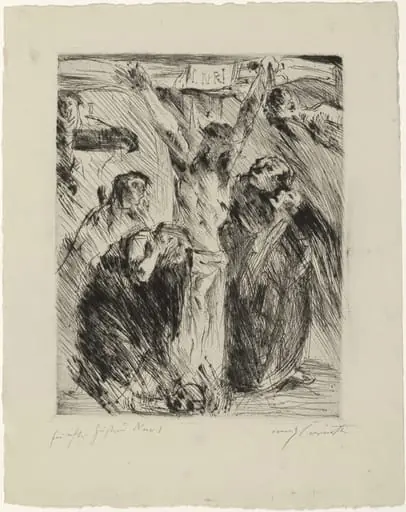 Untitled
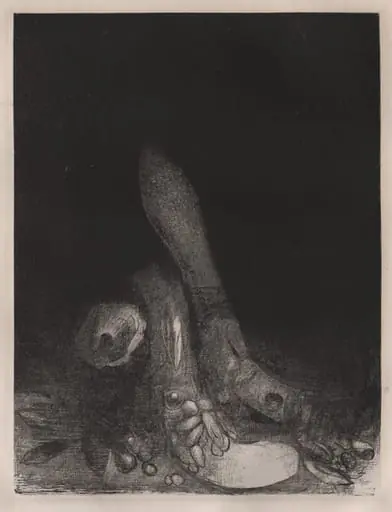 Flowers Fall and the Head of a Python Appears
 The Proverbs: General Folly
 Disparate desordenado (Disorderly Folly)
 Untitled
 Gloire et louange a toi, satan, dans les hauteurs du ciel ou tu regnas, et dans les profondeurs de l'enfer, ou vaincu, tu reves en silence! (Glory and praise to you, Satan, in the heights of heaven, where you reigned, and in thedepths of hell, where, vanquished, you dream in s ilence!)
 The Proverbs: Wounds Heal Quicker Than Hasty Words