Artwork
Buland Darwaza with Figure
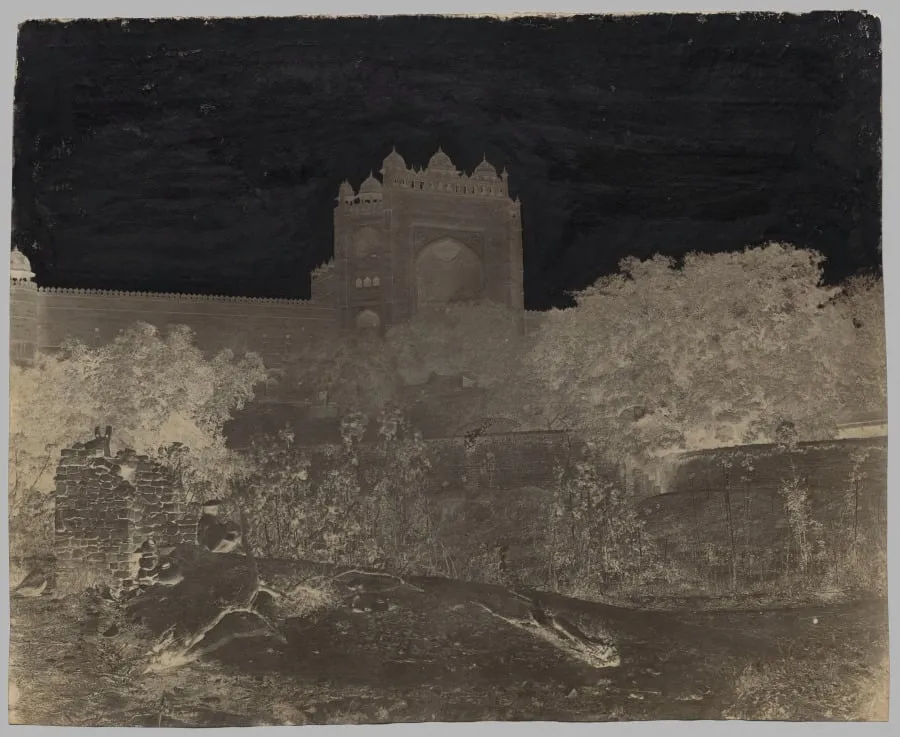
Buland Darwaza with Figure is a photography by the Impressionist artist Dr. John Murray. It dates from 1860 and is held in the collection of the Cleveland Museum of Art. The Buland Darwaza, a monumental sandstone gateway at Fatehpur Sikri, was photographed by John Murray in the mid-19th century.
About this work
Overview
Though trained as a military physician with the East India Company, Murray devoted years to documenting India’s architectural heritage.
The Buland Darwaza, a monumental sandstone gateway at Fatehpur Sikri, was photographed by John Murray in the mid-19th century. Though trained as a military physician with the East India Company, Murray devoted years to documenting India’s architectural heritage. This image, later used as the basis for a painted work, captures the scale and silence of the structure, framed by the solitary presence of a figure in its shadow.
Subject & Meaning
The Buland Darwaza was built by Akbar in 1601 to commemorate his victory in Gujarat. Its towering form symbolizes imperial authority and spiritual ascent. Murray’s photograph, by placing a lone human figure within its shadow, subtly emphasizes the monument’s overwhelming scale and the quiet human presence amid grand history, avoiding romanticization in favor of observation.
Technique & Style
Murray’s photographic method relied on the wet collodion process, requiring careful preparation and long exposures. The resulting image rendered texture and light with precision, capturing the weathered surface of sandstone and the depth of architectural recesses. Though later adapted into a painted version, the photograph’s clarity and tonal range reflect a documentary intent rather than artistic embellishment.
History & Provenance
John Murray, stationed in northern India from the 1840s to the 1880s, amassed a personal archive of architectural photographs during his service. His images of Fatehpur Sikri were among the earliest systematic records of Mughal structures by a Westerner. The photograph of the Buland Darwaza was later reproduced in lithographic prints and used by colonial scholars, preserving its visual record beyond its original medium.
Context
In the 1840s, photography in India was rare and technically demanding. Murray’s work emerged amid growing British interest in cataloging India’s past, often for administrative or antiquarian purposes. His focus on architectural detail, without overt colonial narrative, distinguishes his approach from contemporaries who emphasized exoticism or ruin.
Legacy
Murray’s photographs of the Buland Darwaza contributed to early scholarly understanding of Mughal architecture. Though not widely exhibited in his lifetime, his images became reference points for later historians and restorers. His quiet, methodical documentation stands as an early example of ethnographic visual record-keeping, valued for its restraint and accuracy.
Artist & collection

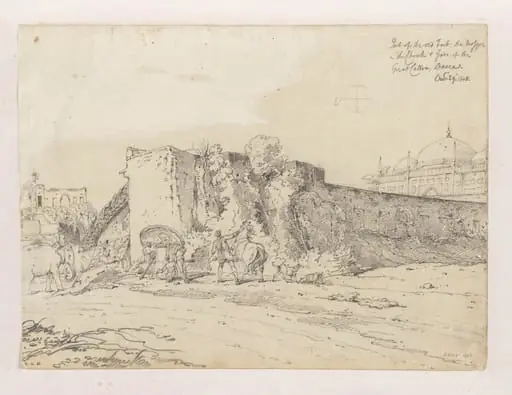 Part of the old fort: the mosque in the chowk and gate of the Great Katra, Dhaka (Dacca)
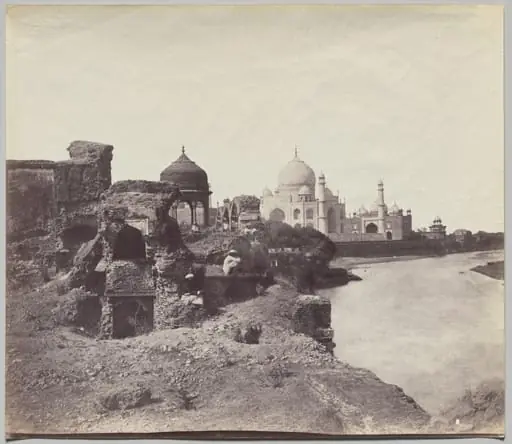
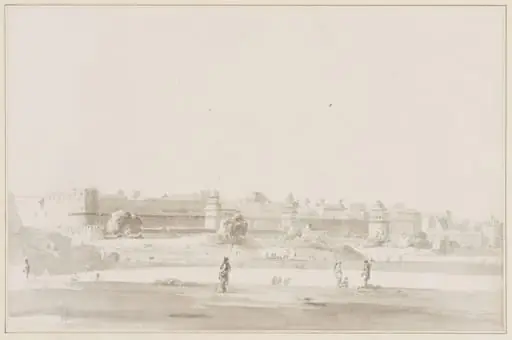 Fort of Ramnugger, near Benares, possibly Agra Fort.
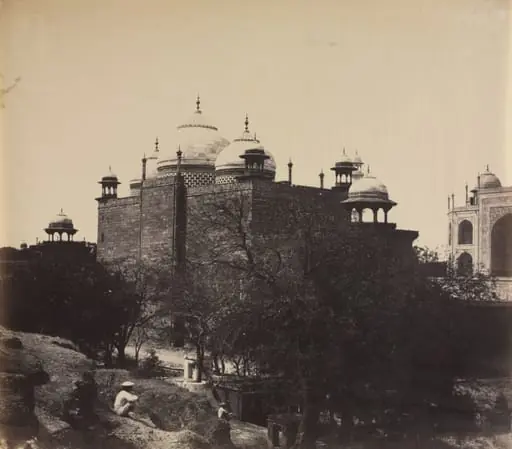
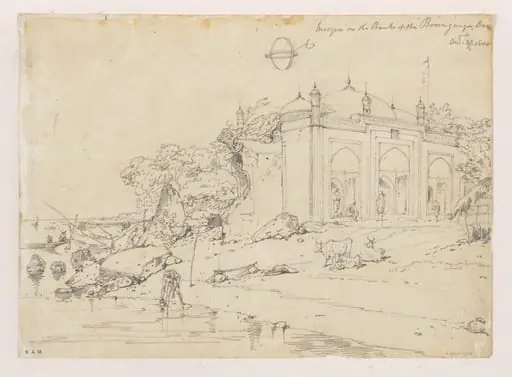 A mosque on the banks of the Buriganga River, Dhaka, Bangladesh
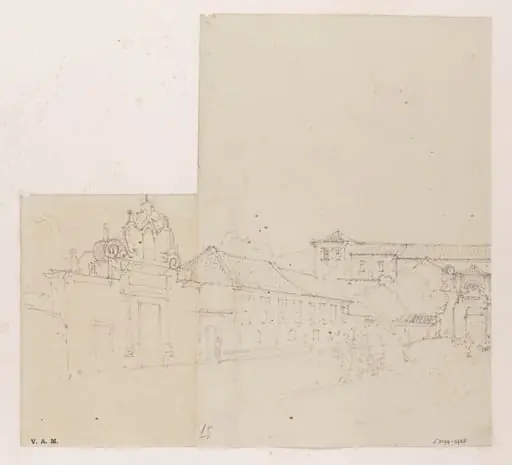 The gateway to the convent of Santa Clara, Macau
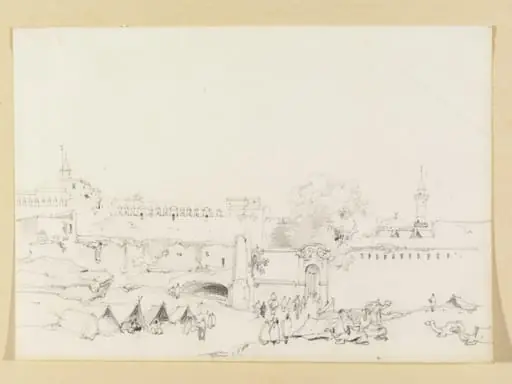 Outside the walls of Sétif, Algeria
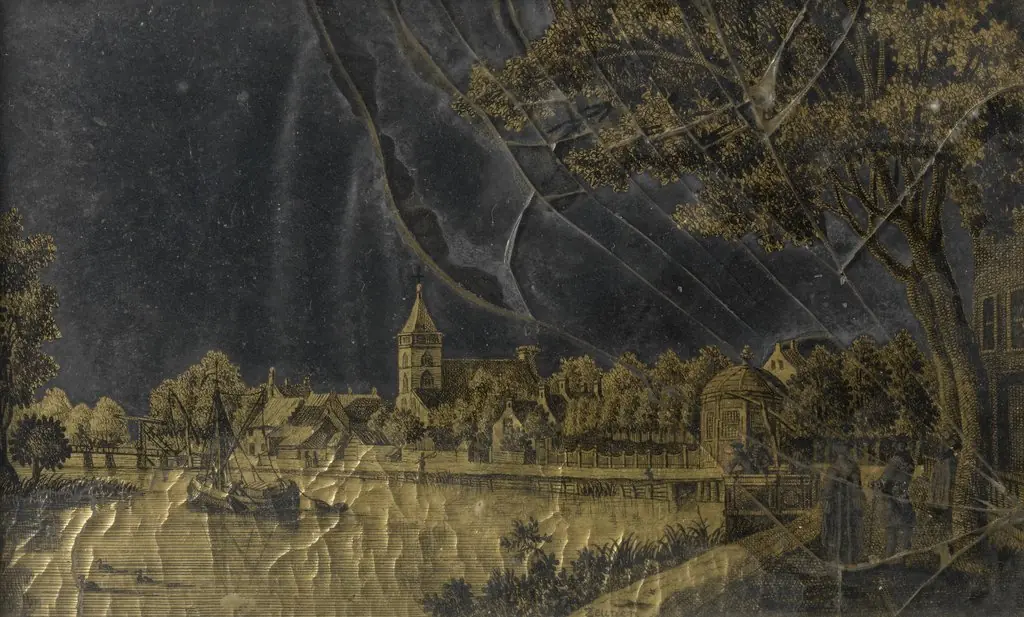 View of the Town of Vreeland on the Vecht River
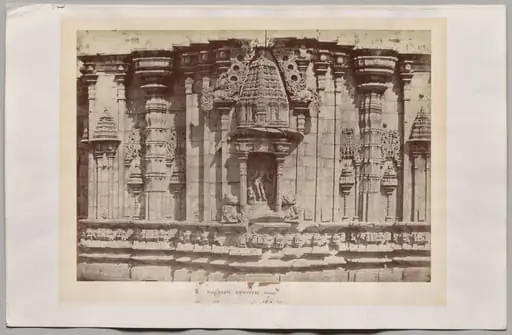 Kirwuttee, A Temple, India
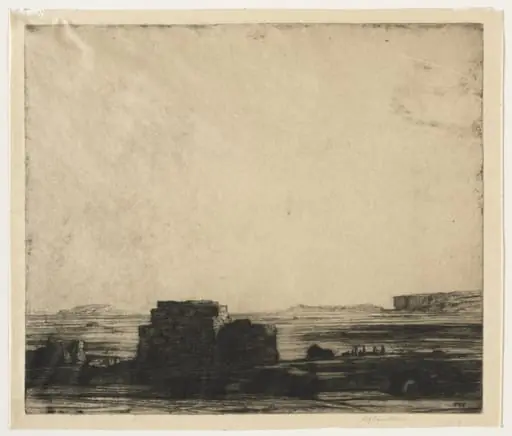 The Desert
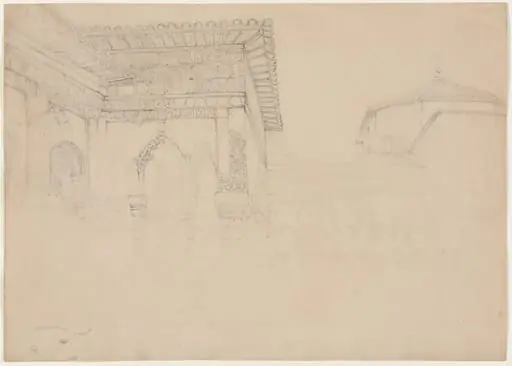 The Court of the Lions, Alhambra
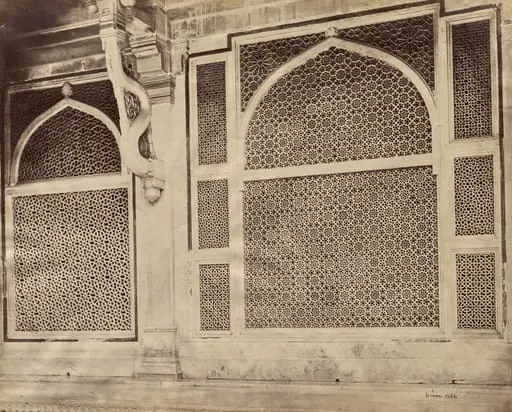 Futtypore Sikri—Two of the Marbled Screens in the Tomb of Sheik Selim Chisti