Artwork
The Taj Mahal
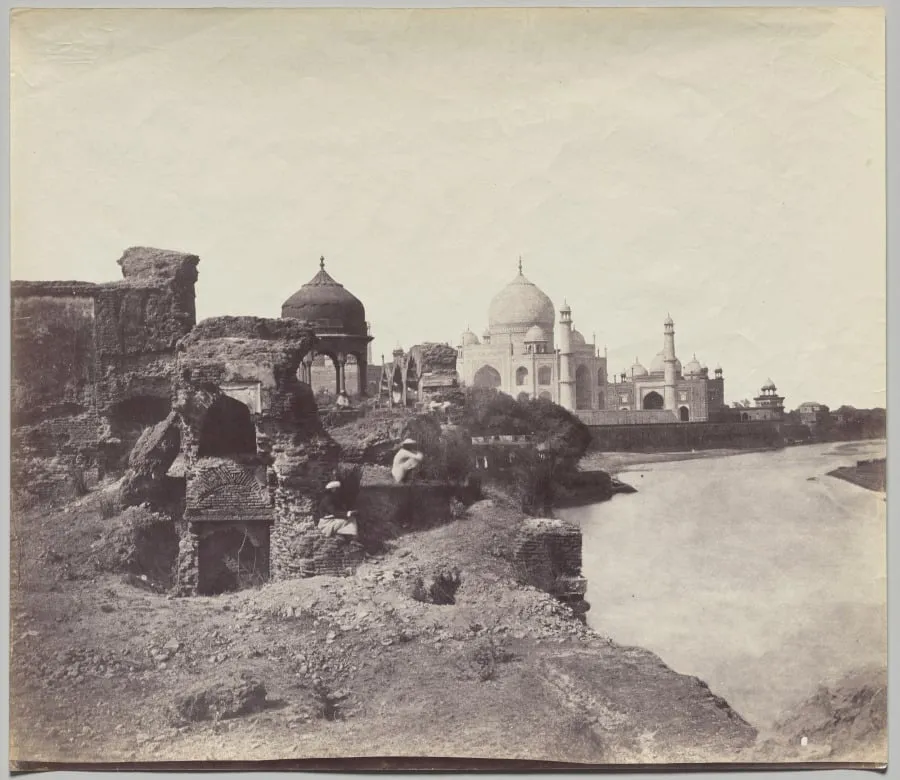
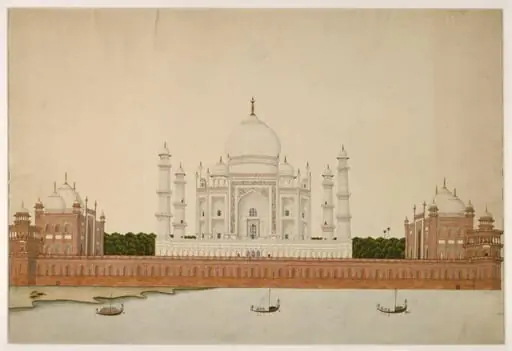
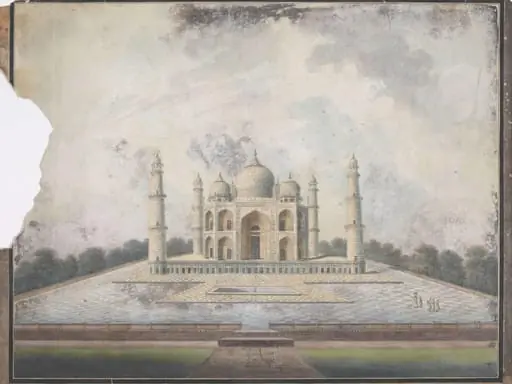
The Taj Mahal is a photography by the Impressionist artist Dr. John Murray. It dates from 1860 and is held in the collection of the Cleveland Museum of Art.
About this work
Overview
The photograph captures the Taj Mahal standing luminous across the Yamuna River, its white marble façade juxtaposed with deteriorating brick structures in the foreground. The composition frames the monument within a broader landscape, linking the enduring elegance of the mausoleum to the surrounding natural and built environment.
Subject & Meaning
By placing the pristine marble edifice beside decaying walls, the image suggests a dialogue between permanence and decay, hinting at the cycles of cultural ascendancy and decline. The ruined structures evoke a vanished civilization, while the Taj’s immaculate presence conveys a sense of preserved aesthetic achievement.
Technique & Style
Taken in the 1850s by photographer Murray, the picture employs a high-contrast, chiaroscuro-like effect that emphasizes the bright marble against the dark, weathered bricks. The early photographic process required long exposure and careful composition, resulting in a deliberate, almost painterly arrangement of light and shadow.
History & Provenance
Murray captured this scene during a period when photographic equipment was scarce, making the work an early example of documentary photography in India. The image originates from the mid‑19th century and has been preserved in museum archives, illustrating both the technological constraints of the era and the photographer’s intent to record cultural juxtaposition.
Artist & collection

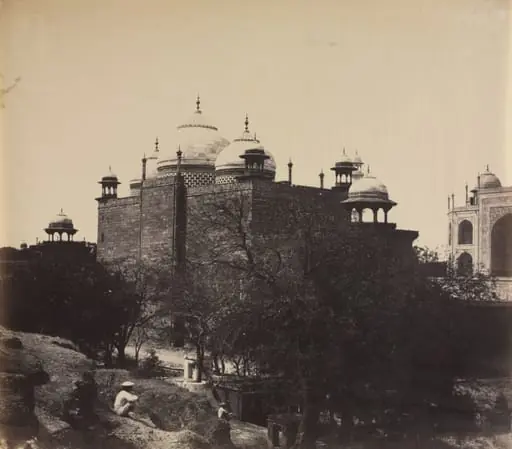
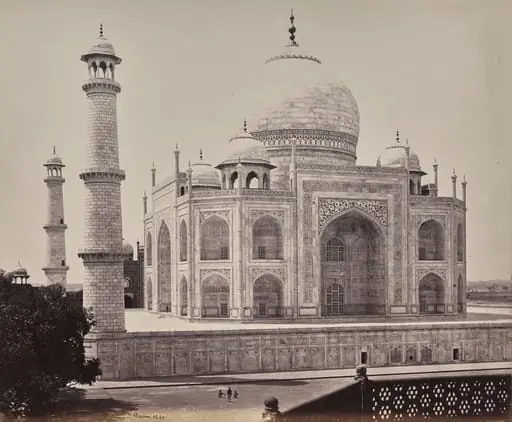 Agra. View of the Taj from a Corner in the Quadrangle
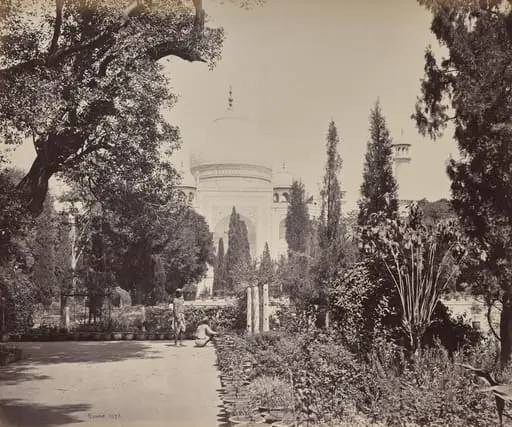 Agra. View of the Taj from the Garden
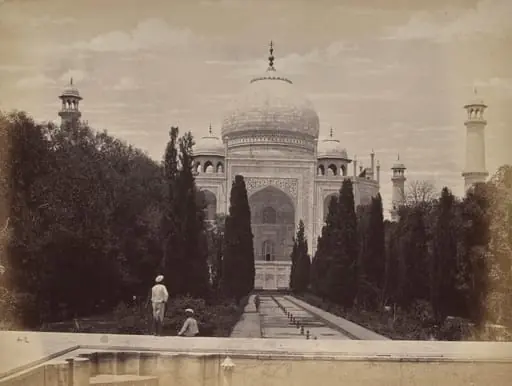 Agra. View of the Taj in Front of Nootkan (The Light of the World), Wife of the Emperor Akbar, View from the River
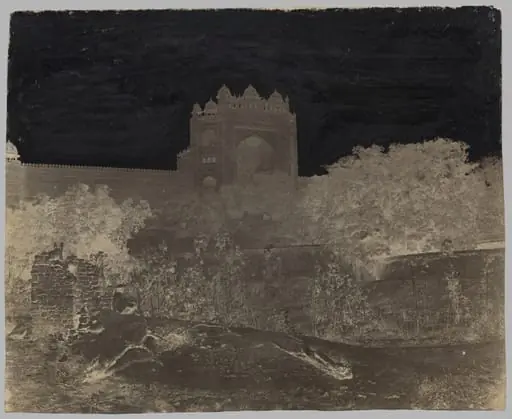
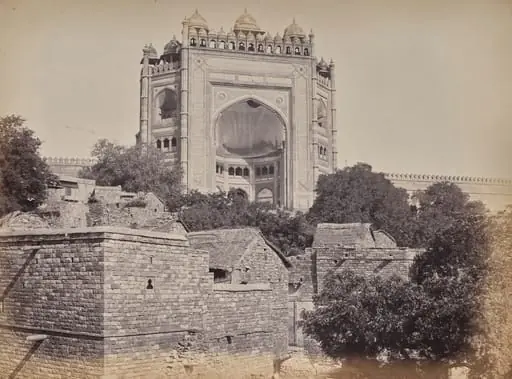 Futheypoor Sikre Guard Gate of the Fort
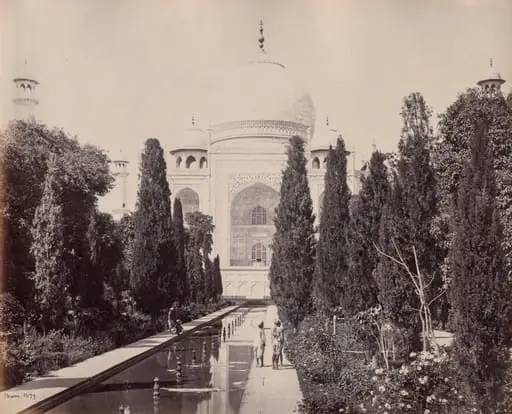 The Taj
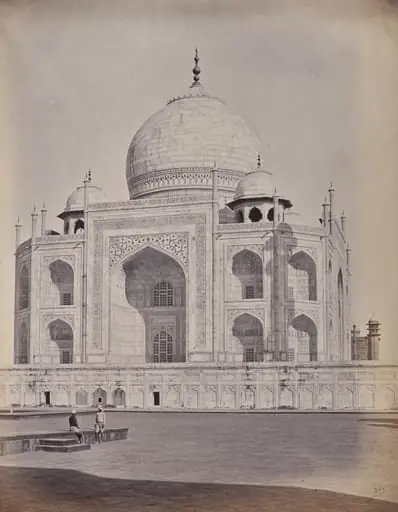 Agra. The Taj, the Central of Principal City
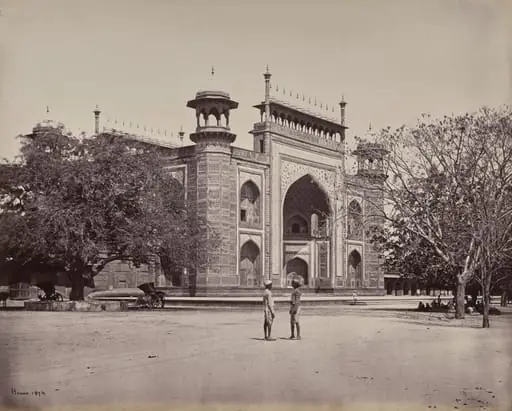 Agra. The Gateway of the Gardens Surrounding the Taj
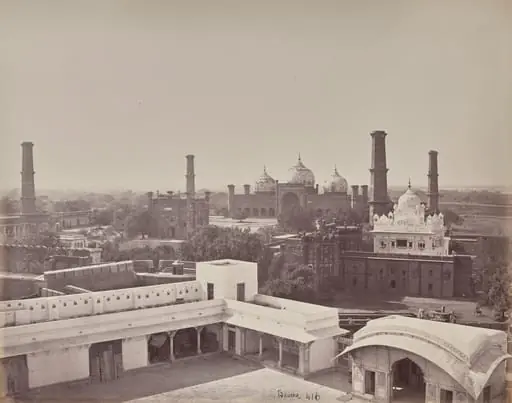 View of the City of Lahore Taken from the Roof of the Palace in the Fort
 The Taj Mahal
 The Taj Mahal, Agra