Artwork
Image
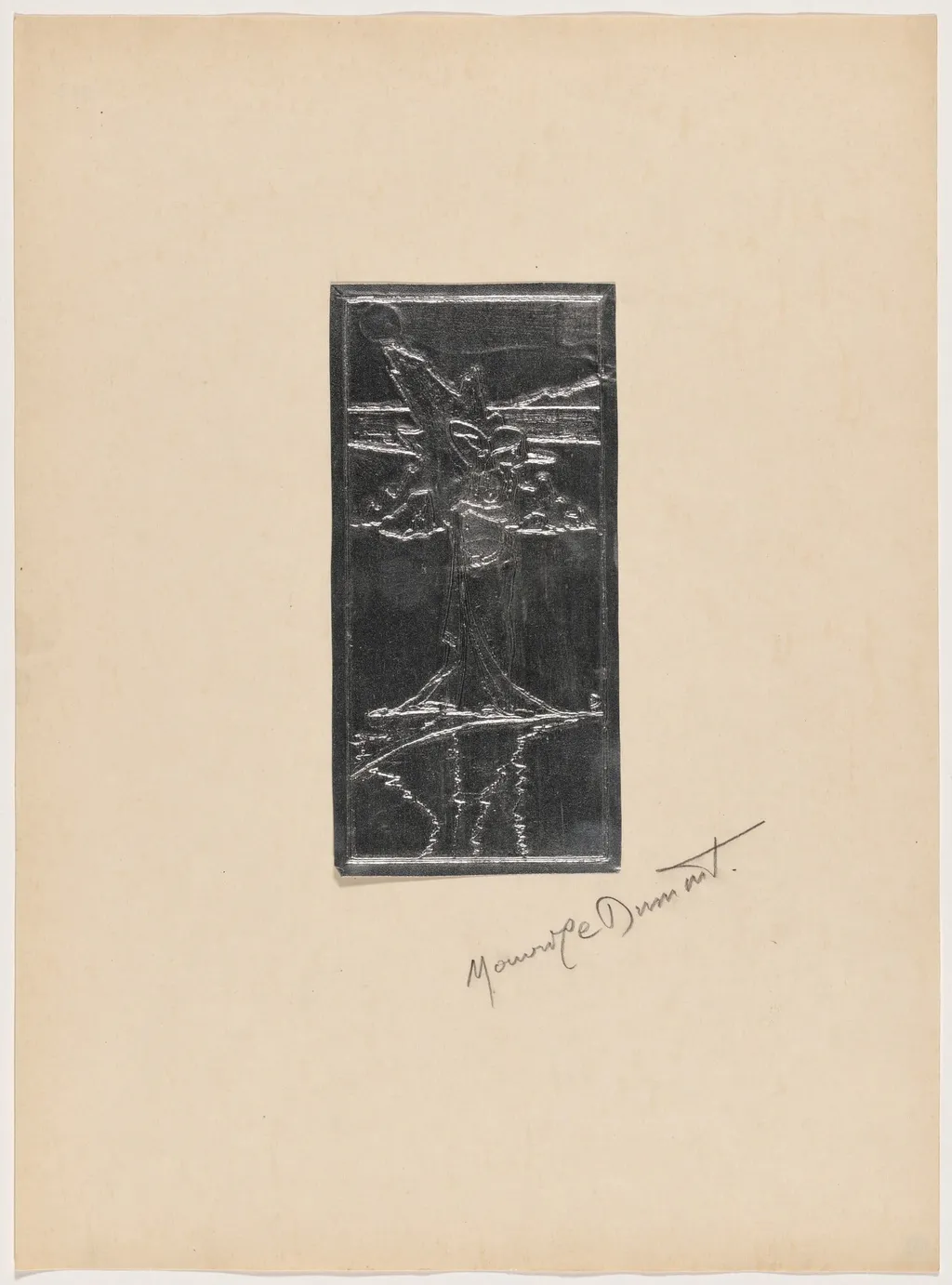
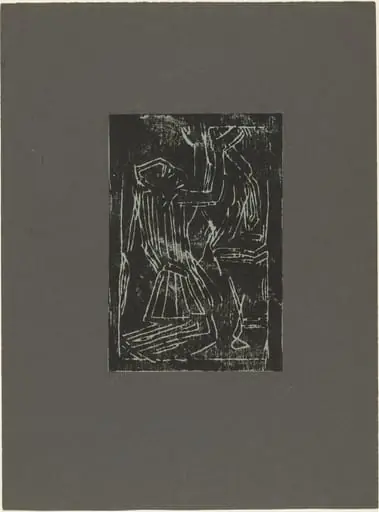
Image is an ink print by the Impressionist artist Maurice Dumont. It dates from 1895 and is held in the collection of the National Gallery of Art.
About this work
Overview
Maurice Dumont’s 1895 work titled Image is an inkless embossment printed on silver paper and affixed to a sheet of heavy Japanese paper. The piece functions as a print, though its image emerges through relief rather than pigment, giving it a subtle three‑dimensional quality.
Subject & Meaning
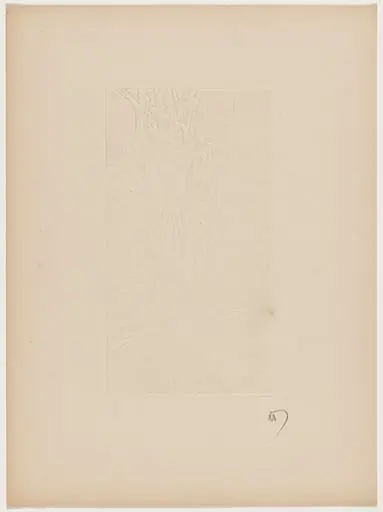
The composition presents a solitary human figure rendered in a minimalist fashion. The body is depicted with outstretched arms and legs set apart, the outline traced in faint, precise lines against an unadorned dark field, suggesting a focus on posture and form rather than narrative detail.
Technique & Style
Dumont achieved the image by embossing the paper, pressing the design into the surface without using ink. This method creates a raised surface that catches light, producing a delicate, map‑like relief. The choice of silver paper adds a muted sheen that enhances the tactile effect.
History & Provenance
Created in 1895, Image reflects Dumont’s experimentation with non‑traditional print processes during the late nineteenth century. The work’s mounting on Japanese paper indicates an interest in integrating Western and Eastern material cultures, a practice common among artists of the period.
Context
The piece belongs to a broader movement of printmakers who explored embossing and other non‑ink techniques to challenge conventional notions of drawing and print. Its stark composition aligns with contemporary trends toward abstraction and the reduction of visual elements to essential forms.
Artist & collection

 Christ
 Léger relief pour une reliure (Light Relief for a Binding)
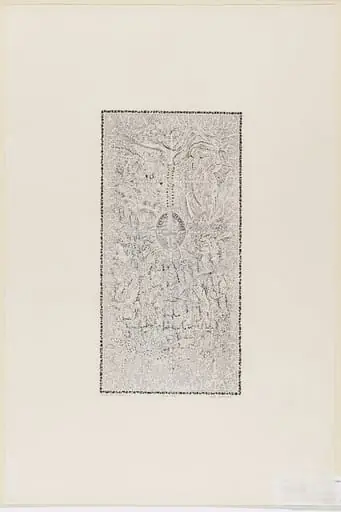 Untitled
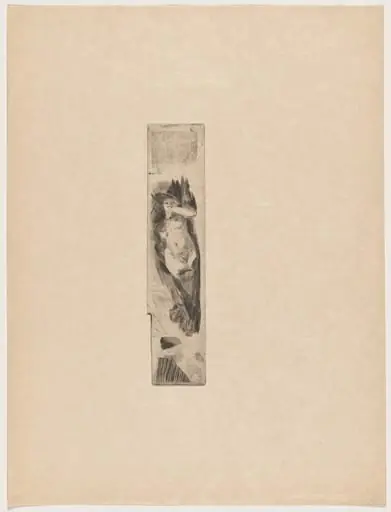 Etude de nu (Study of a Nude)
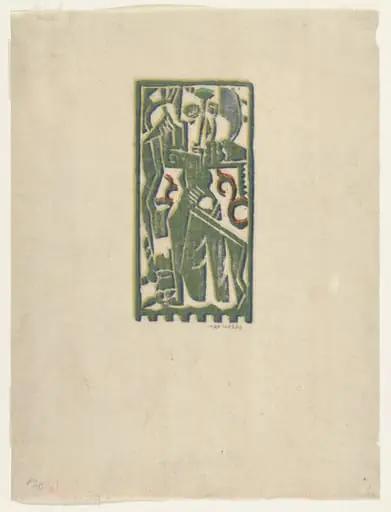 Untitled
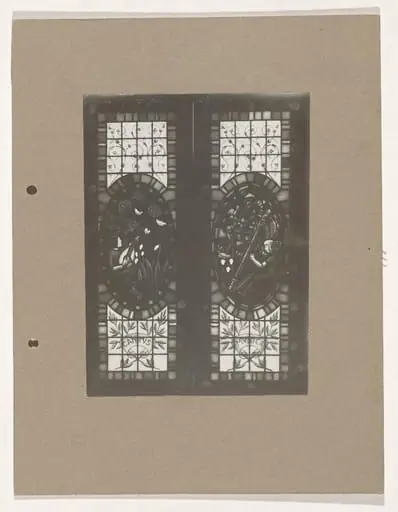 lasimaalaus, Kymintehdas, cantus musica
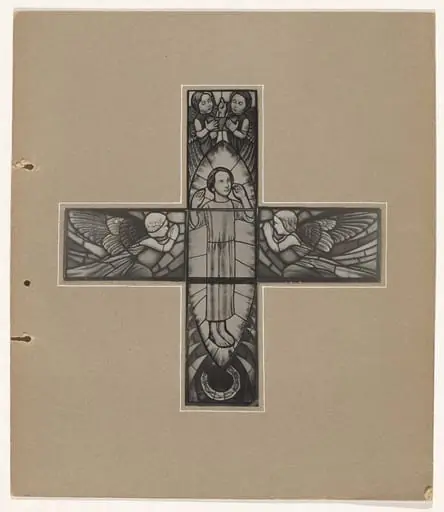 ristinmuotoinen lasimaalaus, Olaus Petrin kirkko
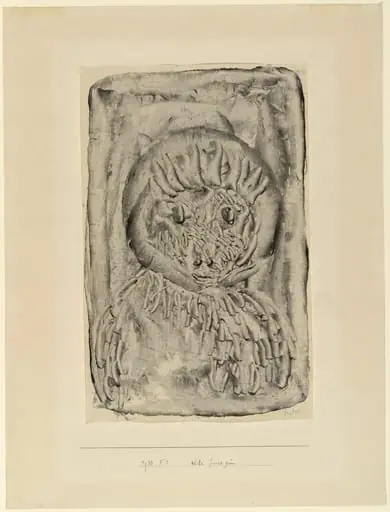 Untitled
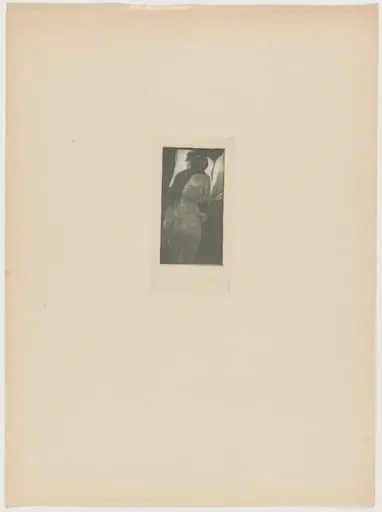 Départ pour le sabbat (Departure for the Sabbath)
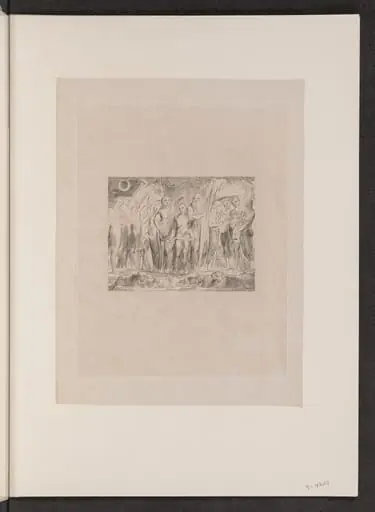 Job and His Family Restored to Prosperity
 Untitled