Artwork
The Temple of Minerva Medica
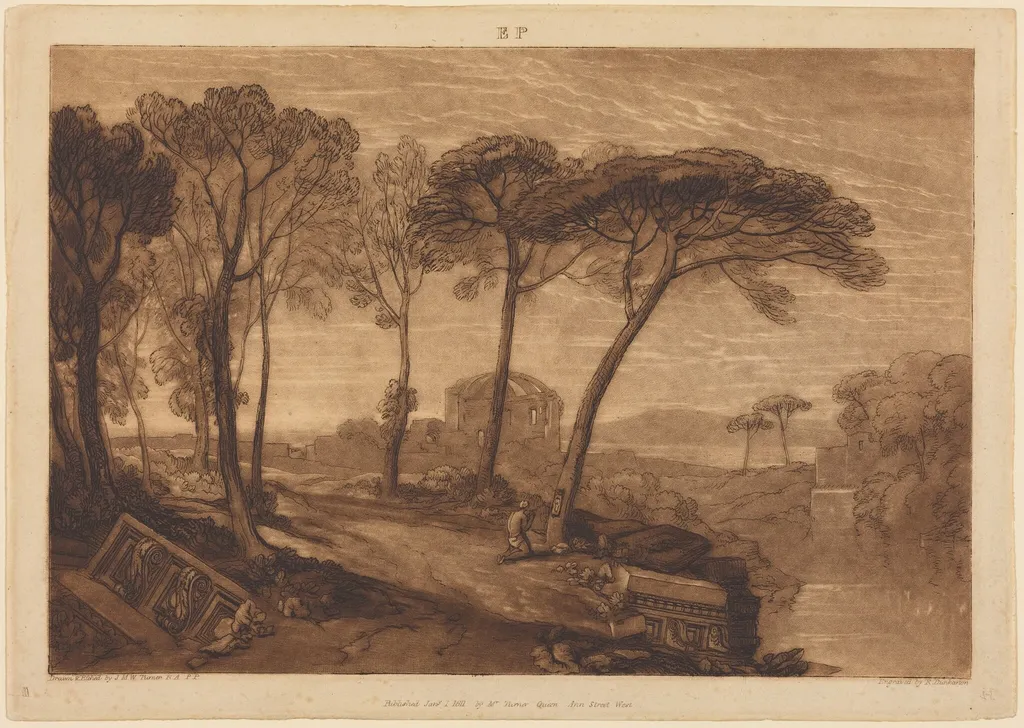
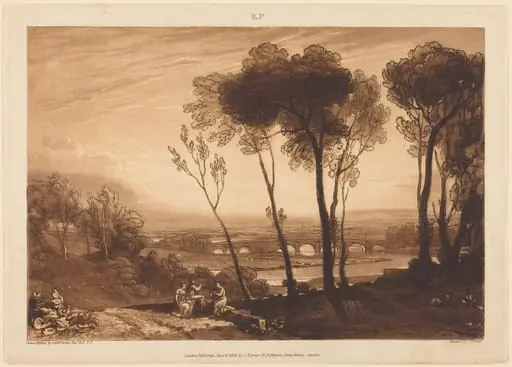
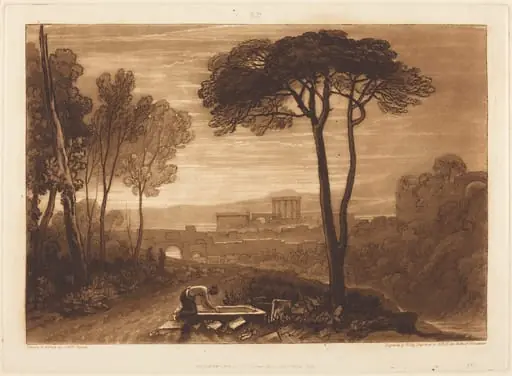
The Temple of Minerva Medica is an ink print by the Romanticist artist Robert Dunkarton. It dates from 1811 and is held in the collection of the National Gallery of Art.
About this work
Overview
The Temple of Minerva Medica is a print created by English mezzotint engraver Robert Dunkarton in 1811, combining etching and mezzotint techniques. The work transitions from Dunkarton's earlier portrait focus to a mythological subject, characteristic of his later style.
Subject & Meaning
The print portrays a serene, mythological scene featuring a lone figure amidst ancient ruins, including a broken stone structure and a distant building set against rolling hills. Four tall trees frame a central path, evoking a sense of exploration and contemplation within a peaceful, natural setting.
Technique & Style
Dunkarton's clear, finished style is evident in the print's execution. A blend of fine lines and nuanced mezzotint shading brings depth and vitality to the trees, while softer browns and blacks unify the composition, contrasting the ancient, weathered stonework with the serene landscape.
History & Provenance
Created in 1811, The Temple of Minerva Medica marks a period in Dunkarton's career when he shifted towards mezzotint engraving after initial success with portraits in crayon and oil, exhibited at the Royal Academy and Spring Gardens until 1779.
Context
Though the subject is mythological, the emphasis on a solitary figure exploring ruins reflects a late 18th to early 19th-century European fascination with antiquity and the sublime in natural landscapes.
Legacy
While specific legacy details of The Temple of Minerva Medica are not highlighted, Dunkarton's contribution to the development of mezzotint engraving in England during his active years (1770-1815) is notable, with this work exemplifying his technical proficiency.
Artist & collection

Artist
Robert Dunkarton (1744 – c. January 1815) was an English mezzotint engraver. He was born in London and was a pupil of Pether, and painted a few portraits, some of which, as also some portraits in crayons, were exhibited…

 The Bridge in Middle Distance
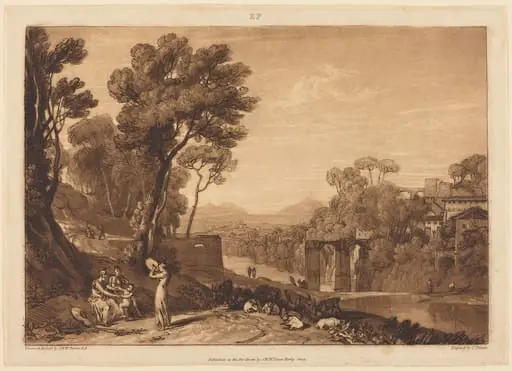 The Woman and Tambourine
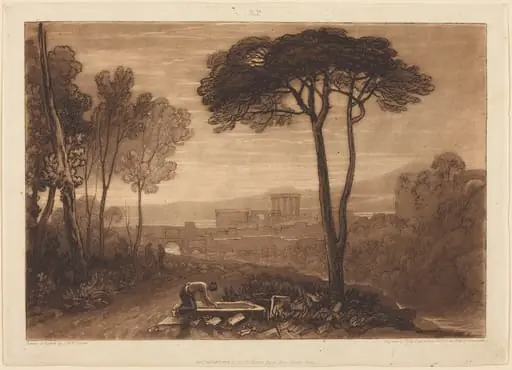 Scene in the Campagna
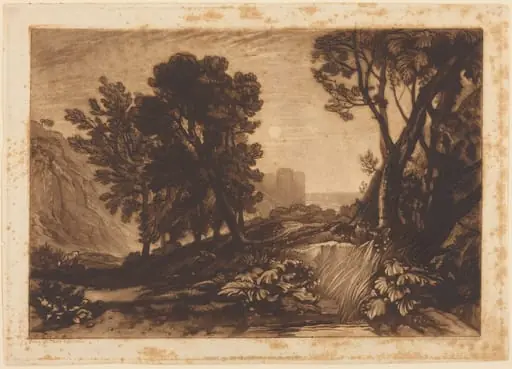 Solitude
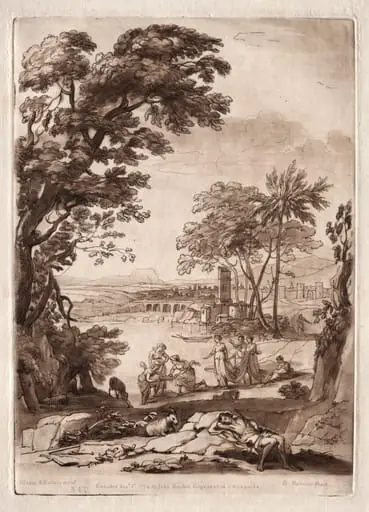 Liber Veritatis: No. 47, A River Scene with the Finding of Moses
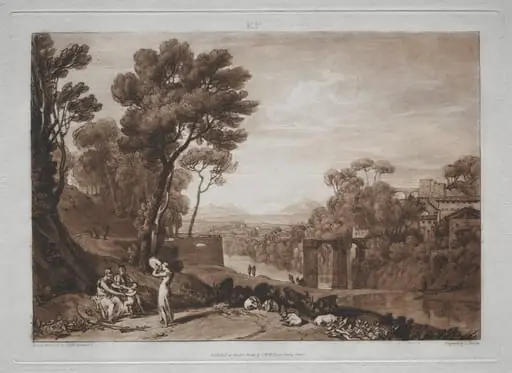 Liber Studiorum: The Woman and the Tambourine
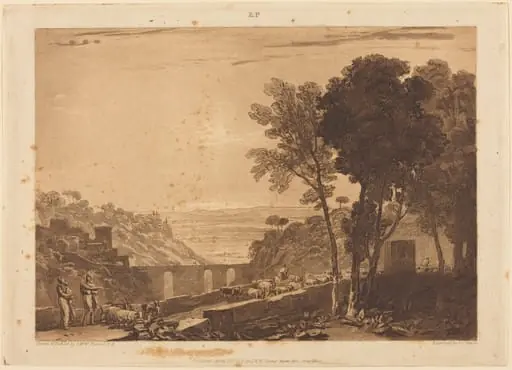 The Bridge and Goats
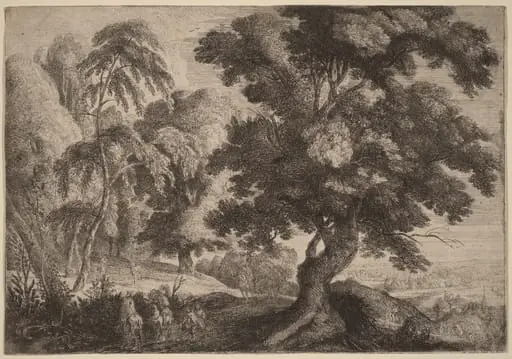 Landscape with Two Deer
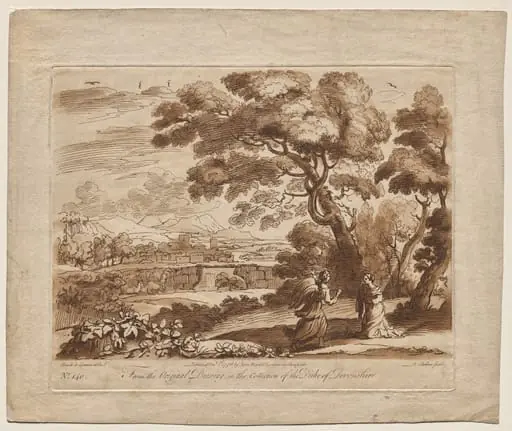 Landscape, Plate No. 140
 Hut with the Remains of a Hedge
 Procris and Cephalus
 Scene in the Campagna