Artwork
Rip Van Winkle
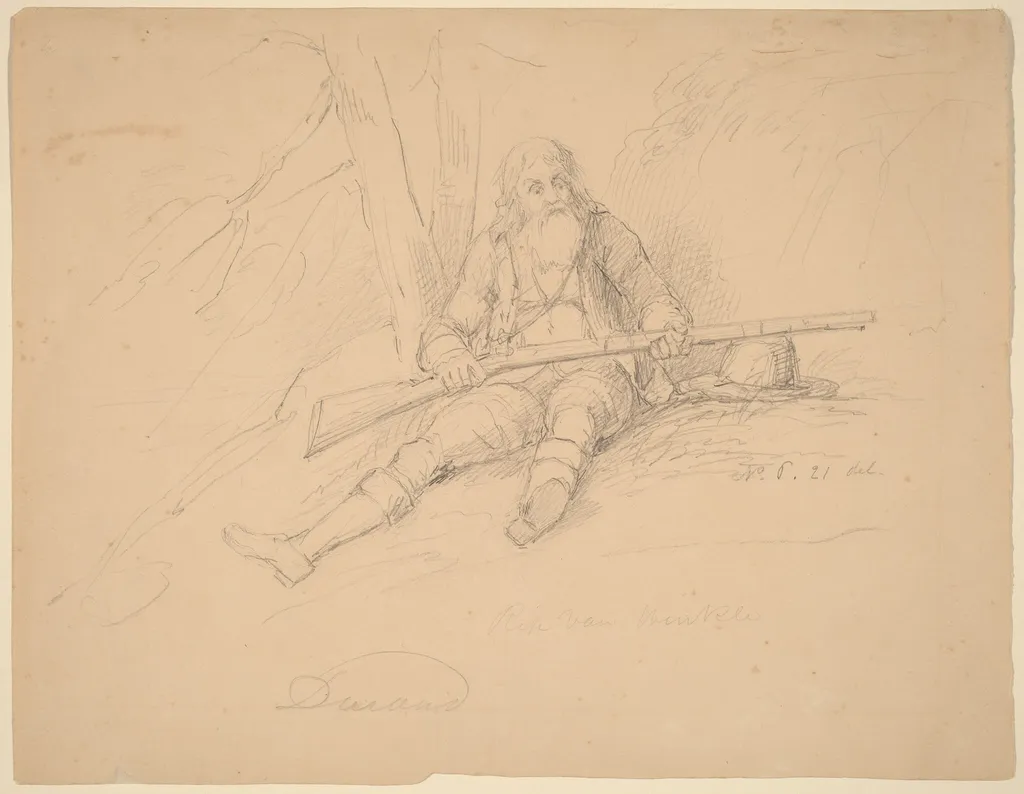
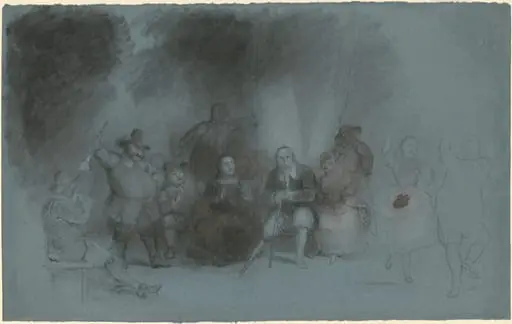
Rip Van Winkle is a graphite drawing by the Romanticist artist Asher Brown Durand. It dates from 1840 and is held in the collection of the National Gallery of Art.
About this work
Overview
Asher Brown Durand produced this graphite drawing around 1840, depicting a scene from Washington Irving’s literary tale. Executed on wove paper, the work belongs to a series of illustrations Durand made for American narratives, reflecting his interest in blending literary themes with naturalistic observation. The medium’s simplicity underscores the quiet, introspective mood of the subject.
Subject & Meaning
His prolonged slumber, spanning twenty years, symbolizes the passage of time and the quiet transformation of American society.
The drawing illustrates Rip Van Winkle, the titular character of Washington Irving’s story, asleep beneath a tree after a mysterious encounter in the Catskill Mountains. His prolonged slumber, spanning twenty years, symbolizes the passage of time and the quiet transformation of American society. Durand captures Rip’s stillness amid an untouched landscape, emphasizing isolation and the weight of lost years.
Technique & Style
Durand employed fine graphite lines to model form and texture with subtle gradations, avoiding bold contrasts. The delicate rendering of foliage and rock surfaces demonstrates his attention to natural detail, characteristic of his Hudson River School sensibility. The composition is restrained, focusing attention on the solitary figure and the dense, atmospheric surroundings.
History & Provenance
Created during Durand’s early career, this drawing likely served as a preparatory study for a larger illustration or print. It remained in private collections through the 19th century before entering a public institution. Its survival as a standalone work reflects its value as a document of Durand’s engagement with American literary culture beyond his more famous paintings.
Context
In the 1840s, American artists increasingly turned to native stories and landscapes to define a distinct cultural identity. Durand’s engagement with Irving’s tale aligned with this movement, positioning art as a vehicle for national mythmaking. The drawing reflects broader efforts to elevate illustration and graphic art as serious expressions of American thought.
Legacy
Though less known than Durand’s oil paintings, this drawing exemplifies his commitment to capturing the American landscape as a vessel for narrative. It influenced later illustrators who sought to merge literary themes with naturalistic draftsmanship. The work remains a quiet testament to the intersection of literature and visual art in 19th-century America.
Artist & collection


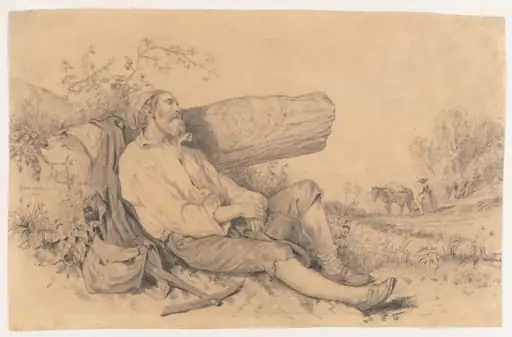 Sleeping Field Worker
 The Earth Stopper
 Irish Fisherman
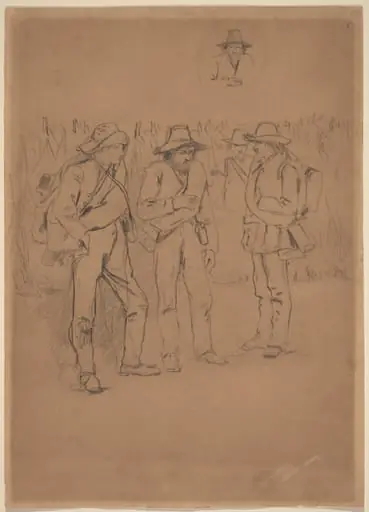 Prisoners of War
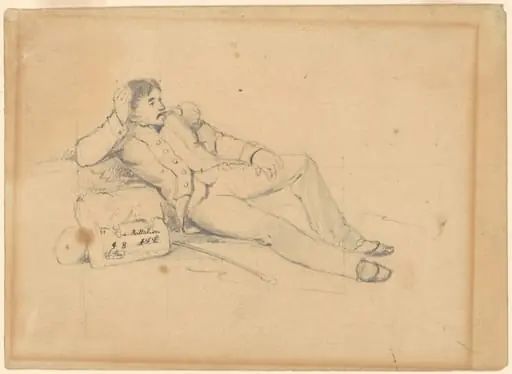 Relaxing Soldier
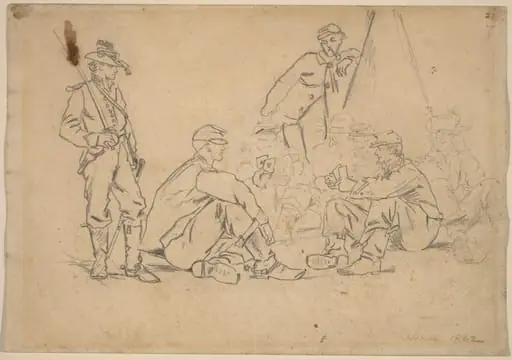 Playing Cards
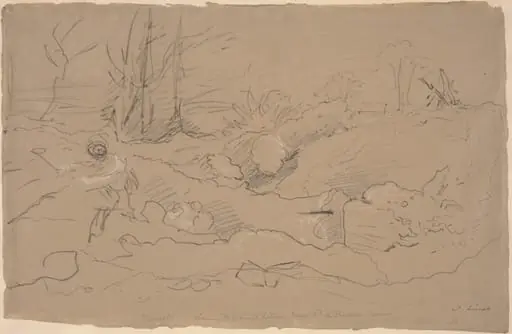 Bayswater, Clearing the Ground between Queen's Road and Porchester Terrace
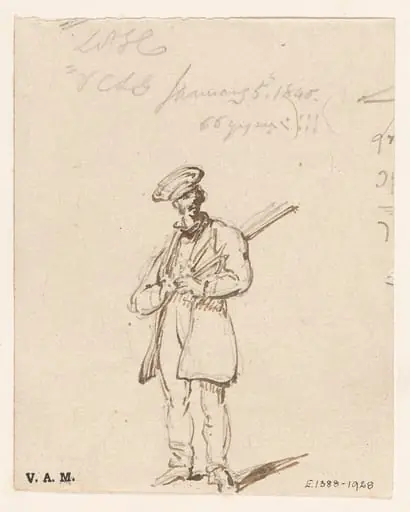 A soldier, Macau
![Study for "White Mountains from North Conway, New Hampshire" [recto], by David Johnson](https://artifactworldgallery.com/img/david-johnson--study-for-white-mountains-from-north-conway-new-hampshire-re--16905831c859cc03-w320.webp) Study for "White Mountains from North Conway, New Hampshire" [recto]
Study for "White Mountains from North Conway, New Hampshire" [recto]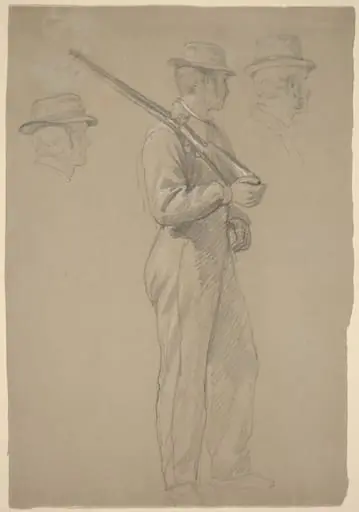 Recruit; Two Studies of Heads
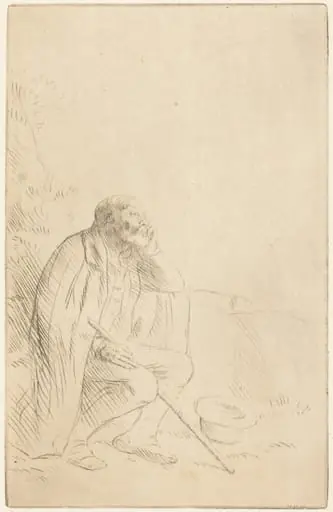 Day-dream (Le reveur)
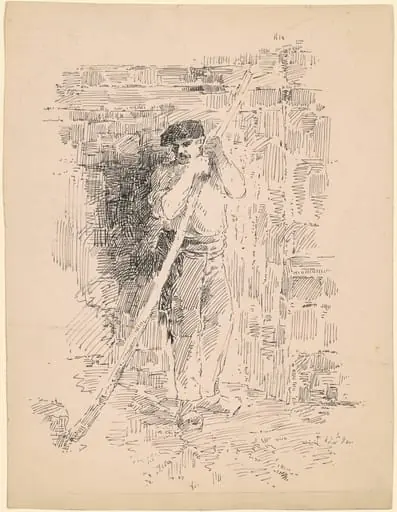 Peasant