Artwork
Antonio Canova
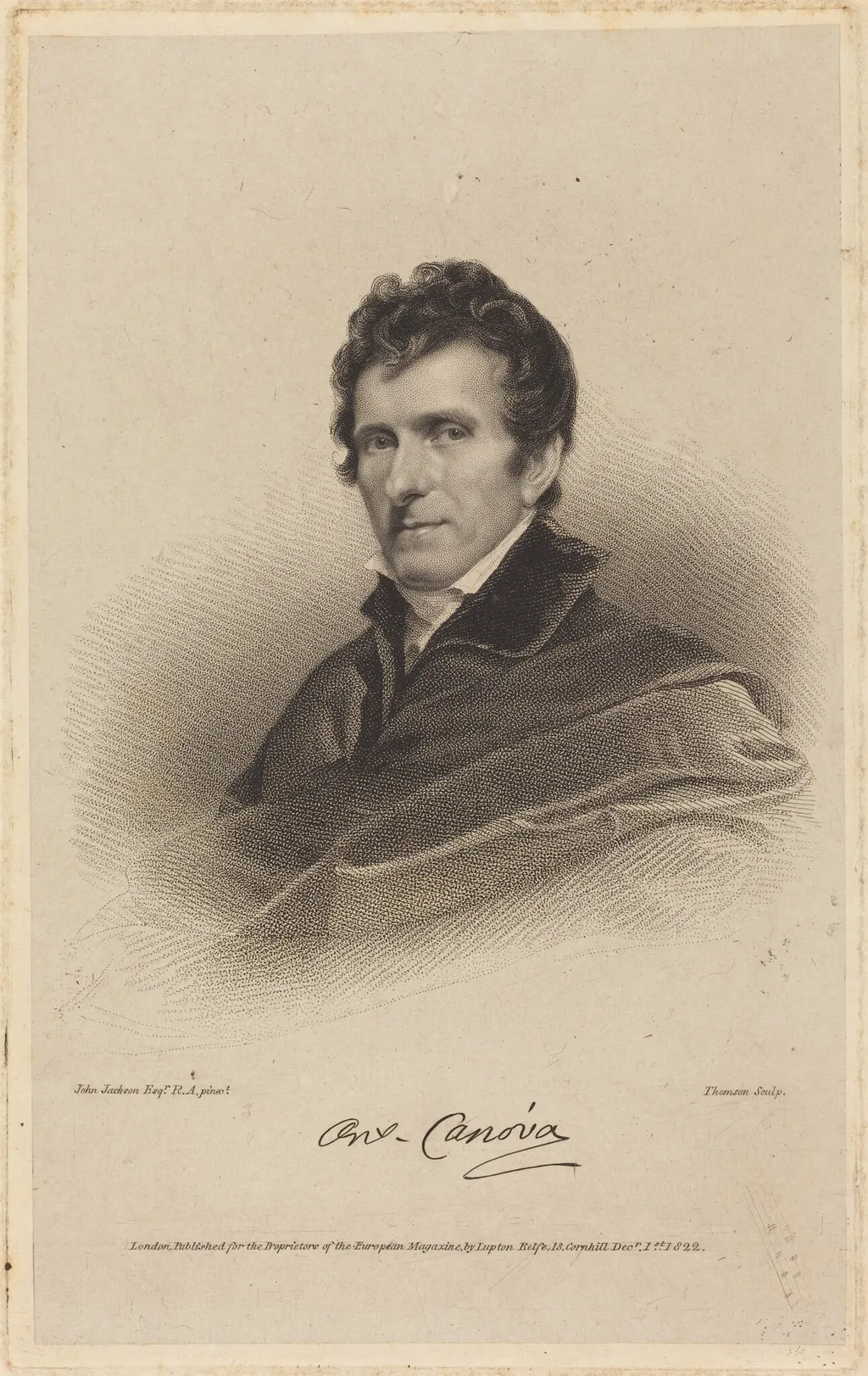
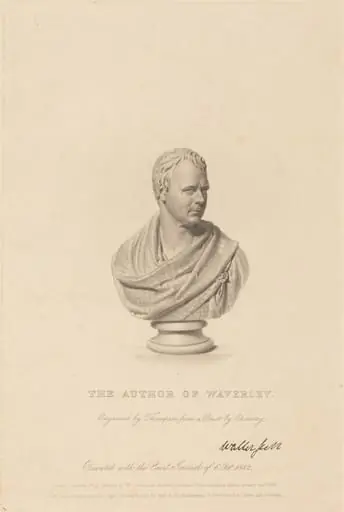
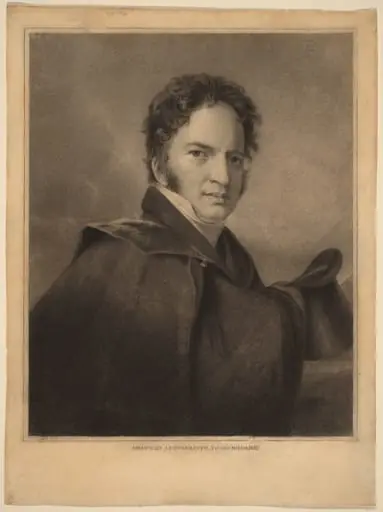
Antonio Canova is an ink print by the Romanticist artist James Thomson. It dates from 1822 and is held in the collection of the National Gallery of Art.
About this work
Overview
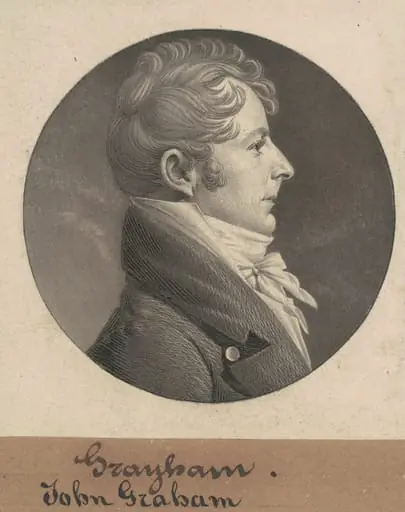
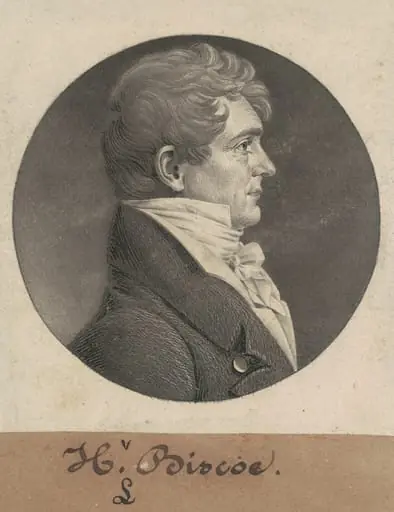
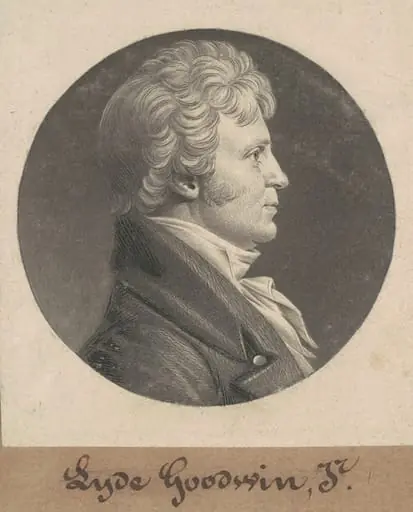
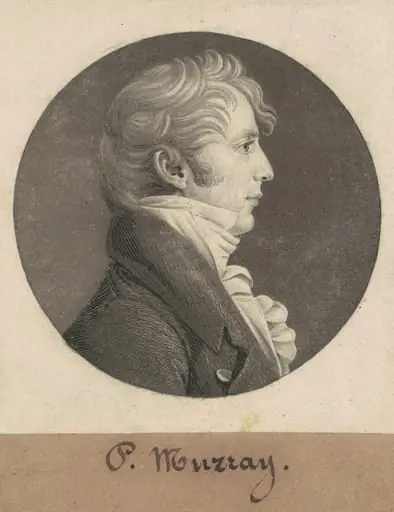
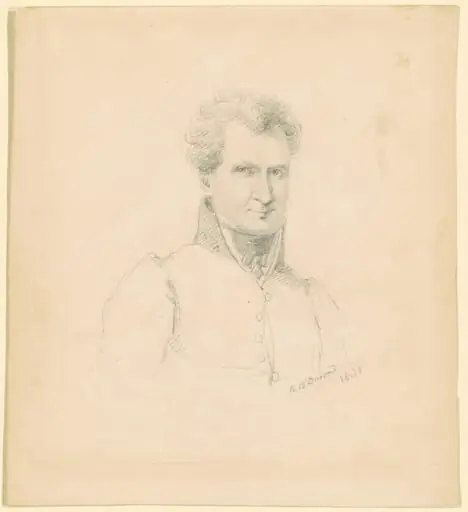
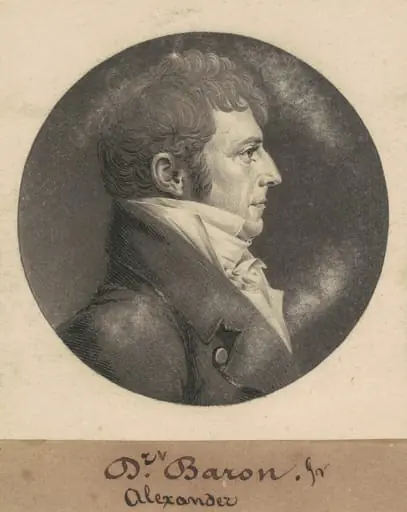
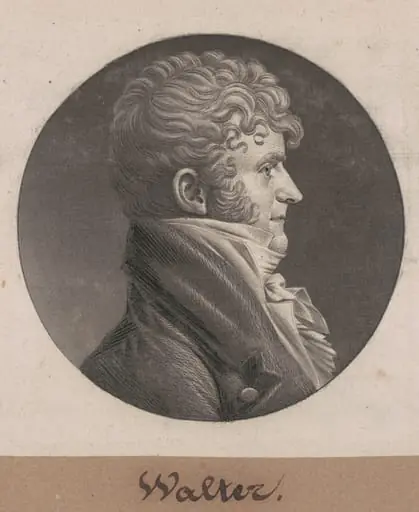
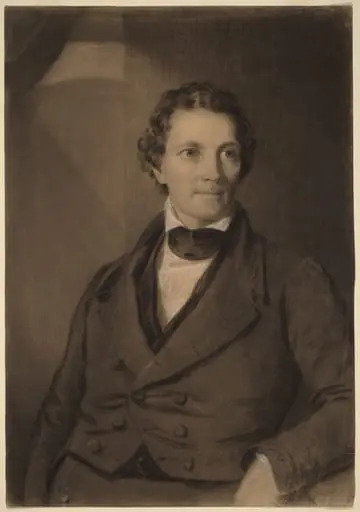
Rendered in black and white, the image shows a gentleman with curled hair, a high collar, and a dark jacket, his head turned slightly away from the viewer.
This 1822 stipple engraving, executed on papier collé, presents a likeness of the renowned sculptor Antonio Canova. Rendered in black and white, the image shows a gentleman with curled hair, a high collar, and a dark jacket, his head turned slightly away from the viewer. The plain background isolates the figure, directing attention to his facial expression and the delicate modeling of his features.
Subject & Meaning
The portrait serves as a visual record of Canova, whose neoclassical sculptures defined early‑19th‑century art. By focusing on his contemplative gaze and refined attire, the image conveys the artist’s intellectual stature and the dignified bearing associated with his reputation as a leading figure in the European artistic community.
Technique & Style
James Thomson employed the stipple method, building form through a dense network of tiny dots and fine strokes. This approach allows subtle gradations of tone, producing a soft modeling of flesh and fabric. The use of papier collé—a paper support adhered to a backing—provides a smooth surface that enhances the precision of the stippling.
History & Provenance
Created in 1822, the print was likely issued shortly after Canova’s death in 1822, contributing to the posthumous circulation of his image. The engraving bears Thomson’s signature, confirming his authorship, and has been catalogued among early 19th‑century portrait prints that disseminated likenesses of eminent cultural figures.
Context
Stipple engraving flourished in the late 18th and early 19th centuries as a means of reproducing portraits with greater tonal subtlety than line engraving. Thomson’s work reflects this trend, offering a refined alternative to traditional line work and aligning with contemporary tastes for delicate, paper‑based portraiture that could be widely distributed.
Artist & collection