Artwork
Three Crowns Supported by Two Sceptres [left half]
![Three Crowns Supported by Two Sceptres [left half], by Dutch 17th Century, ink, 1650](https://artifactworldgallery.com/img/dutch-17th-century--three-crowns-supported-by-two-sceptres-left-half--f6b61a3078075d6c-w1024.webp)
Three Crowns Supported by Two Sceptres [left half] is an ink print by the Baroque artist Dutch 17th Century. It dates from 1650 and is held in the collection of the National Gallery of Art. This engraving is the left half of a silver medal, created through meticulous line work on a metal surface.
About this work
Overview
The image was produced by engraving, a technique requiring precision and control, and later pulled as a print to reproduce the design.
This engraving is the left half of a silver medal, created through meticulous line work on a metal surface. The composition centers on three stacked crowns, flanked by two vertical sceptres that appear to bear their weight. The surrounding field is densely filled with ornamental patterns, suggesting a heraldic or ceremonial function. The image was produced by engraving, a technique requiring precision and control, and later pulled as a print to reproduce the design.
Subject & Meaning
The three crowns, elevated and supported by sceptres, likely symbolize authority—possibly royal, ecclesiastical, or imperial power. Their vertical arrangement implies hierarchy or unity among three domains. The sceptres, rendered with solidity, suggest protection or endorsement of this authority. The surrounding motifs, though decorative, may carry symbolic weight, reinforcing themes of sovereignty, legitimacy, or divine right within a formal emblematic tradition.
Technique & Style
The artist employed fine cross-hatching to model form and depth, using layered lines to create subtle gradations of light and shadow. This method, common in Renaissance and early modern engraving, allowed for intricate texture and volume without color. The precision of the lines reflects a highly skilled hand, with each stroke contributing to the three-dimensional illusion of the crowns and sceptres against a flat, patterned background.
History & Provenance
The original silver medal, now only partially preserved, was likely commissioned for a specific occasion—perhaps a coronation, diplomatic gift, or commemorative event. The engraving was made by cutting the design into the metal surface, then struck to produce impressions. The surviving half suggests the medal may have been damaged or deliberately divided, with this fragment preserved as a standalone print.
Context
This work belongs to a tradition of heraldic medallic art popular in early modern Europe, where rulers and institutions used engraved metal to project power and legitimacy. Similar designs appear in royal insignia and ecclesiastical regalia, often combining symbolic elements with elaborate ornamentation. The use of engraving, rather than painting or sculpture, allowed for wider dissemination through printed impressions, extending the image’s reach beyond the original object.
Legacy
Though the full medal is lost, this fragment remains a testament to the craftsmanship of early modern engravers and the symbolic language of authority in visual form. It contributes to the study of emblematic design and the material culture of power, offering insight into how sovereignty was visually encoded and reproduced. Its survival as a print underscores the role of printmaking in preserving and circulating elite imagery.
Artist & collection

Artist
This Dutch artist made small, sharp engravings and etchings—mostly portraits and sea battles—printed from metal plates.

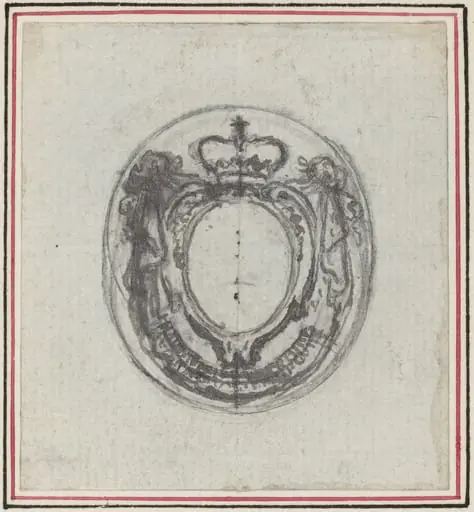 Armorial Cartouche with Crown and Swags
![Emblem of the Phoenix and the motto "Dieu et mon droit" [right half], by Dutch 17th Century](https://artifactworldgallery.com/img/dutch-17th-century--emblem-of-the-phoenix-and-the-motto-dieu-et-mon-droit-right--3ab125f8be6c5e10-w320.webp) Emblem of the Phoenix and the motto "Dieu et mon droit" [right half]
Emblem of the Phoenix and the motto "Dieu et mon droit" [right half]![Shield of James I [bottom half], by Simon van de Passe](https://artifactworldgallery.com/img/simon-van-de-passe--shield-of-james-i-bottom-half--5f78c9059311c27d-w320.webp) Shield of James I [bottom half]
Shield of James I [bottom half]![Charles I and Henrietta Maria Facing to the Left [right half], by Dutch 17th Century](https://artifactworldgallery.com/img/dutch-17th-century--charles-i-and-henrietta-maria-facing-to-the-left-right-half--1ba0d7b33cdf9484-w320.webp) Charles I and Henrietta Maria Facing to the Left [right half]
Charles I and Henrietta Maria Facing to the Left [right half]![Charles I and Henrietta Maria Facing to the Right [left half], by Dutch 17th Century](https://artifactworldgallery.com/img/dutch-17th-century--charles-i-and-henrietta-maria-facing-to-the-right-left-half--861063d40095507a-w320.webp) Charles I and Henrietta Maria Facing to the Right [left half]
Charles I and Henrietta Maria Facing to the Right [left half]![Shield of James I [bottom half], by Simon van de Passe](https://artifactworldgallery.com/img/simon-van-de-passe--shield-of-james-i-bottom-half--ba628f9c8498bd19-w320.webp) Shield of James I [bottom half]
Shield of James I [bottom half]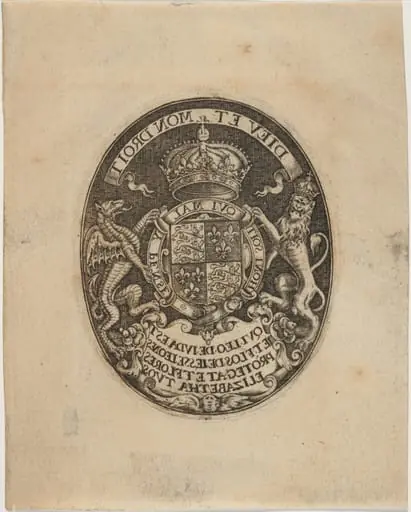 Shield of Queen Elizabeth
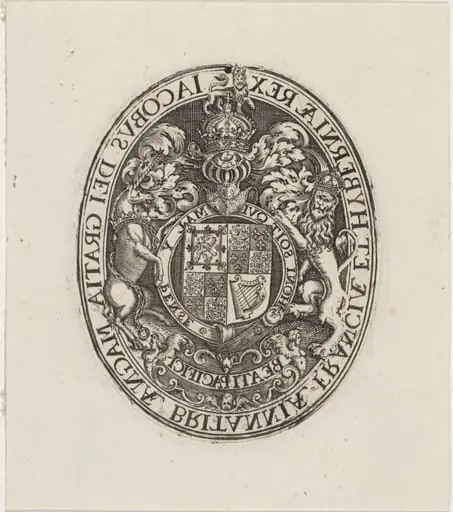 Shield of James I
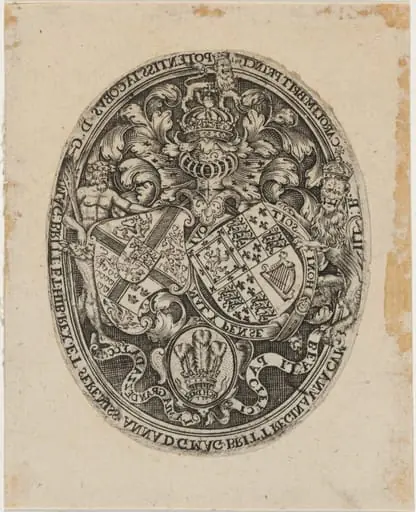 Shield of James I, Anne of Denmark, and Prince Charles