Artwork
Study of waterlilies and other plants
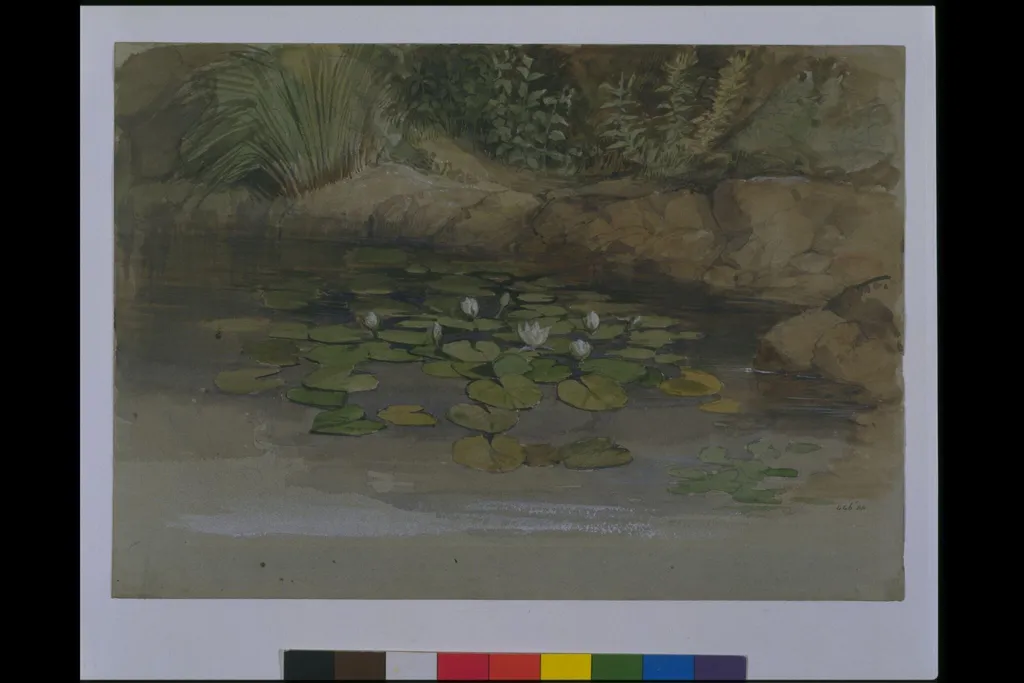
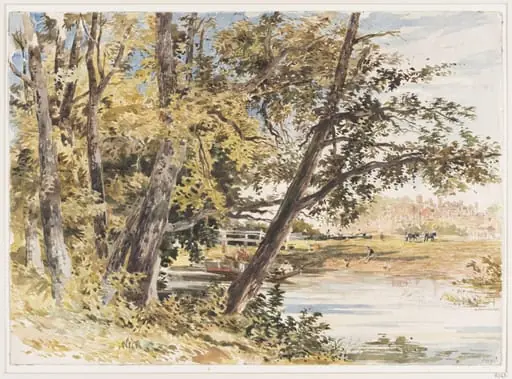
Study of waterlilies and other plants is a watercolor work on paper by the Pre-Raphaelite artist William Dyce. It dates from 1852 and is held in the collection of the Victoria and Albert Museum.
About this work
Overview
Study of waterlilies and other plants is a watercolour piece created by William Dyce in 1852, characterized by its serene depiction of a pond's aquatic and surrounding flora.
Subject & Meaning
The work focuses on the meticulous representation of natural elements, reflecting Dyce's adherence to observational accuracy and sincerity in subject matter, aligning with Pre-Raphaelite principles and John Ruskin's emphasis on direct engagement with nature.
Technique & Style
Executed in watercolour, the piece showcases smooth color blending, capturing the delicate textures of waterlilies and other plants. The palette predominantly features soft greens, browns, and muted blues, with accents of bright white, evoking a sense of calm and serenity.
Context
Created during a period influenced by Romanticism and the Pre-Raphaelite movement, this study demonstrates Dyce's blend of scientific observation and aesthetic appeal, highlighting the intersection of art and naturalism in mid-19th-century British art.
Legacy
While not widely recognized as a singular landmark, Study of waterlilies and other plants contributes to the broader legacy of Victorian-era naturalist art, reflecting the era's values of detailed observation and the beauty of the everyday natural world.
Artist & collection
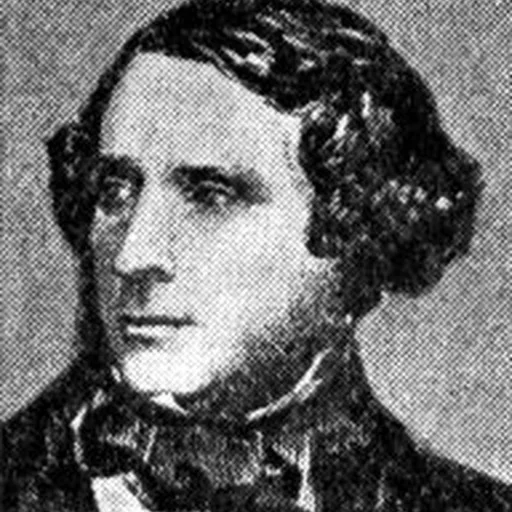
Artist
William Dyce (; 19 September 1806 in Aberdeen – 14 February 1864) was a Scottish painter, who played a part in the formation of public art education in the United Kingdom, and the South Kensington Schools system.


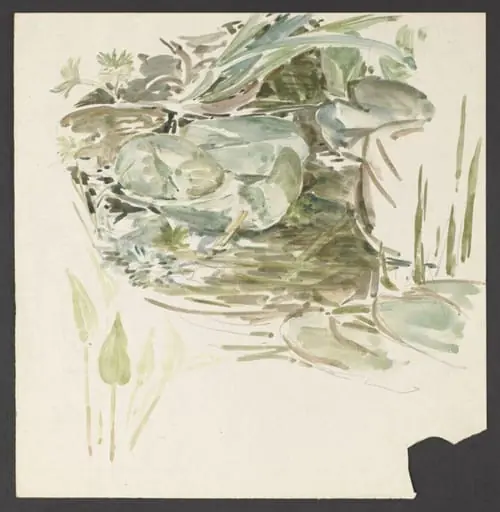 Study of waterlily leaves
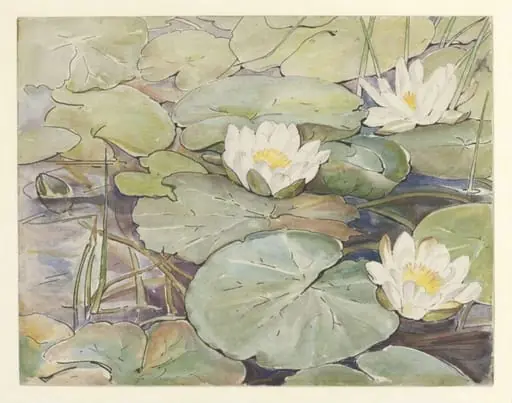 Untitled
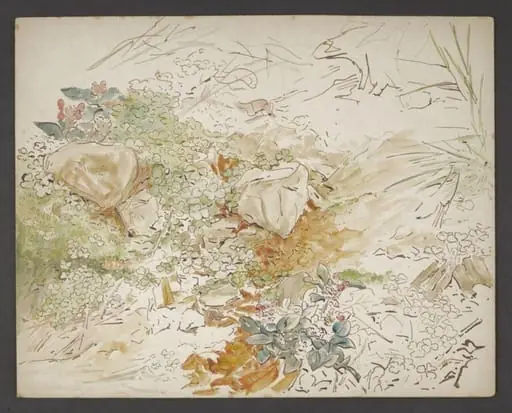 Study of a patch of ground with plants and rocks
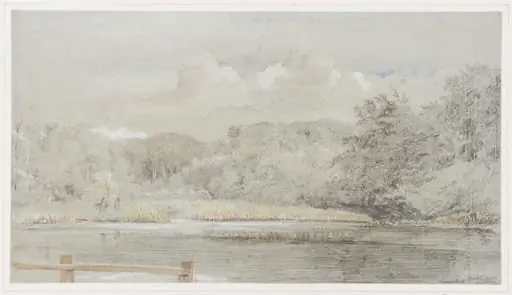 Crane's Mill, Abinger, Surrey
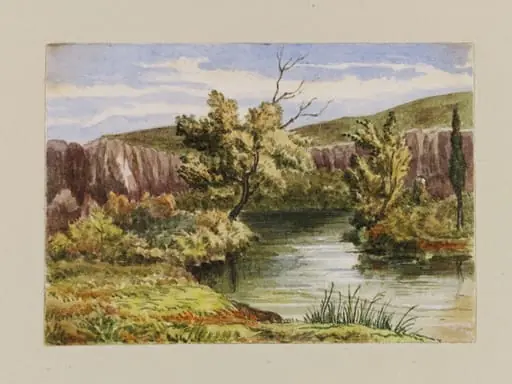 Jordan
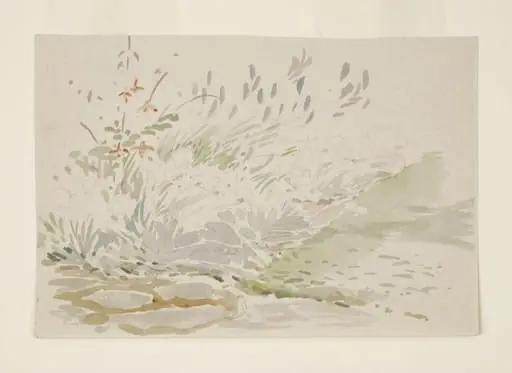 Sketch of a flower bed in the garden at Gwaynynog
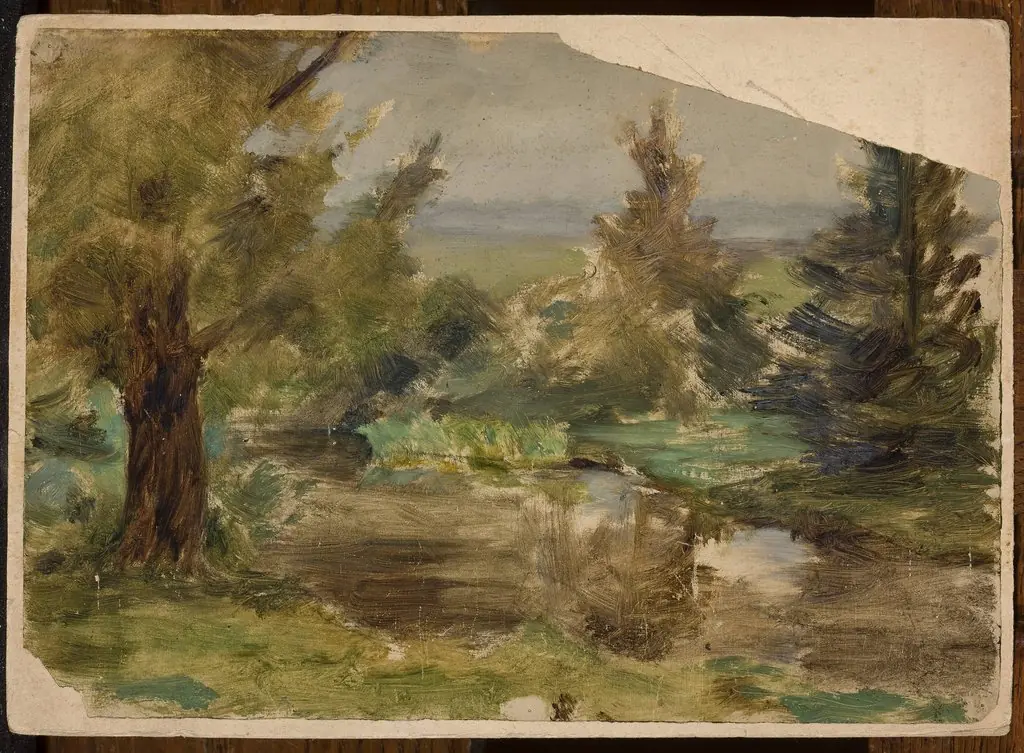 Study from Podolia
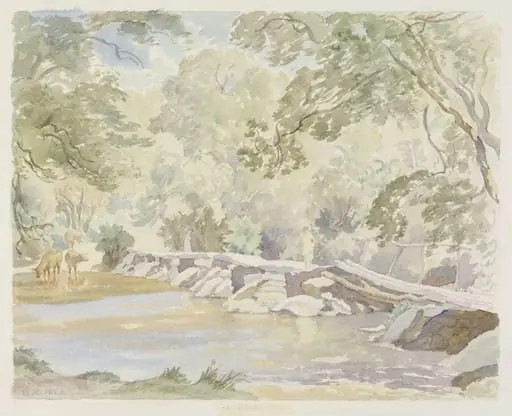 Tarr Steps, Exmoor
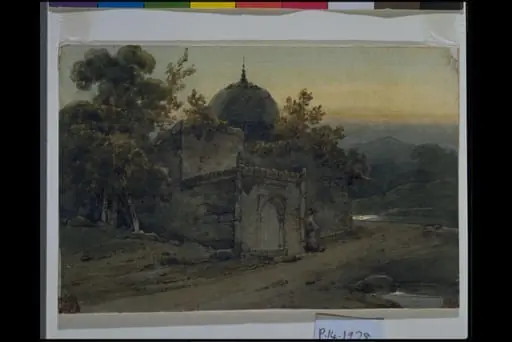 Chinese Temple, Evening
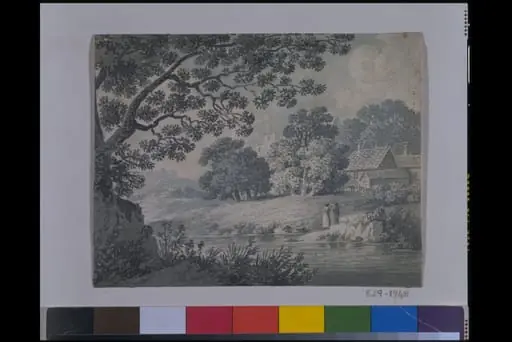 Untitled
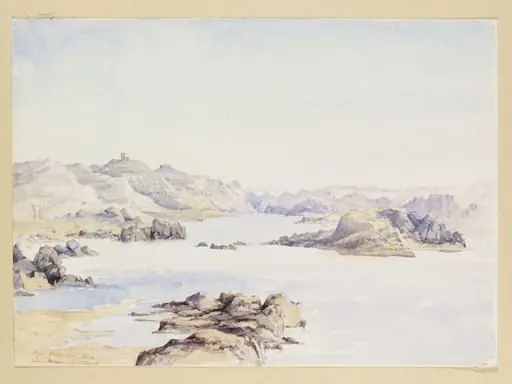 From Elephantine between Asouan and the 1st Cataract
 Eashing, near Godalming