Artwork
London Chapel of Private Press Printers Exhibition at London College of Printing
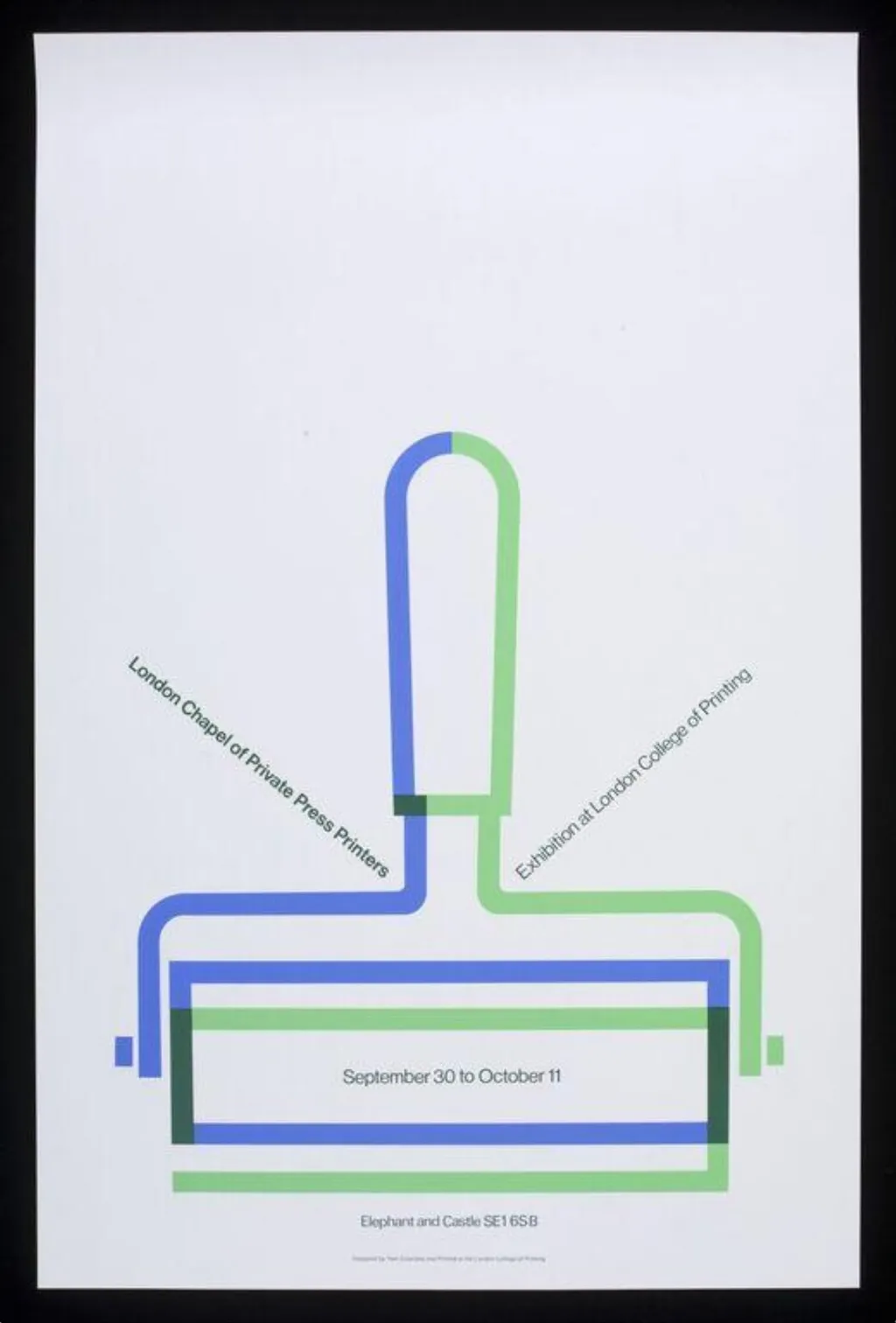
London Chapel of Private Press Printers Exhibition at London College of Printing is a poster by Tom Eckersley. It is held in the collection of the Victoria and Albert Museum.
About this work
Overview
It features a minimalist composition centered on a stylized ink roller, rendered in muted blues and greens against a plain white field.
This poster was designed by Tom Eckersley to advertise an exhibition of private press printing at the London College of Printing. It features a minimalist composition centered on a stylized ink roller, rendered in muted blues and greens against a plain white field. The text identifies the event, venue, and dates with clear, unadorned typography. The design reflects mid-century graphic sensibilities, prioritizing clarity and visual economy.
Subject & Meaning
The ink roller serves as a symbolic stand-in for the printing process itself, evoking the physical act of applying ink to paper. Its simplified form strips away decorative detail to emphasize function, aligning with the ethos of private press work—craft-focused, deliberate, and grounded in materiality. The object becomes both literal tool and metaphor for the exhibition’s theme: the artistry of hand-printed books.
Technique & Style
Eckersley employed flat, unmodulated color and bold outlines to create a graphic image rooted in commercial design traditions. The roller’s form is geometric yet subtly animated by the gradient of blues and greens, suggesting light and shadow without realism. Typography is aligned with precision, reinforcing the poster’s clean, structured aesthetic. The style reflects the influence of Swiss design and British modernism of the 1950s.
History & Provenance
Created in 1955 for the London College of Printing, the poster was produced to promote a short exhibition showcasing private press printers. It entered the collection of the Victoria and Albert Museum, where it is preserved as an example of postwar British graphic design. Eckersley’s work for educational and cultural institutions during this period helped define a new visual language for public communication.
Context
In the mid-1950s, Britain saw renewed interest in traditional printing methods amid the rise of mass production. Private presses, often small-scale and artisanal, were celebrated for their typographic care and craftsmanship. This poster emerged within that cultural moment, bridging institutional education and the preservation of print heritage through a visual language that was modern yet respectful of its subject.
Legacy
Eckersley’s poster remains a reference point in the study of British graphic design for its restraint and symbolic clarity. It exemplifies how functional design could convey cultural values without ornamentation. Its presence in the V&A’s collection underscores its role as a document of mid-century design pedagogy and the enduring appreciation for the materiality of print.
Artist & collection
Artist
Tom Eckersley spent his life turning plain words into bold, no-nonsense posters—think of him as the guy who made train schedules look cool.

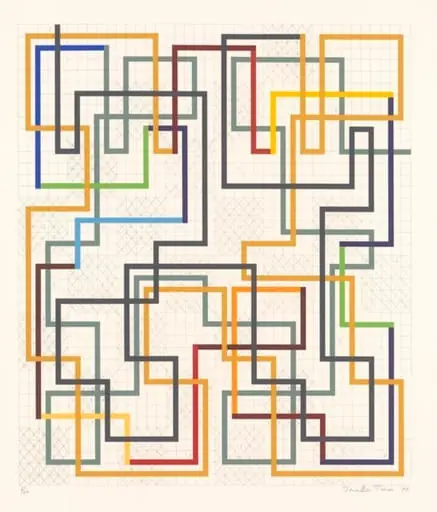 '63 of the Knight's moves in chess covering each of the chessboard's squares in turn'
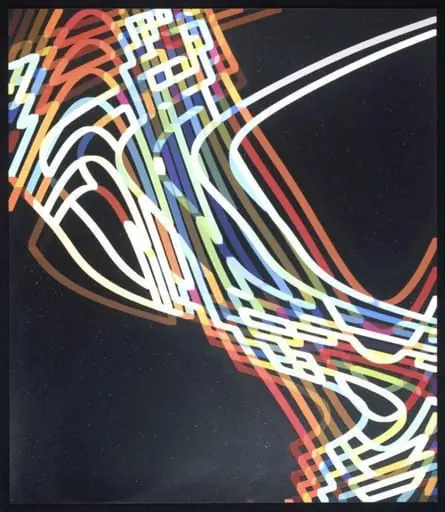 Waste Painting #9, The Crown Jewels
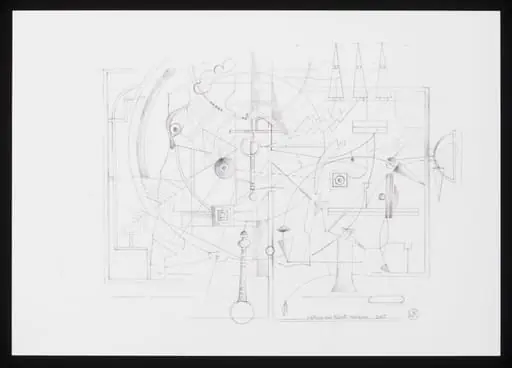 Contribution to V&A's 150th anniversary album
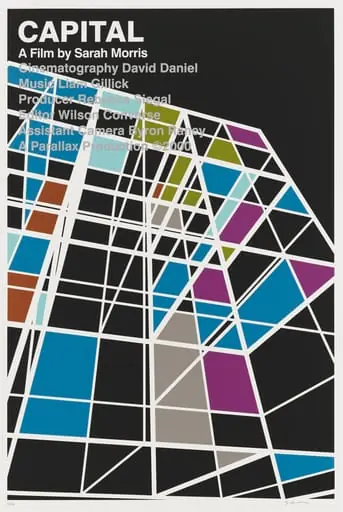 Untitled
 Untitled
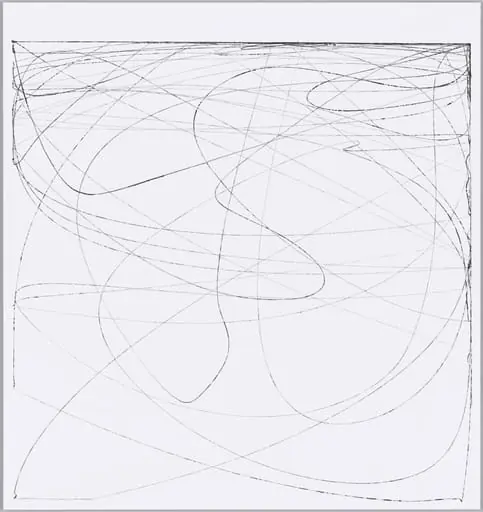 Untitled
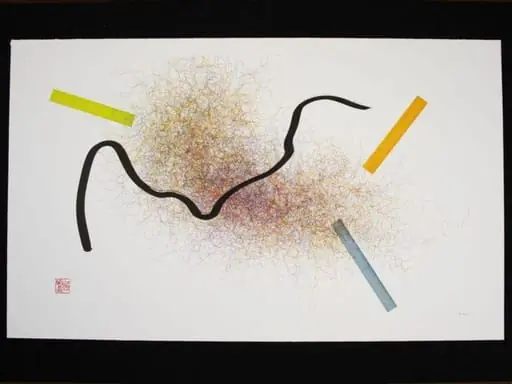 Pathway Series, Bird 2
 Untitled
 Contribution to V&A's 150th anniversary album
 'Procedure for John'
 Untitled
 Untitled