Artwork
Louis, Duke of Burgundy
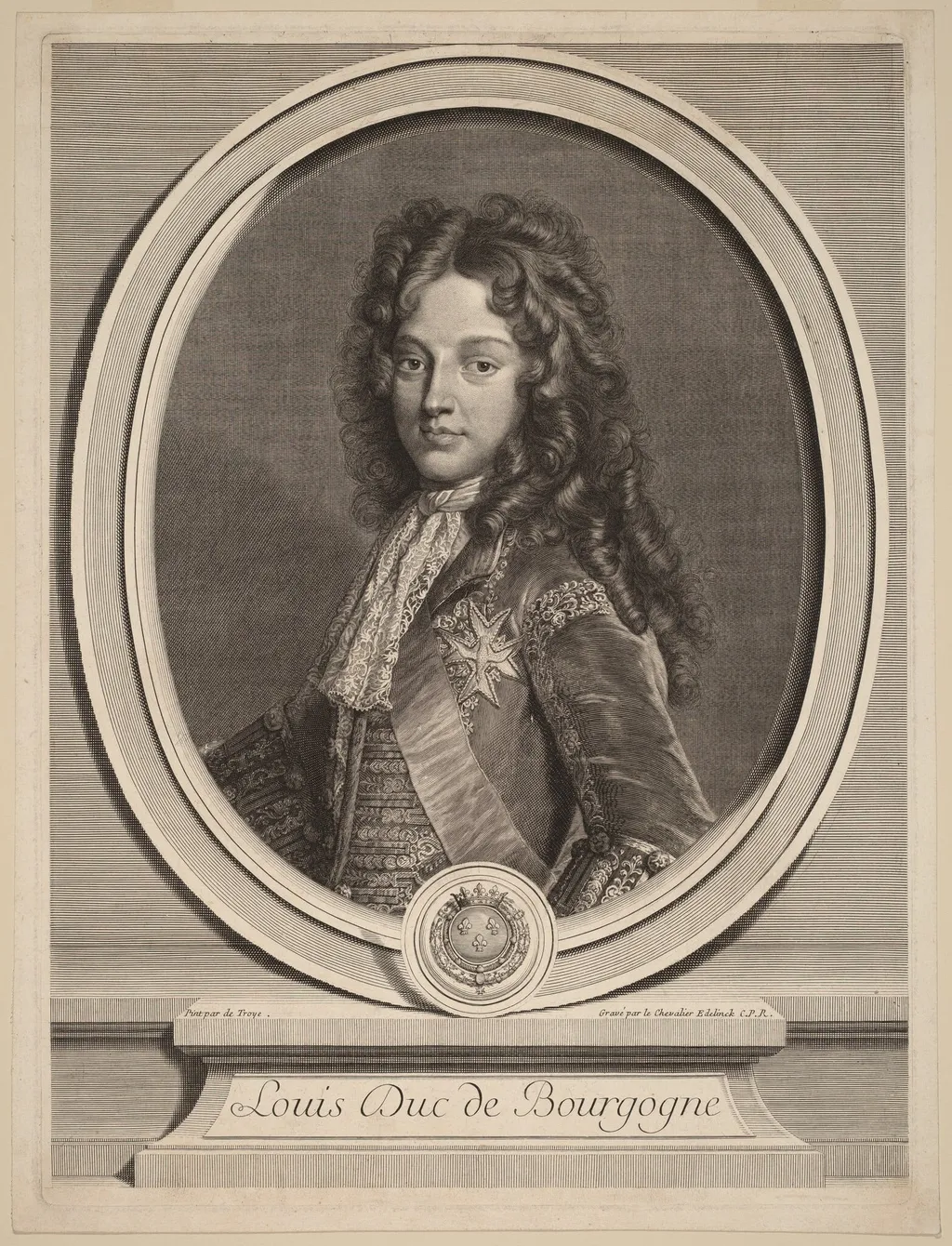
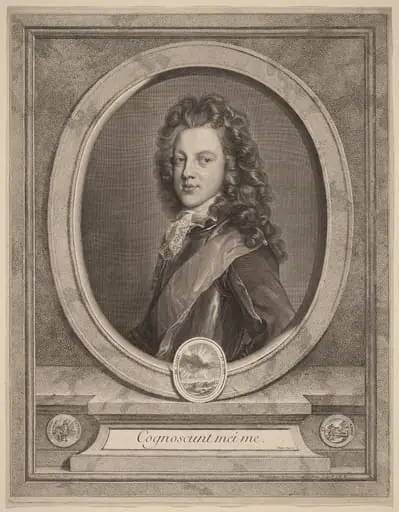
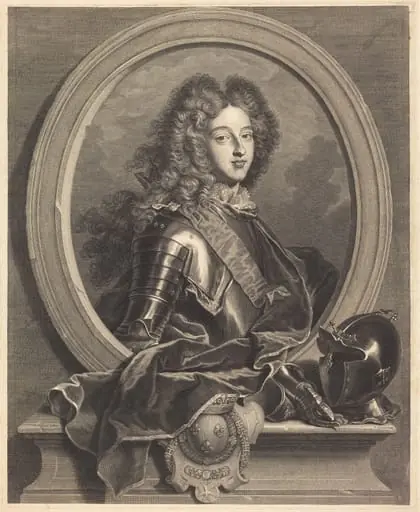
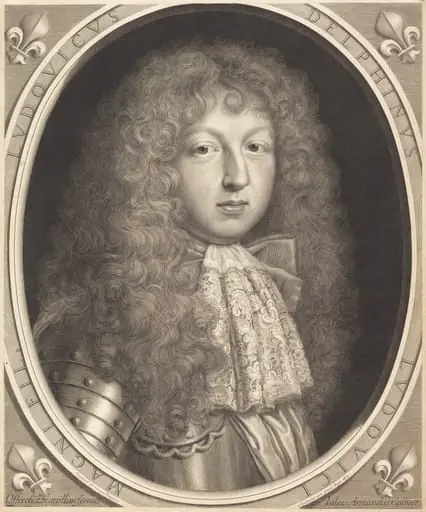
Louis, Duke of Burgundy is an ink print by the Baroque artist Gerard Edelinck. It dates from 1674 and is held in the collection of the National Gallery of Art.
About this work
Overview
This 1674 engraving by Gérard Edelinck portrays Louis, Duke of Burgundy, showcasing the artist's mastery of copper-plate engraving during the late 17th century.
Subject & Meaning
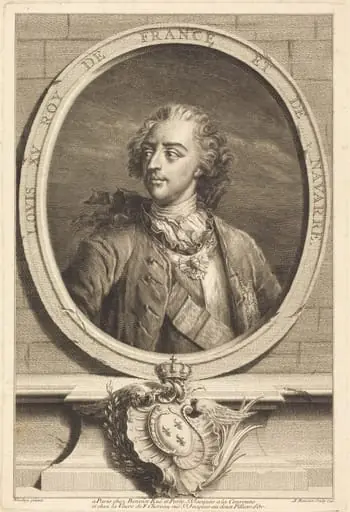
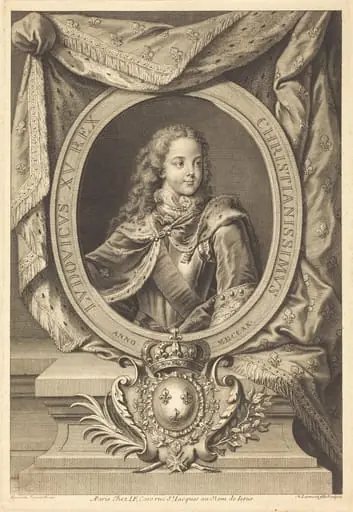
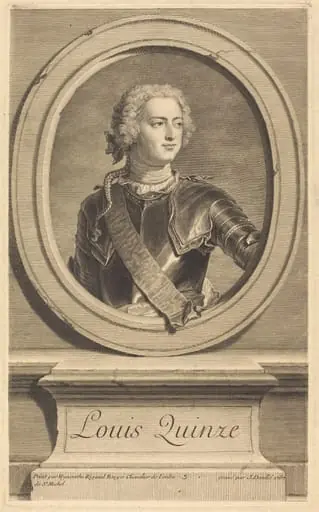
The engraving depicts the young Duke in formal attire, conveying an air of solemnity. The subject's identity and the work's precision underscore its likely purpose as an official or commemorative portrait.
Technique & Style
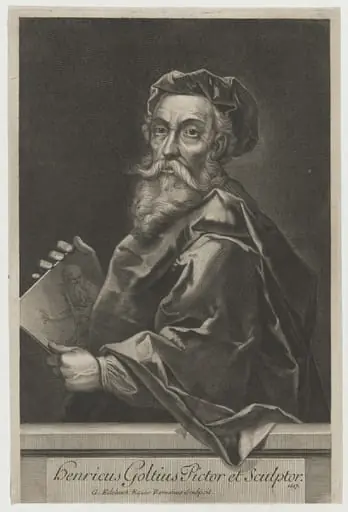
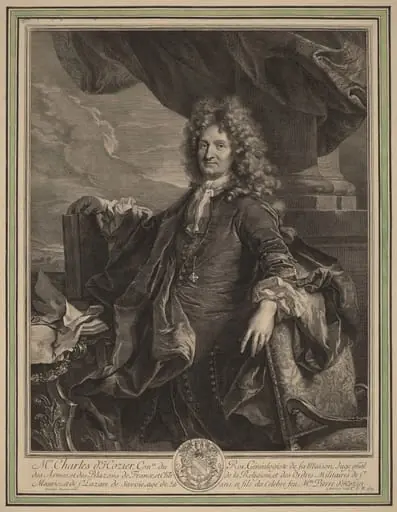
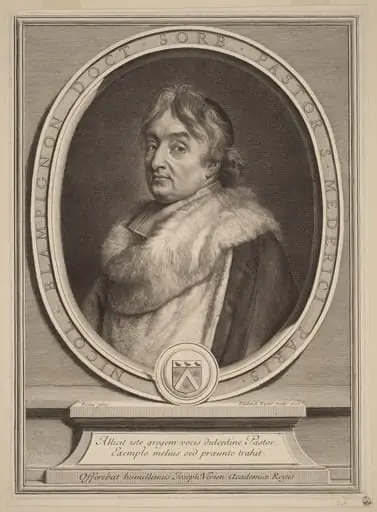
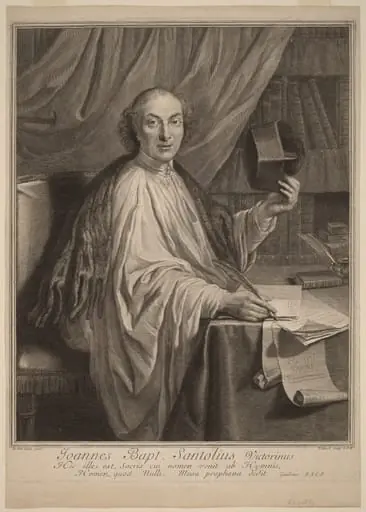
Edelinck's meticulous technique is evident in the finely detailed facial features and ornate clothing, characteristic of Baroque printmaking's emphasis on technical virtuosity. The engraving process, involving intricate metal plate carving, highlights the artist's precision.
History & Provenance
Created in 1674 by Flemish-born, naturalized French engraver Gérard Edelinck, the work reflects his established presence in Paris by the late 1660s and French citizenship attained in 1675.
Context
The engraving aligns with the Baroque period's aesthetic, where detailed precision and skillful execution were highly valued, particularly in portraiture of nobility.
Artist & collection
Artist
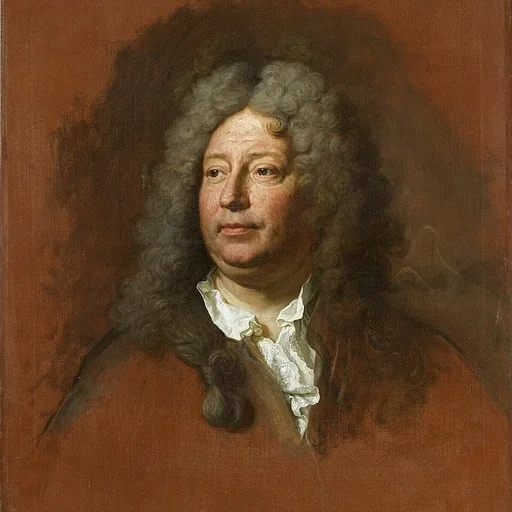
Gérard Edelinck (20 October 1640 (baptized) – 2 April 1707) was a copper-plate engraver and print publisher of Flemish origin, who worked in Paris from 1666 and became a naturalized French citizen in 1675.