Artwork
Die ereilten Flüchtlinge
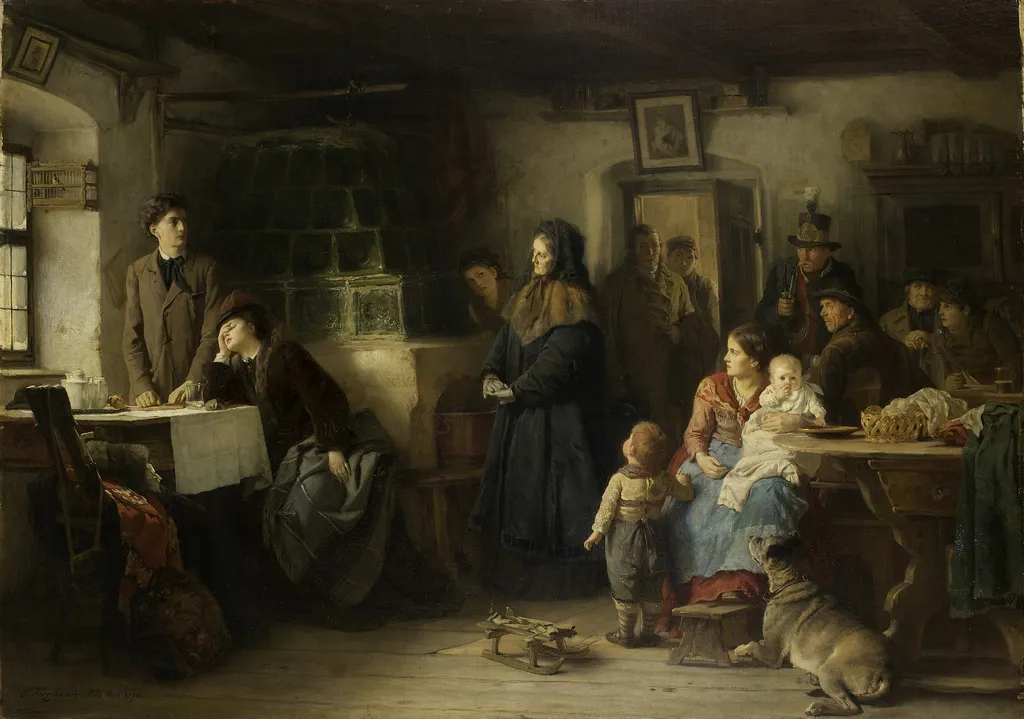
Die ereilten Flüchtlinge is an oil painting by the Realist artist Eduard Kurzbauer. It dates from 1870 and is held in the collection of the Kunsthistorisches Museum.
About this work
Overview
Eduard Kurzbauer, an Austrian artist born in Vienna in 1840, completed *Die ereilten Flüchtlinge* in 1870 using oil on canvas.
Eduard Kurzbauer, an Austrian artist born in Vienna in 1840, completed *Die ereilten Flüchtlinge* in 1870 using oil on canvas. The painting belongs to the Realist tradition, focusing on ordinary human experiences without romantic embellishment. It is part of the permanent collection at the Kunsthistorisches Museum in Vienna, where it remains accessible to the public as a quiet example of 19th-century narrative painting.
Subject & Meaning
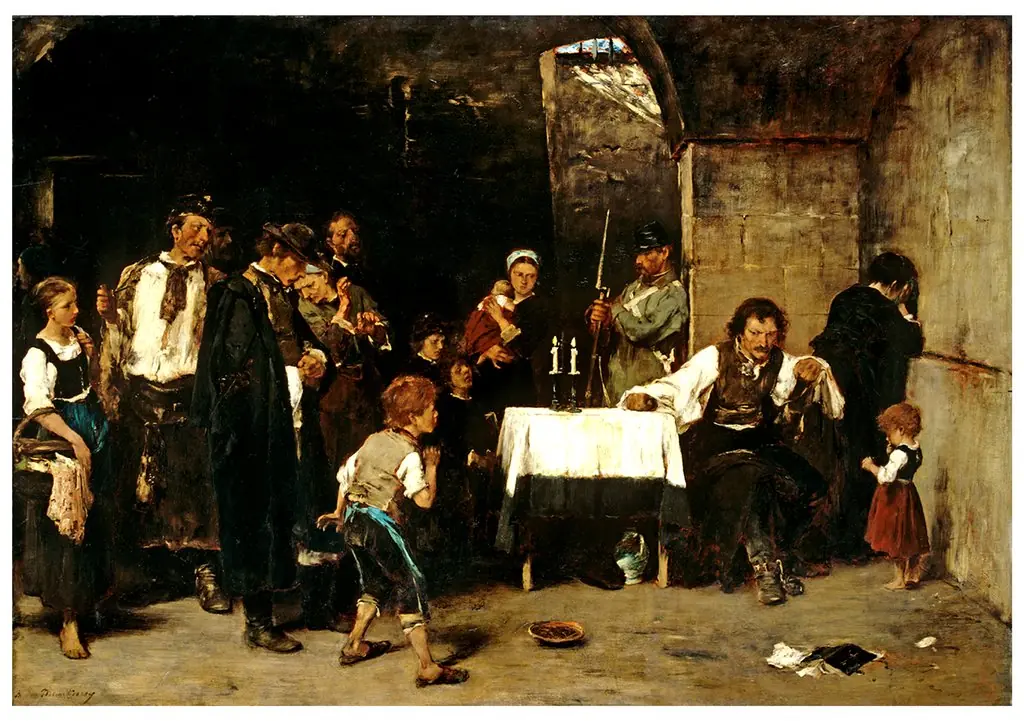
The painting depicts a group of weary individuals gathered in a modest interior, their postures and expressions suggesting pause after flight or displacement. A child stands near a heavy wooden table, while a dog rests at their feet—details that imply domestic vulnerability. The absence of overt drama invites interpretation of their situation as one of quiet endurance, reflecting the lived realities of displacement in rural Europe during a period of social upheaval.
Technique & Style
Kurzbauer employed muted tones and careful chiaroscuro to evoke the dim, enclosed space. Brushwork is restrained, favoring texture over flourish—stone walls, worn wood, and coarse fabrics are rendered with observational precision. The composition centers the table as a focal point, drawing attention to the group’s stillness. Lighting falls unevenly, enhancing the sense of introspection and isolating figures within the shadowed room.
History & Provenance
The painting entered the Kunsthistorisches Museum’s collection shortly after its completion, likely acquired through official channels or direct donation. Its presence in the museum since the late 19th century indicates early institutional recognition of Kurzbauer’s work. No significant changes in ownership or restoration are documented, preserving its original condition and intended visual impact.
Context
Created during a period of political reorganization in Central Europe, the painting reflects broader societal concerns around mobility, loss, and resilience. While not tied to a specific historical event, its depiction of displaced figures resonates with the experiences of rural populations affected by economic shifts and border changes. Kurzbauer’s focus on everyday suffering aligns with Realist trends emerging across Europe in the mid-1800s.
Legacy
Though not widely exhibited outside Austria, *Die ereilten Flüchtlinge* remains a representative work of Kurzbauer’s oeuvre and of Austrian Realism. It contributes to a quieter strand of 19th-century art that prioritized psychological depth over spectacle. Scholars reference it in studies of regional narrative painting, though it has not influenced broader artistic movements beyond its immediate context.
Own this work as a print
Artist & collection
Artist
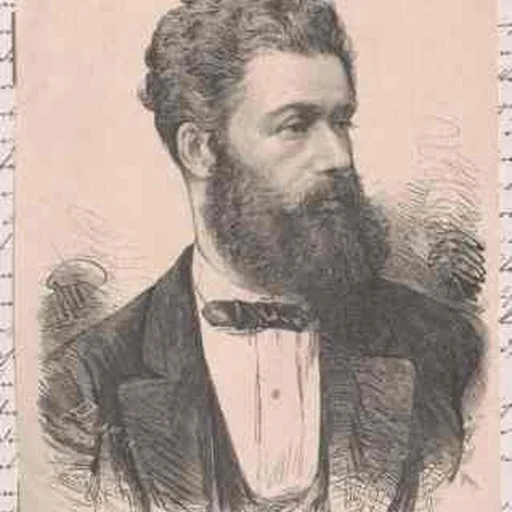
Eduard Kurzbauer (2 March 1840, Vienna - 13 January 1879, Munich) was an Austrian painter. Some sources give Lemberg as his place of birth.

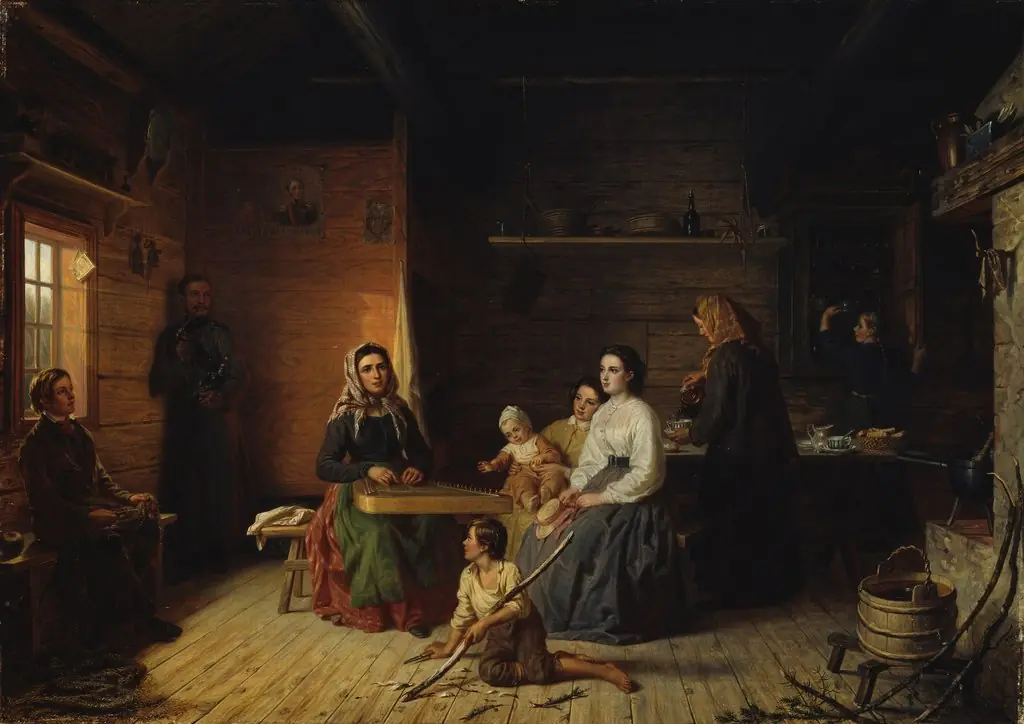 Kreeta Haapasalo Playing the Kantele in a Peasant Cottage
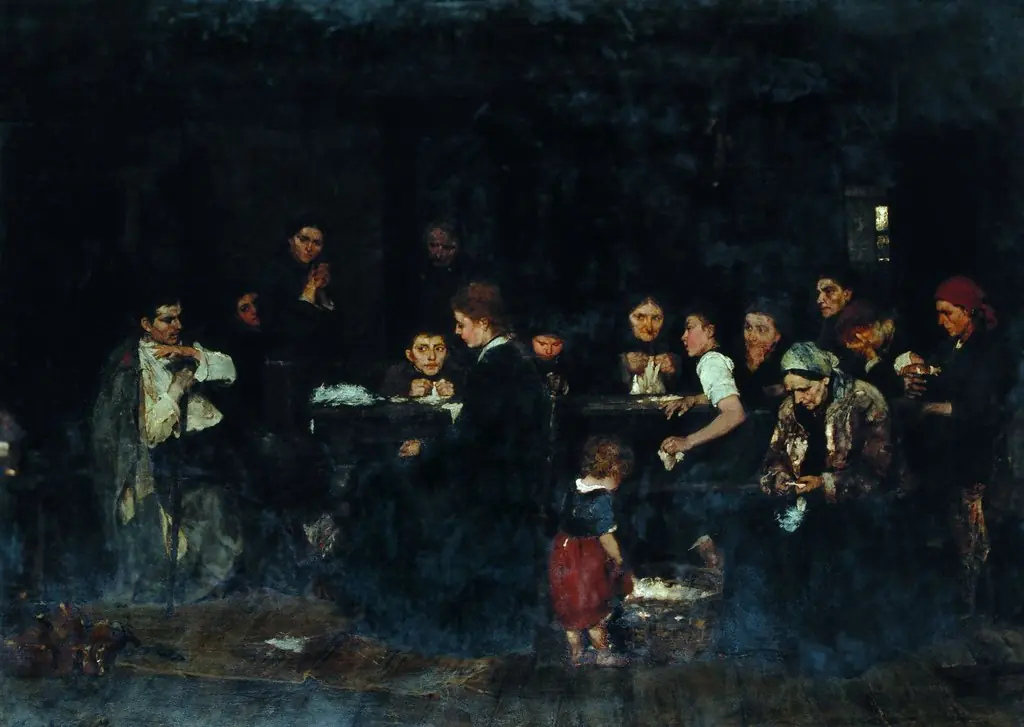 Making Lint
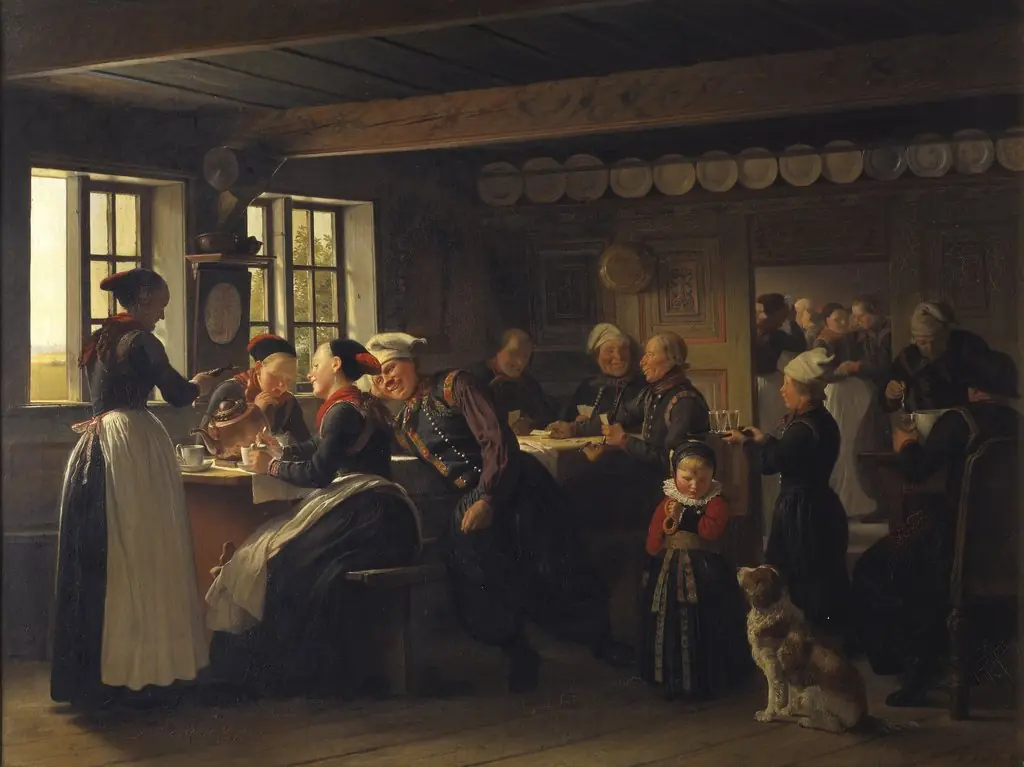 Interior with peasants from the region of Amager
 Episode af et gilde på Amager
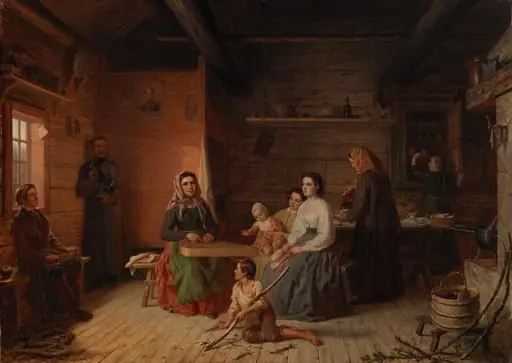 Kreeta Haapasalo soittaa kannelta talonpoikaistuvassa
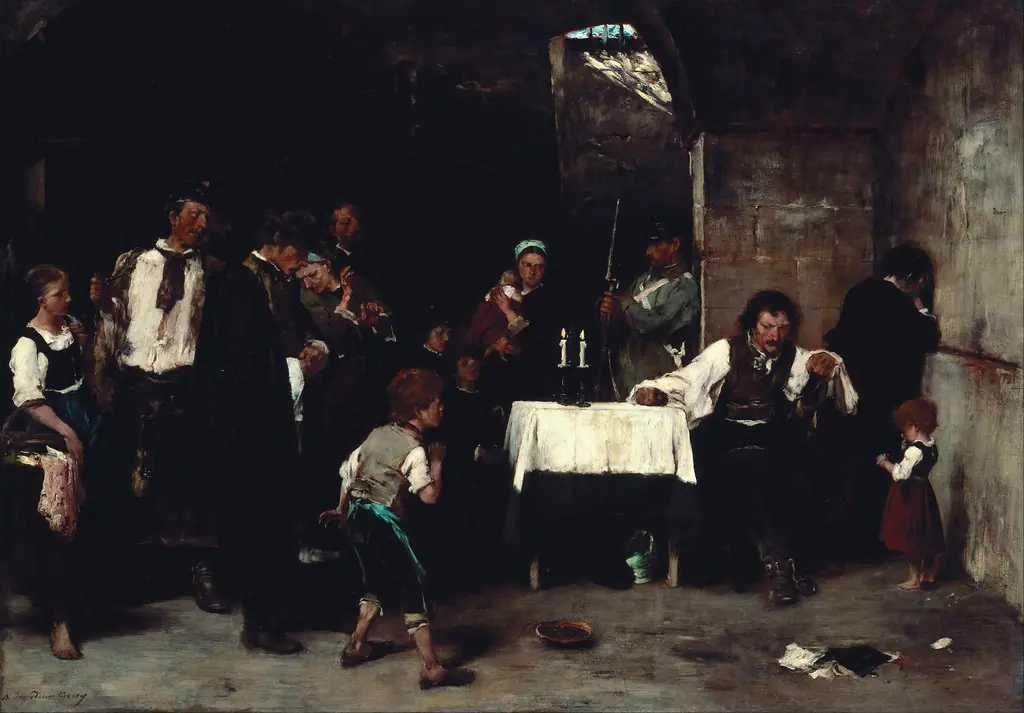 The Condemned Cell I
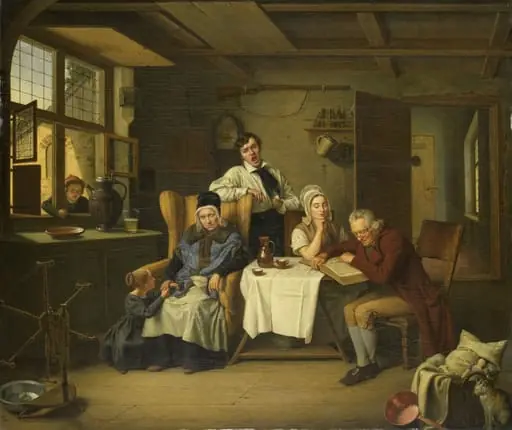 Bible Reading
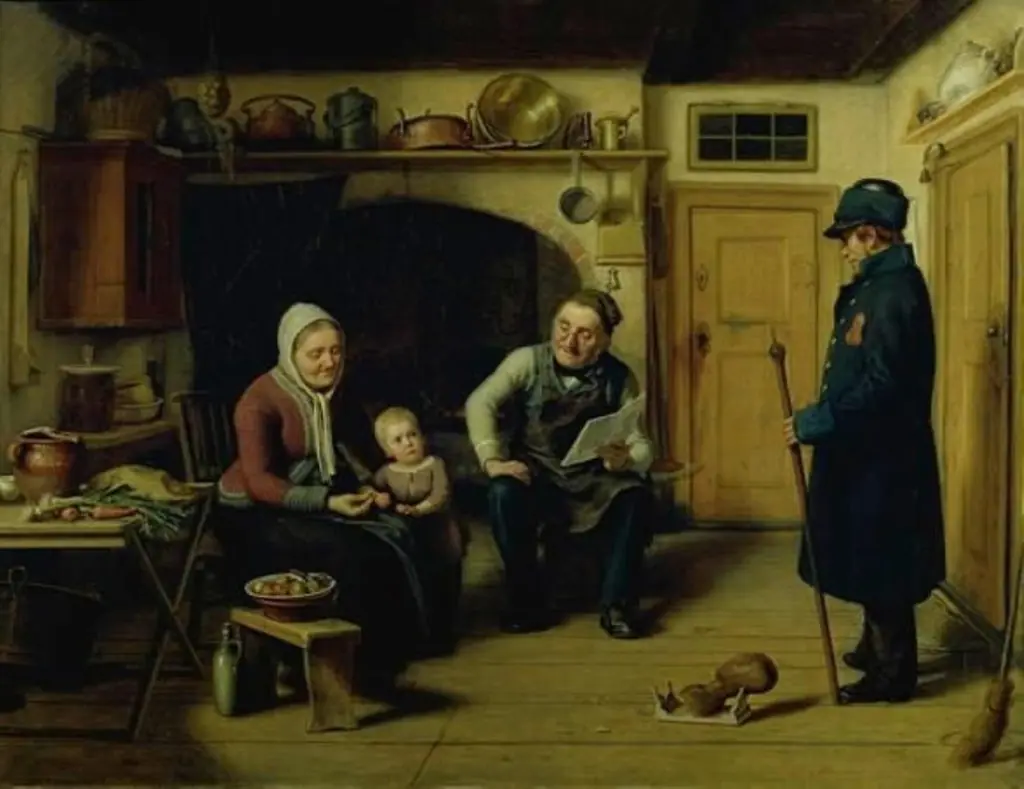 Vægteren på nytårsvisit. Køkkenscene
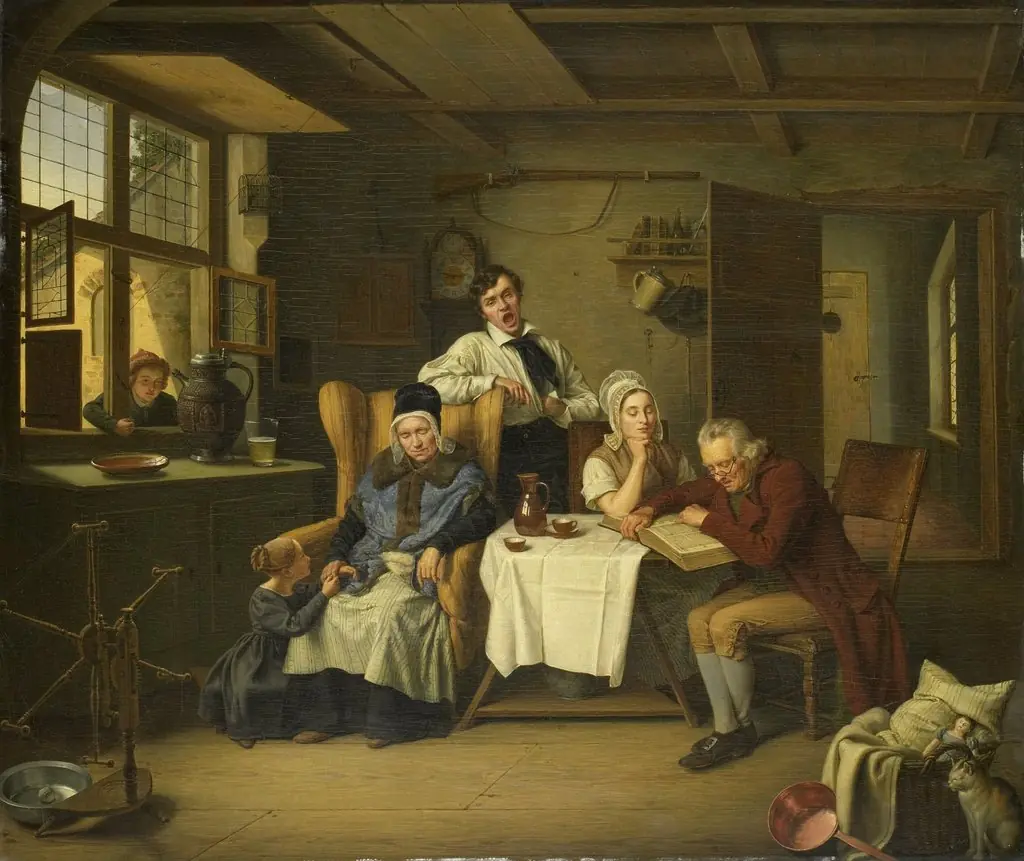 Bible Reading
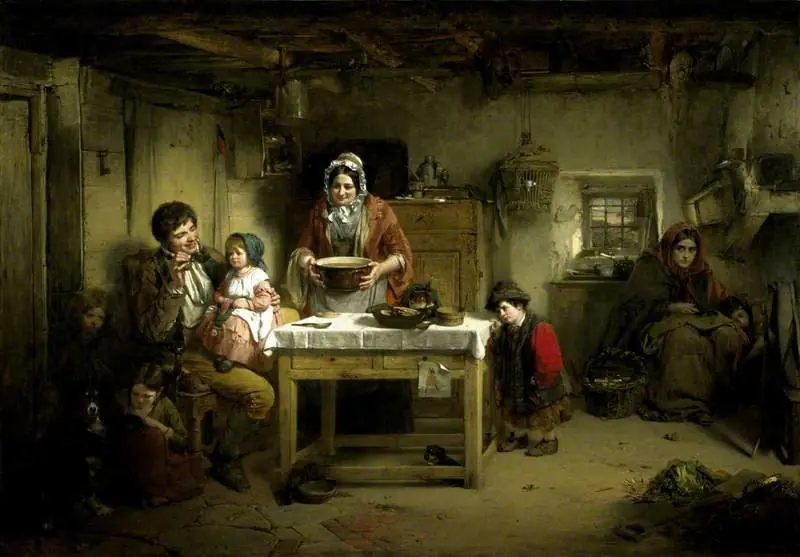 Home and the Homeless
 Condemned cell II
 Vægteren på nytårsvisit. Køkkenscene