Artwork
Ophelia
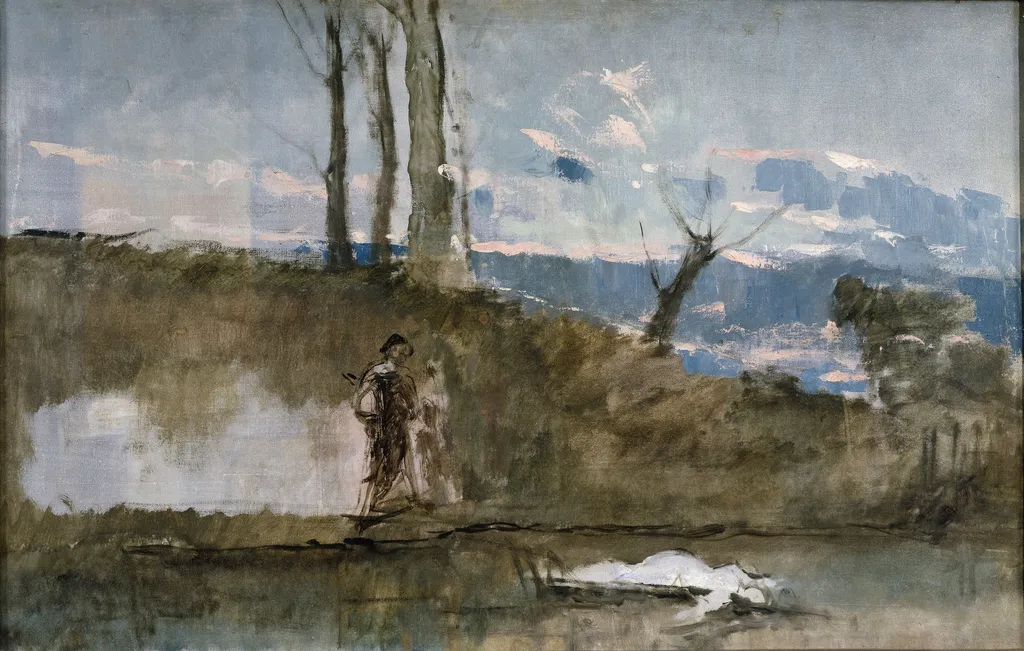
Ophelia is an oil painting by the Realist artist Eduardo Rosales. It dates from 1865 and is held in the collection of the Museo del Prado.
About this work
Overview
Ophelia is a painting executed in oil by Spanish artist Eduardo Rosales in 1865. It portrays a pivotal, distressing moment of the Shakespearean character Ophelia from Hamlet.
Subject & Meaning
The painting captures Ophelia in a state of distress, set amidst a serene yet poignant landscape. A woman, identifiable as Ophelia, stands centrally in a flowing white gown, with dark hair pulled back, surrounded by trees and water. A white cloth lies in the foreground, subtly hinting at her tragic fate.
Technique & Style
Rosales employed loose, expressive brushstrokes and a muted palette of blues and browns to evoke depth and atmosphere. While associated with the Realist movement and Italian Purismo, this work reflects a balance between realism and emotive interpretation.
History & Provenance
Created in 1865 by Eduardo Rosales (1836-), a Spanish painter known for historical themes, Ophelia is now part of the Museo del Prado's collection in Madrid.
Context
Painted during a period of artistic transition in Europe, Ophelia reflects Rosales' engagement with both the detailed approach of Purismo and the emotional intensity of Realist themes, applied to a universally recognized literary figure.
Legacy
As part of the Prado's collection, Ophelia contributes to the museum's representation of 19th-century Spanish art, offering insights into Rosales' contribution to the era's artistic movements.
Own this work as a print
Artist & collection
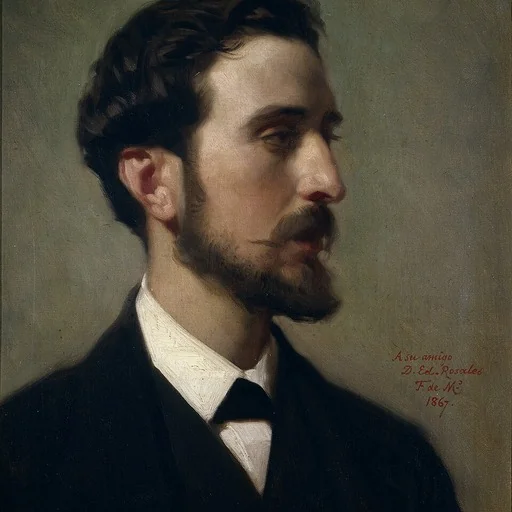
Artist
Eduardo Rosales Gallinas (4 November 1836 – 13 September 1873) was a Spanish painter. He was an adherent of the Italian-based art movement known as "Purismo" and specialized in historical scenes.

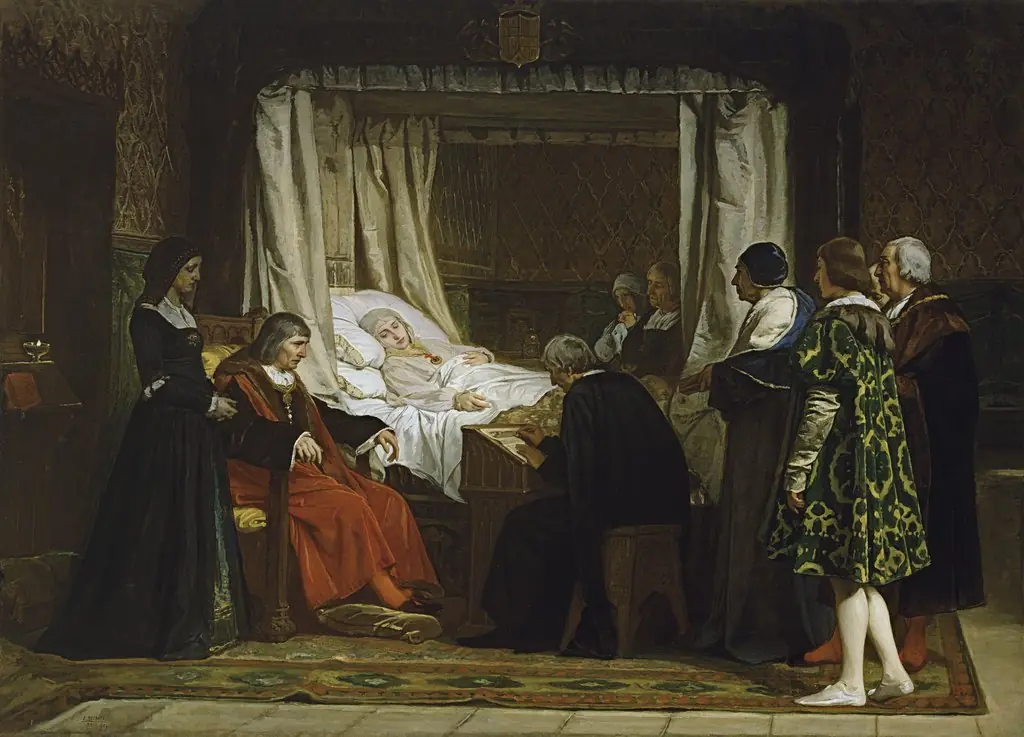 Queen Isabel la Católica dictating her last will and testament
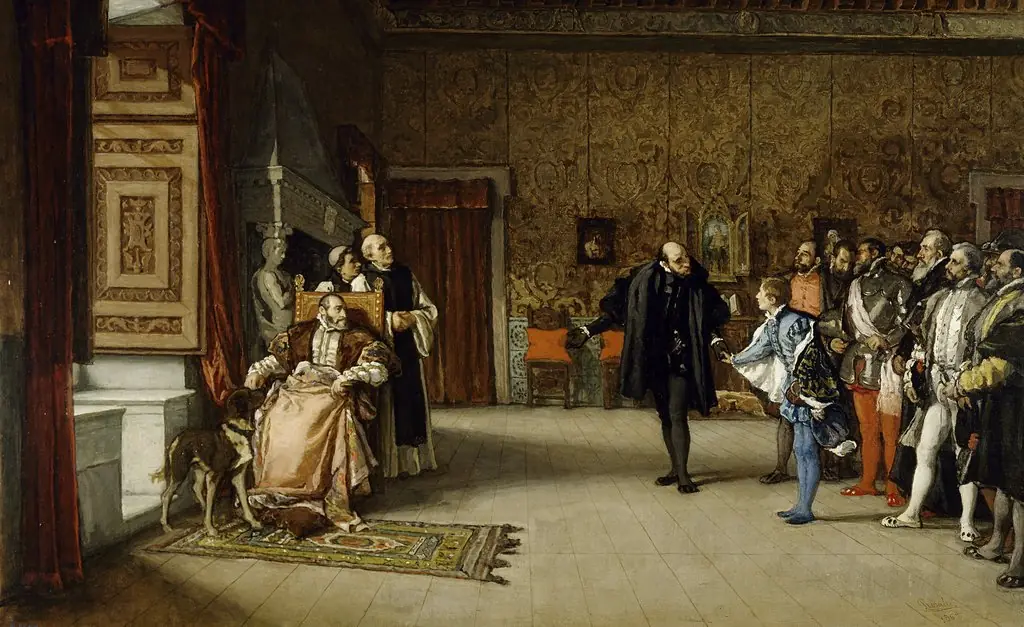 Juan de Austria's presentation to Emperor Carlos V in Yuste
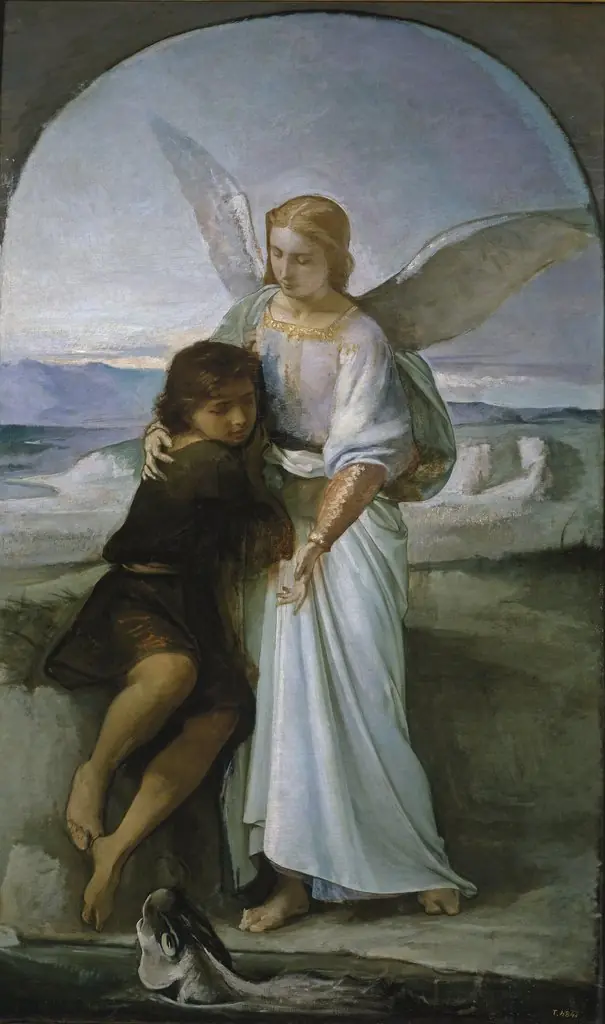 Tobias and the Angel
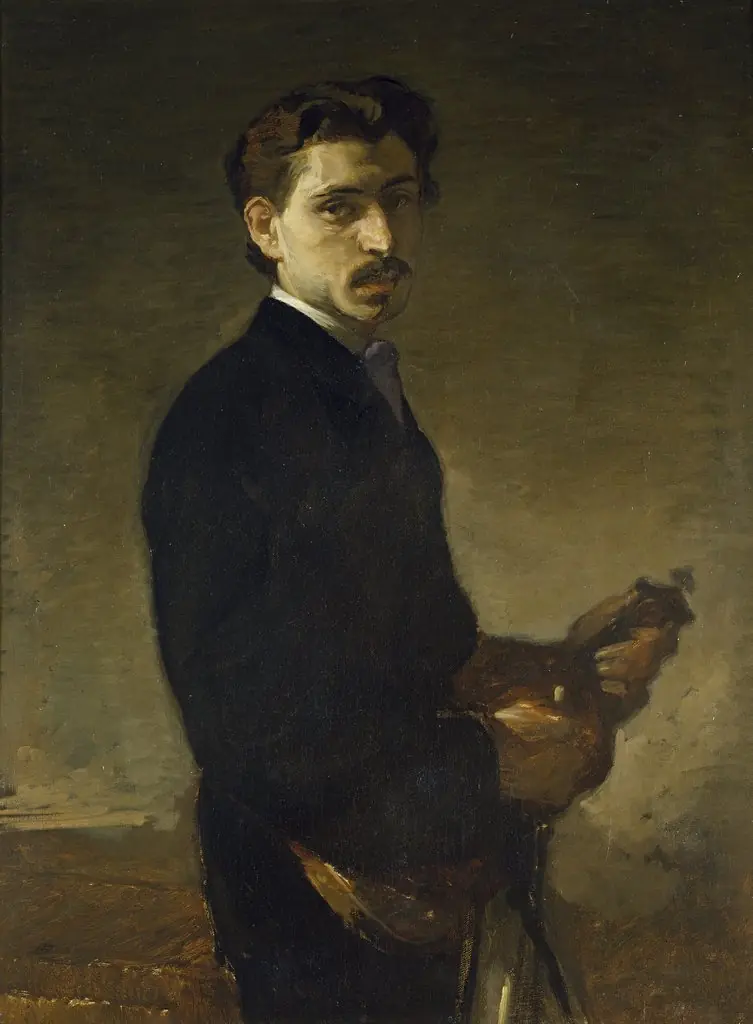 Ettore Pinelli, the Violinist
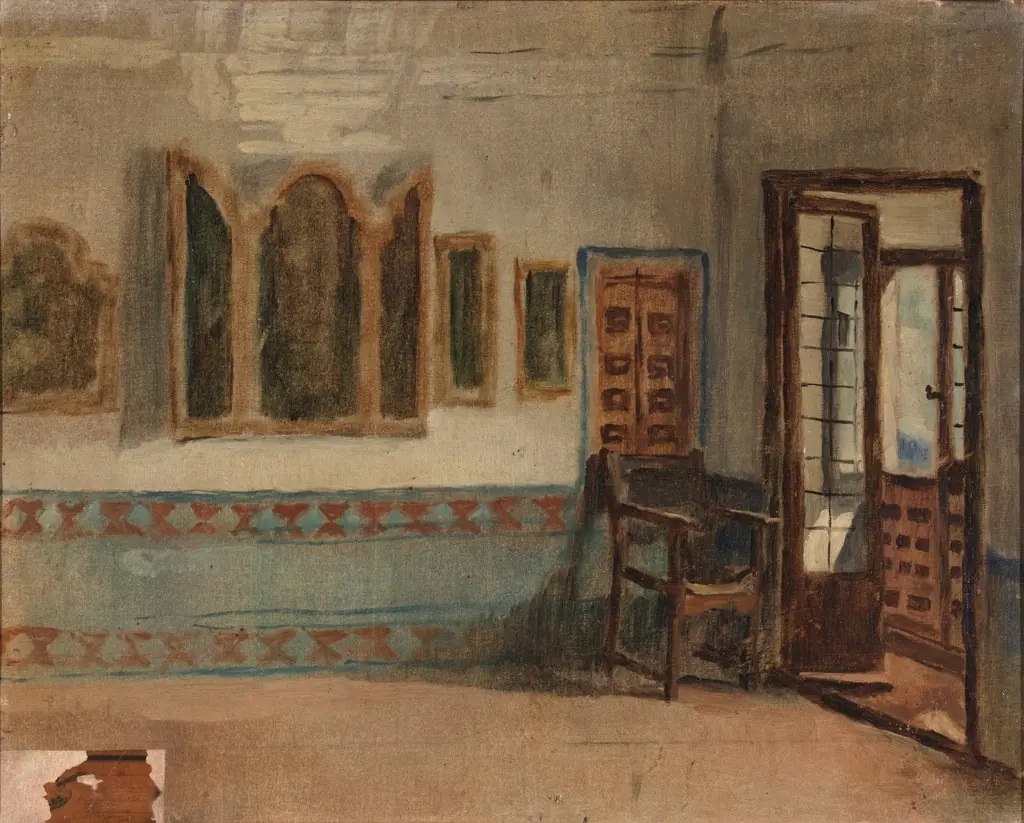 Celda prioral del Monasterio de El Escorial
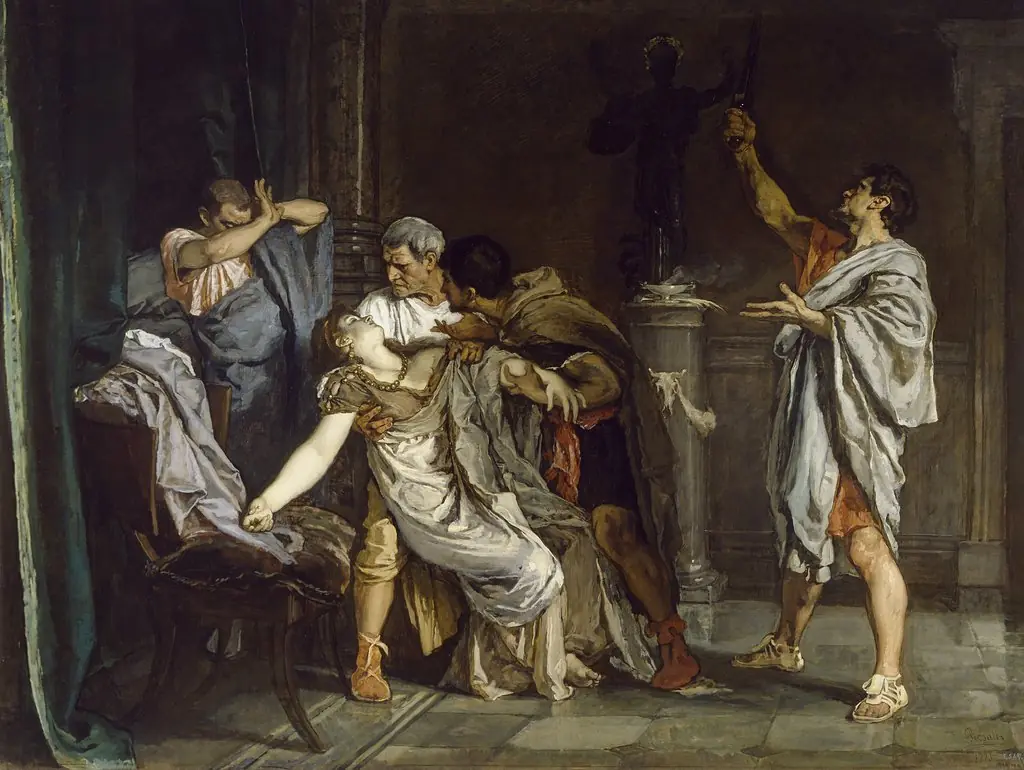 The Death of Lucretia
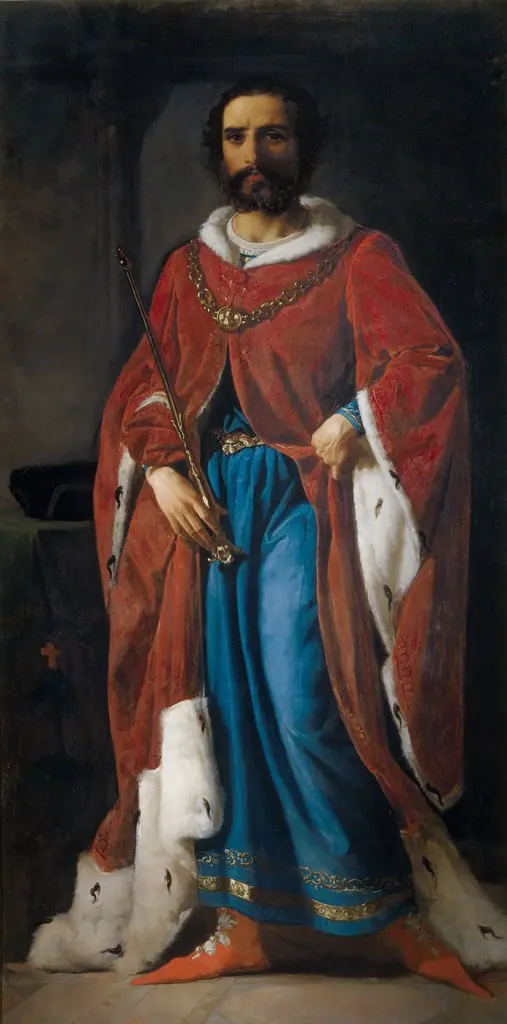 Don García Aznar; conde de Aragón
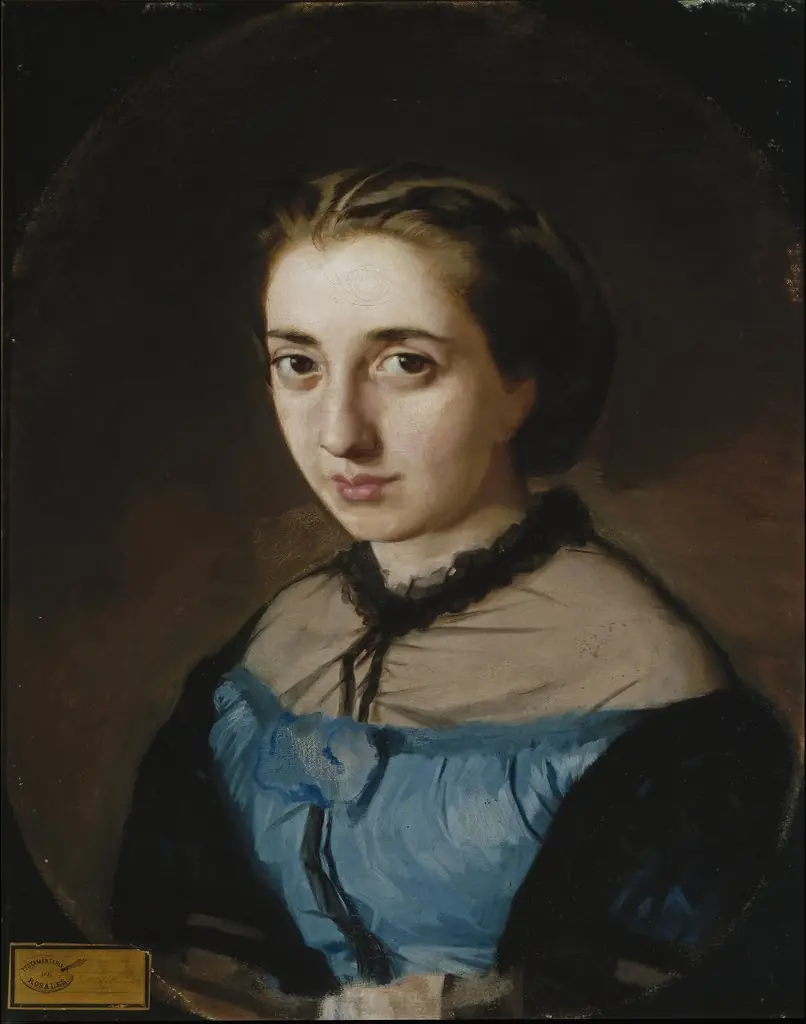 Maximina Martínez de la Pedrosa, the Artist's Wife
 Landscape with River and Ruined Tower
 Landscape with river and mountain
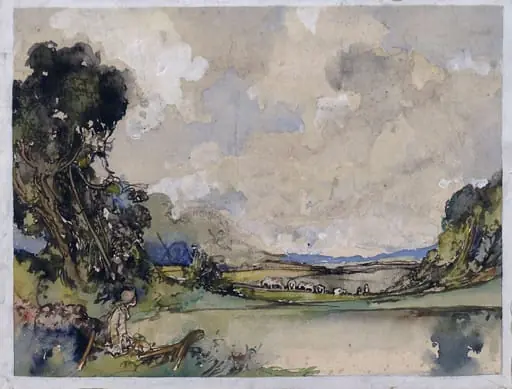 Valley Scene and Ponds
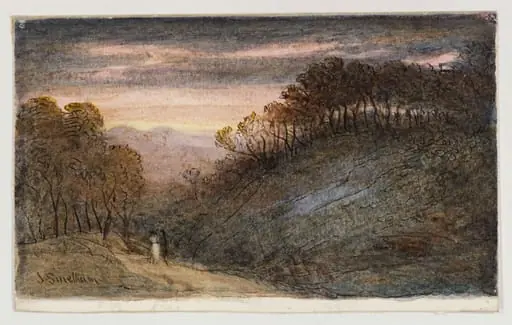 Landscape
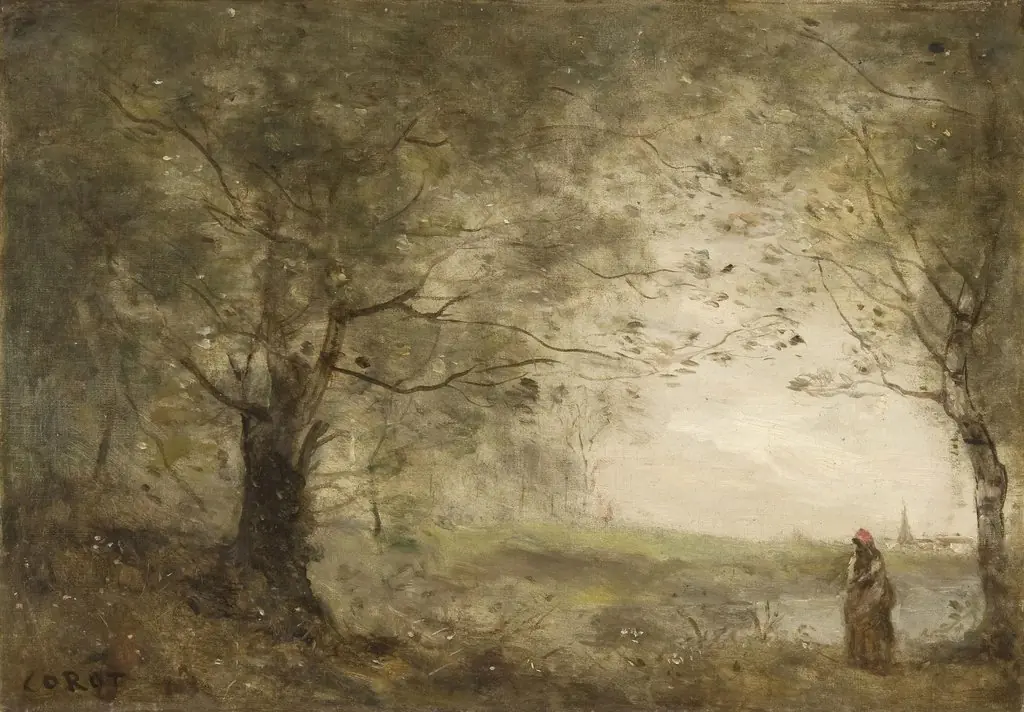 Landscape with a Distant Village Spire
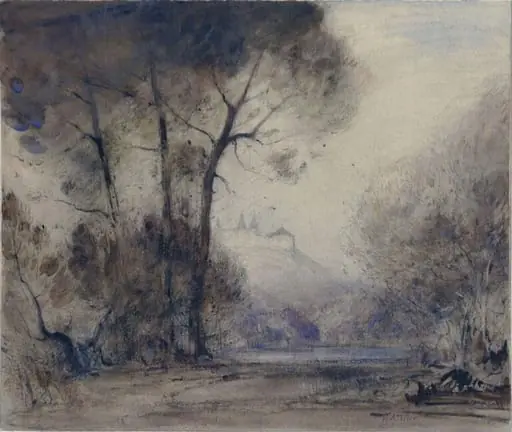 Château de Bourlémont
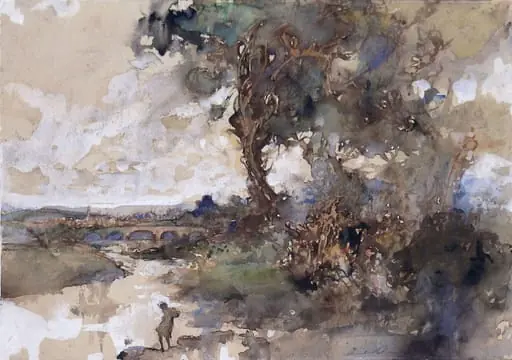 Figure by a river with a distant view of bridges and a town
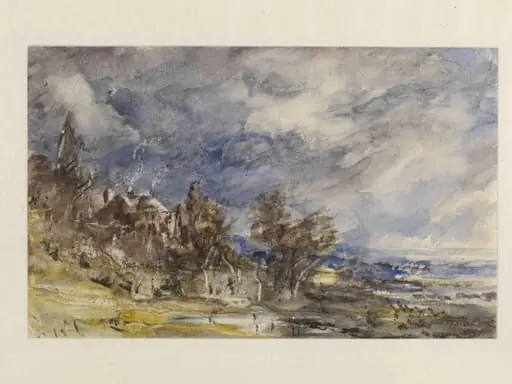 Hampstead Heath, from near Well Walk
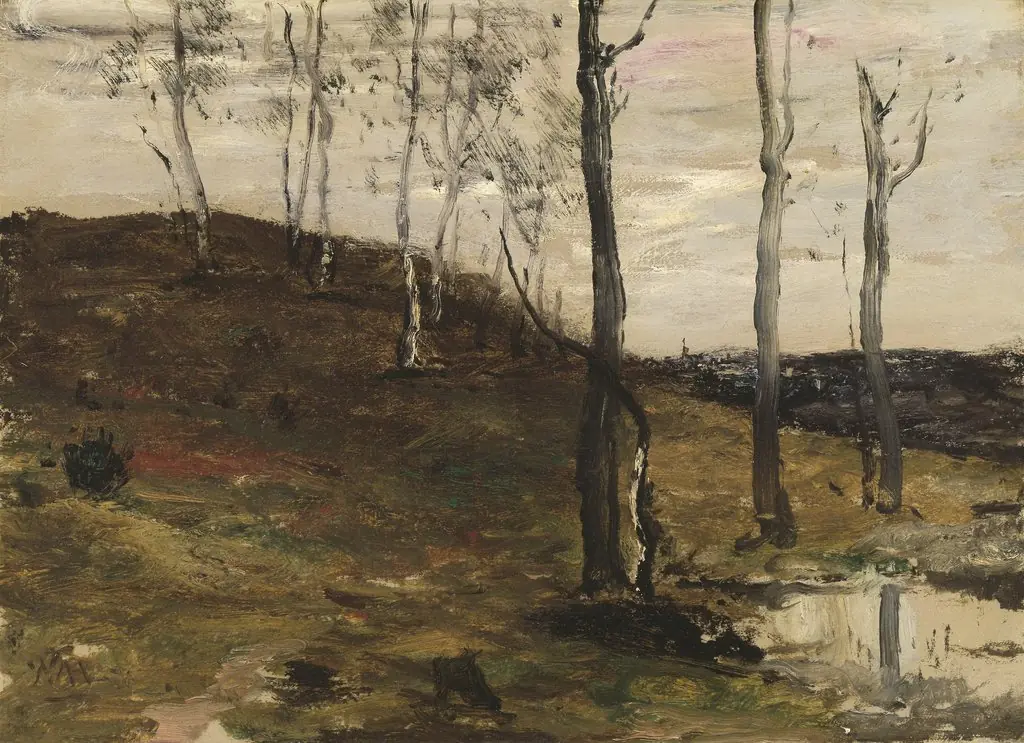 Hillside with Trees
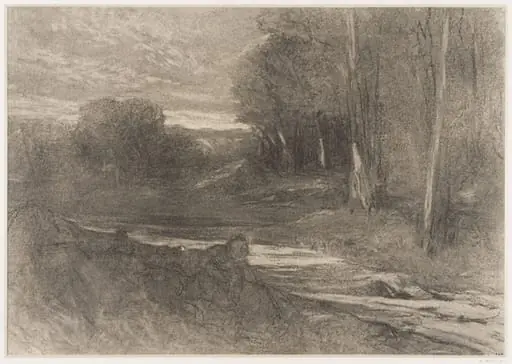 By the Waters of Babylon.
 Landscape with trees
 L'Étang de Ville-d'Avray vu à travers les feuillages