Artwork
Boulevard in Paris
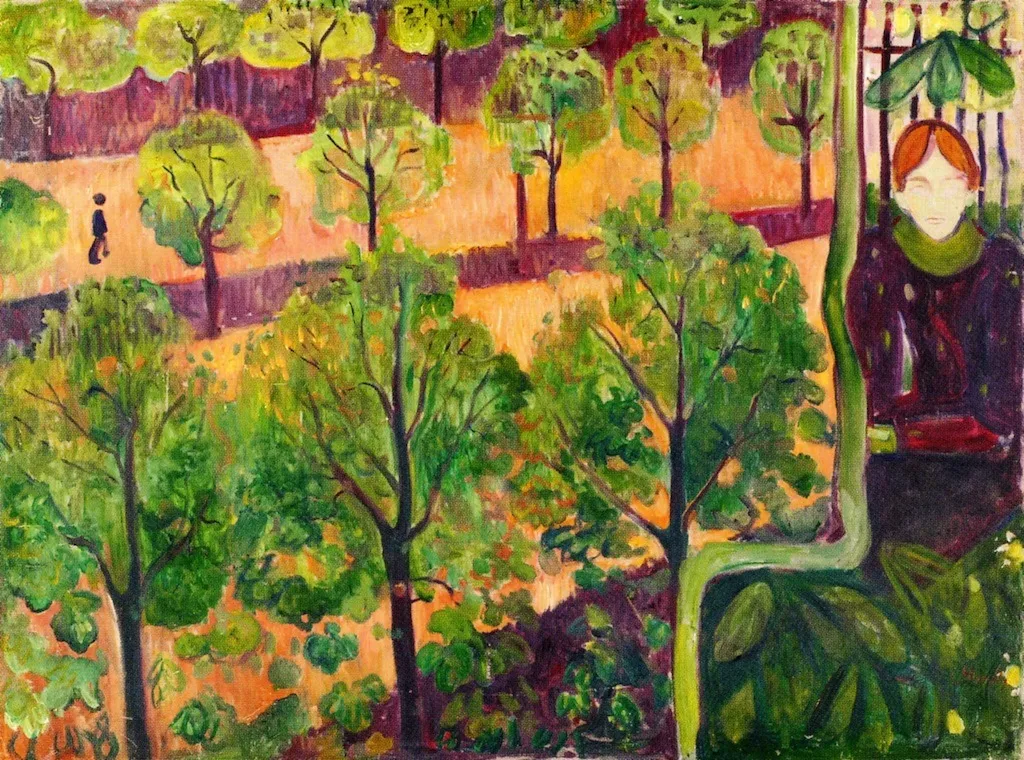
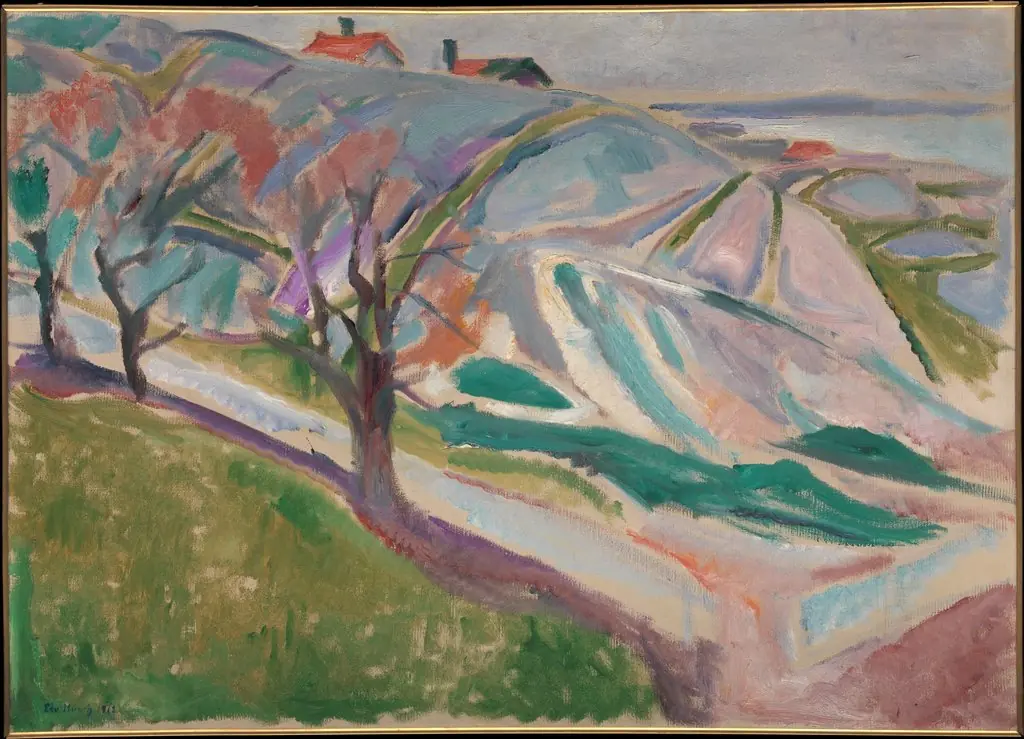
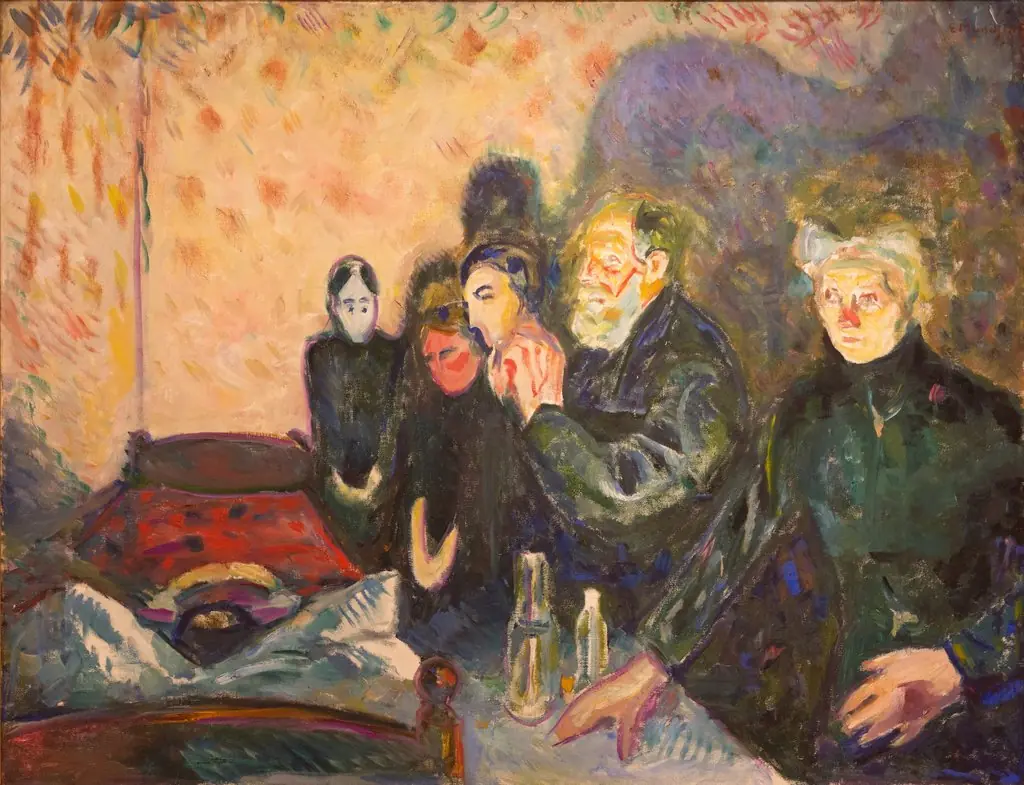
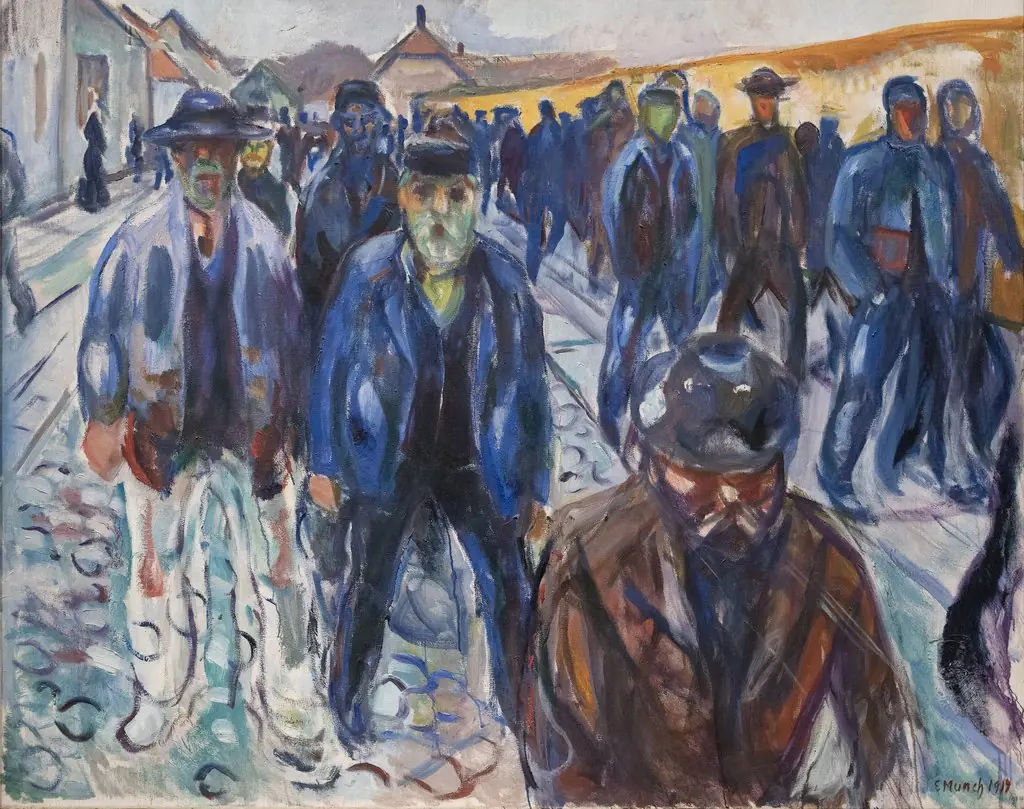
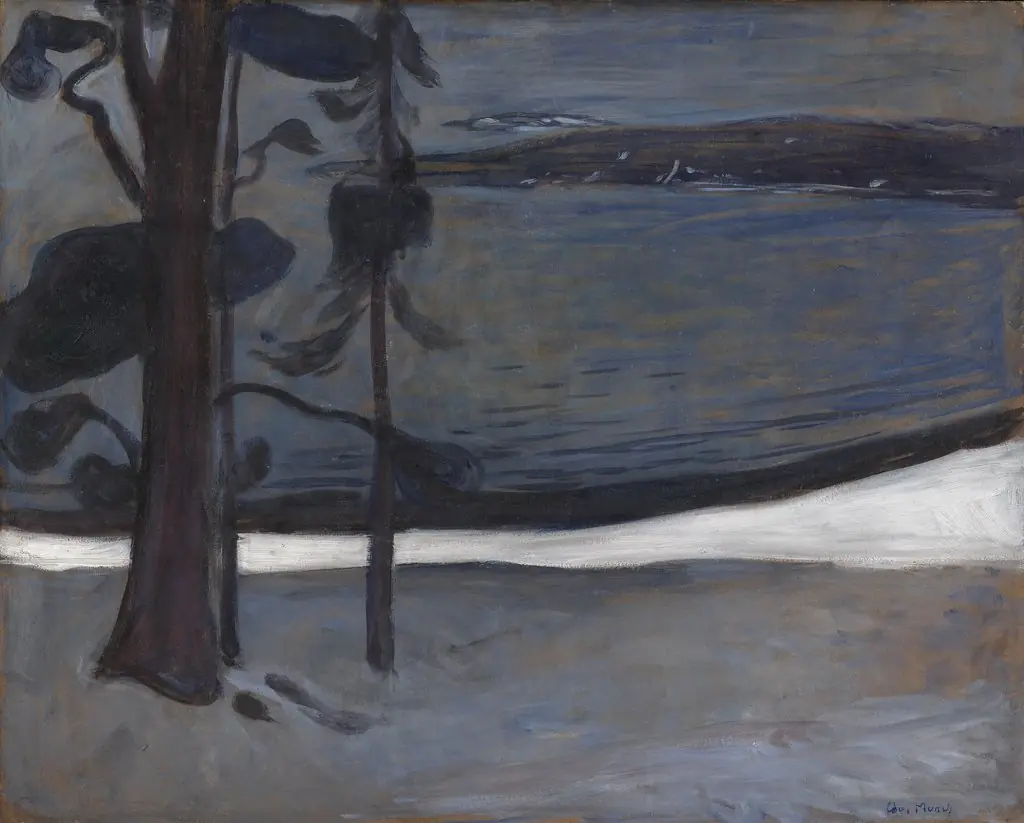
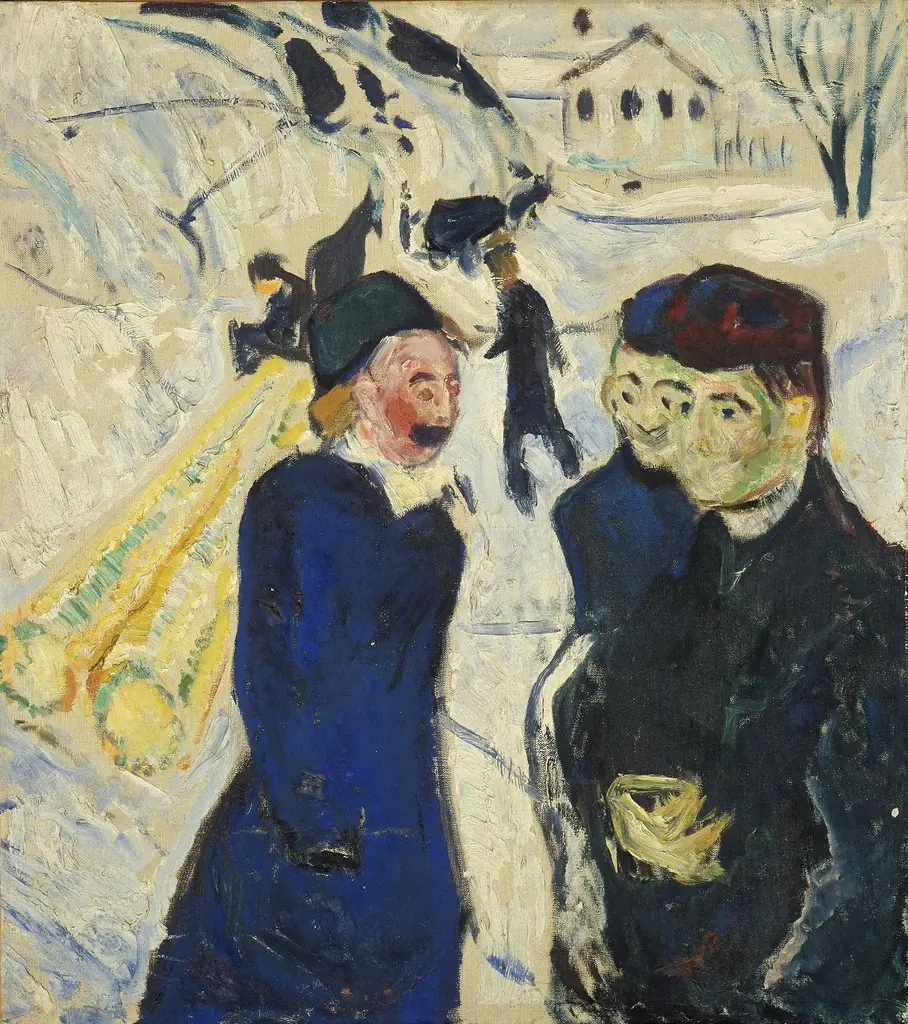
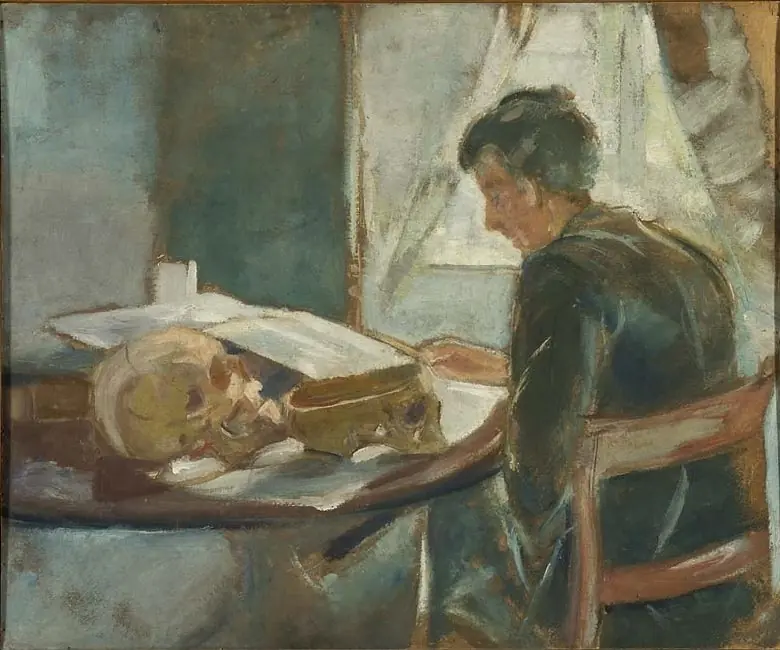
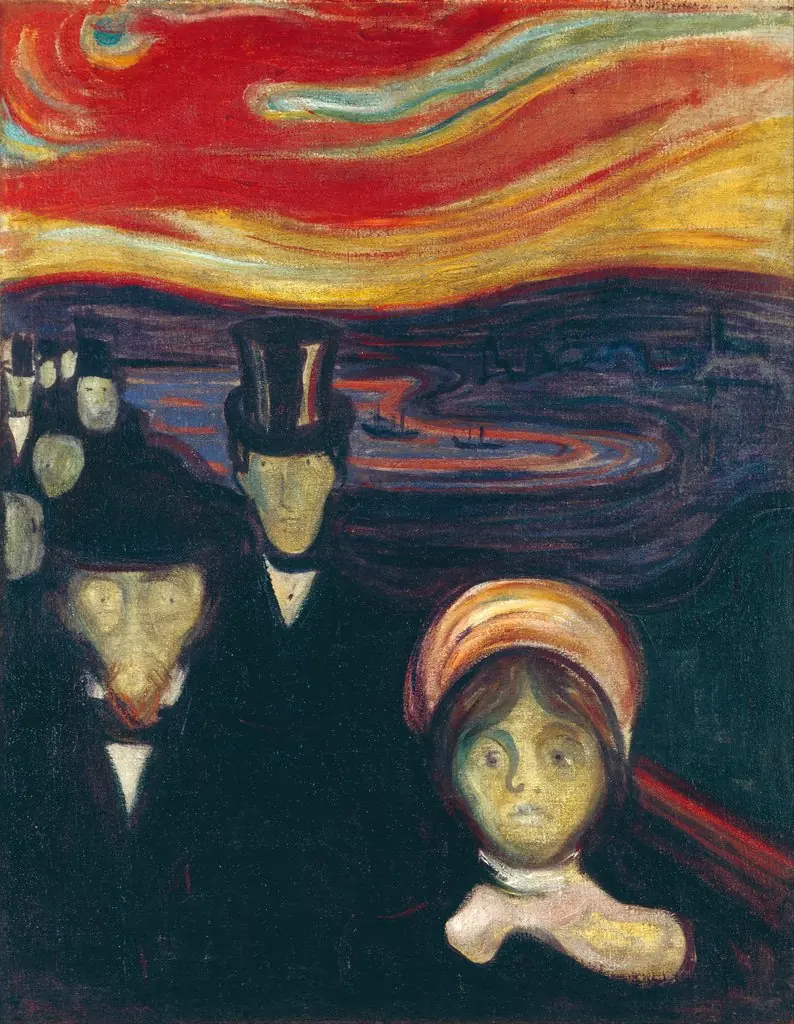
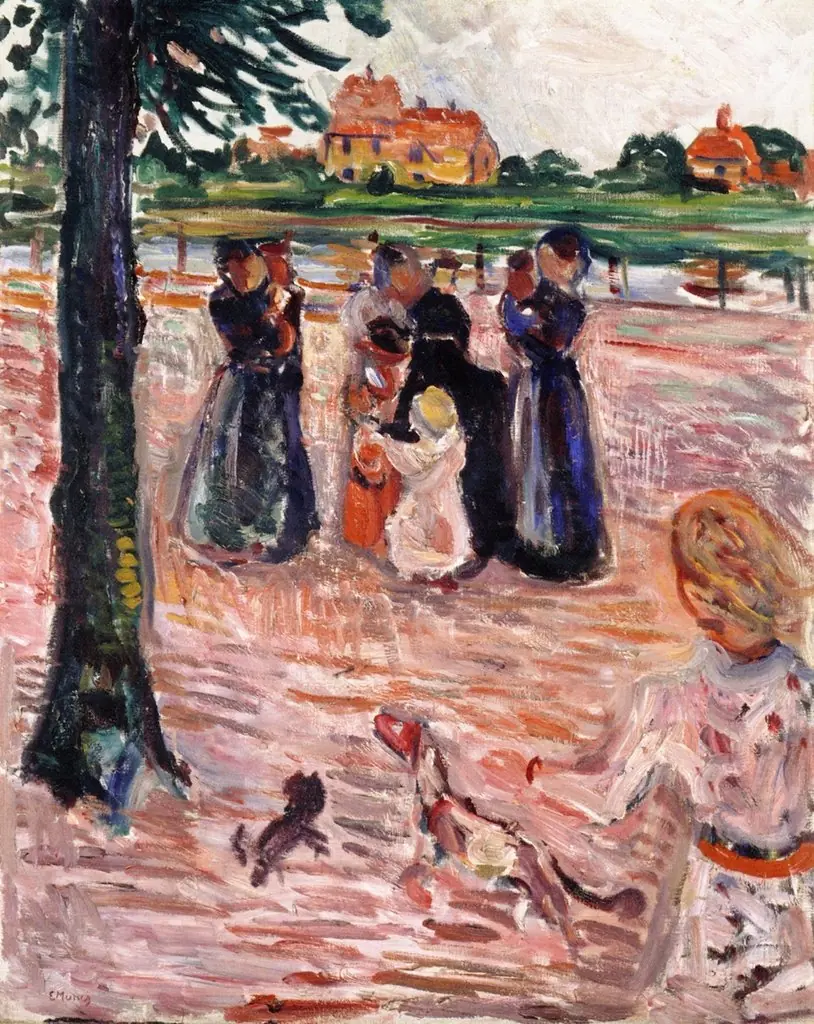
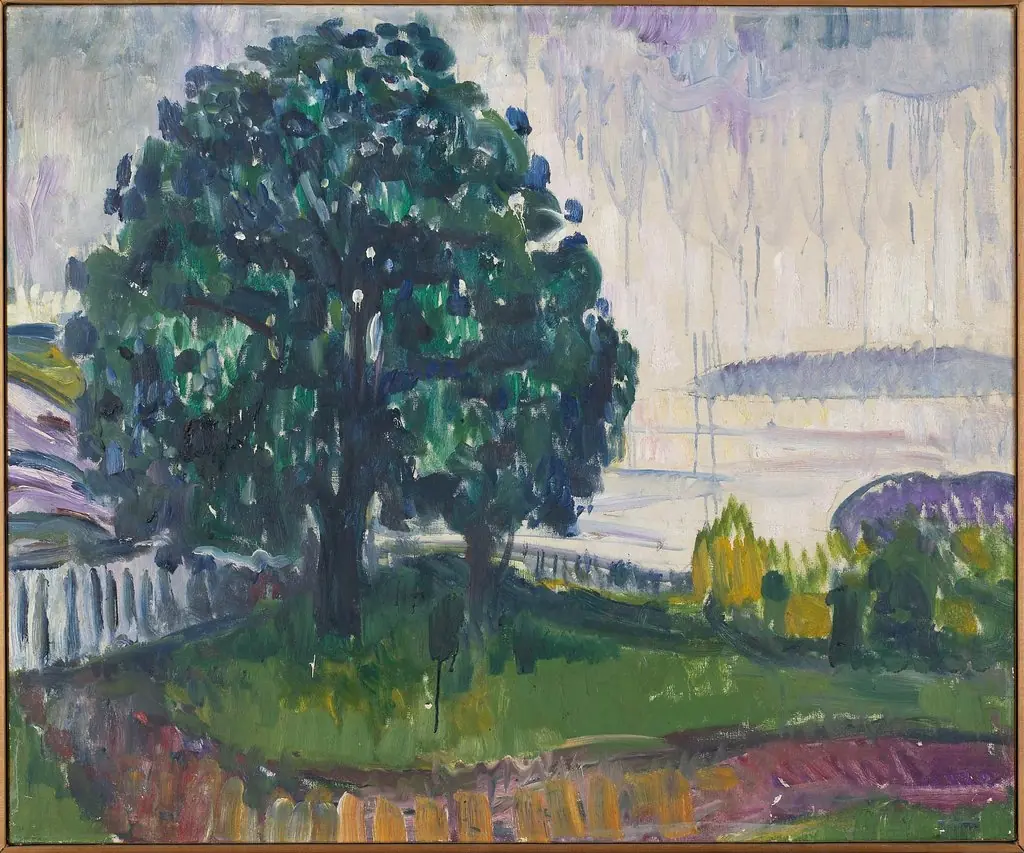
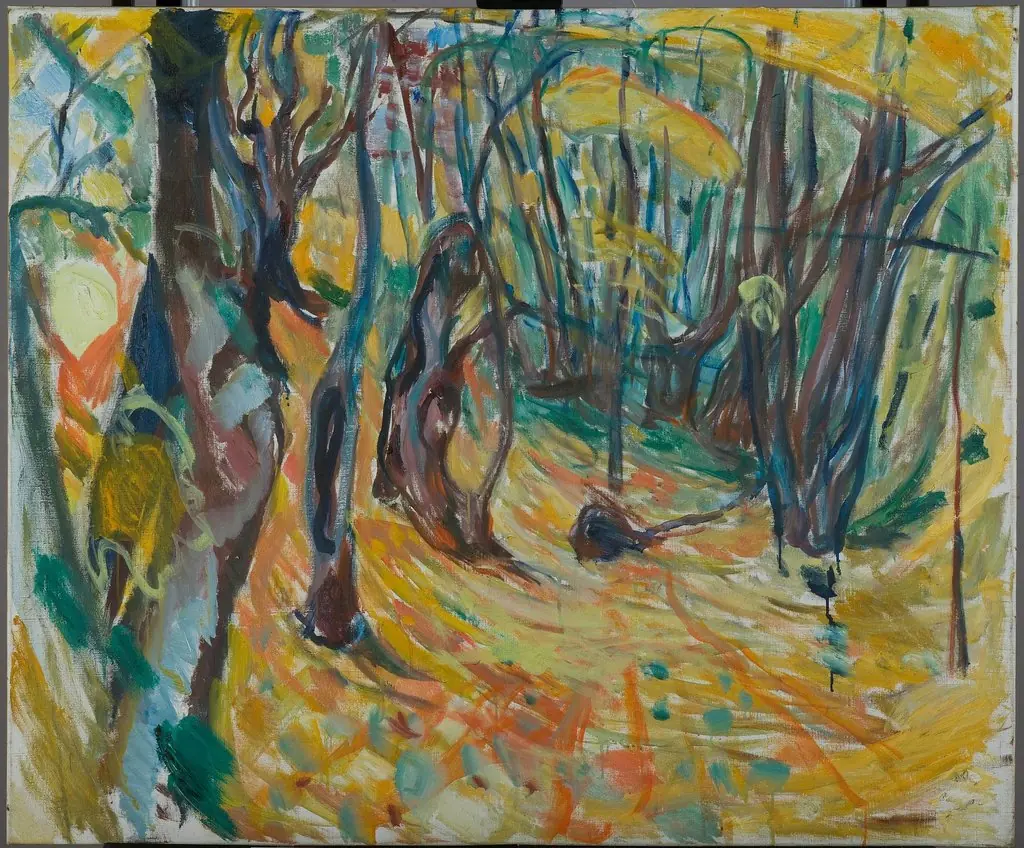
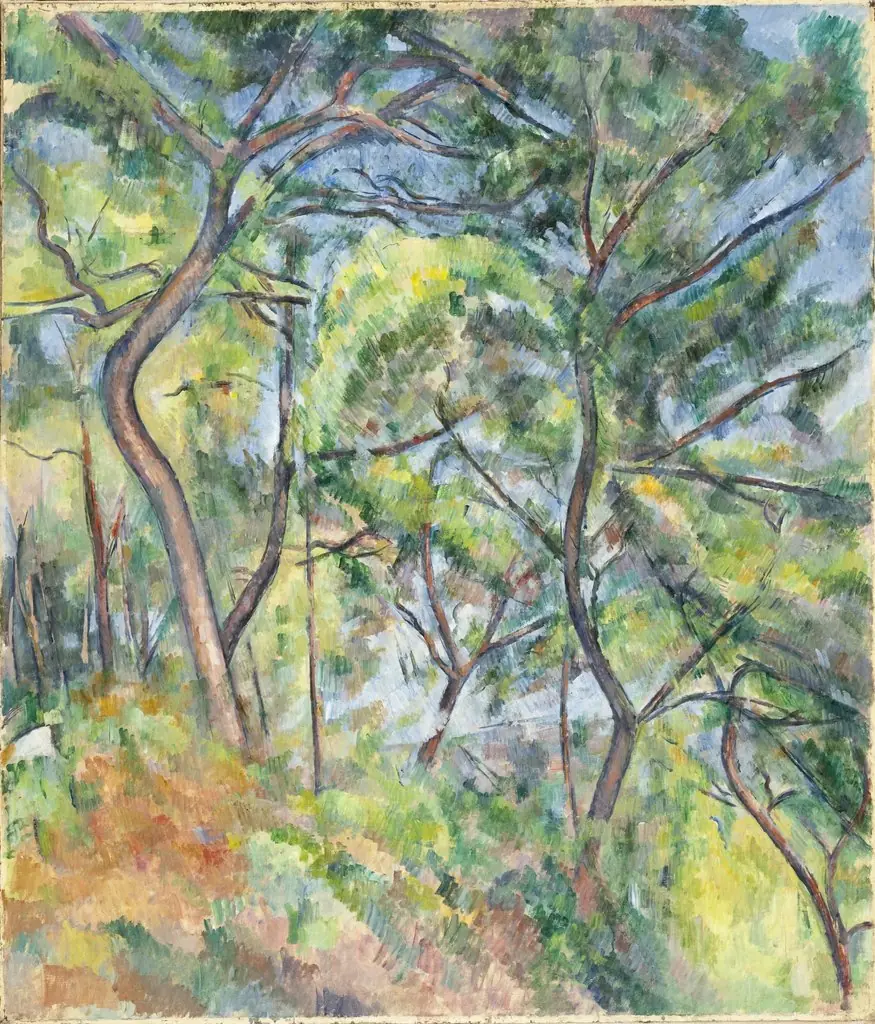
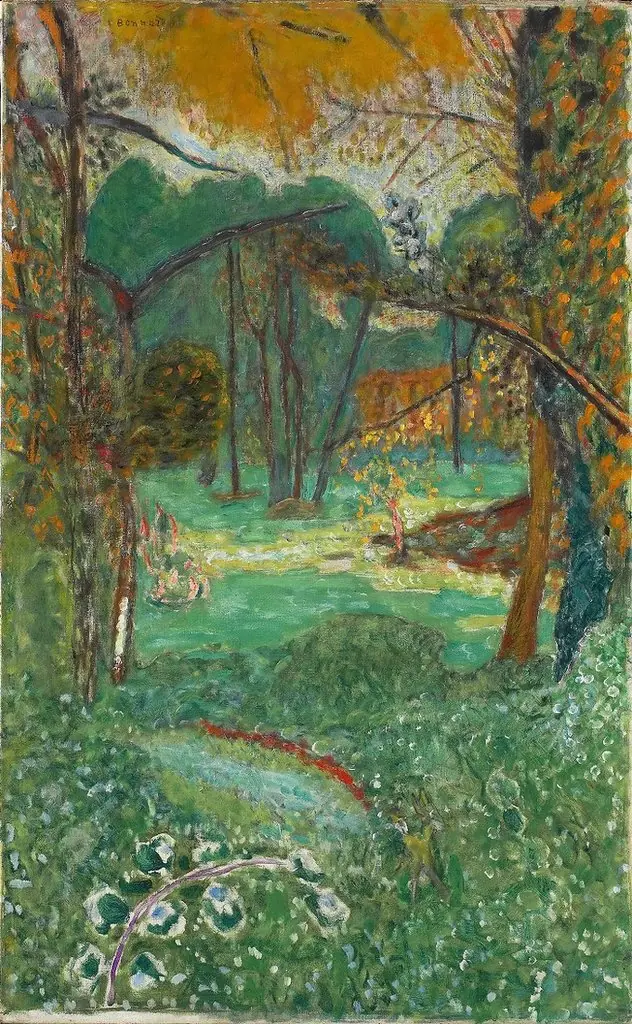
Boulevard in Paris is an oil painting by the Post-Impressionist artist Edvard Munch. It dates from 1900 and is held in the collection of the Munch Museum.
About this work
Overview
Though best known for psychological themes, this work reflects a quieter phase in his career, capturing an urban landscape rather than inner turmoil.
Edvard Munch painted *Boulevard in Paris* in 1900 during a period of personal and artistic transition. Though best known for psychological themes, this work reflects a quieter phase in his career, capturing an urban landscape rather than inner turmoil. Executed in oil, it belongs to a series of scenes from his time in the French capital, where he engaged with modern life while maintaining his distinctive visual language.
Subject & Meaning
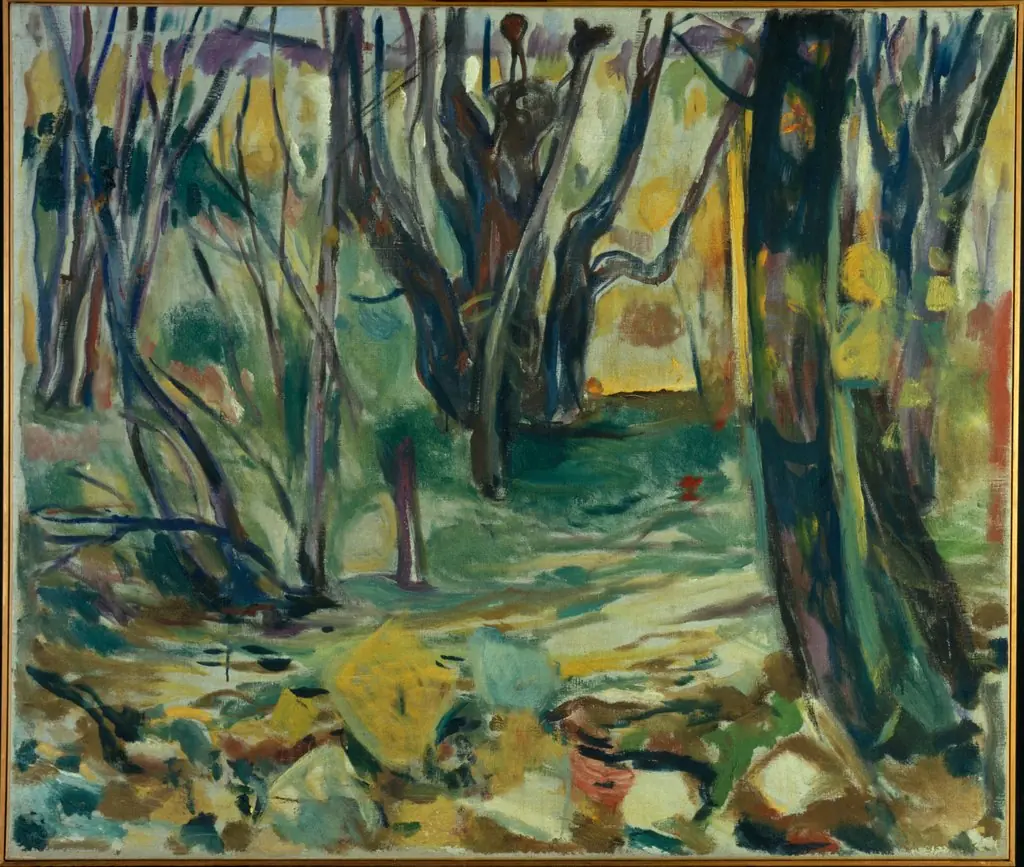
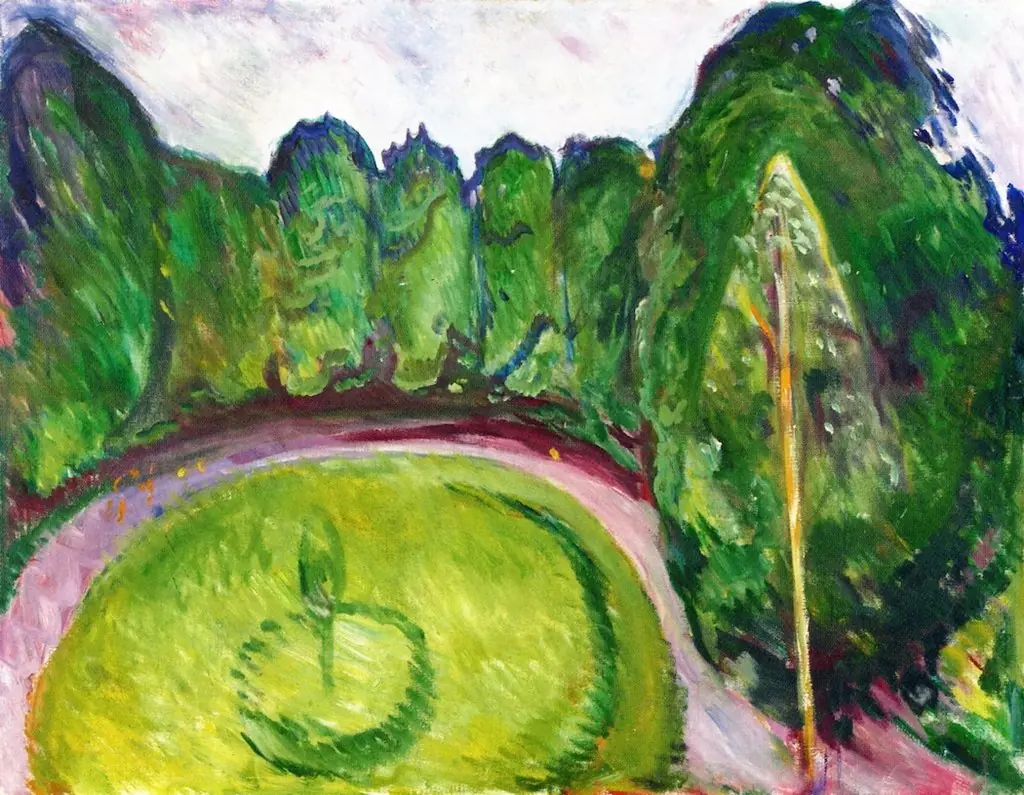
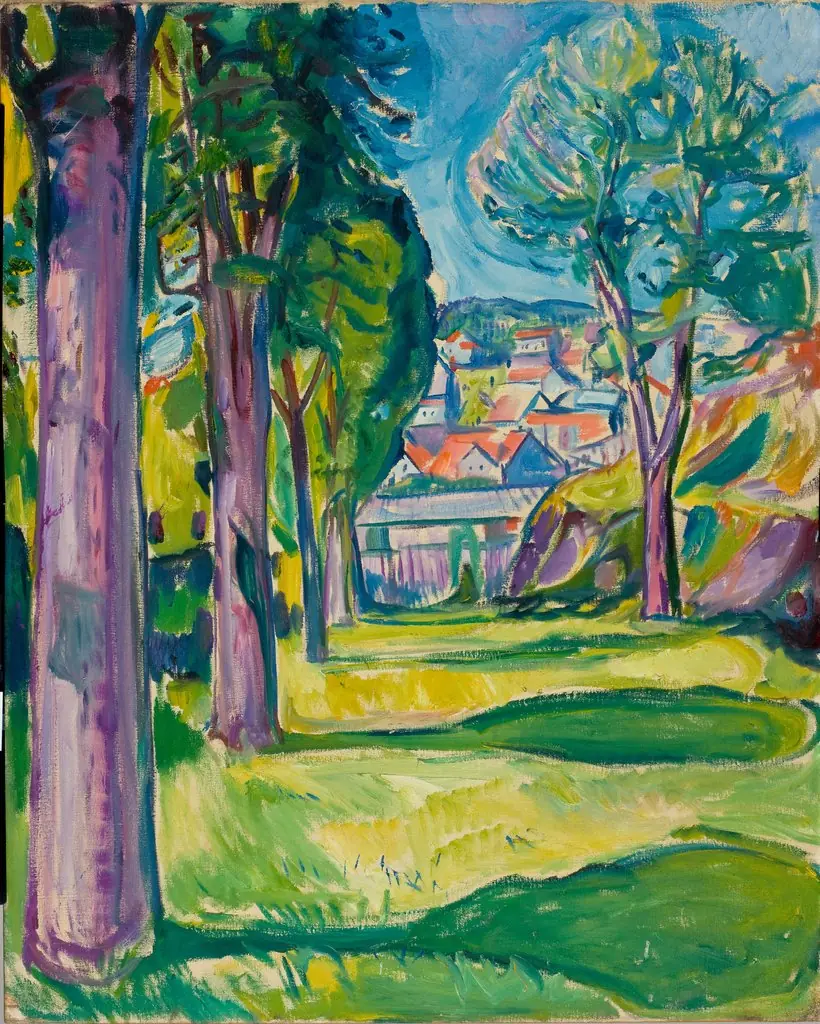
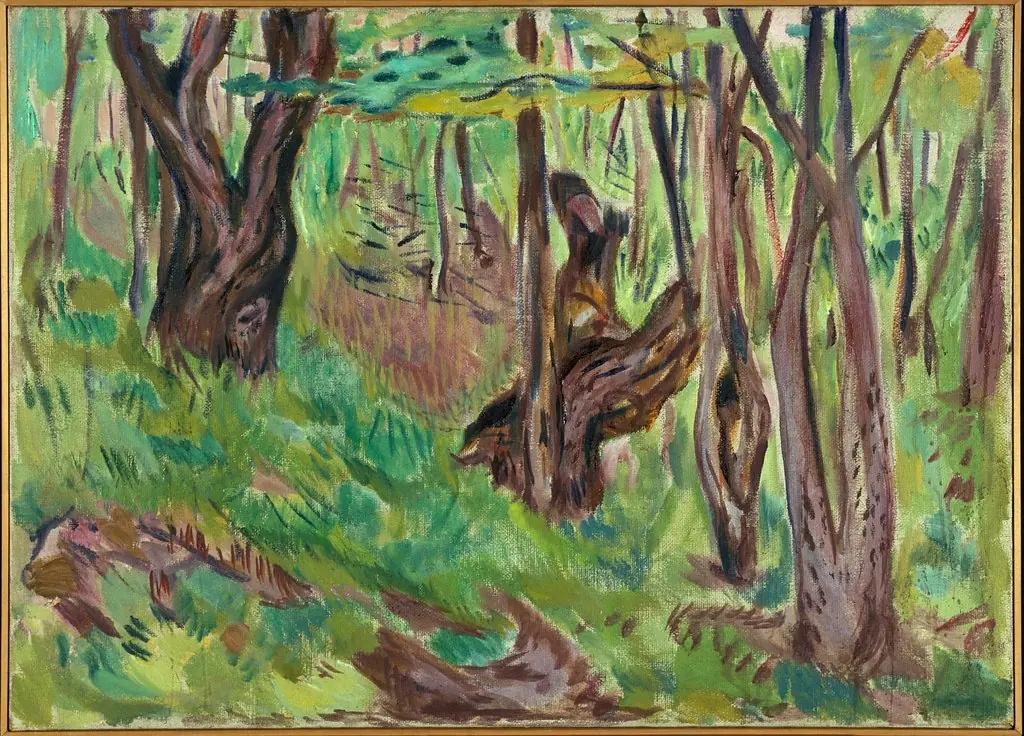
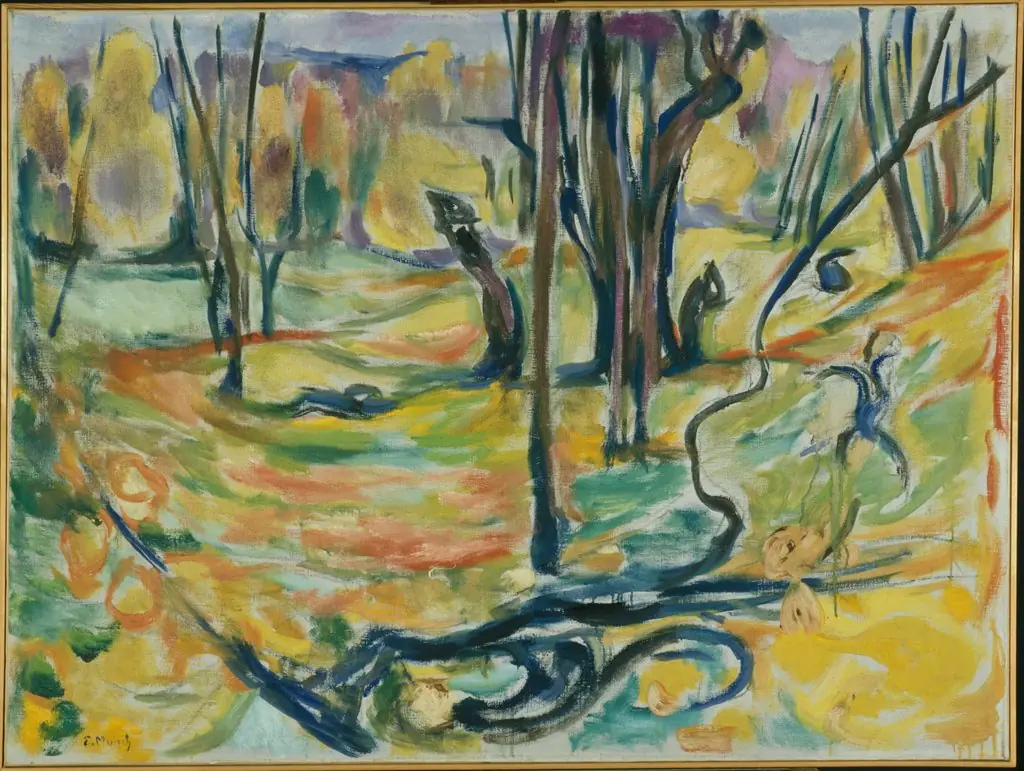
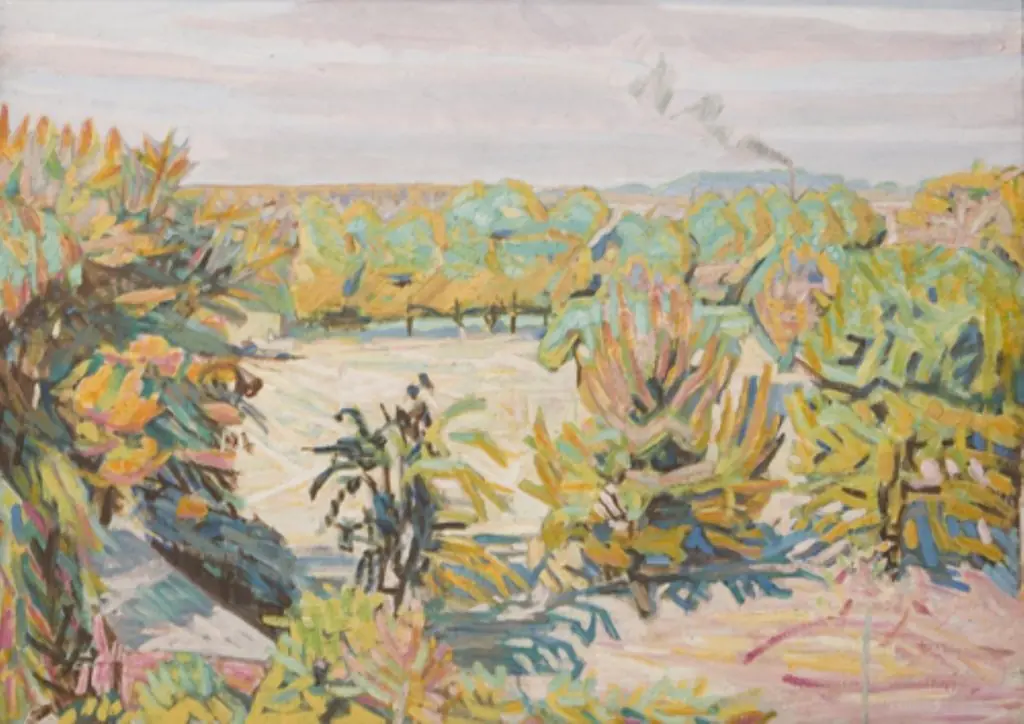
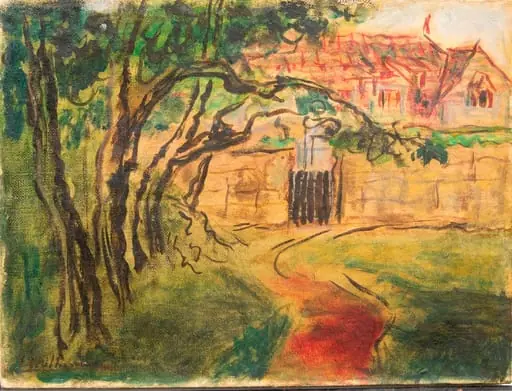
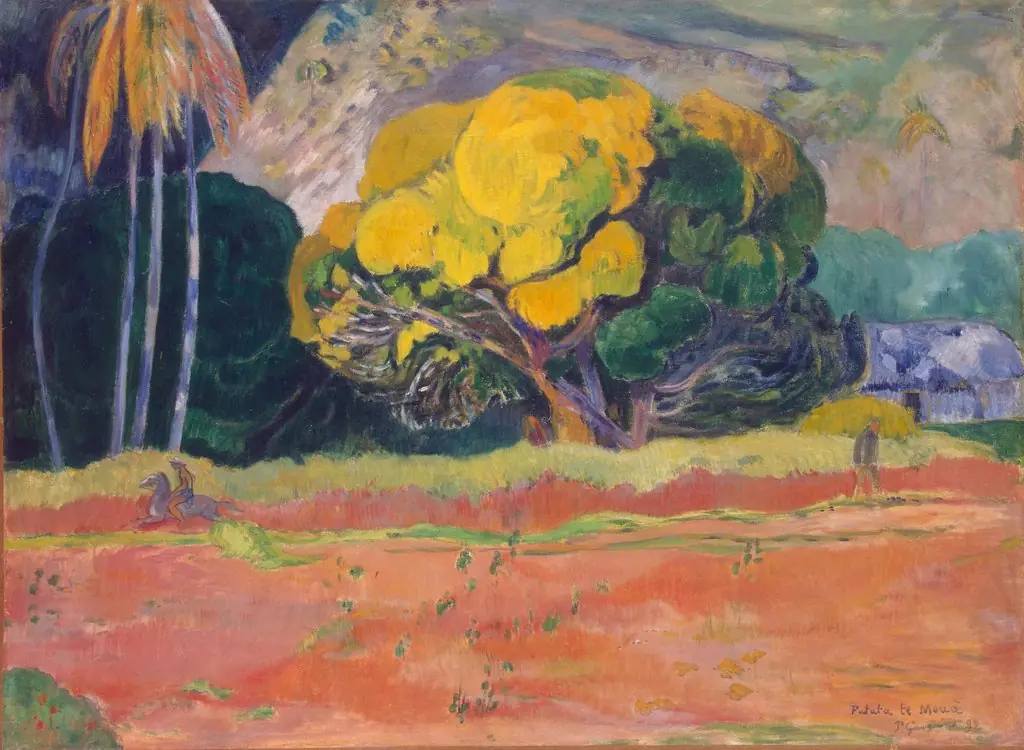
The painting portrays a quiet Parisian boulevard, its winding path flanked by trees under a glowing sky. Unlike Munch’s more agitated compositions, this scene conveys stillness and solitude. The absence of figures suggests a contemplative pause amid urban motion, possibly reflecting the artist’s own sense of detachment. The calm atmosphere may hint at a fleeting moment of respite during a time of intense personal reflection.
Technique & Style
Munch employed loose, expressive brushwork and saturated hues to build texture and atmosphere. Greens and golds in the foliage contrast with the warm, amber sky, creating a luminous depth. The road’s soft earth tones guide the viewer’s gaze inward, while the brushstrokes retain a sense of immediacy. His approach blends observation with emotional resonance, characteristic of his post-impressionist leanings without adhering strictly to any school.
History & Provenance
Created during Munch’s stay in Paris, the painting remained in his personal collection until his death. It was later transferred to the Munch Museum in Oslo, established to preserve his legacy. The work’s survival in its original state reflects its significance as a lesser-known but representative piece of his urban period, offering insight into his engagement with European modernity beyond his more famous themes.
Context
In 1900, Munch was navigating the cultural currents of fin-de-siècle Europe, influenced by Symbolism and the writings of thinkers like Hans Jæger. While in Paris, he encountered Impressionist and Post-Impressionist practices but retained his focus on mood over realism. This painting reflects his attempt to reconcile the tranquility of nature with the rhythms of city life, a tension present in much of his work from this era.
Legacy
Though overshadowed by *The Scream*, *Boulevard in Paris* contributes to understanding Munch’s range beyond psychological intensity. It demonstrates his ability to convey emotion through landscape, influencing later Nordic artists who sought to merge personal feeling with observed reality. The painting remains a quiet testament to his evolving vision—one that found depth not only in anguish, but in stillness.
Artist & collection
Artist
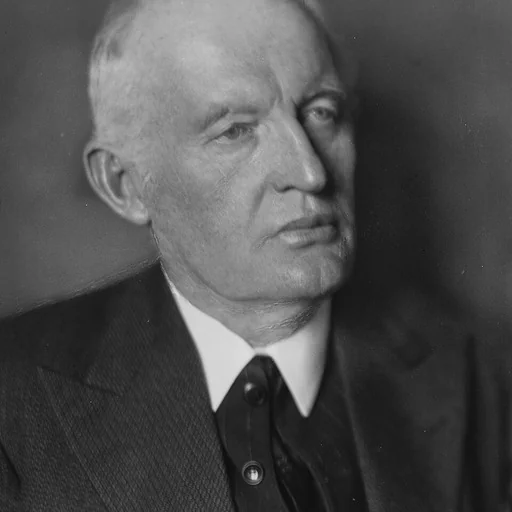
Edvard Munch ( MUUNK; Norwegian: ; 12 December 1863 – 23 January 1944) was a Norwegian painter.