Artwork
Fatata Te Moua (At the Foot of a Mountain)
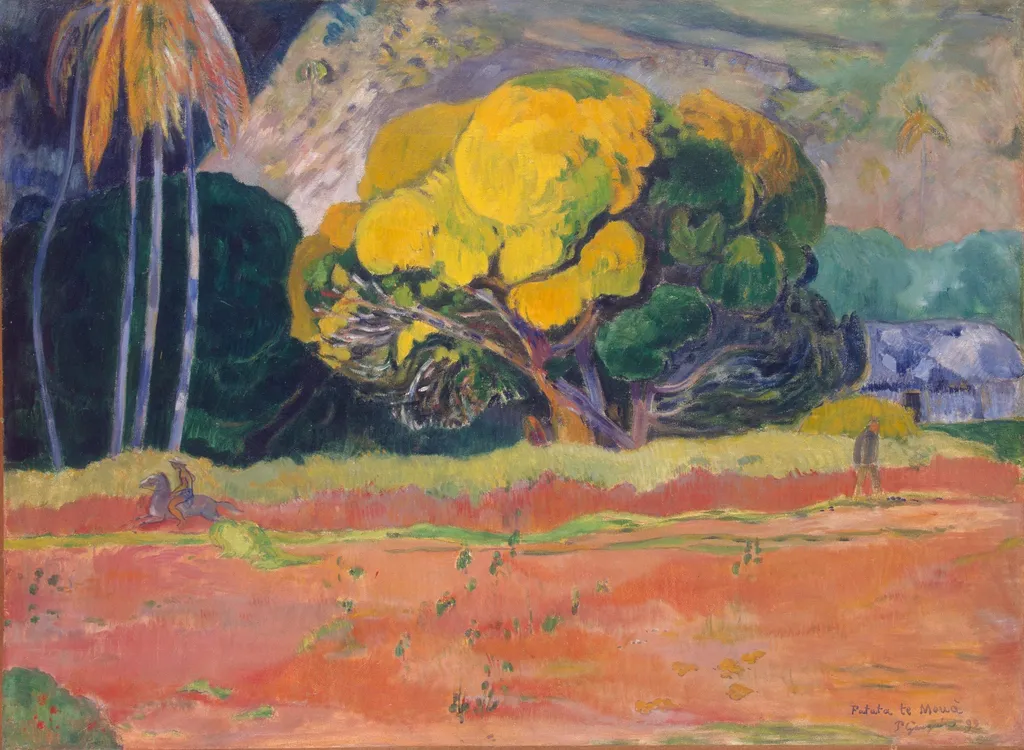
Fatata Te Moua (At the Foot of a Mountain) is an oil painting by the Post-Impressionist artist Paul Gauguin. It dates from 1896 and is held in the collection of the Hermitage Museum.
About this work
Overview
Fatata Te Moua (At the Foot of a Mountain) is a 1896 oil painting by Paul Gauguin, characteristic of his Post-Impressionist period.
Subject & Meaning
The painting captures a vibrant landscape scene with a yellow tree prominent against a red-orange field, distant figures engaging in daily activities near a hut, and lush tropical vegetation set beneath a cloudy sky.
Technique & Style
Gauguin employed bold, visible brushstrokes and impasto, applying thick, rough layers of paint to convey a sense of dynamism and energy in the composition.
History & Provenance
Created in 1896, this work reflects Gauguin's experimental departure from Impressionism, aligning with his contributions to Post-Impressionism and hints of Synthetist tendencies.
Context
Part of Gauguin's broader exploration of landscapes, this piece showcases his distinctive approach to color and form, diverging from conventional Impressionist practices.
Legacy
Fatata Te Moua contributes to Gauguin's legacy as a pioneer of Post-Impressionism and Symbolism, influencing subsequent artistic movements with its innovative visual language.
Own this work as a print
Artist & collection
Artist
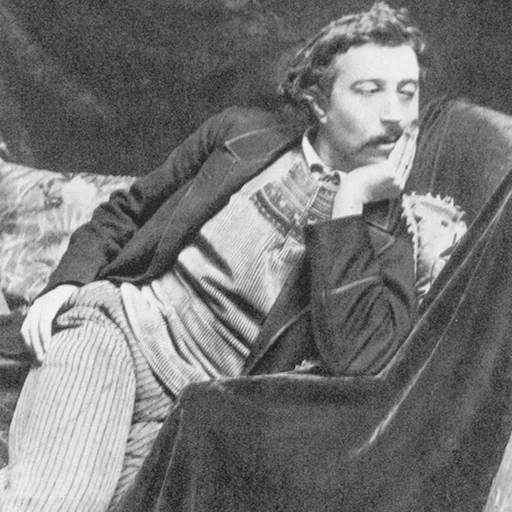
Eugène Henri Paul Gauguin (; French: ; 7 June 1848 – 8 May 1903) was a French painter, sculptor, printmaker, ceramist, and writer, whose work has been primarily associated with the Post-Impressionist and Symbolist movements.

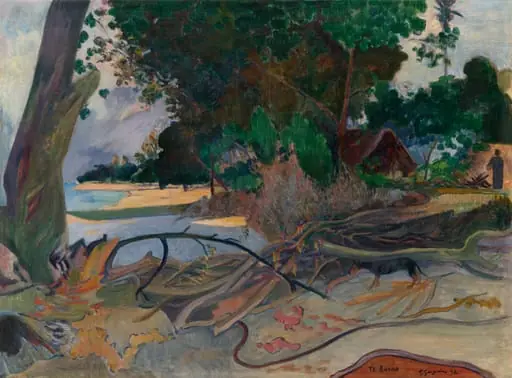 Te burao (The Hibiscus Tree)
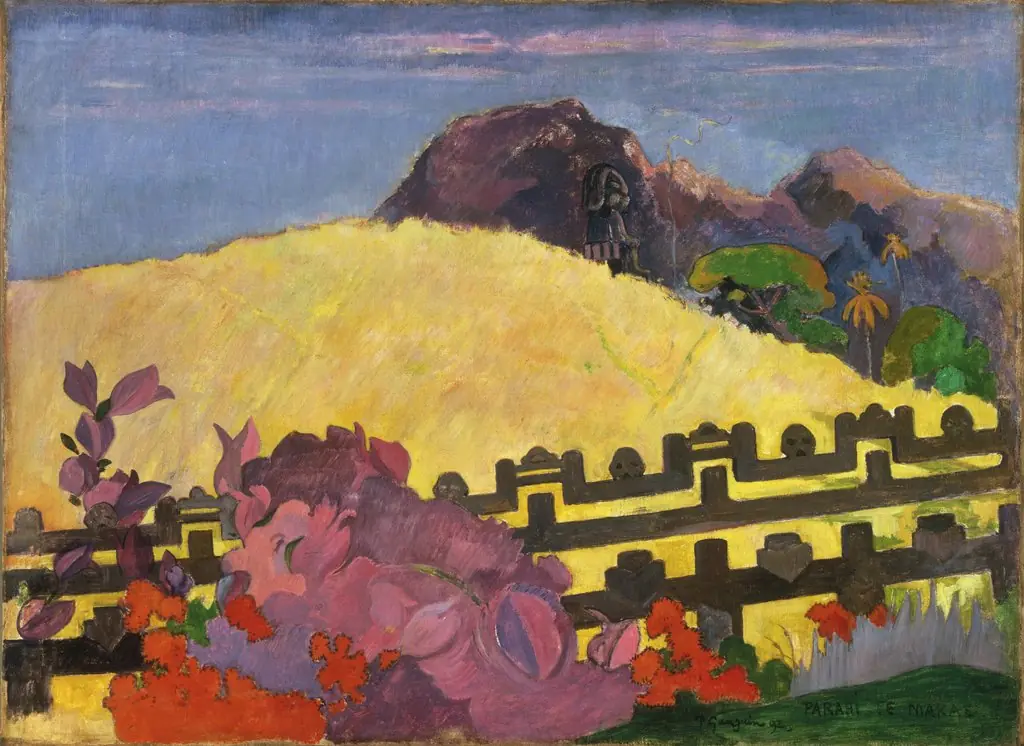 The Sacred Mountain (Parahi Te Marae)
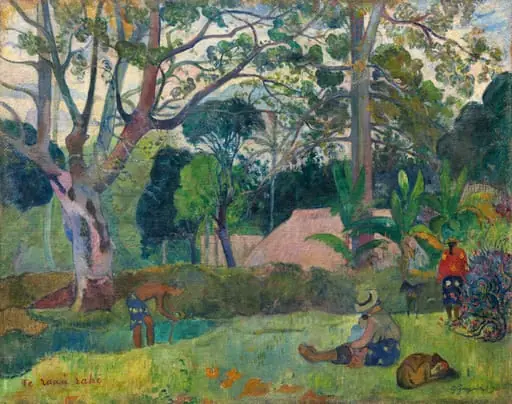 Te raau rahi (The Big Tree)
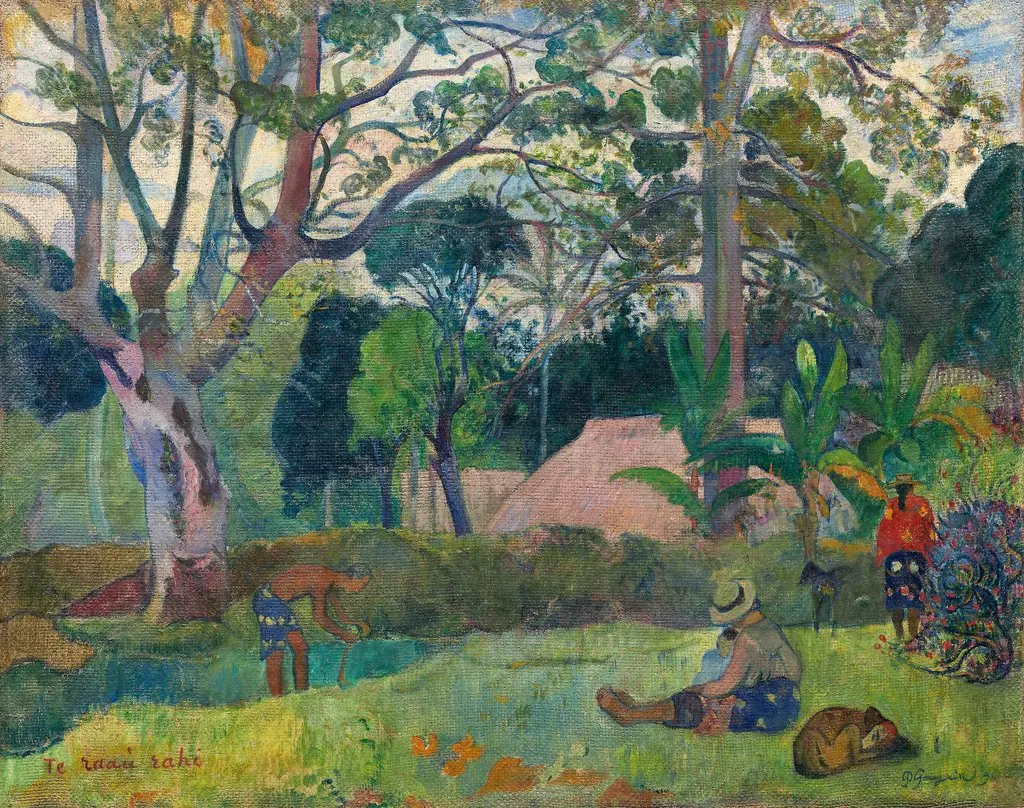 The Big Tree (Te raau rahi)
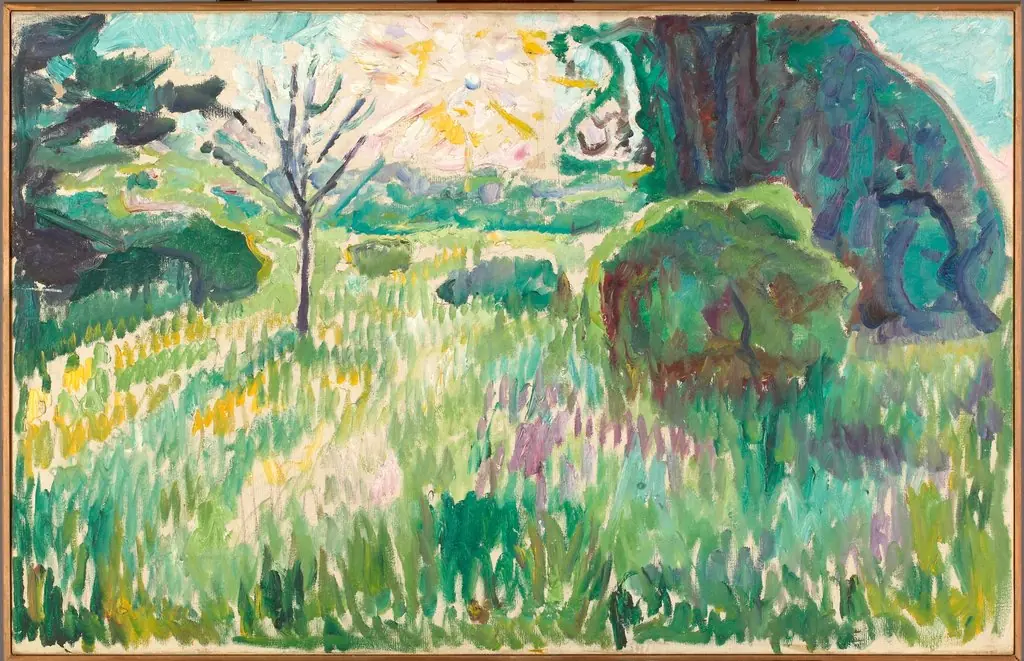 Morning in the Garden
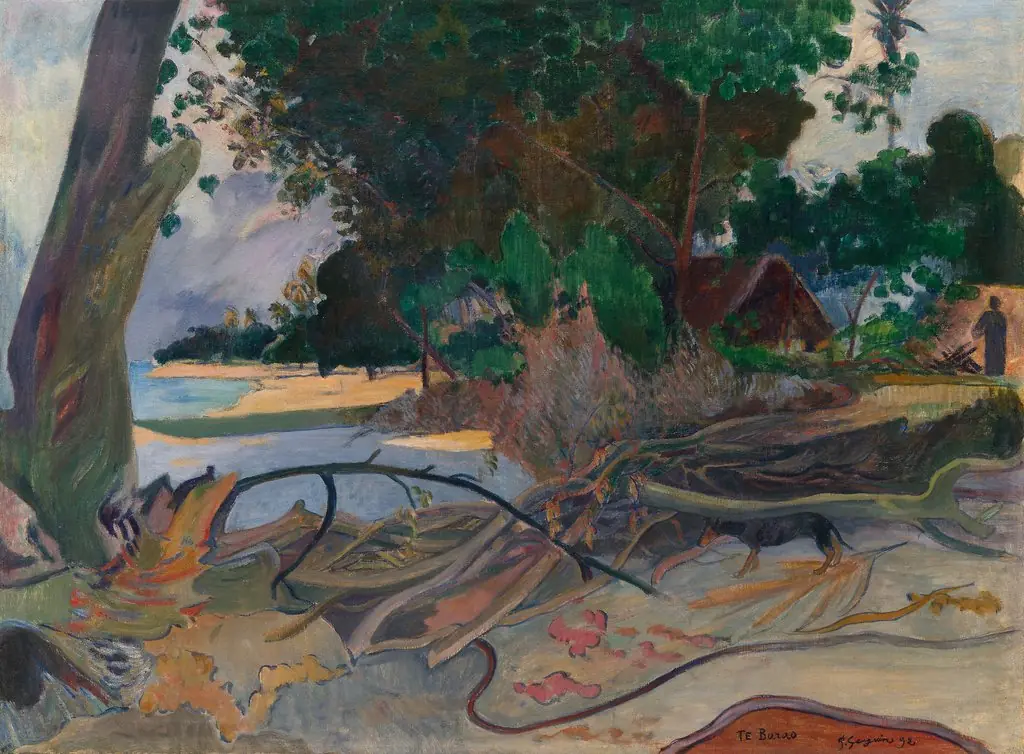 The Hibiscus Tree (Te Burao)
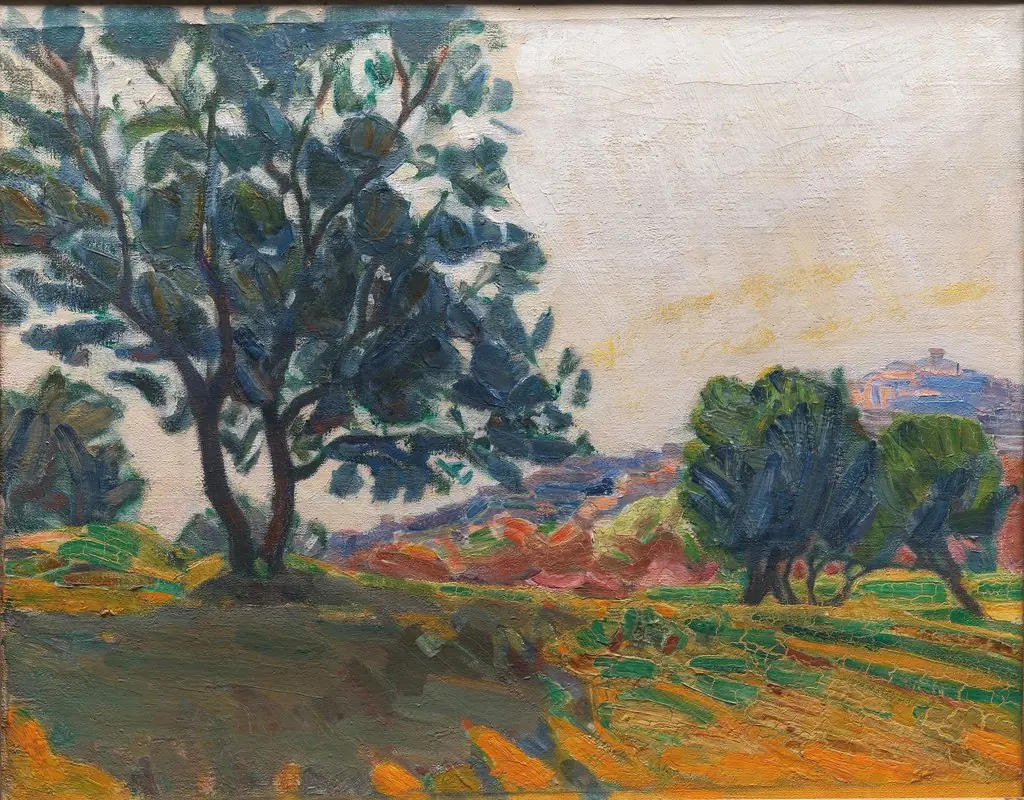 The Olive Grove. With Cagnes in the Background. Against the Light
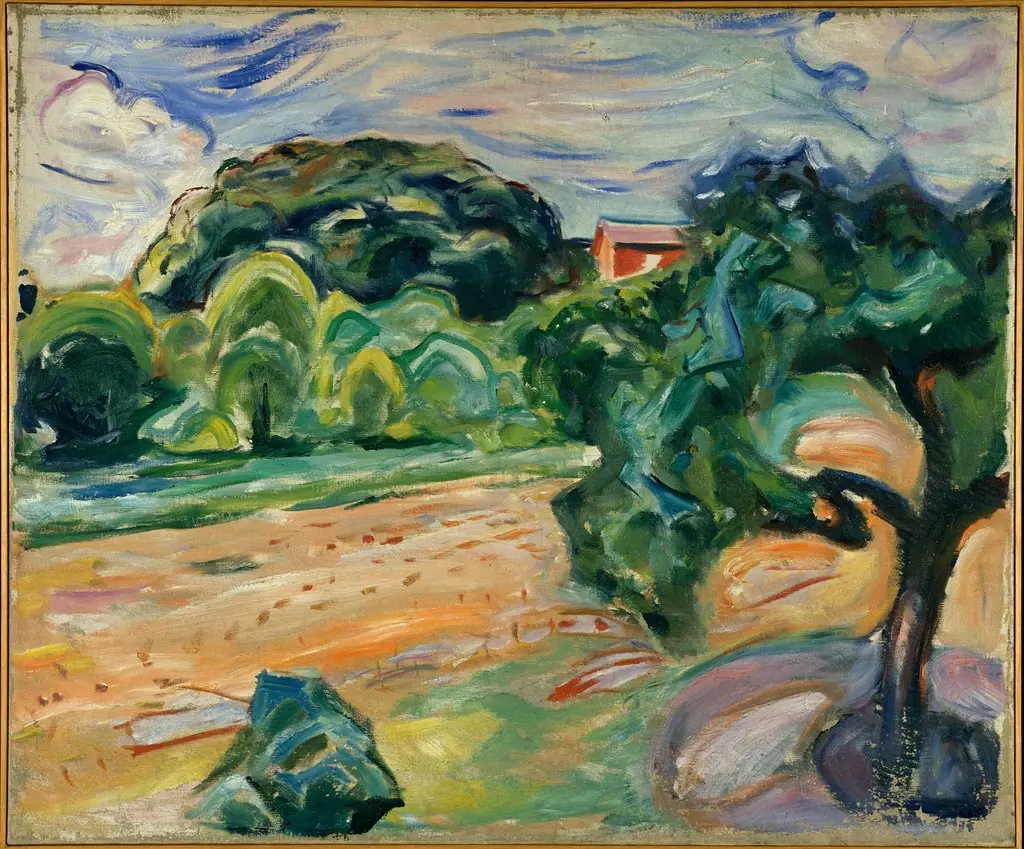 Summer at Ekely
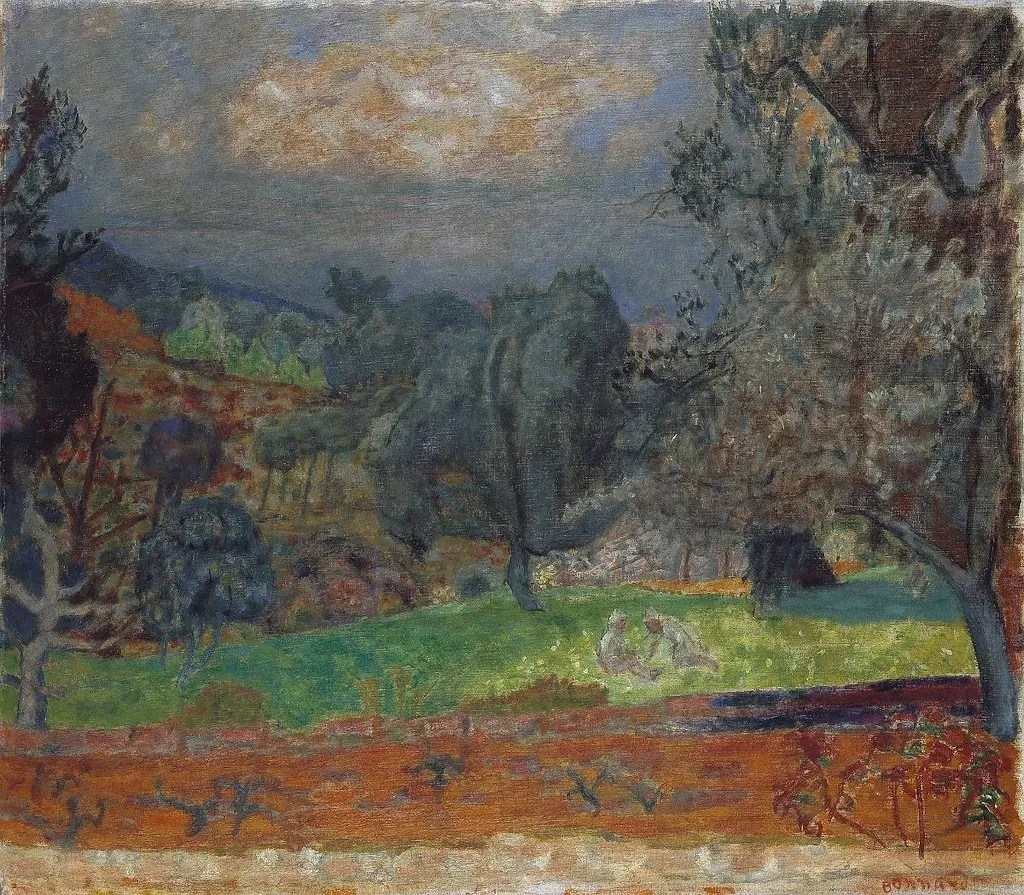 Paysage au soleil couchant. Le Cannet
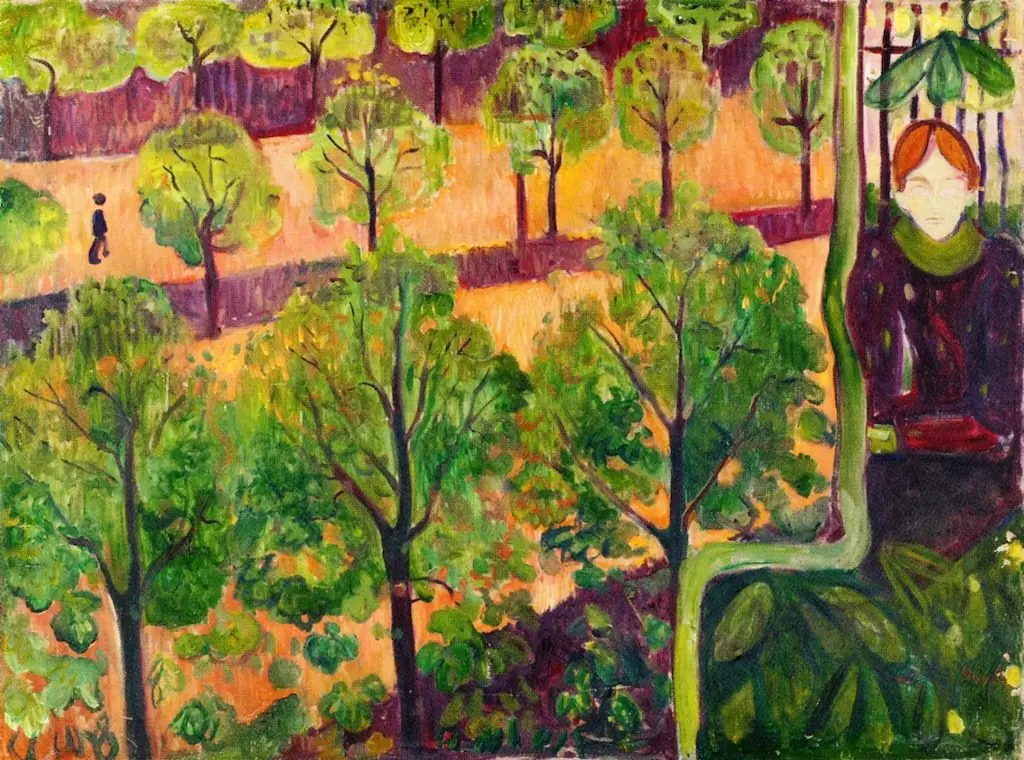 Boulevard in Paris
 Spring at Ekely
 Garden with Apple Trees