Artwork
Dagny Juel Przybyszewska
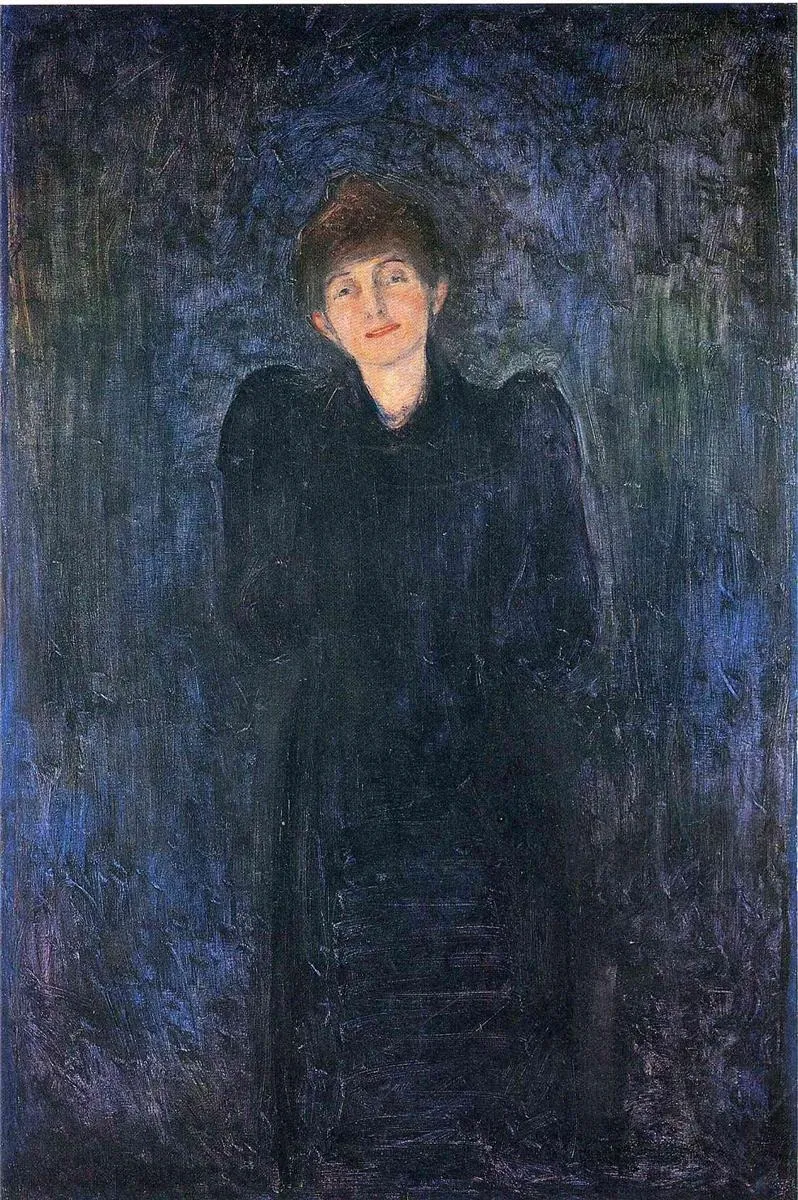
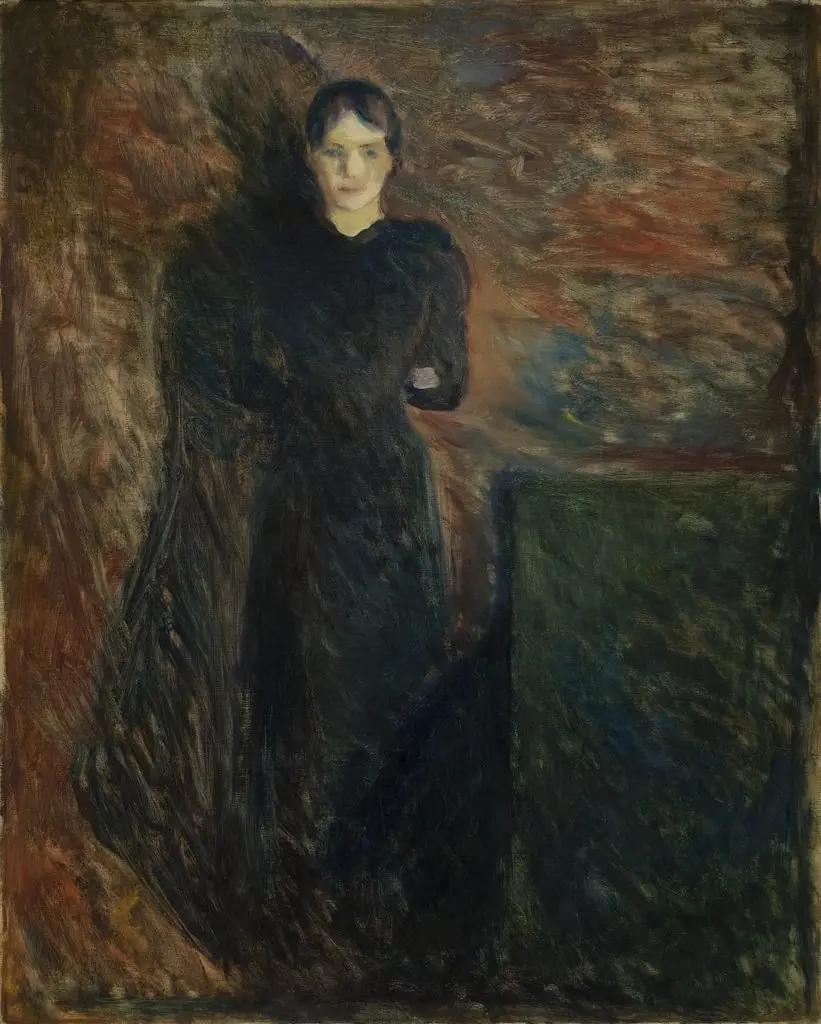
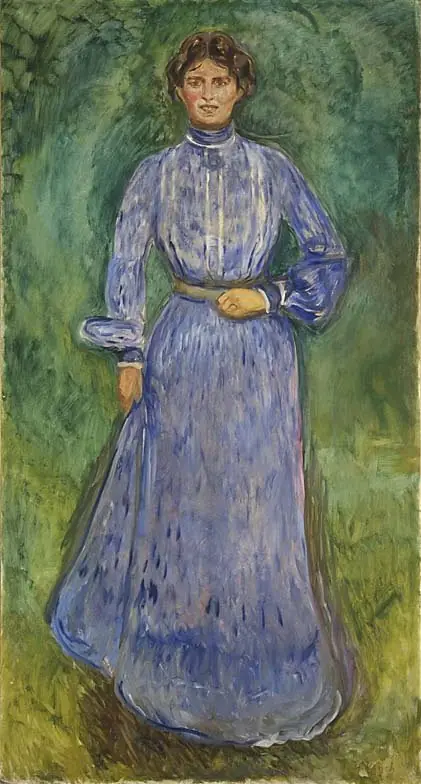
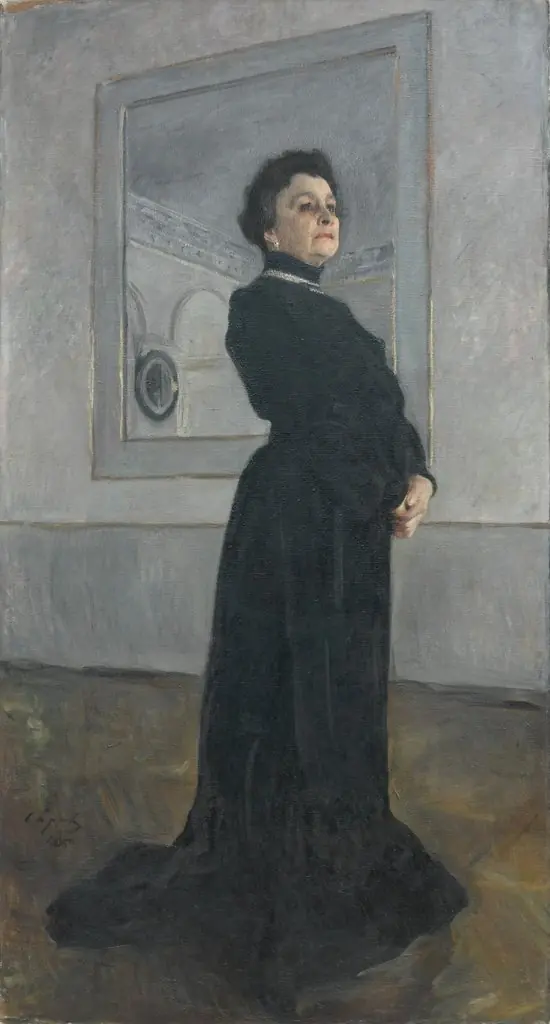
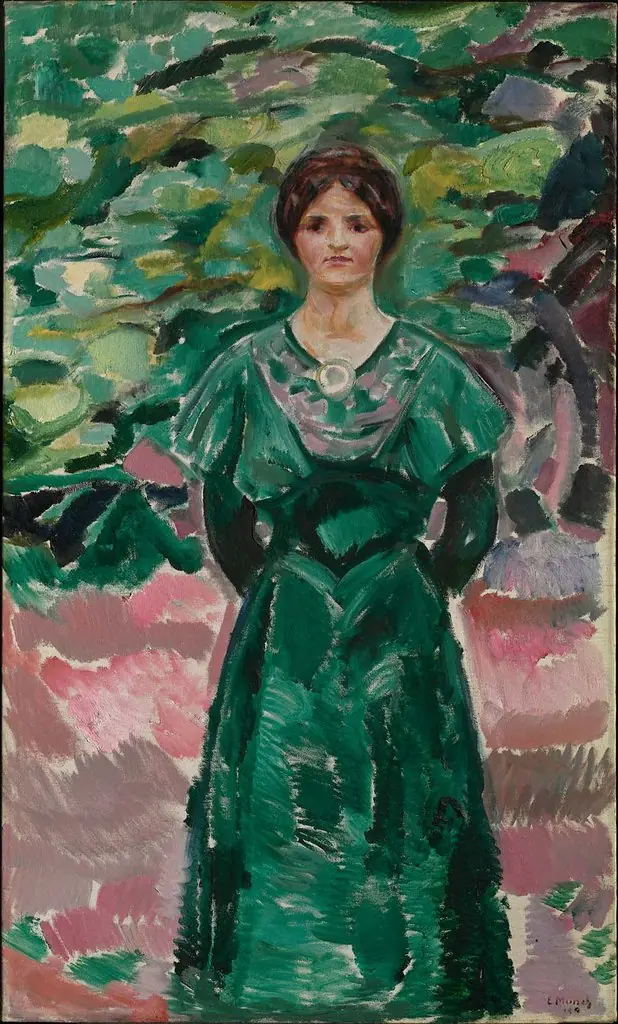
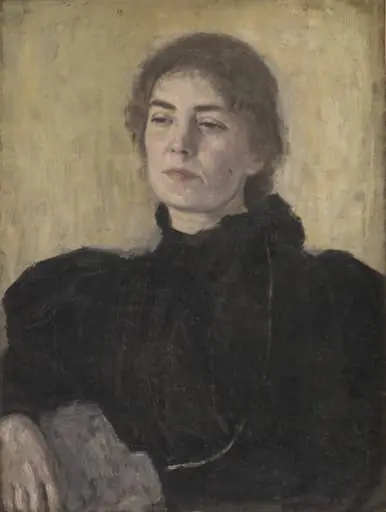
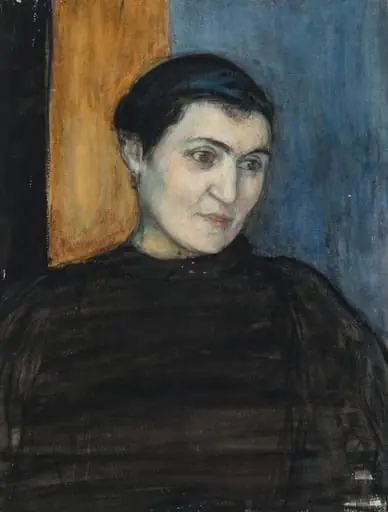
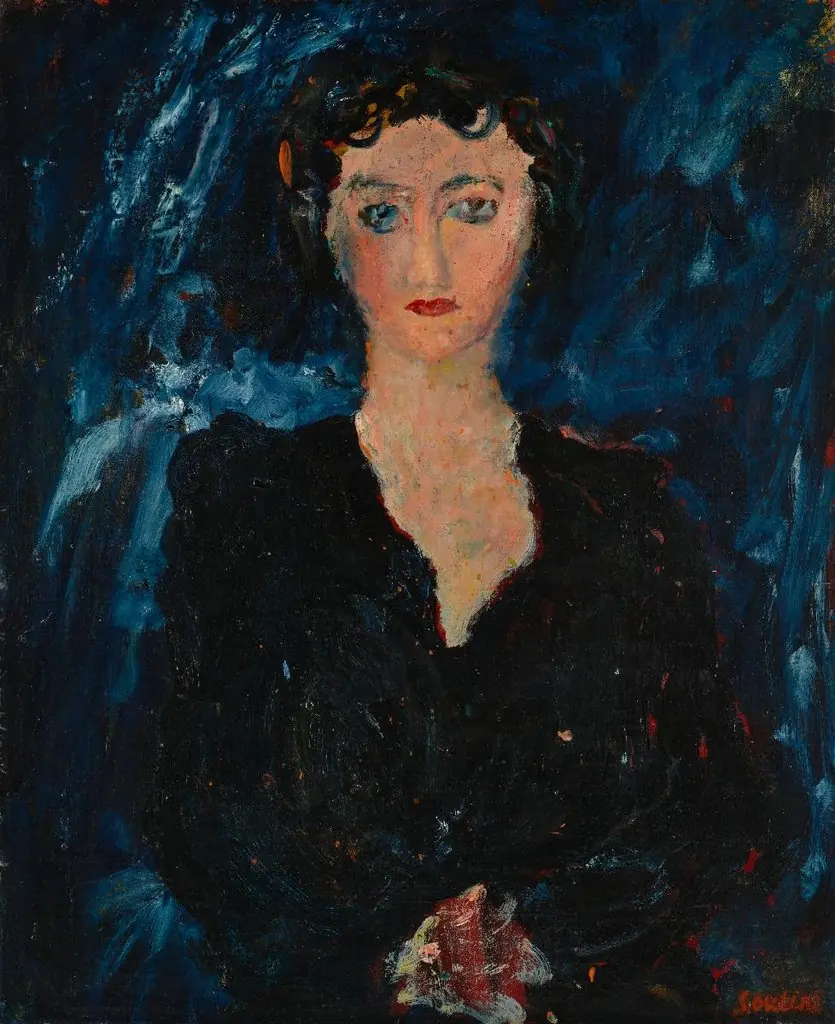
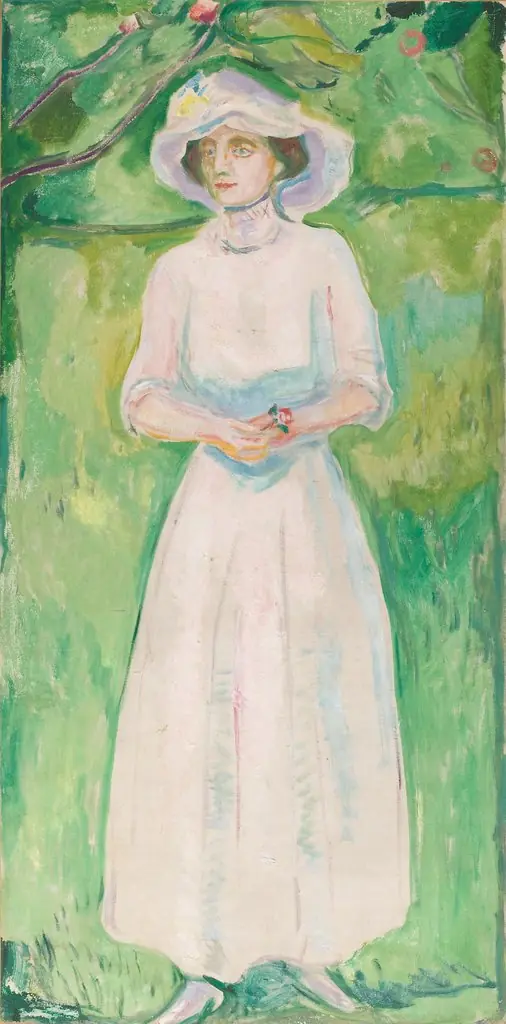
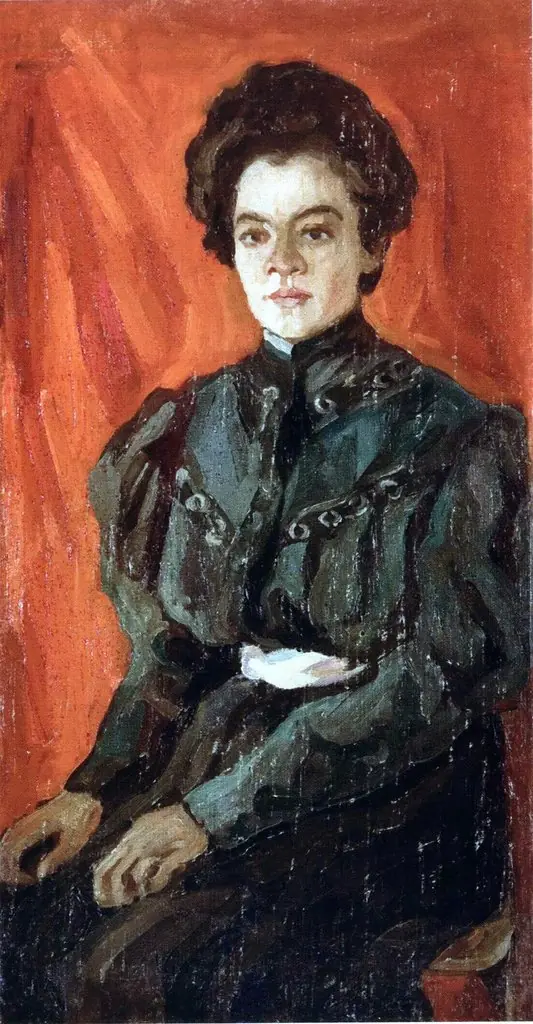
Dagny Juel Przybyszewska is an oil painting by the Post-Impressionist artist Edvard Munch. It dates from 1897 and is held in the collection of the Munch Museum.
About this work
Overview
Painted in 1897, this oil portrait by Edvard Munch captures Dagny Juel Przybyszewska, a Norwegian writer and cultural figure. Executed during Munch’s formative years as an artist, the work reflects his shift toward expressing inner psychological states rather than external realism. It resides in the Munch Museum, part of a broader body of work rooted in personal and emotional inquiry.
Subject & Meaning
Dagny Juel Przybyszewska was a writer and intellectual connected to Scandinavian avant-garde circles. Munch portrays her with stillness and detachment, her gaze averted and expression unreadable. The quiet intensity of the image suggests introspection rather than narrative, aligning with Munch’s interest in the unseen dimensions of human presence—emotion, solitude, and psychological weight.
Technique & Style
Munch renders the figure with restrained realism, emphasizing facial structure and the texture of dark fabric.
Munch renders the figure with restrained realism, emphasizing facial structure and the texture of dark fabric. The background dissolves into a turbulent, uneven blue, creating contrast through atmospheric abstraction. Subtle chiaroscuro defines the contours of her face and shoulders, while the lack of detail in the surroundings focuses attention on her internal presence, a hallmark of his expressive approach.
History & Provenance
The painting was completed during Munch’s time in Berlin, where he engaged with literary and artistic circles that embraced existential themes. It remained in his personal collection until his death, later entering the Munch Museum’s holdings as part of his bequest. Its preservation reflects its significance within his oeuvre as a portrait of a contemporary intellectual figure.
Context
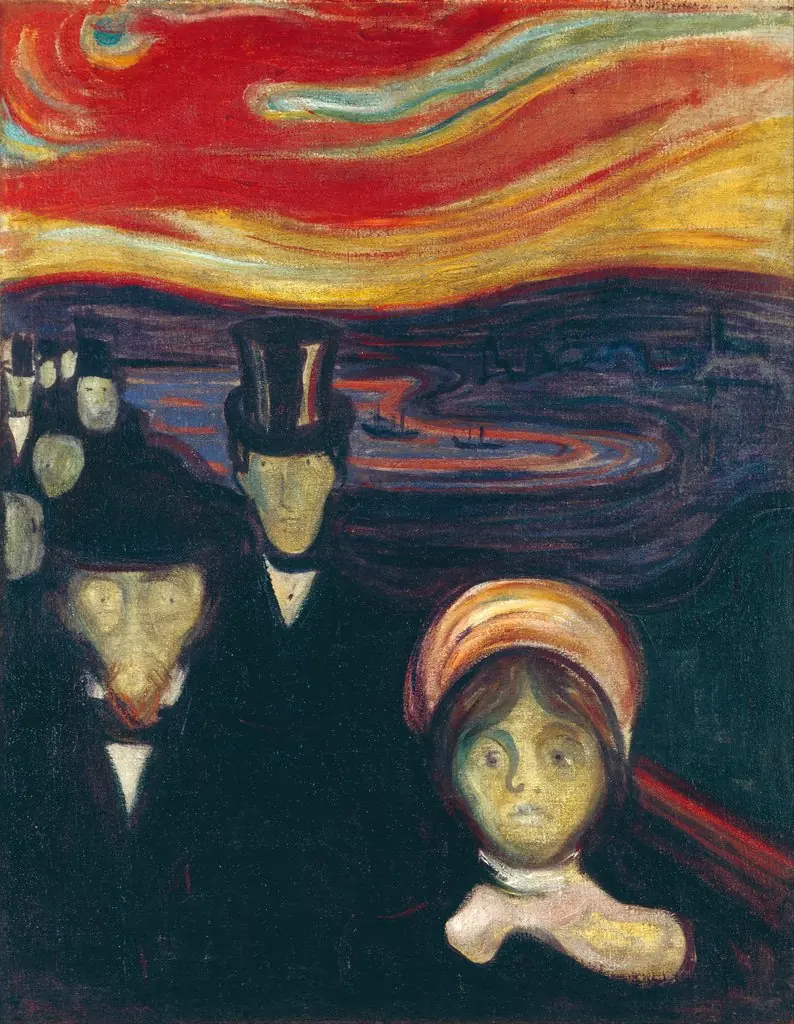
Munch’s work in the late 1890s was shaped by his association with Hans Jæger, whose philosophy urged artists to depict inner turmoil. This portrait emerges alongside other psychological studies of the period, such as 'The Scream,' but here the emotion is subdued. The painting reflects a broader European turn toward subjectivity in art, away from naturalism toward emotional authenticity.
Legacy
This portrait exemplifies Munch’s early contribution to modern portraiture—not as a record of likeness, but as a vessel for psychological resonance. Its restrained palette and emotional ambiguity influenced later expressionist artists seeking to convey inner life through form and atmosphere. It remains a quiet but enduring statement on the complexity of human presence.
Artist & collection
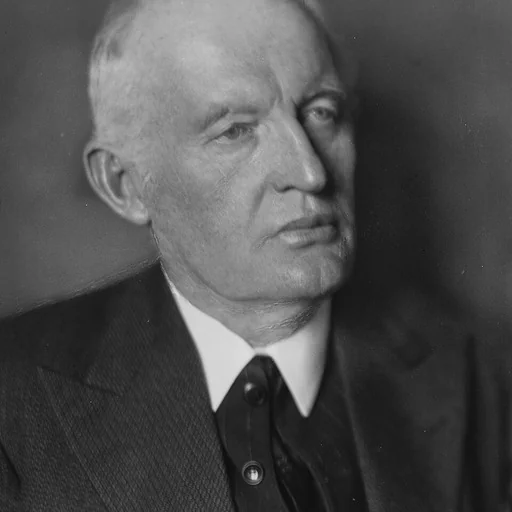
Artist
Edvard Munch ( MUUNK; Norwegian: ; 12 December 1863 – 23 January 1944) was a Norwegian painter.