Artwork
Harvesting Women
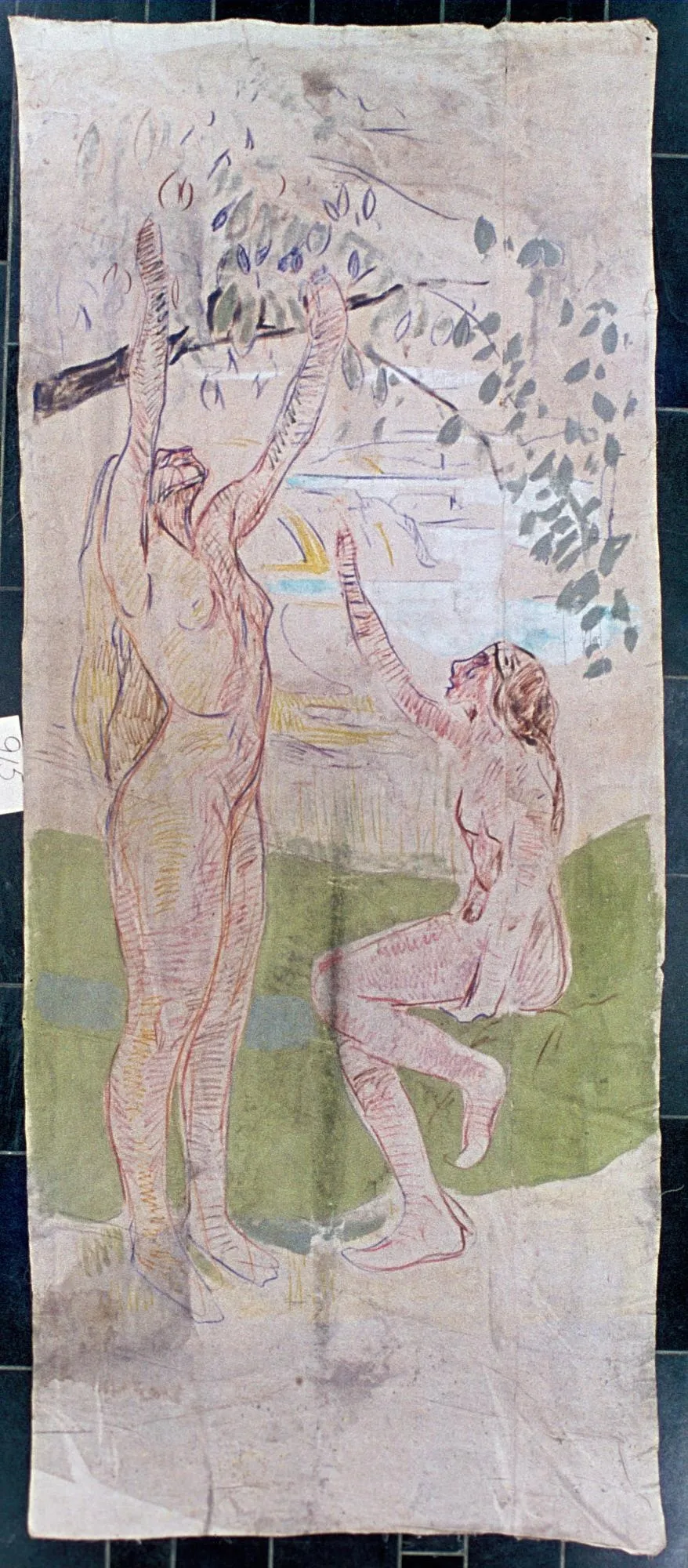
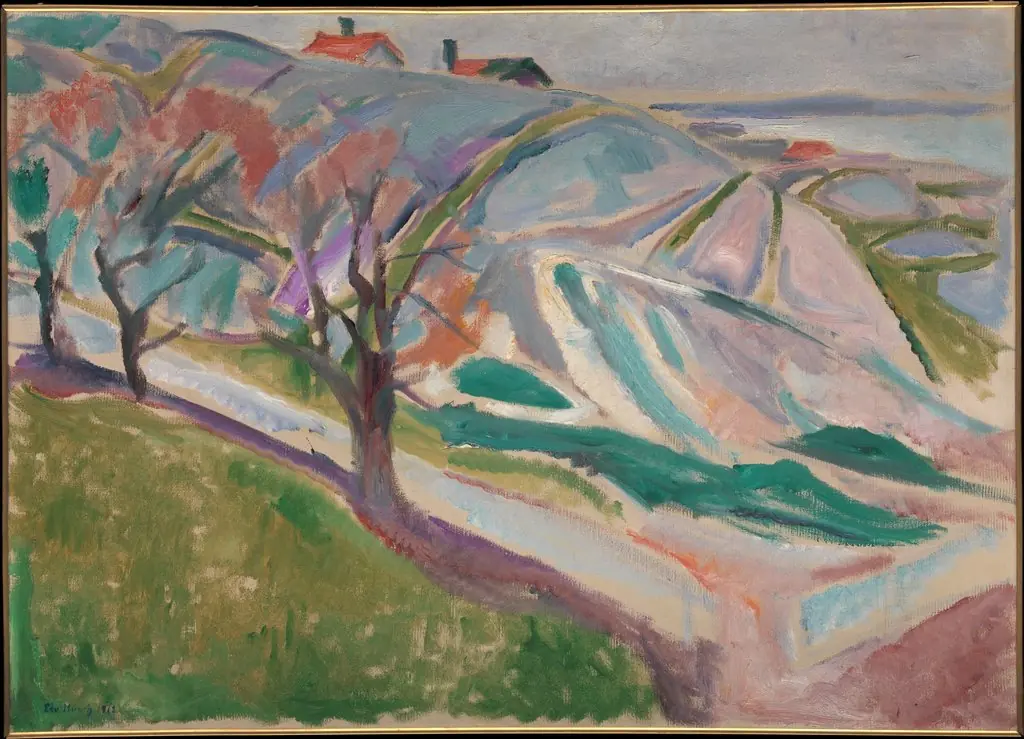
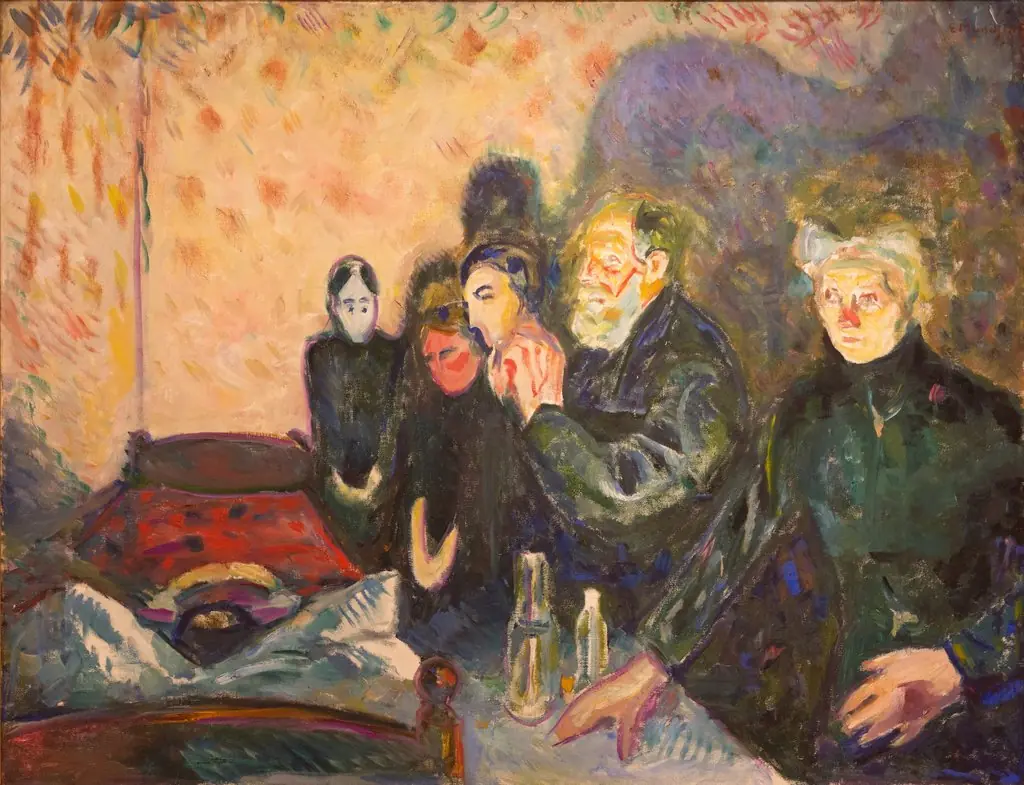
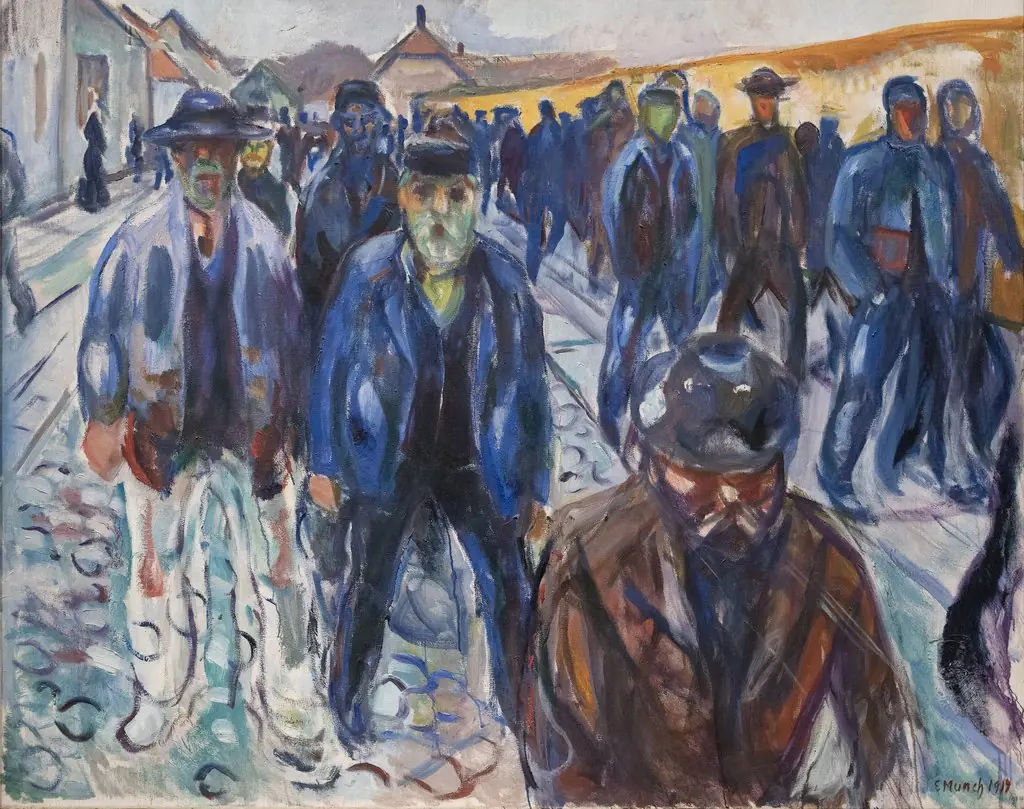
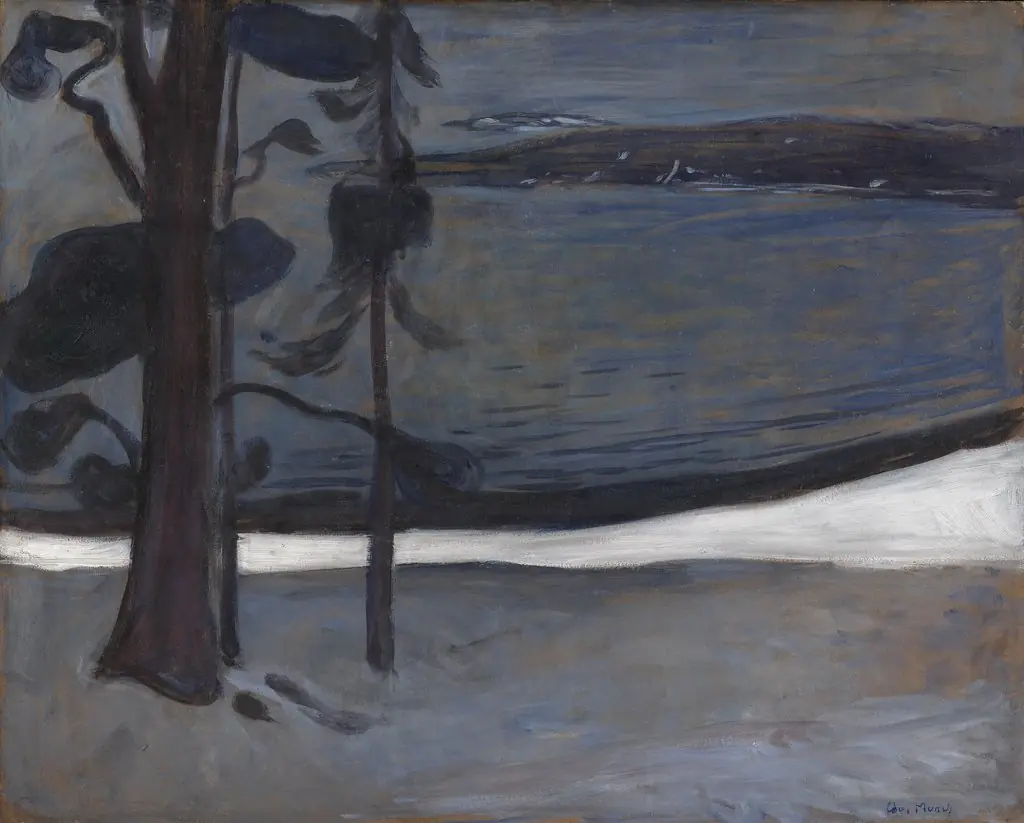
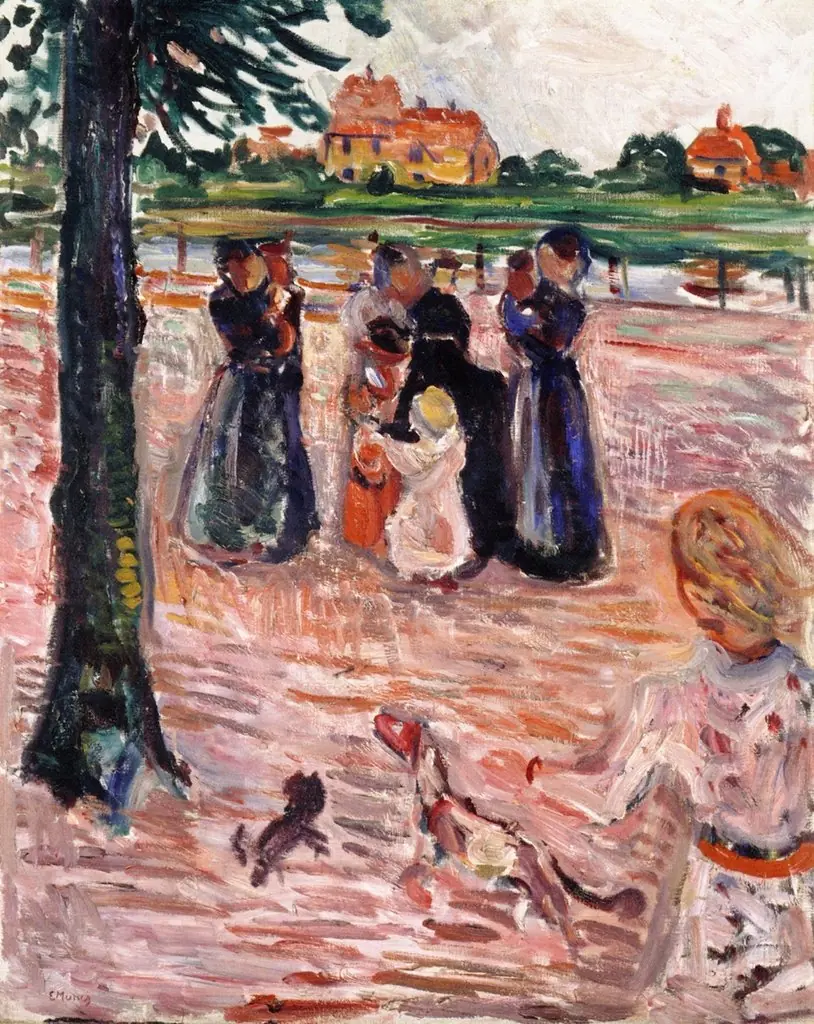
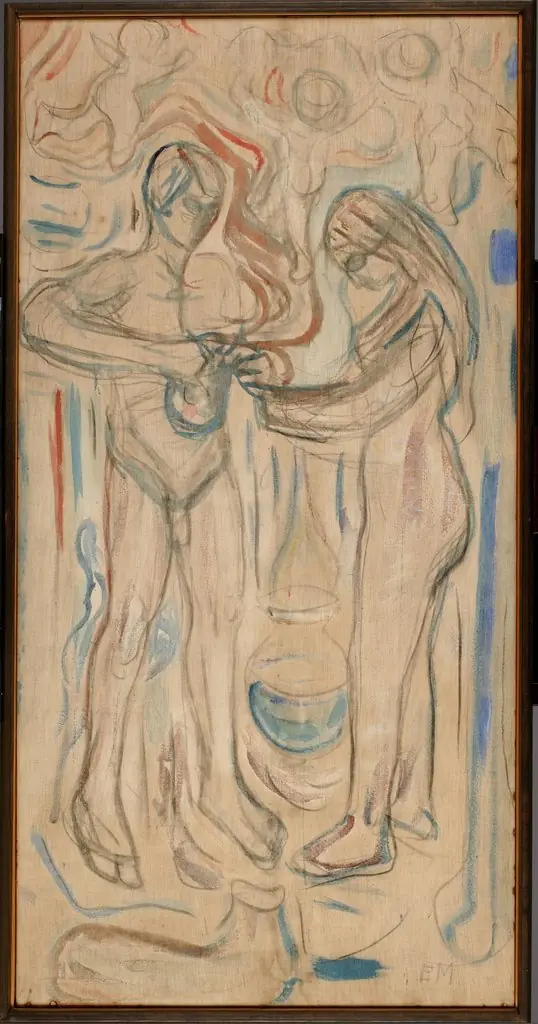
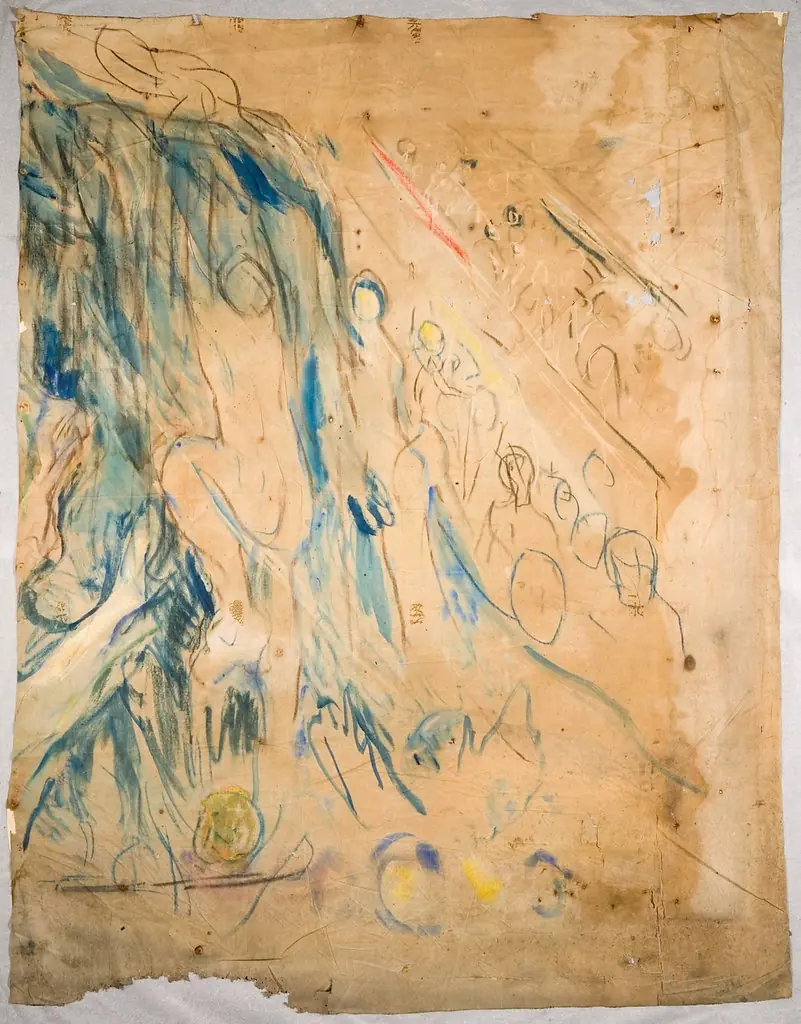
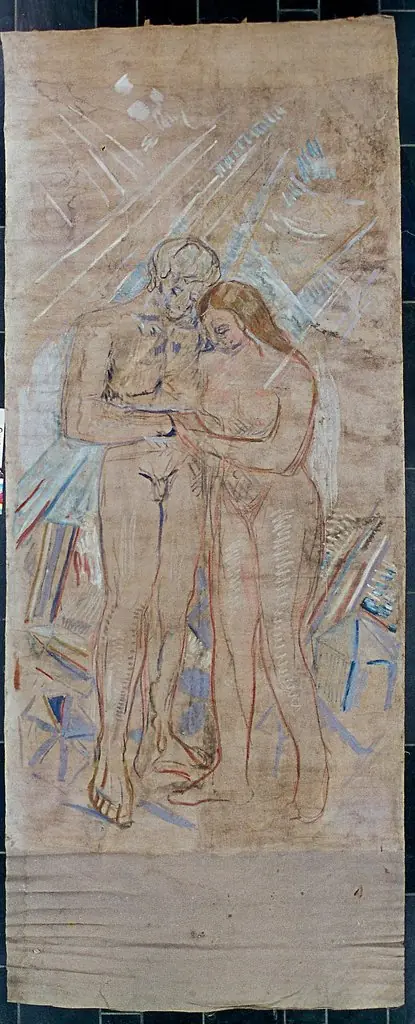
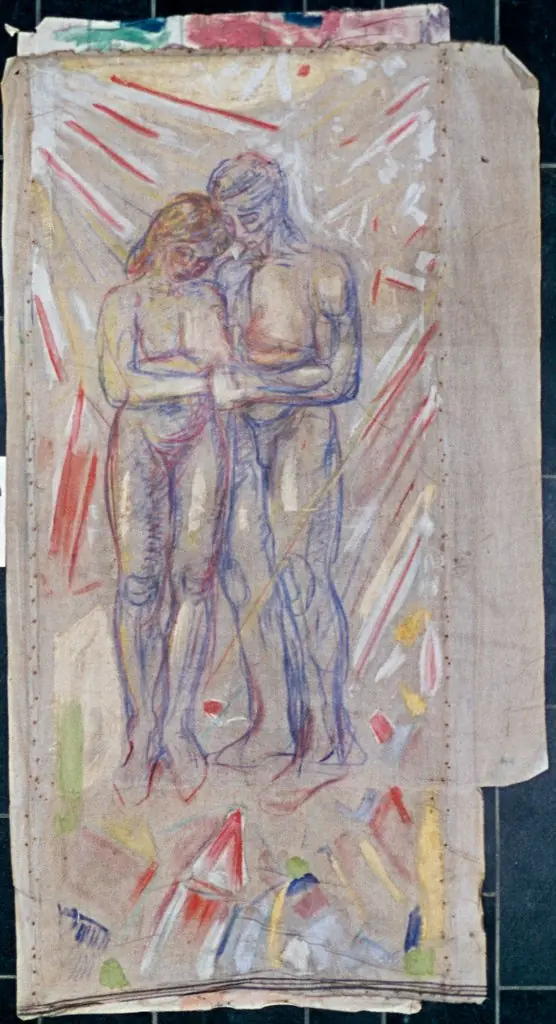
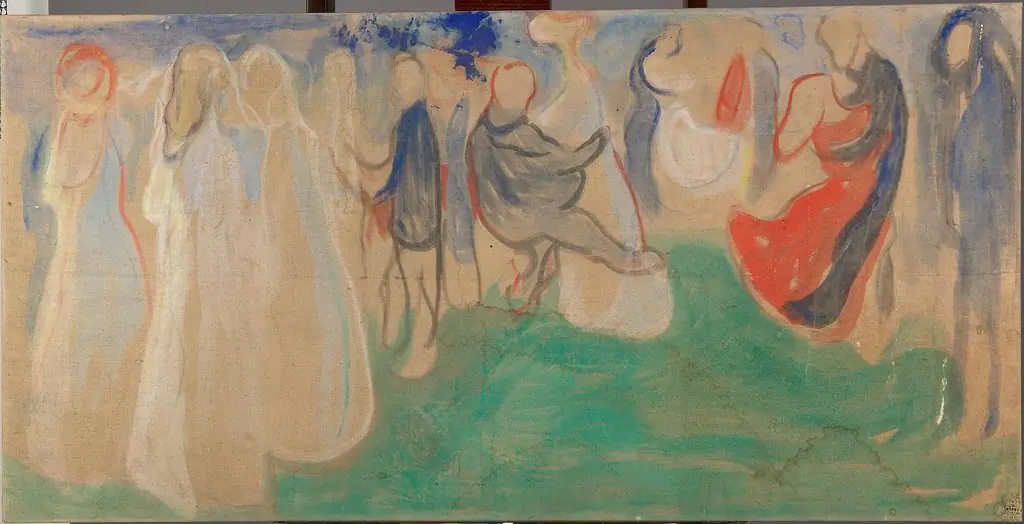
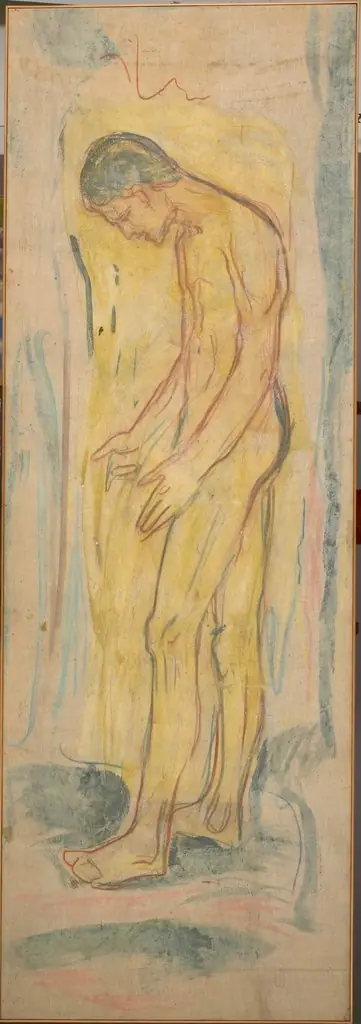
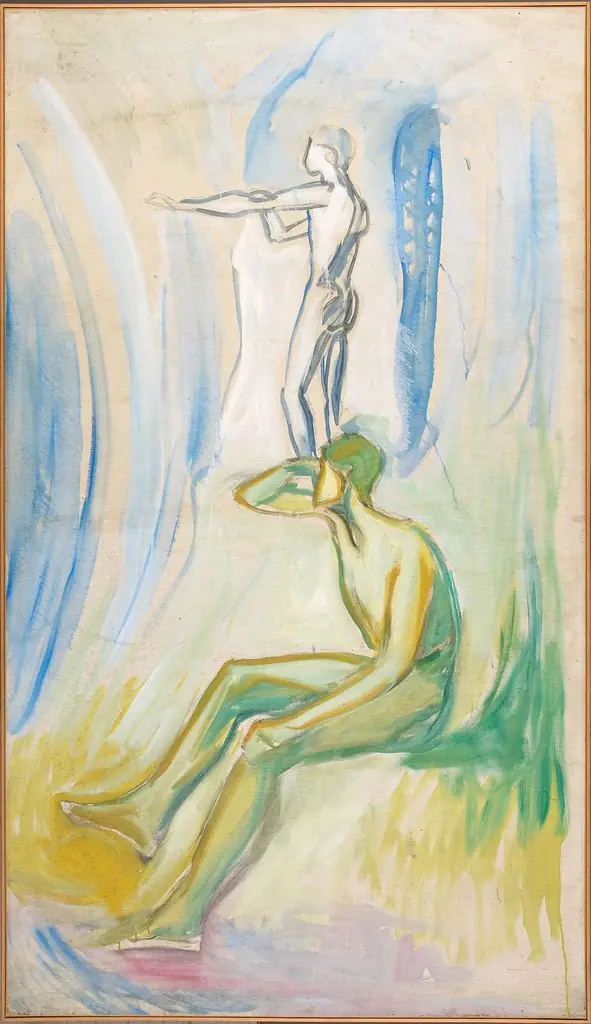
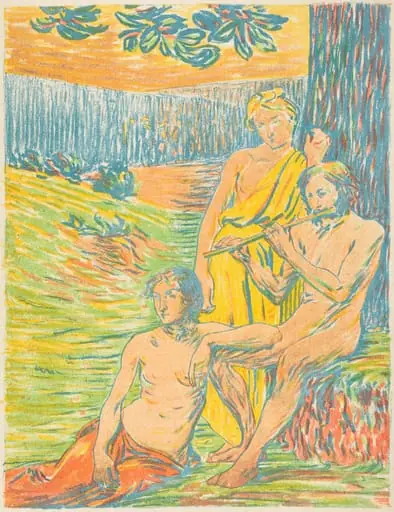
Harvesting Women is an oil painting by the Post-Impressionist artist Edvard Munch. It dates from 1910 and is held in the collection of the Munch Museum.
About this work
Overview
It reflects his sustained interest in human experience through natural cycles, rendered with a loose, tactile brushwork that emphasizes motion over detail.
Painted in 1910, *Harvesting Women* is an oil on canvas work by Norwegian artist Edvard Munch. It reflects his sustained interest in human experience through natural cycles, rendered with a loose, tactile brushwork that emphasizes motion over detail. The painting is part of the Munch Museum’s permanent collection, where it stands as one of many works exploring psychological and physical states through everyday acts.
Subject & Meaning
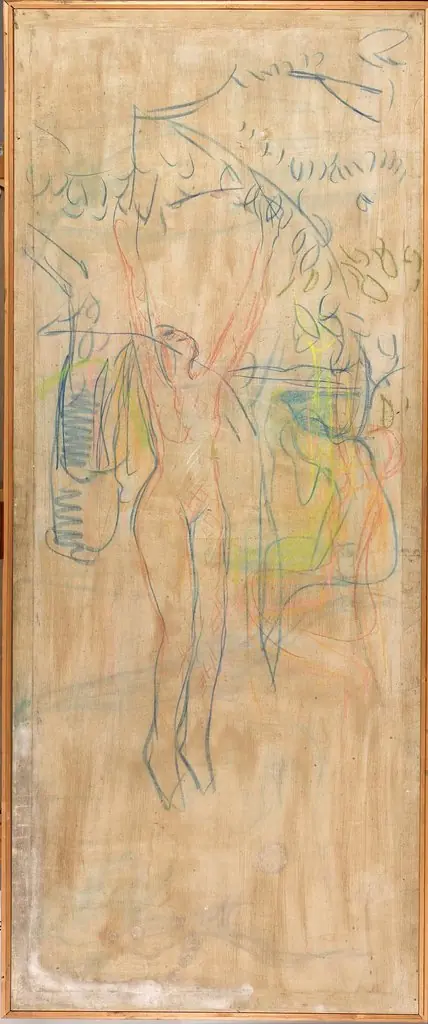
Two women gather leaves from a tree—one fully clothed, standing upright; the other nude, crouched low. Their contrasting postures suggest differing relationships to labor, nature, or vulnerability. The act of harvesting, typically associated with abundance, here feels introspective, even somber. Munch avoids narrative clarity, instead inviting contemplation on the interplay between the body and the land, and the quiet rituals of rural life.
Technique & Style
Munch employs thick, visible brushstrokes and a restrained palette of earthy greens, browns, and muted blues. The forms are simplified, with contours softened by layered pigment rather than precise outlines. Chiaroscuro is used subtly to model volume, particularly in the figures’ limbs and the tree’s trunk, enhancing tactile presence without realism. The surface vibrates with energy, reflecting his post-impressionist approach to emotional resonance over optical accuracy.
History & Provenance
Created during Munch’s mature period, the painting was produced after his time in Berlin and Paris, when his style had fully embraced expressive distortion. It remained in his personal collection until his death in 1944, after which it entered the Munch Museum in Oslo, established to preserve his legacy. Its provenance is well-documented, with no significant gaps or transfers outside the artist’s estate.
Context
In early 20th-century Norway, rural labor remained a visible part of daily life, and artists often turned to agrarian themes to explore identity and continuity. Munch, influenced by Symbolist ideas and his own preoccupations with mortality and nature, avoided idealized depictions. *Harvesting Women* aligns with his broader project of portraying inner states through external scenes, distancing itself from academic traditions of the time.
Legacy
Though less widely known than *The Scream*, *Harvesting Women* exemplifies Munch’s consistent engagement with the human condition through elemental acts. Its quiet intensity has influenced later Scandinavian painters interested in psychological realism and the expressive potential of everyday labor. The work endures as a testament to his ability to transform simple scenes into resonant meditations on existence.
Artist & collection
Artist
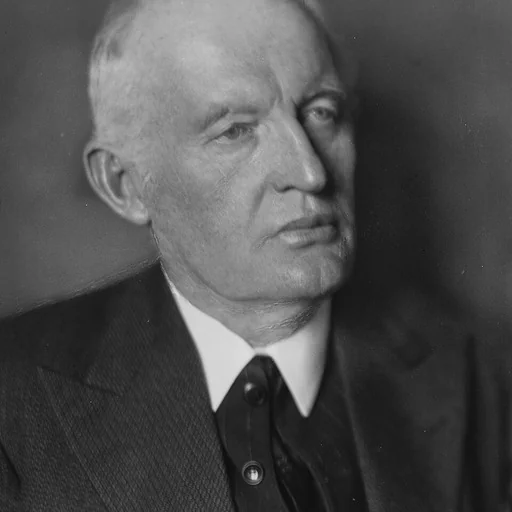
Edvard Munch ( MUUNK; Norwegian: ; 12 December 1863 – 23 January 1944) was a Norwegian painter.