Artwork
Pan IV (Arcadia)
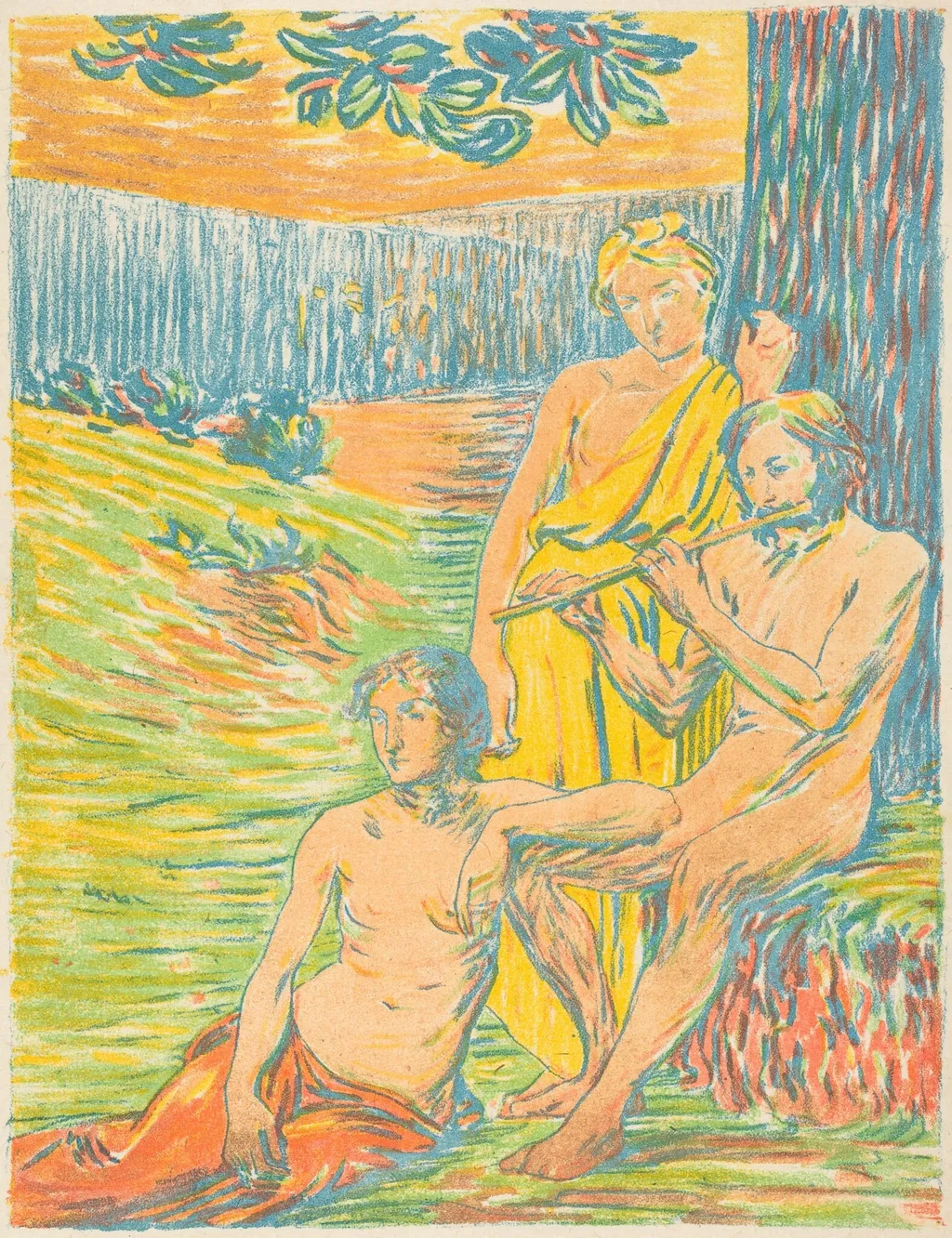
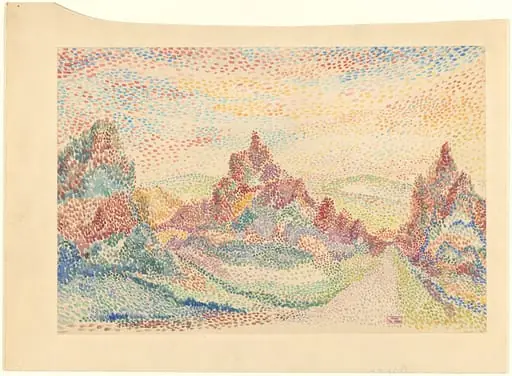
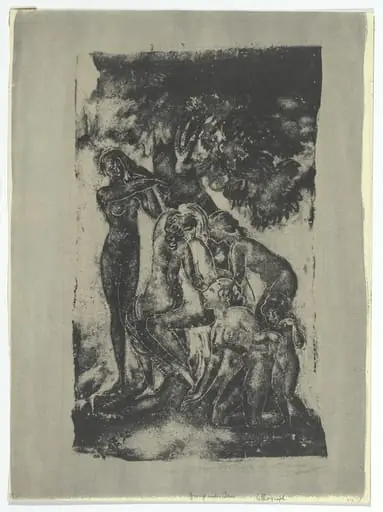
Pan IV (Arcadia) is an ink print by the Impressionist artist Hippolyte Petitjean. It dates from 1899 and is held in the collection of the National Gallery of Art.
About this work
Overview
Created in 1899, *Pan IV (Arcadia)* is a color lithograph by French artist Hippolyte Petitjean. The work belongs to the post‑Impressionist period and demonstrates Petitjean’s engagement with pointillist principles, employing discrete spots of hue to build up the overall image. As a print, it was produced through a multi‑plate process that allowed the artist to layer colors directly onto paper.
Subject & Meaning
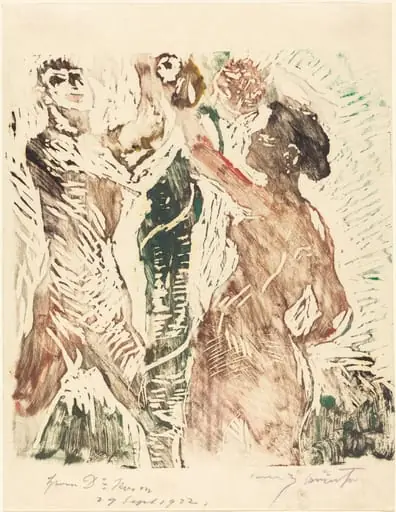
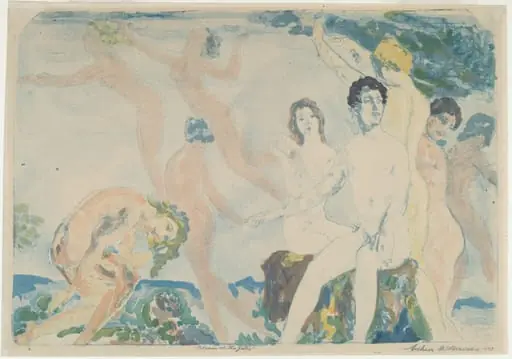
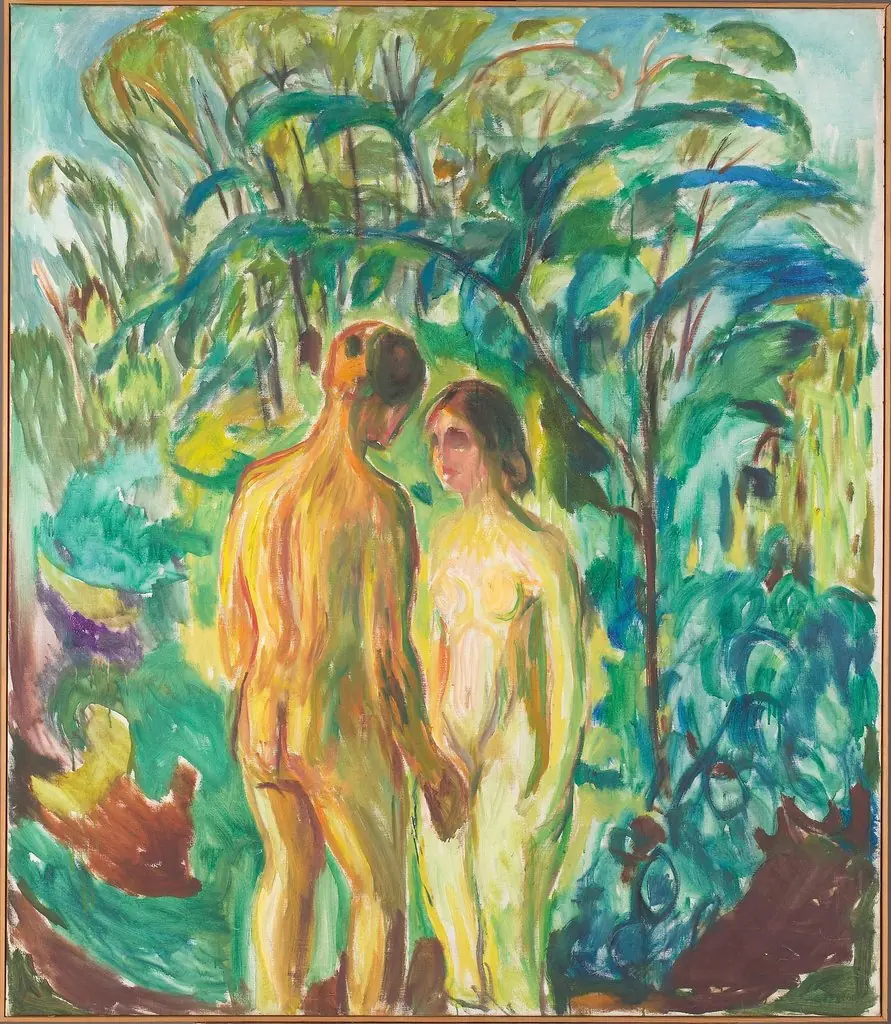
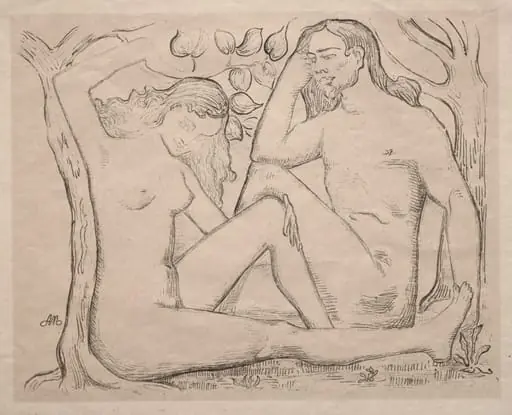
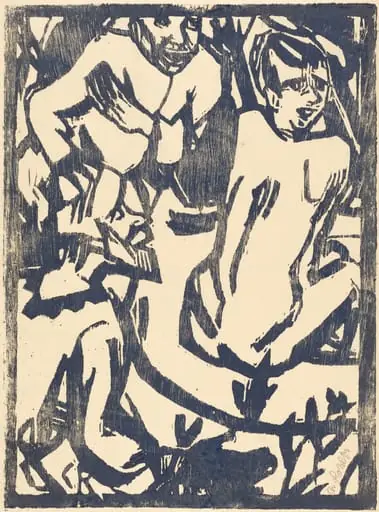
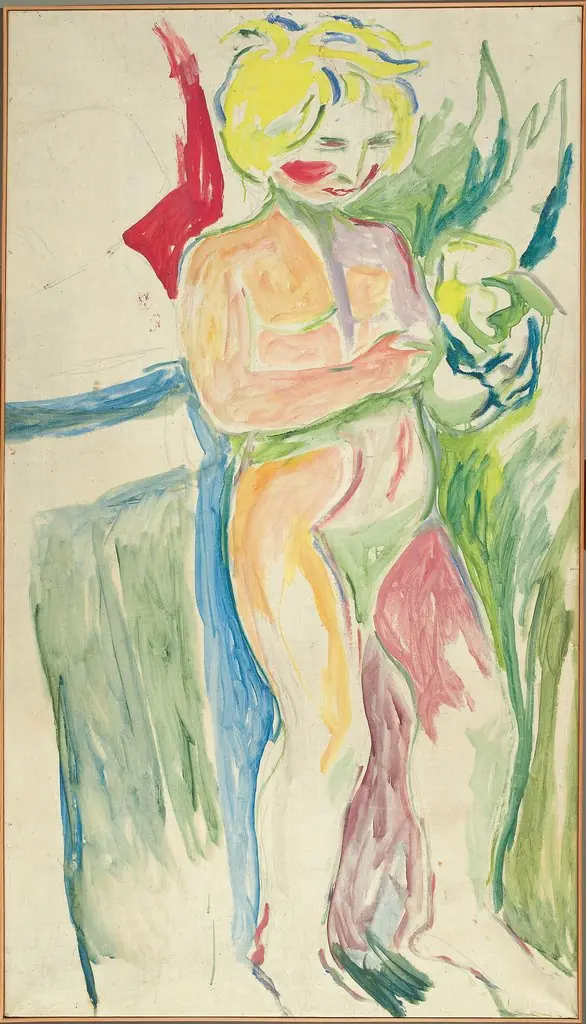
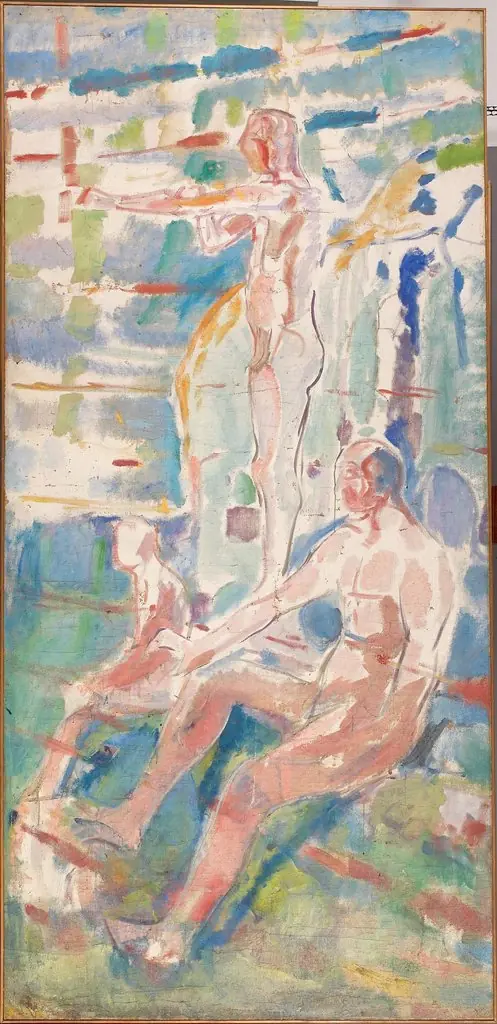
The composition presents three nude figures set within a luminous, pastoral scene. Two bodies recline on grass while a third figure stands nearby, cradling an infant. Tall trees frame the background, and a gently undulating sky glows with golden tones, punctuated by scattered green leaves, evoking an idealized vision of Arcadian leisure.
Technique & Style
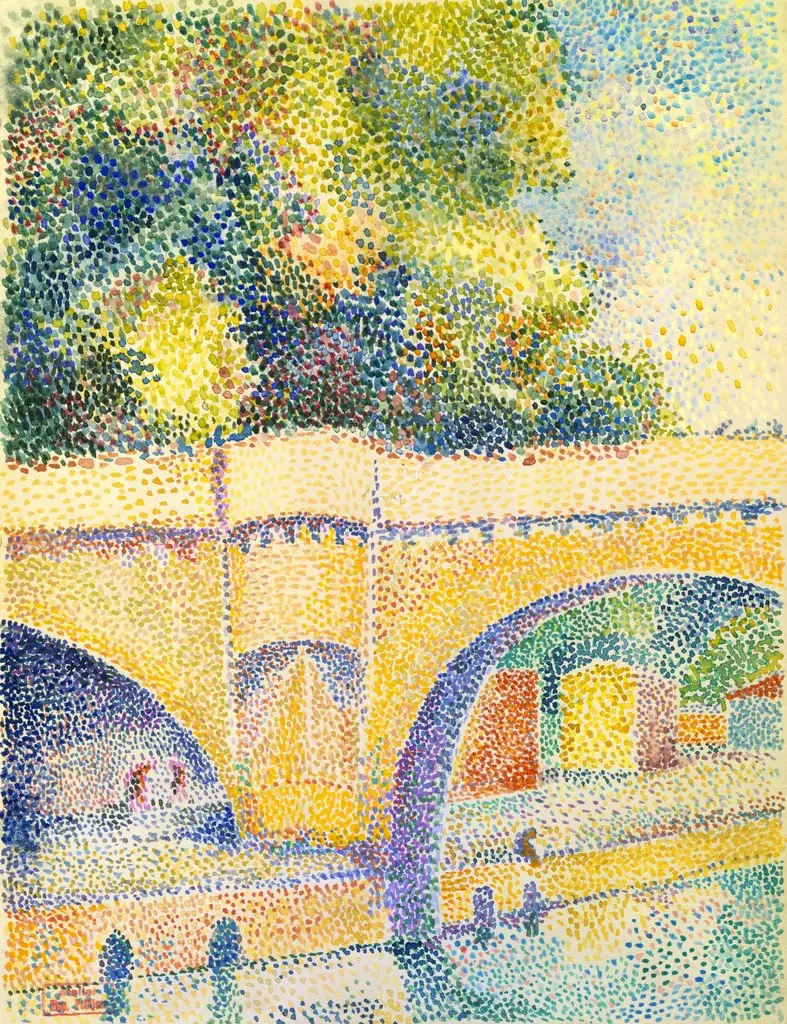
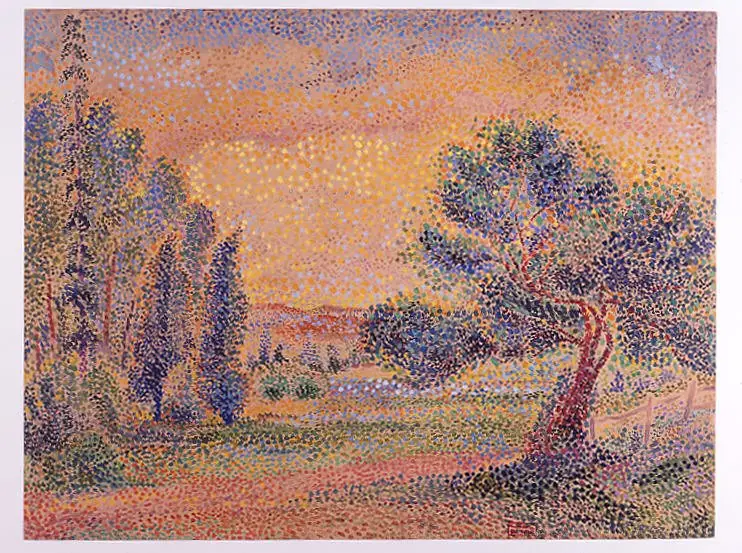
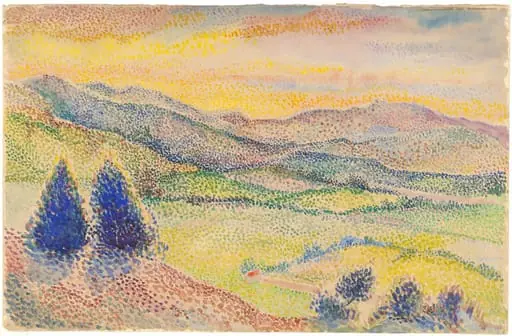
Petitjean’s lithograph translates his pointillist approach into the print medium, using small, colored dots that coalesce into forms when viewed from a distance. The surface bears a loose, vibrant quality, with colors applied in a manner that suggests a sketch‑like spontaneity. This aesthetic aligns with early twentieth‑century tendencies toward decorative, dreamlike renderings.
History & Provenance
The piece emerged at the close of the nineteenth century, a time when French artists were experimenting with both new visual vocabularies and print technologies. While specific ownership records are limited, the work is catalogued among Petitjean’s lithographic series that were distributed to collectors and exhibited in Parisian salons during the period.
Own this work as a print
Artist & collection
Artist
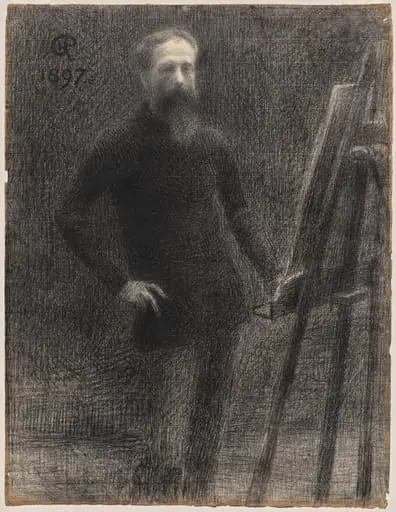
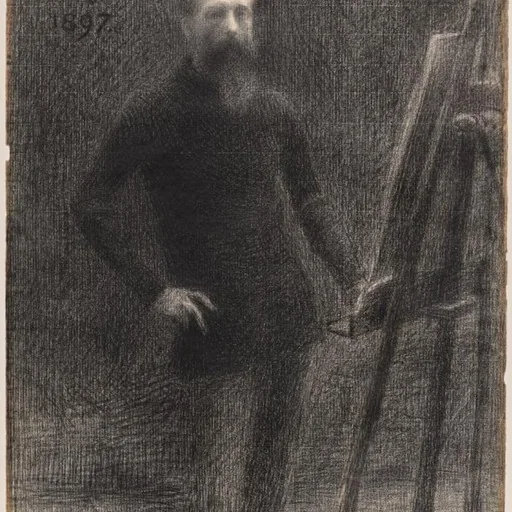
Hippolyte Petitjean (French pronunciation: ; 11 September 1854, Mâcon – 18 September 1929, Paris) was a French Post-Impressionist painter who practiced the technique of pointillism.