Artwork
Karl Wefring
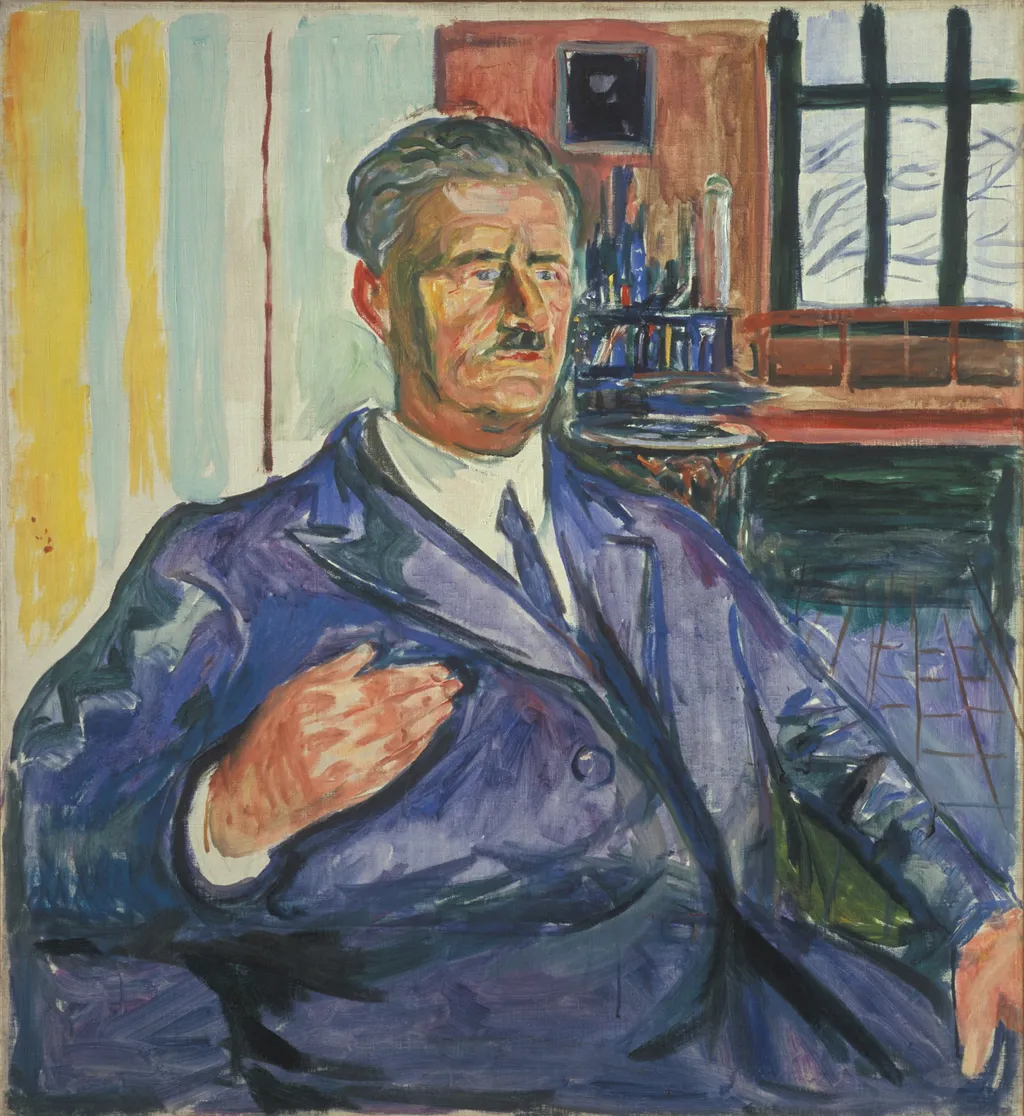
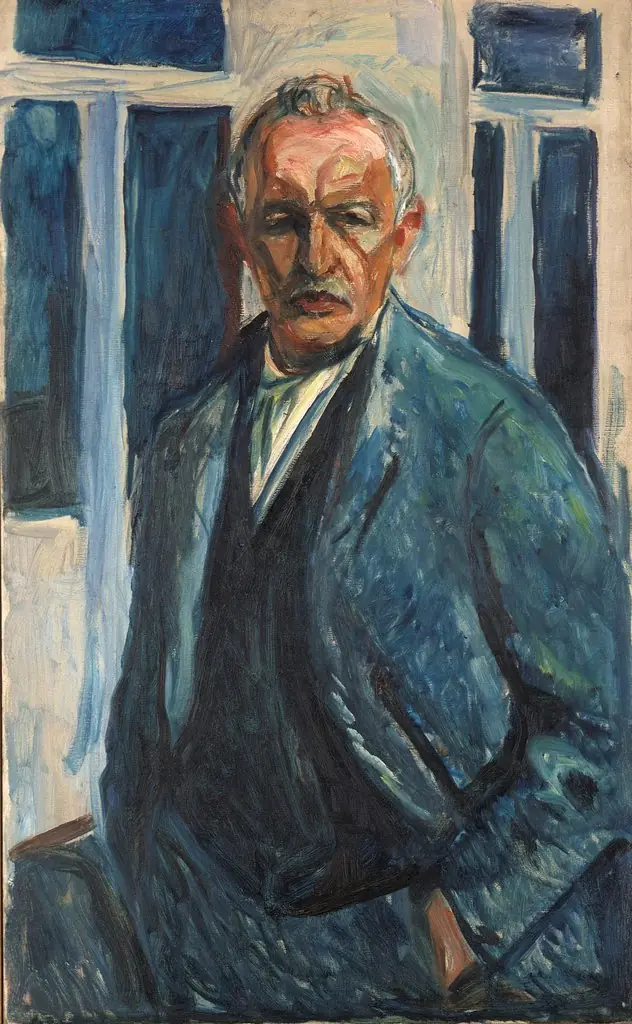
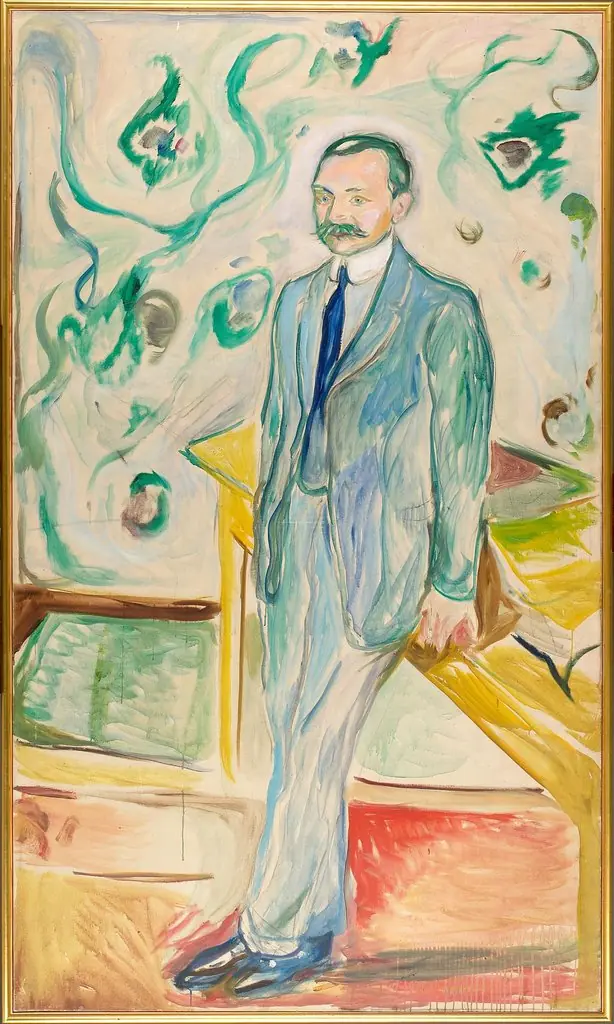
Karl Wefring is an oil painting by the Post-Impressionist artist Edvard Munch. It dates from 1934 and is held in the collection of the Munch Museum.
About this work
Overview
Edvard Munch painted Karl Wefring in 1934 using oil on canvas, marking one of his later portrait works. The subject, a Norwegian intellectual and friend of the artist, is rendered with restrained detail against a domestic interior. Munch, known for his psychological depth, turned to portraiture in his later years as a means of capturing quiet presence rather than dramatic turmoil.
Subject & Meaning
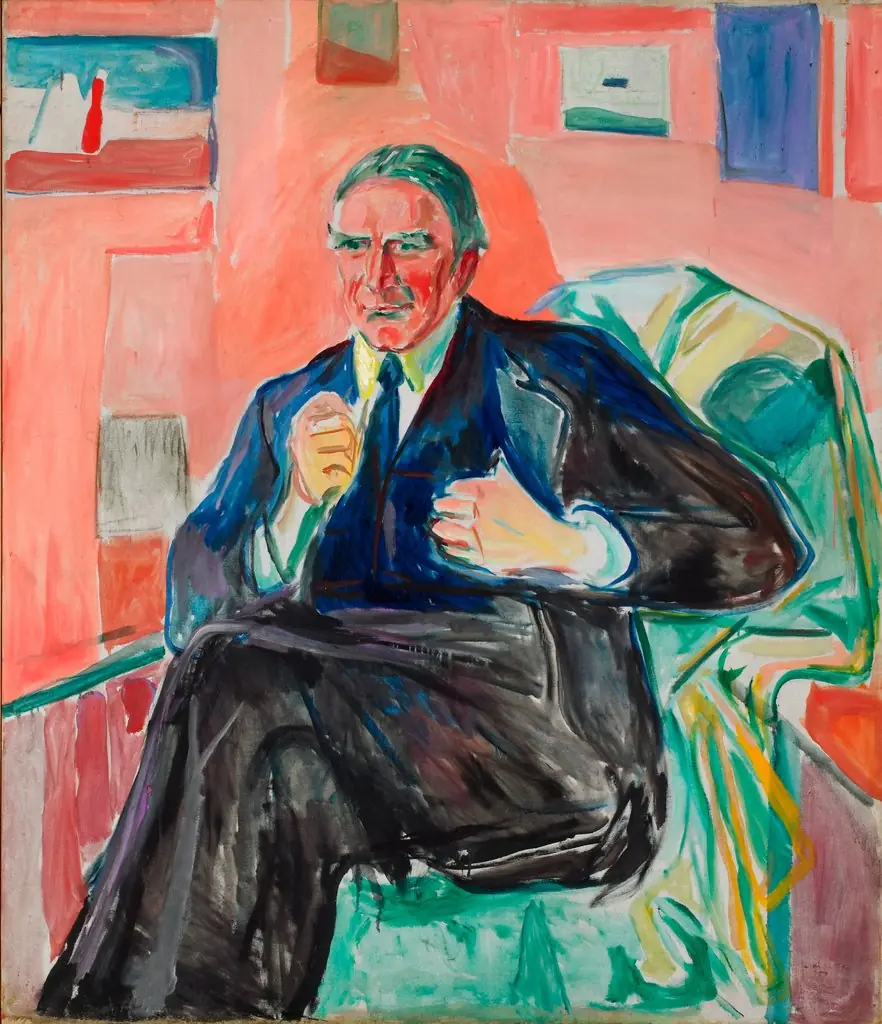
Karl Wilhelm Wefring was a Norwegian educator and writer, known for his progressive views on education and literature. Munch’s portrayal emphasizes stillness and introspection, with Wefring’s gaze directed away from the viewer and his hand resting over his heart. The composition suggests a private moment, reflecting the sitter’s intellectual demeanor without overt symbolism or narrative.
Technique & Style
The blue suit and white shirt contrast subtly against the muted tones of the room, while the grid-patterned window and bookshelf provide structural balance.
Munch employed loose, deliberate brushwork to define form and space, avoiding sharp detail in favor of atmospheric suggestion. The blue suit and white shirt contrast subtly against the muted tones of the room, while the grid-patterned window and bookshelf provide structural balance. Color is subdued, and light falls evenly, reinforcing the painting’s contemplative mood without theatrical emphasis.
History & Provenance
The portrait was painted during Munch’s residency in Ekely, his home outside Oslo, where he spent his final decades. It remained in his personal collection until his death in 1944, after which it passed to the Munch Museum in Oslo, established to preserve his legacy. The work has been consistently cataloged in the museum’s holdings since its founding.
Context
By the 1930s, Munch had moved beyond the expressionist intensity of his youth, focusing instead on intimate portraits and still lifes. His engagement with Norwegian cultural figures like Wefring reflected a desire to document the intellectual life around him. The painting aligns with his broader late-period interest in ordinary moments, stripped of symbolic weight yet rich in psychological nuance.
Legacy
Karl Wefring stands as an example of Munch’s mature approach to portraiture—unembellished, emotionally reserved, and attentive to the quiet dignity of his subjects. Though less widely known than his earlier works, it contributes to understanding his evolution from symbolic expression to observational realism, revealing how his vision deepened with age.
Own this work as a print
Artist & collection
Artist
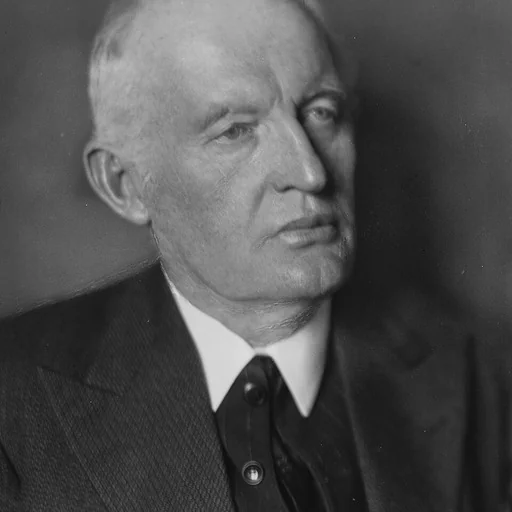
Edvard Munch ( MUUNK; Norwegian: ; 12 December 1863 – 23 January 1944) was a Norwegian painter.