Artwork
Self-Portrait with Hand under Cheek
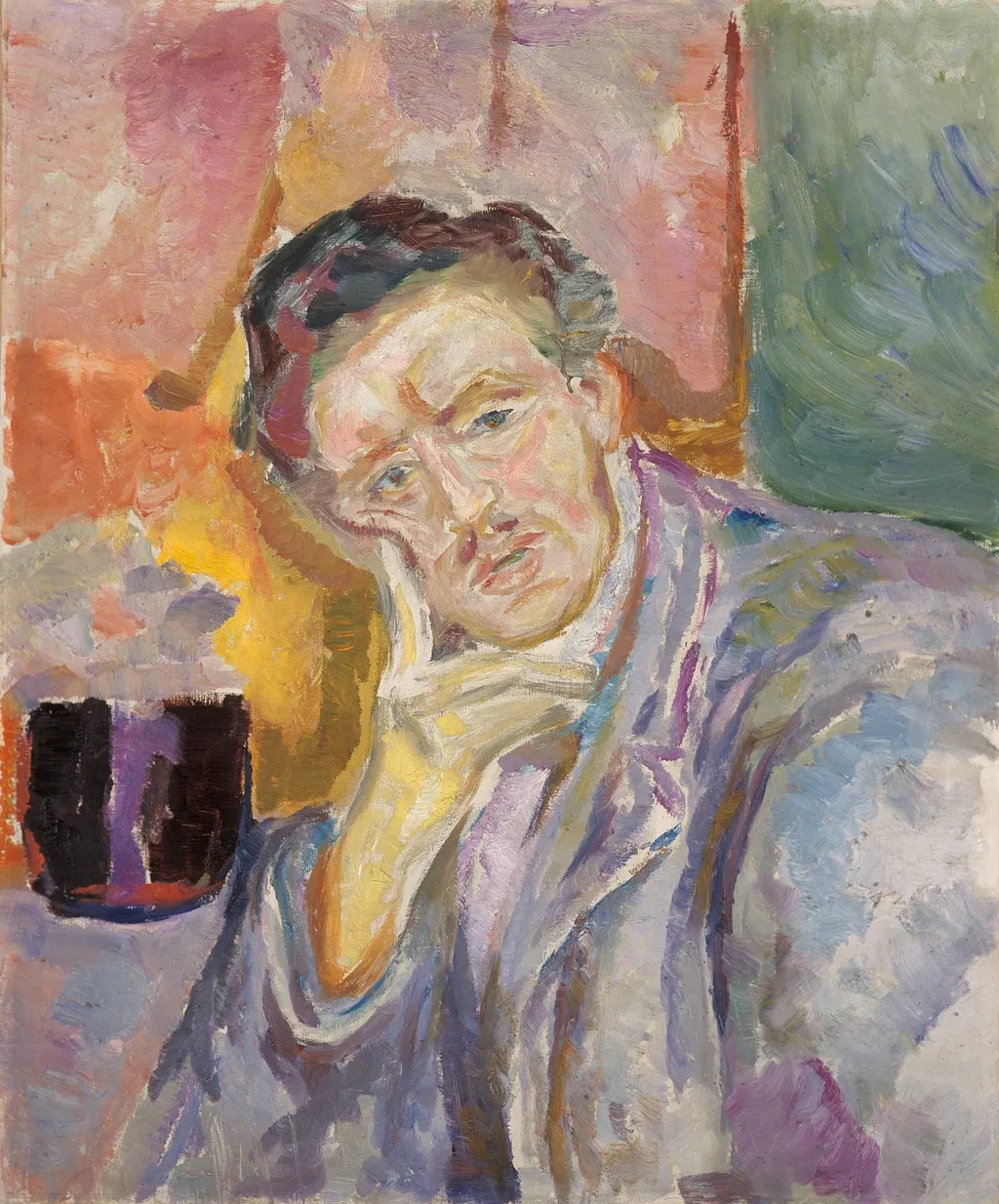
Self-Portrait with Hand under Cheek is an oil painting by the Post-Impressionist artist Edvard Munch. It dates from 1911 and is held in the collection of the Munch Museum.
About this work
Overview
The composition is intimate, with no narrative context beyond the figure and a softly blended background of pale pinks, yellows, and greens.
Painted in 1911, this oil on canvas work presents Edvard Munch in a quiet, contemplative pose, hand resting beneath his cheek. The composition is intimate, with no narrative context beyond the figure and a softly blended background of pale pinks, yellows, and greens. Munch’s technique emphasizes texture through visible brushwork, avoiding sharp definition in favor of atmospheric tone. The painting belongs to the Munch Museum’s permanent collection, where it reflects his lifelong engagement with inner states.
Subject & Meaning
The portrait captures Munch in a moment of stillness, not as a record of appearance but as an expression of psychological presence. His gaze meets the viewer directly, yet the downward tilt of the head and the supporting hand suggest inward reflection rather than engagement. This gesture, recurring in his work, signals a preoccupation with solitude and self-examination, themes rooted in his personal experiences with mortality and emotional isolation.
Technique & Style
Munch employs loose, deliberate brushstrokes to build form and mood, avoiding academic precision. The palette is restrained, with muted hues creating a hazy, dreamlike atmosphere. Color is used emotionally rather than naturally—pink and green tones in the background do not describe a physical space but evoke a psychological environment. The soft edges and textured surface reinforce a sense of impermanence, aligning with his broader interest in transient emotional states.
History & Provenance
Created during Munch’s mature period, the painting emerged after decades of personal and artistic development following his training in Oslo and exposure to European avant-garde circles. It remained in the artist’s possession until his death in 1944, after which it entered the collection of the Munch Museum in Oslo, established to preserve his legacy. The work has been consistently exhibited as part of the museum’s core holdings, reflecting its significance in understanding his self-representation.
Context
This portrait belongs to a series of self-images Munch produced throughout his life, each a variation on themes of anxiety, solitude, and identity. Influenced by the existential writings of Hans Jæger and the broader Symbolist movement, Munch moved beyond Impressionism to prioritize emotional truth over visual realism. The painting reflects a cultural moment in early 20th-century Norway, where artists increasingly turned inward to explore the psyche as a subject worthy of serious artistic attention.
Legacy
Munch’s self-portraits, including this one, established a precedent for modern artists to use their own image as a vehicle for psychological inquiry. Rather than celebrating the self, he presented it as vulnerable, ambiguous, and layered. This approach influenced later generations of expressionist and figurative painters who sought to convey inner experience through direct, unidealized self-representation, cementing his role in the evolution of modern portraiture.
Own this work as a print
Artist & collection
Artist
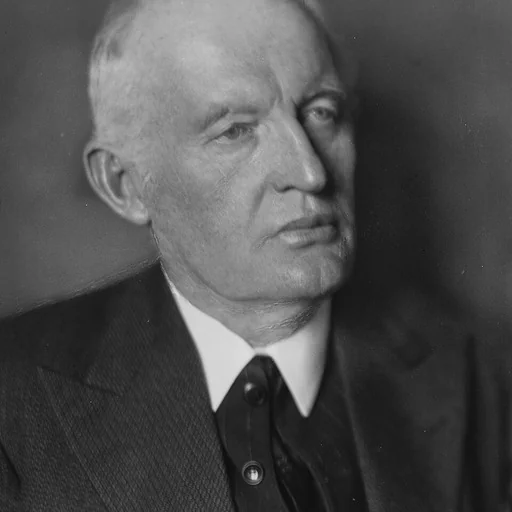
Edvard Munch ( MUUNK; Norwegian: ; 12 December 1863 – 23 January 1944) was a Norwegian painter.

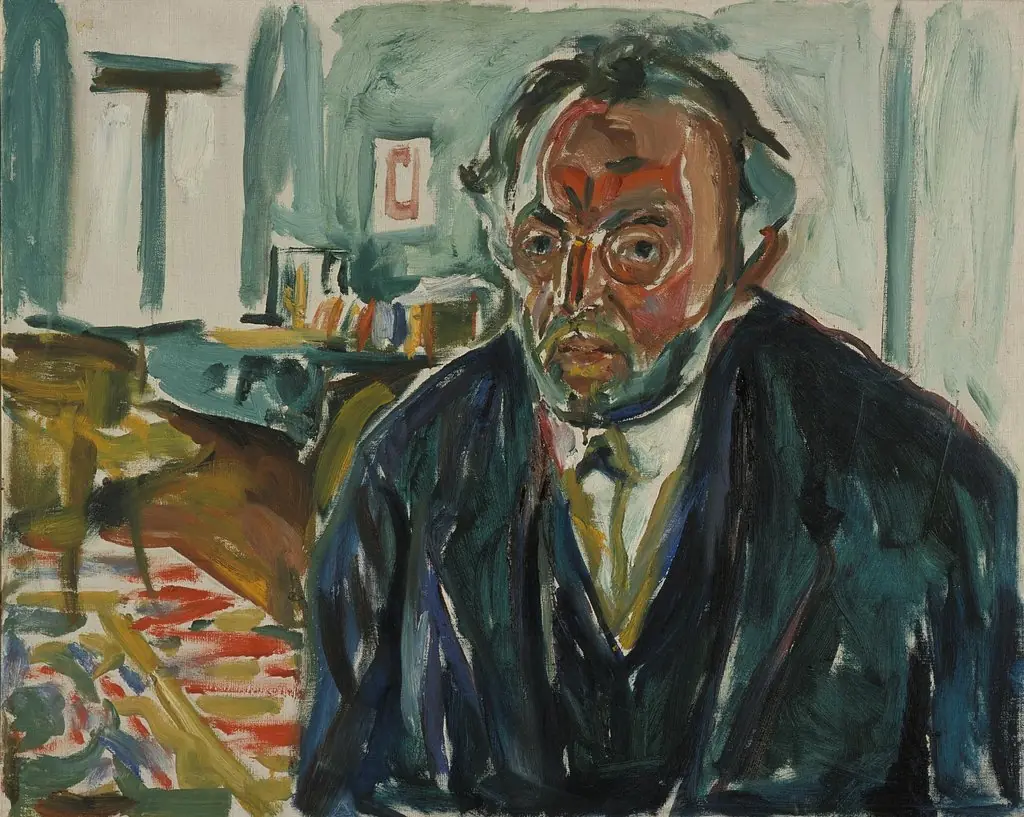 Self-Portrait after the Spanish Flu
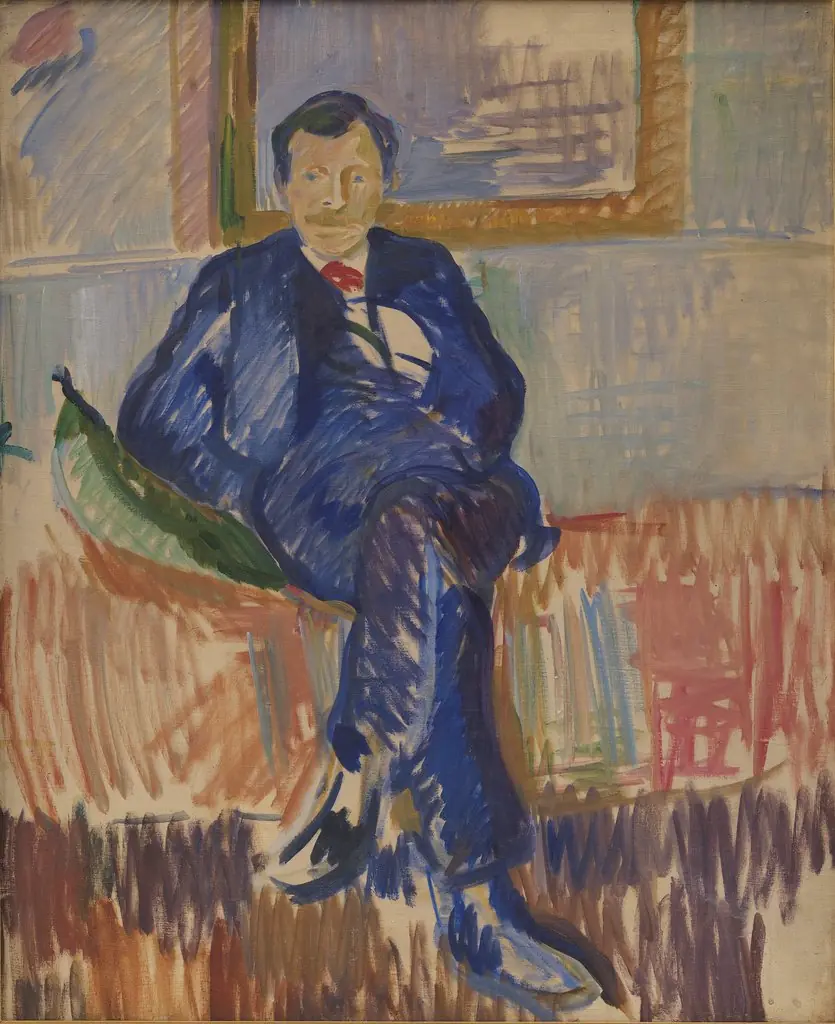 Portrait of the Painter Karl Schou
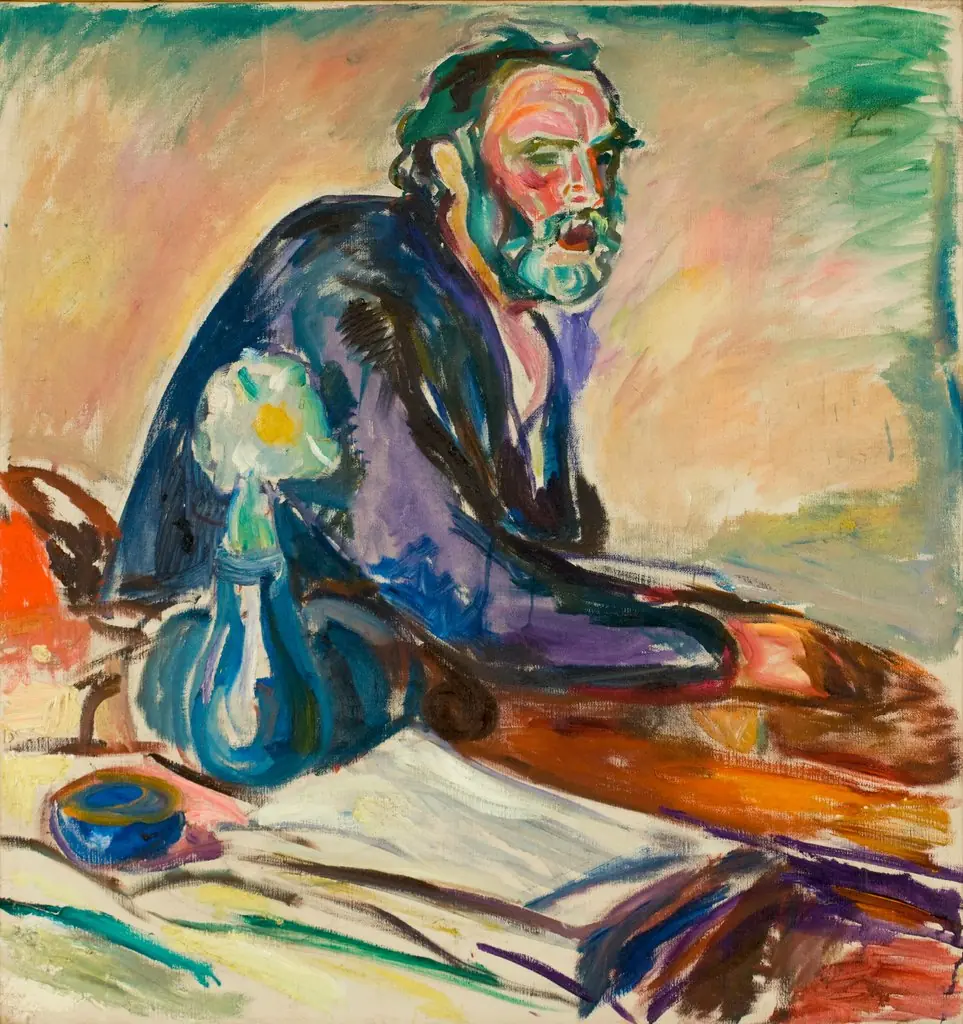 Man with Bronchitis
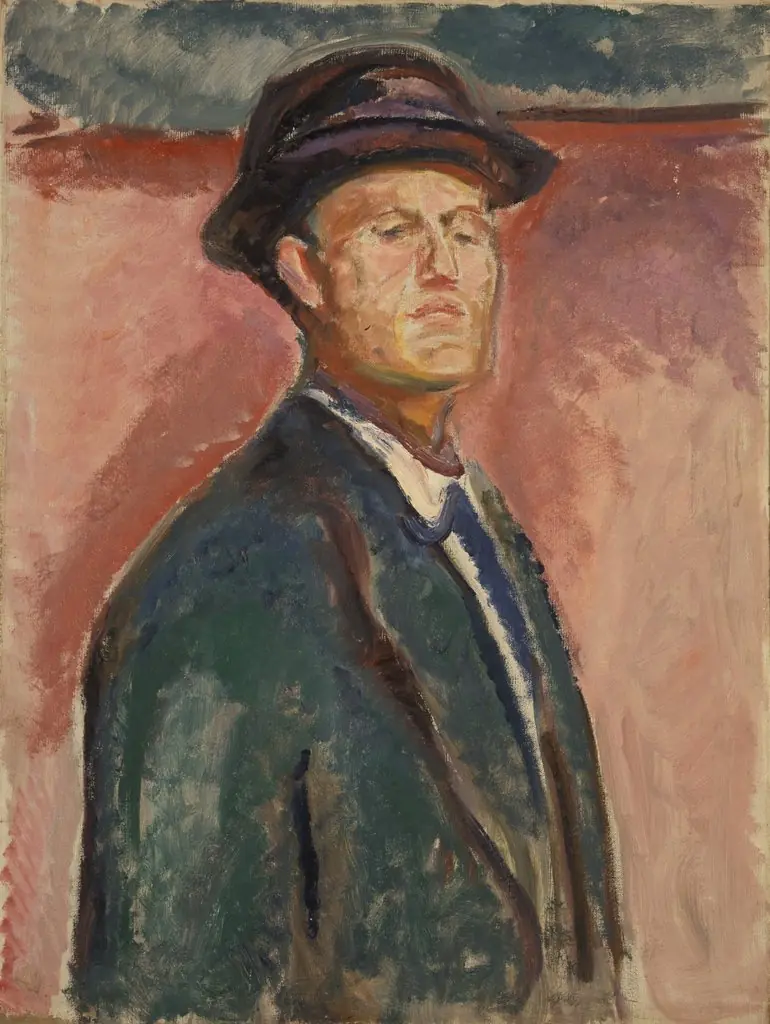 Self-Portrait with Hat
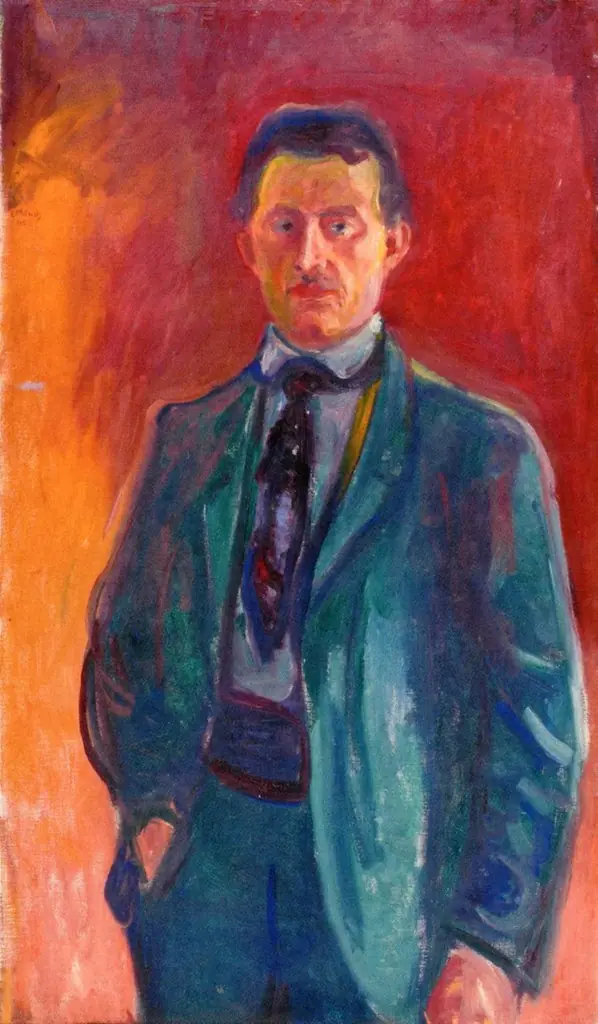 Self-Portrait against Red Background
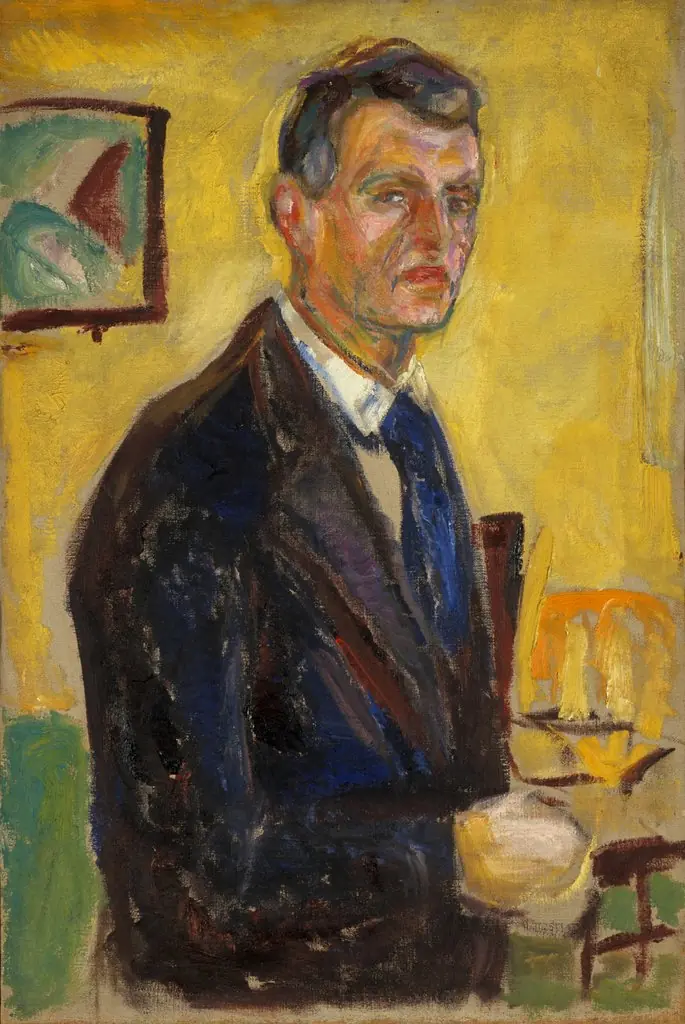 Self-Portrait against Yellow Background
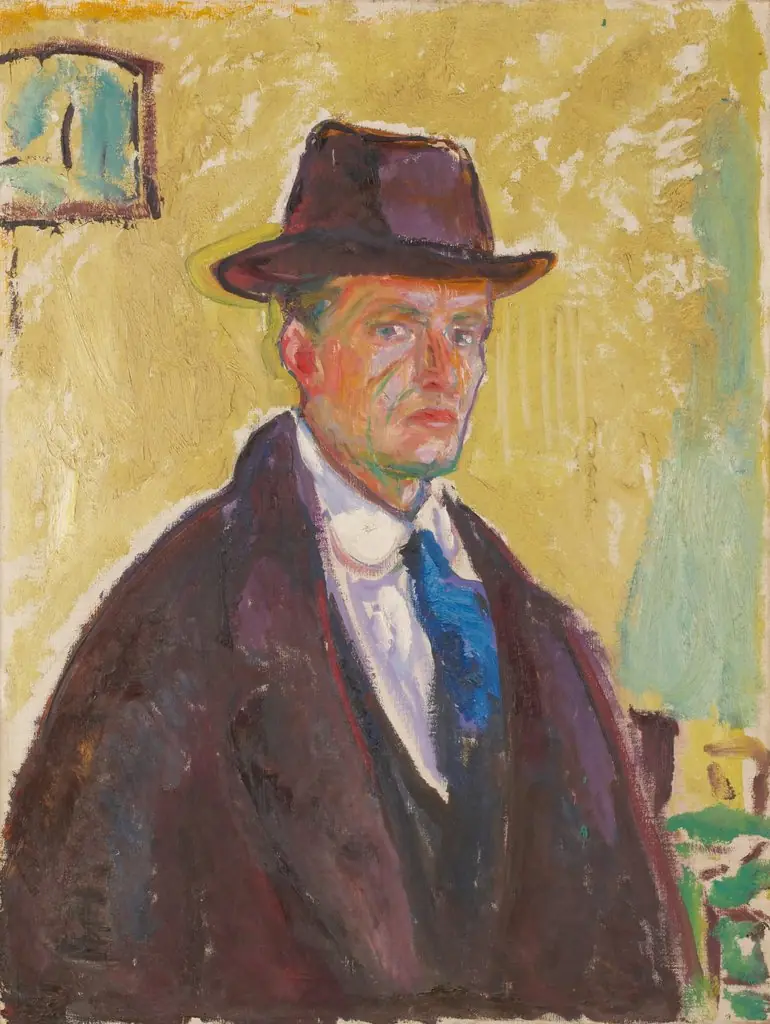 Self-Portrait in Hat and Coat
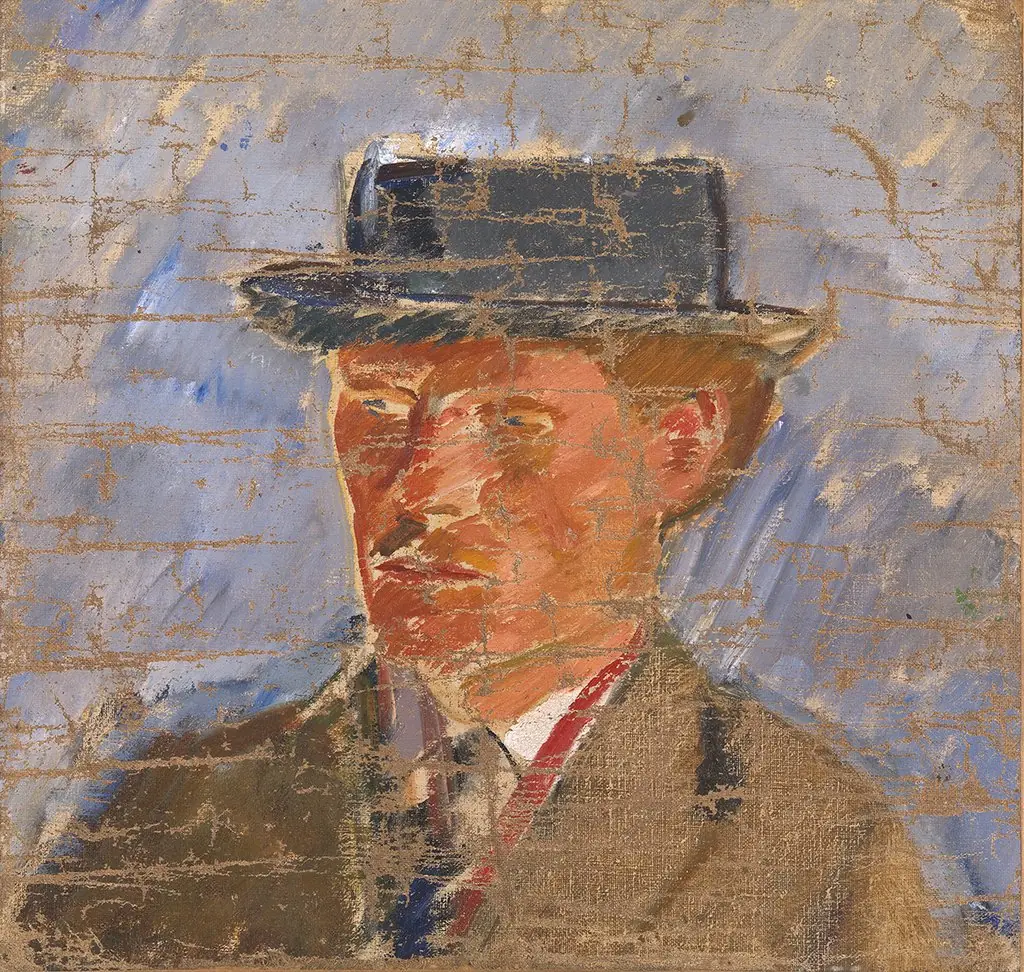 Portrait of the Painter Edvard Weie
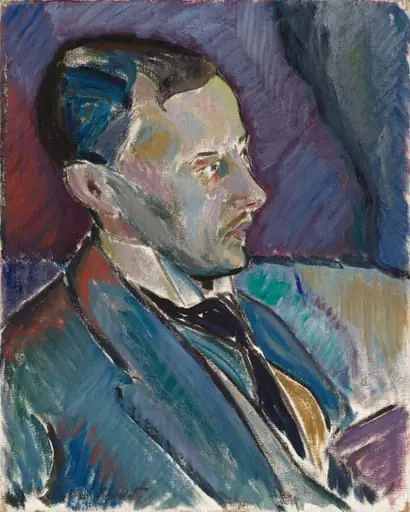 Rafael Hällfors
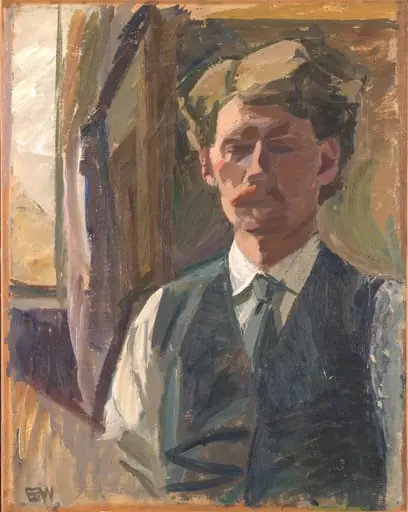 Self-Portrait
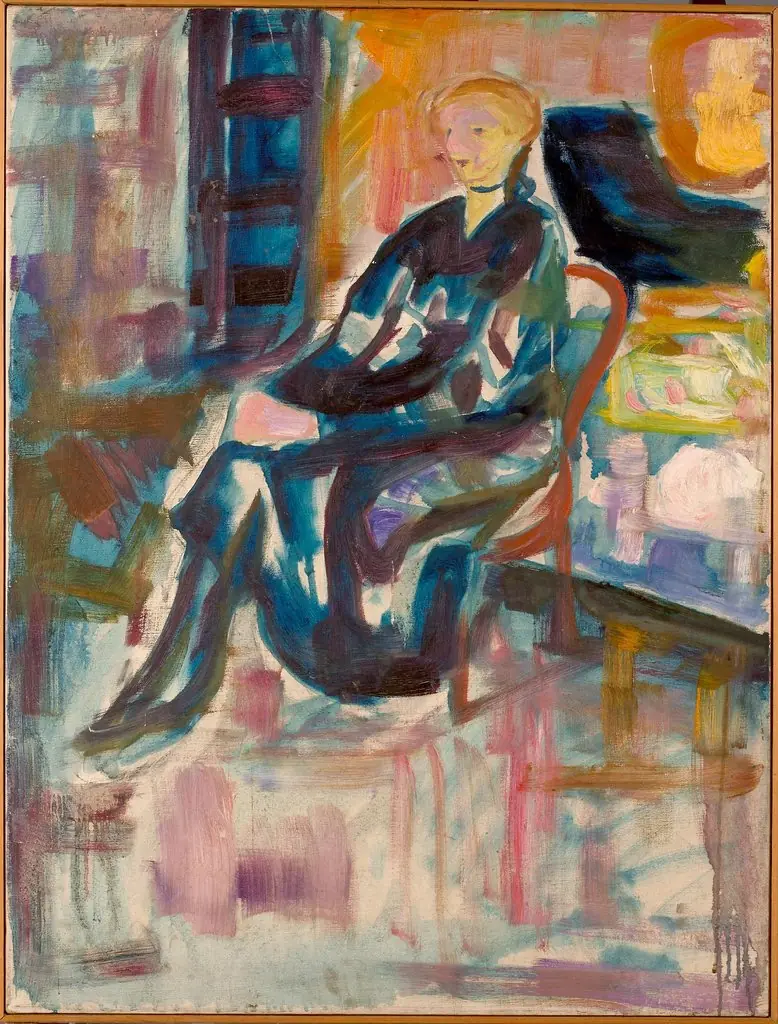 Seated Young Woman
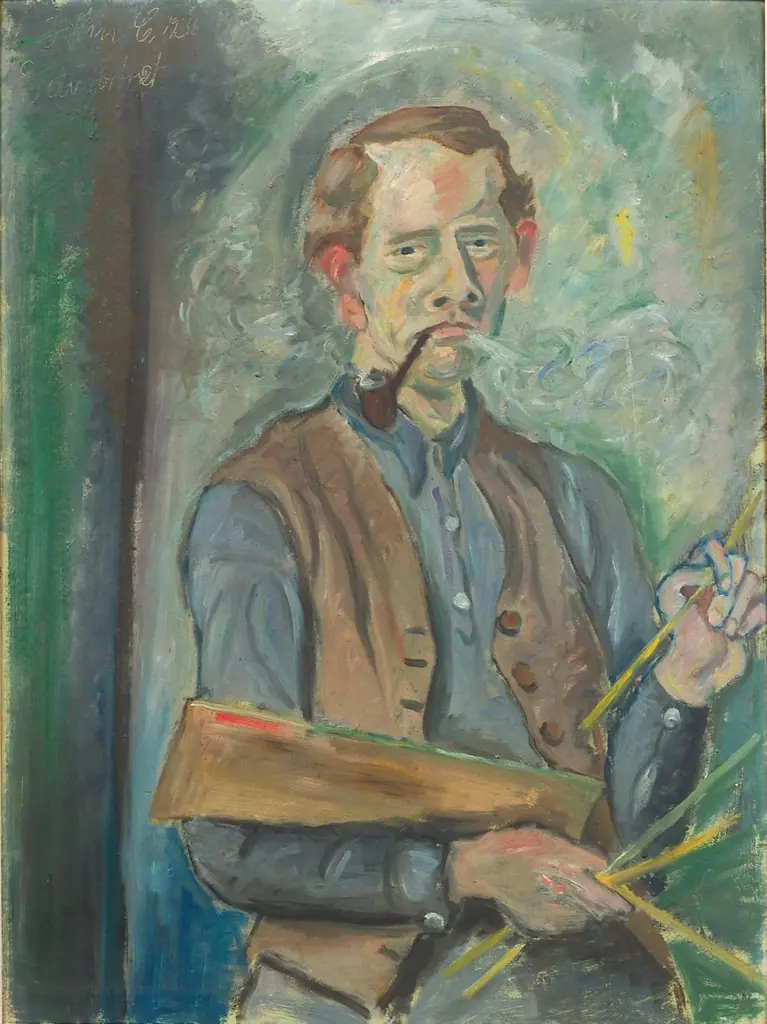 Self-Portrait