Artwork
Wilhelm Wartmann
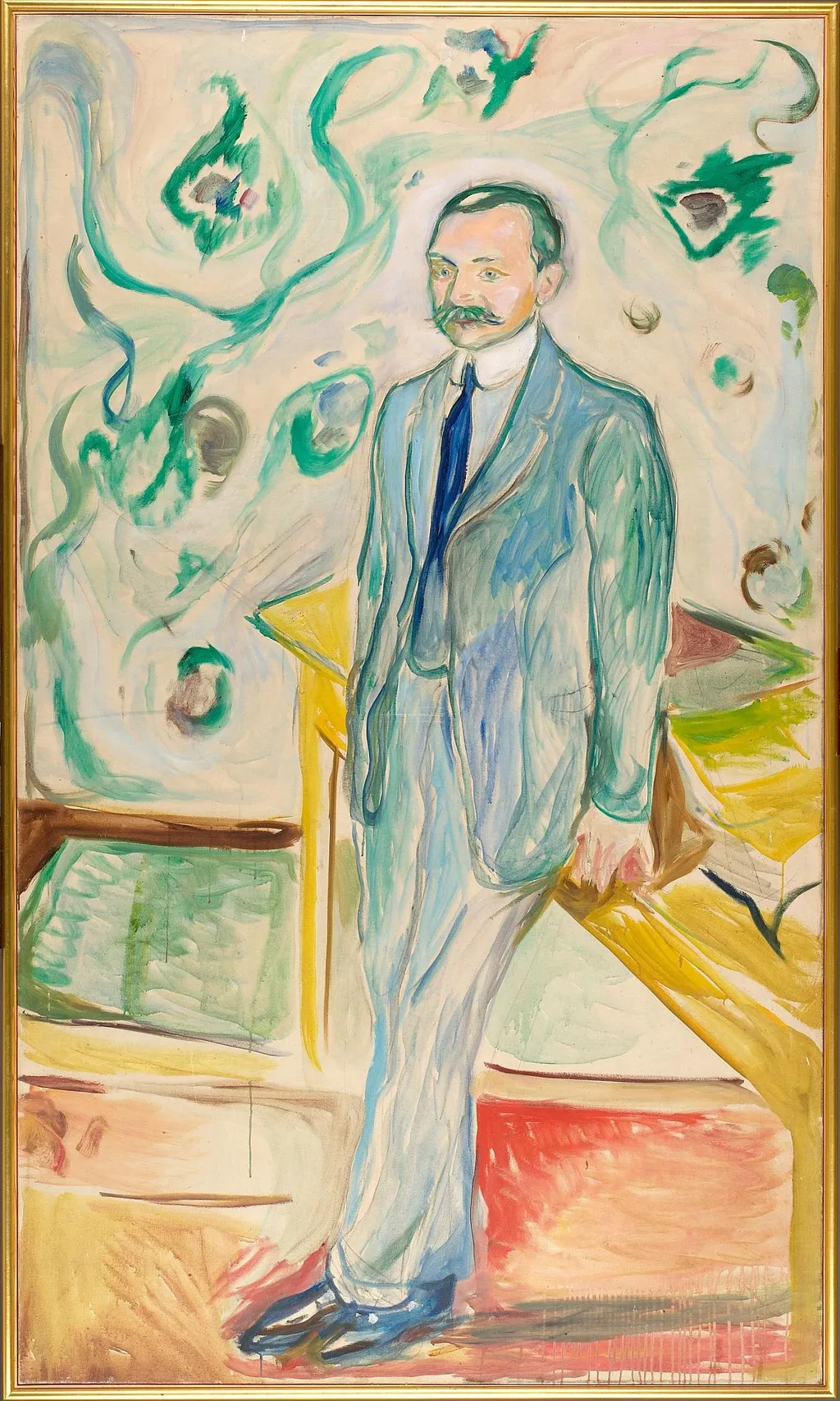
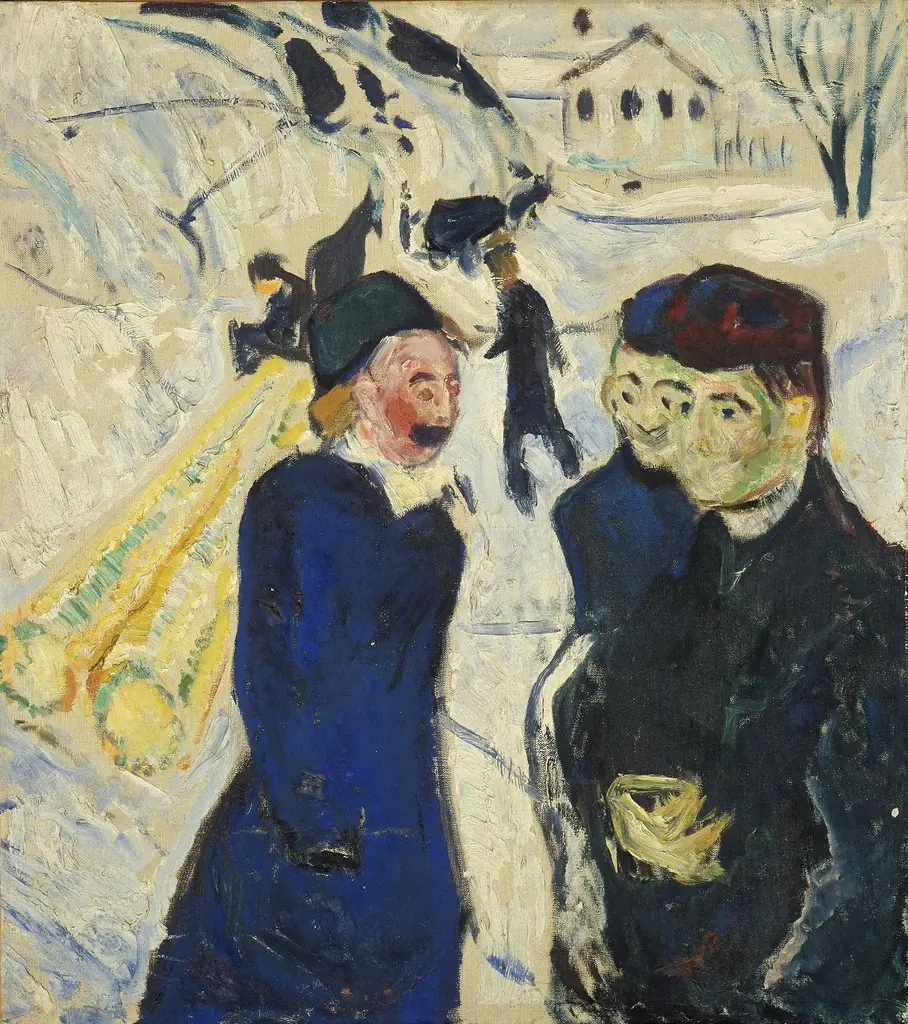
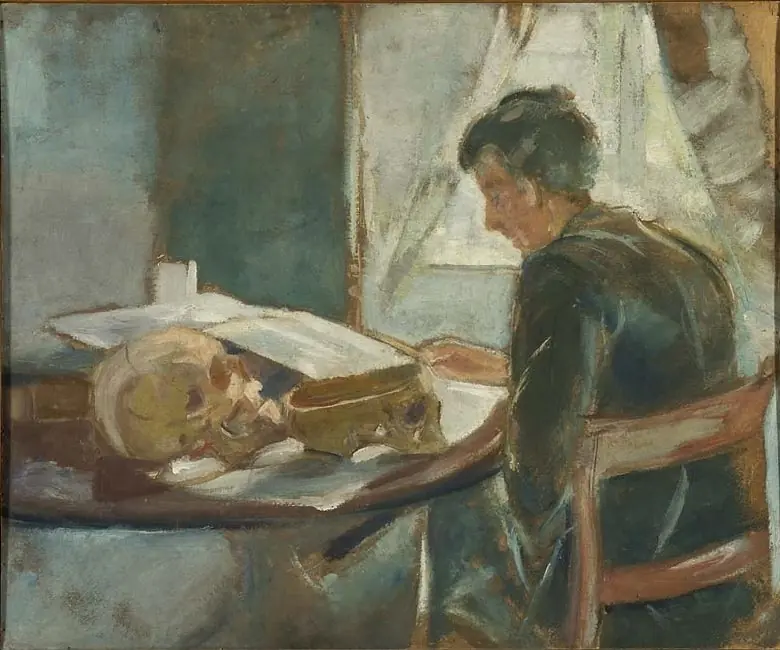
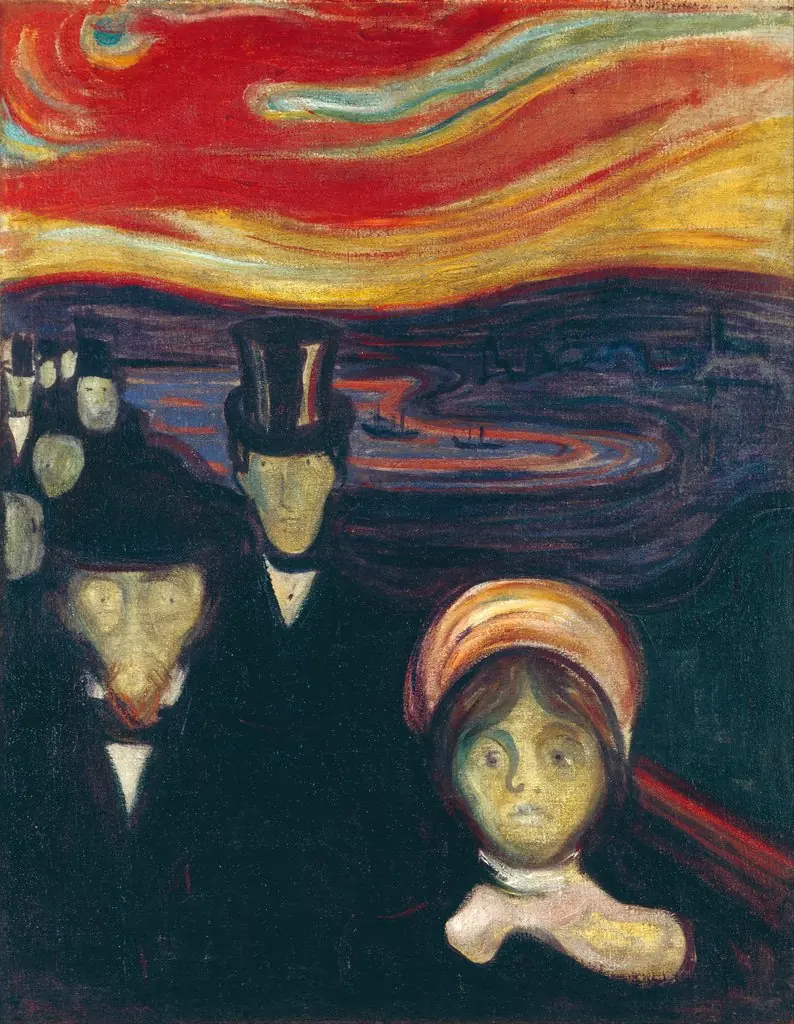
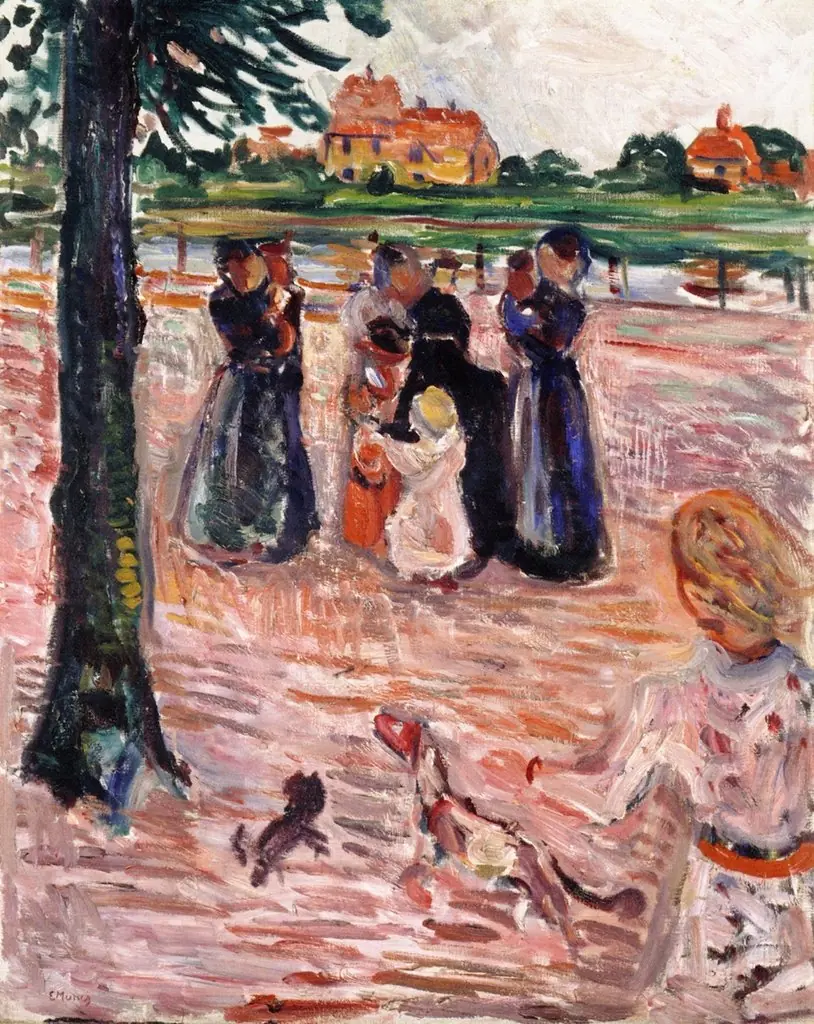
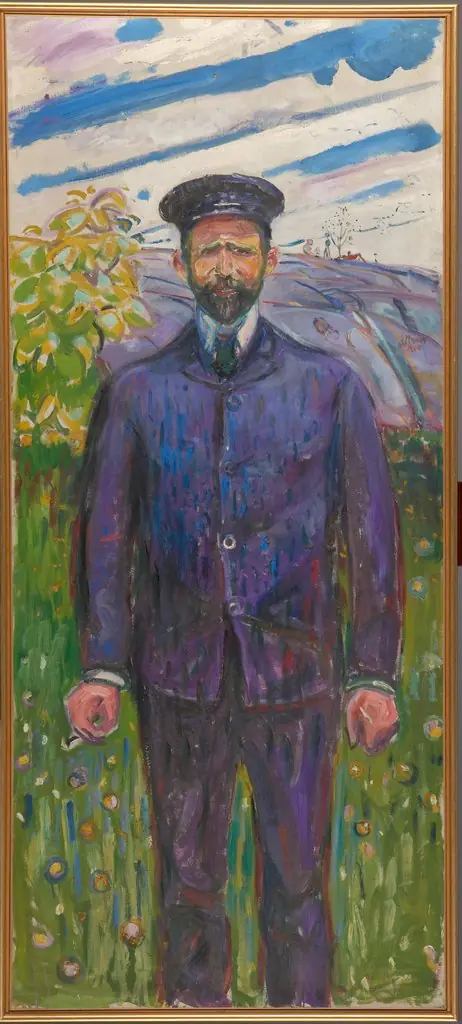
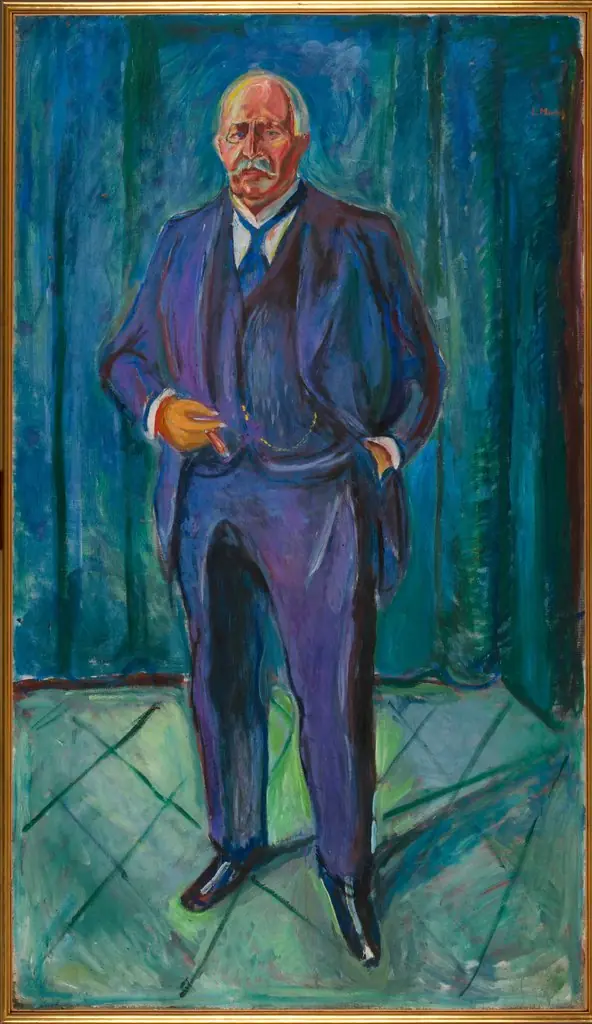
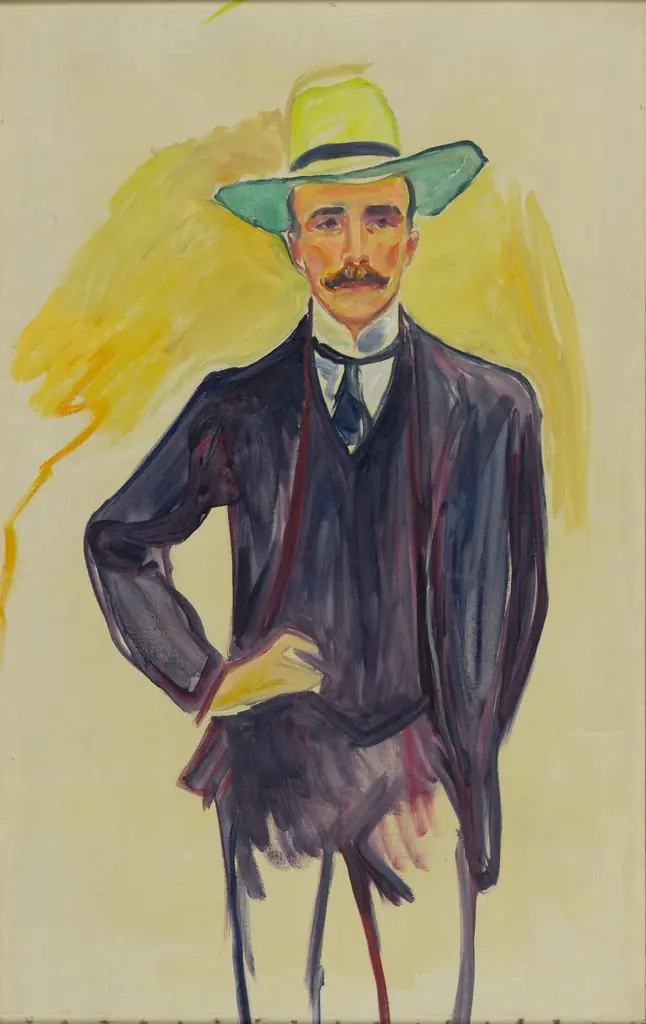
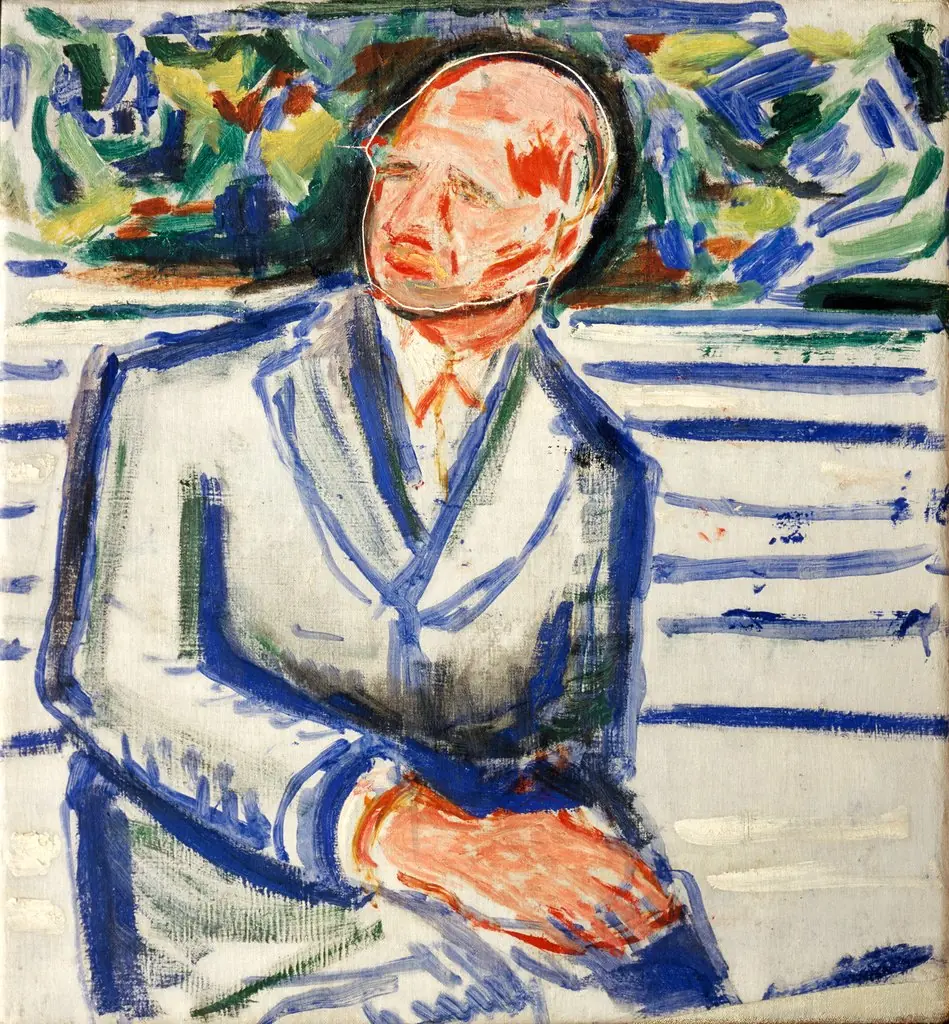
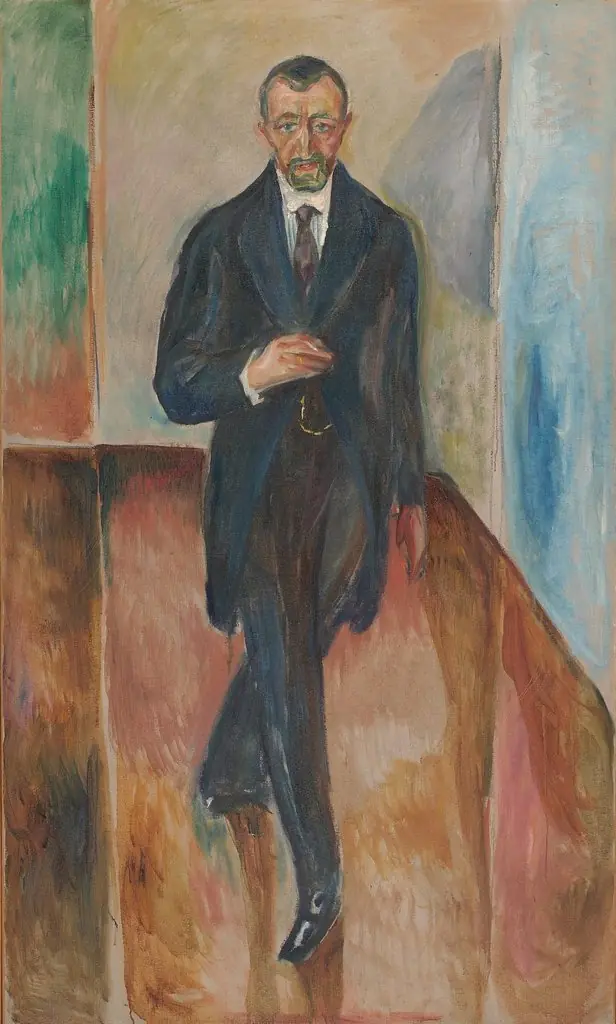
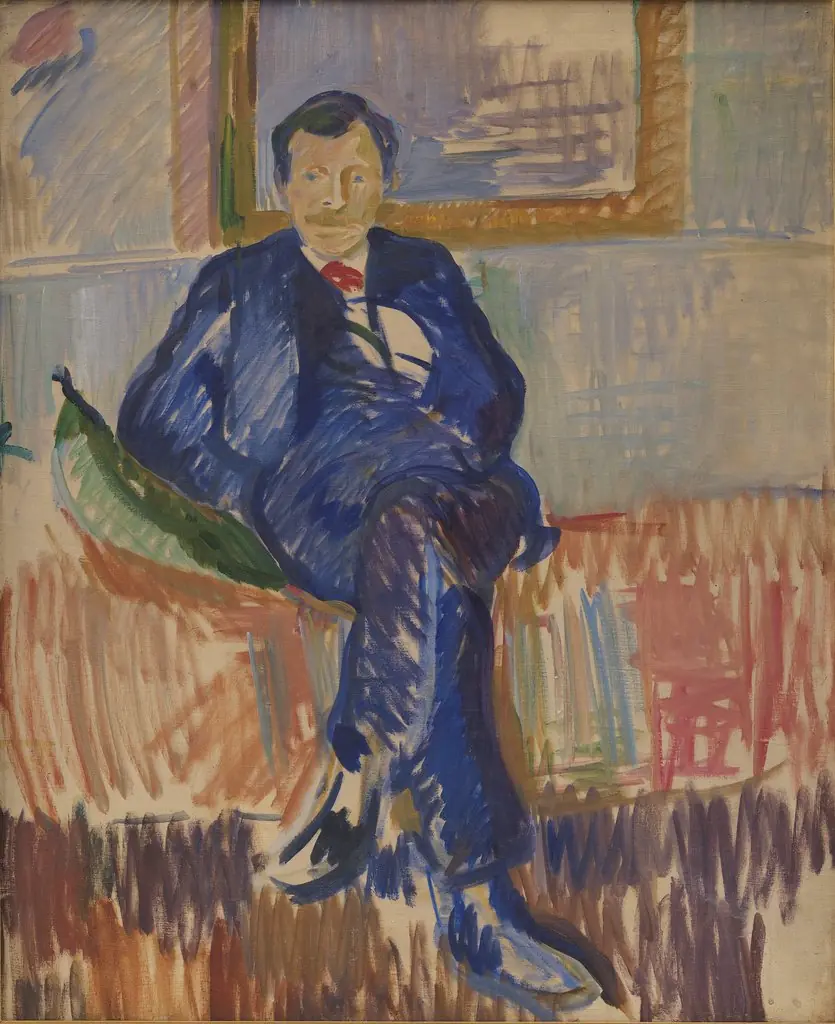
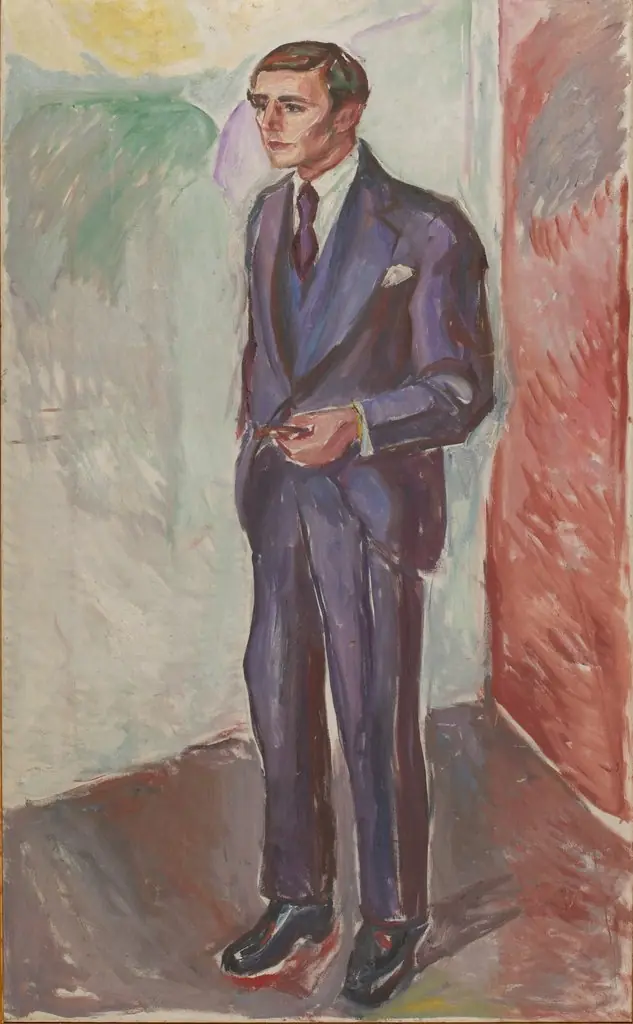
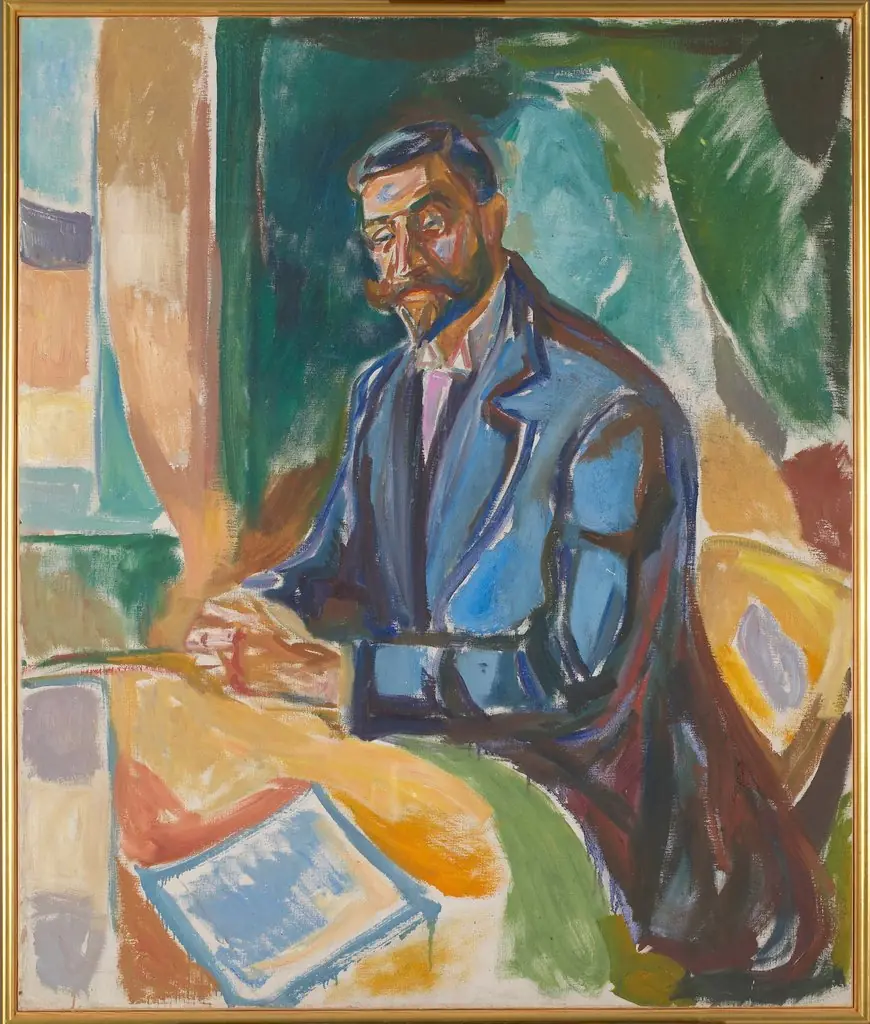
Wilhelm Wartmann is an oil painting by the Post-Impressionist artist Edvard Munch. It dates from 1922 and is held in the collection of the Munch Museum.
About this work
Overview
Edvard Munch’s 1922 oil on canvas presents Wilhelm Wartmann, a figure rendered in a post‑Impressionist idiom. The portrait is part of the permanent holdings of the Munch Museum, where it is displayed among the artist’s later works.
Subject & Meaning
Wartmann stands centrally, dressed in a light suit with a dark tie, his moustache and short hair clearly defined. His posture is upright, head turned slightly, suggesting a poised yet contemplative presence within the interior setting.
Technique & Style
Munch employs vigorous brushwork and a palette that juxtaposes warm and cool hues, creating depth through abstracted walls and floor. The composition balances bold color fields with expressive lines, characteristic of his post‑Impressionist phase.
History & Provenance
Created shortly after World War I, the portrait entered the Munch Museum’s collection, where it remains. Its acquisition reflects the museum’s effort to assemble a comprehensive representation of Munch’s mature period.
Context
Munch, trained at Oslo’s Royal School of Art and Design, was influenced by the nihilist writer Hans Jæger, an association that informed his exploration of psychological states. This portrait, while more formal than his iconic existential scenes, continues his interest in the inner life of his subjects.
Artist & collection
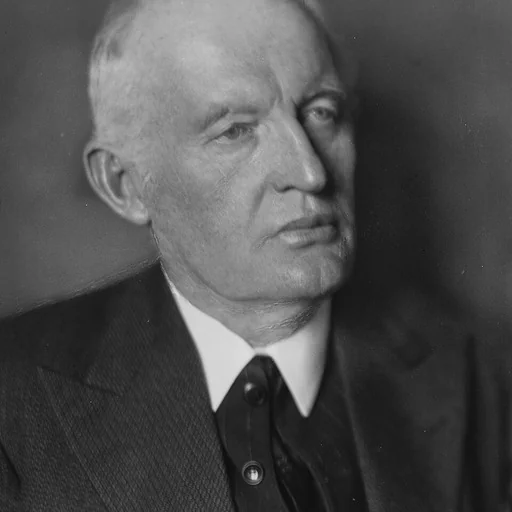
Artist
Edvard Munch ( MUUNK; Norwegian: ; 12 December 1863 – 23 January 1944) was a Norwegian painter.