Artwork
Sanatorium
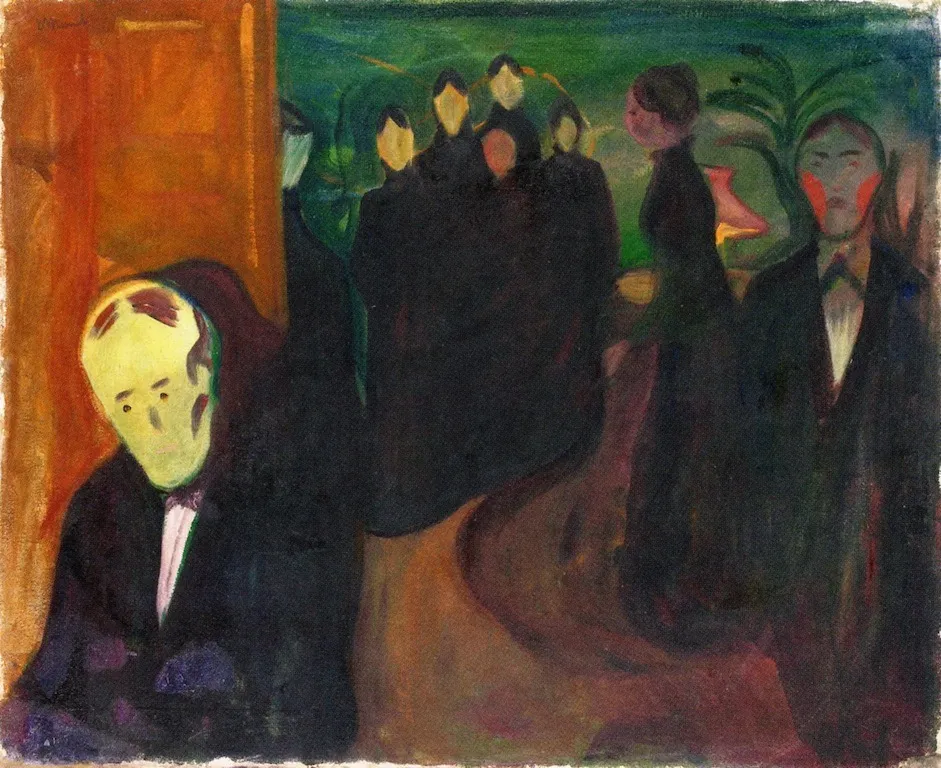
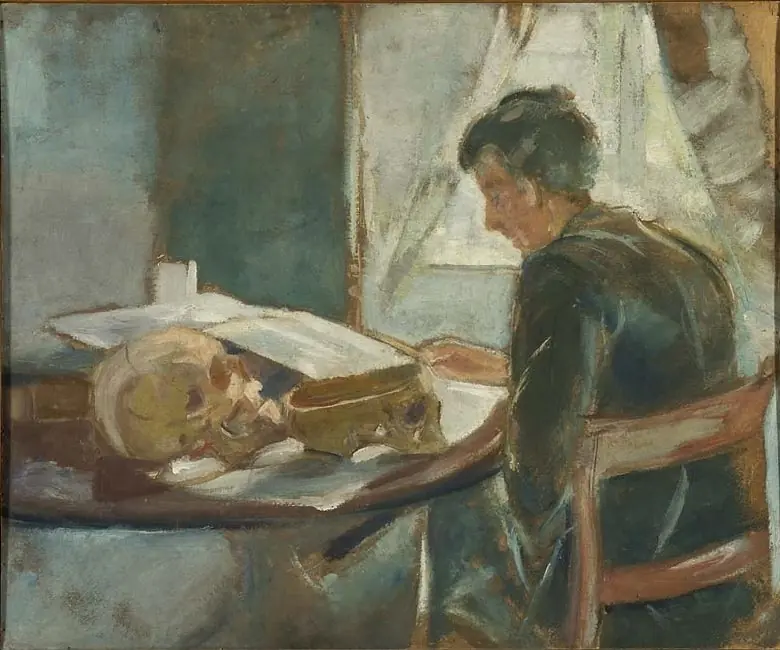
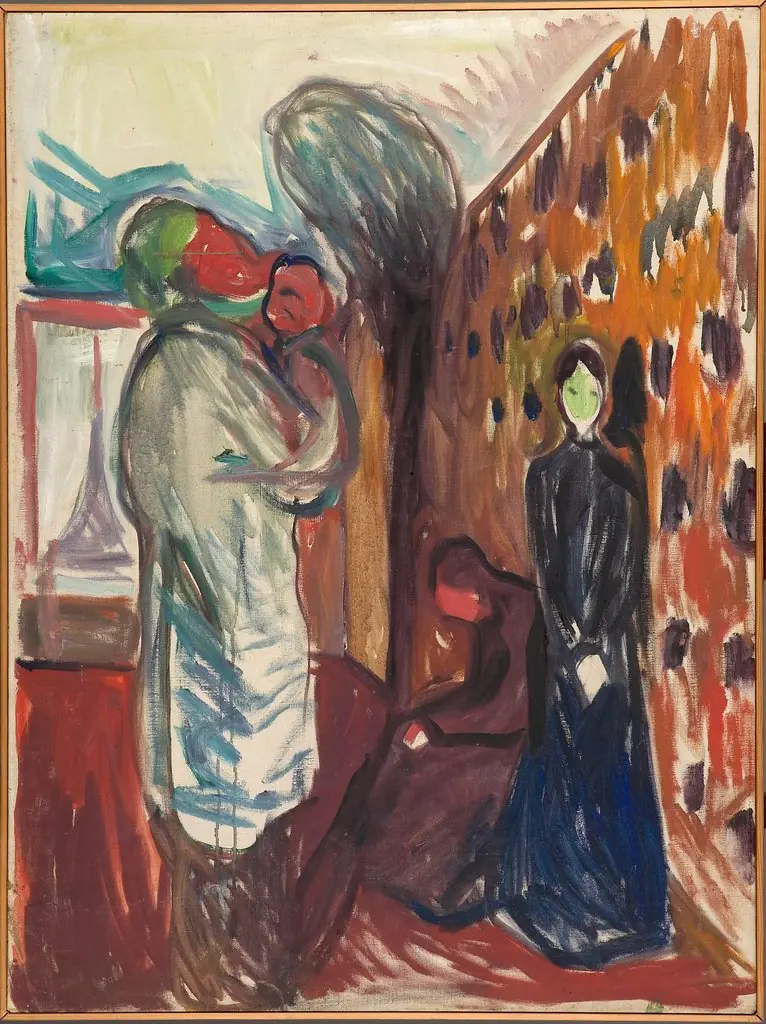
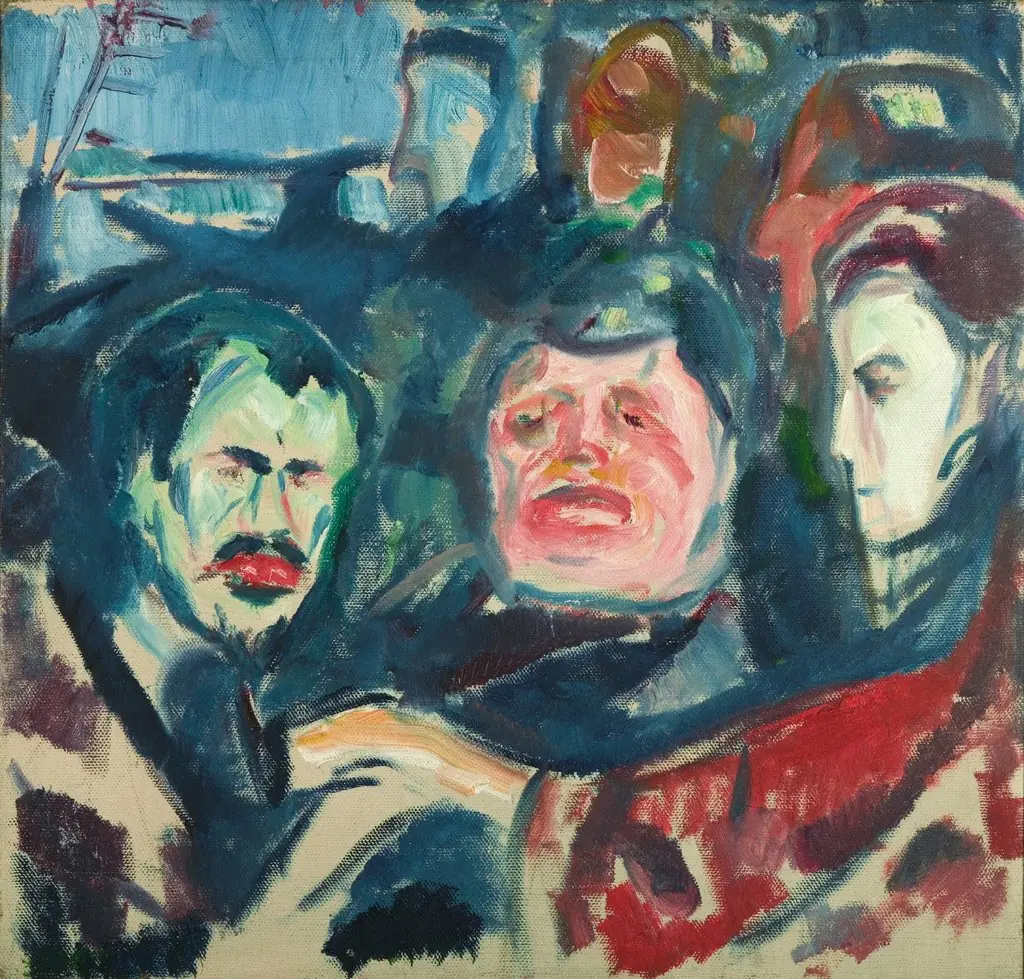
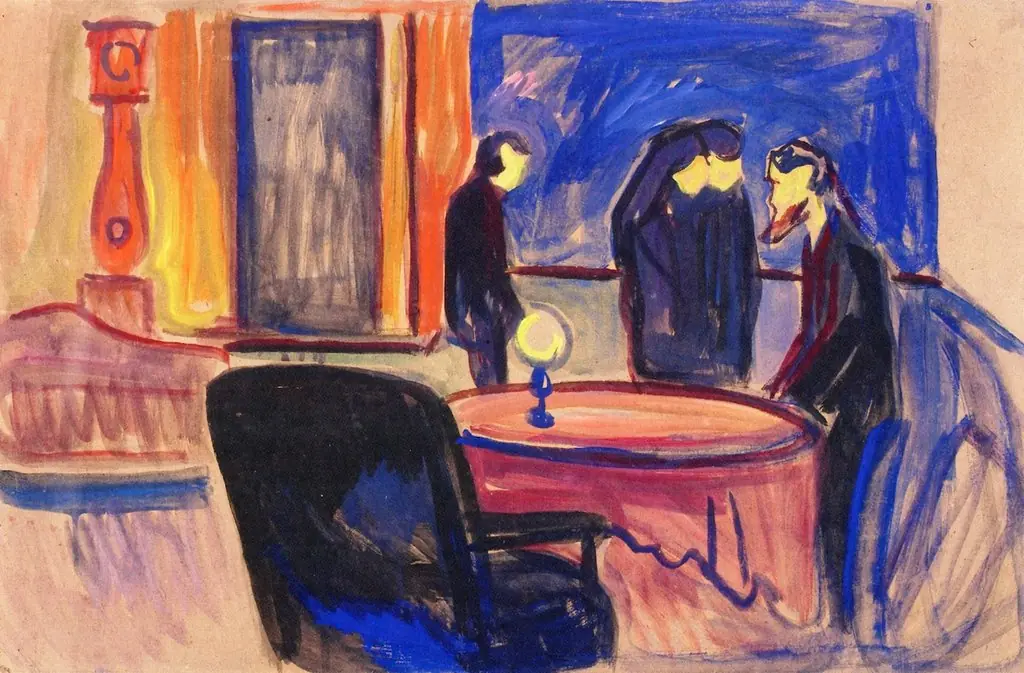
Sanatorium is a paint painting by the Post-Impressionist artist Edvard Munch. It dates from 1902 and is held in the collection of the Munch Museum.
About this work
Overview
Its somber mood and restrained palette align with his broader exploration of human fragility, distancing itself from naturalism in favor of emotional resonance.
Painted in 1902 by Edvard Munch, *Sanatorium* is a casein-on-canvas work that captures a quiet, interior scene of individuals in a medical setting. The painting reflects Munch’s sustained interest in psychological states, rendered through subdued tones and indistinct forms. Its somber mood and restrained palette align with his broader exploration of human fragility, distancing itself from naturalism in favor of emotional resonance.
Subject & Meaning
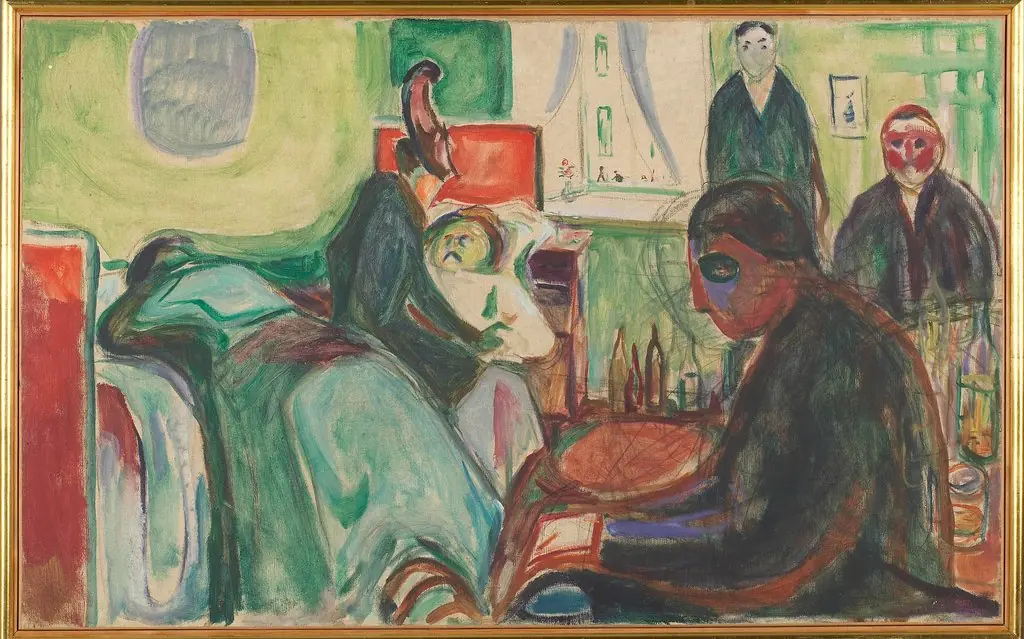
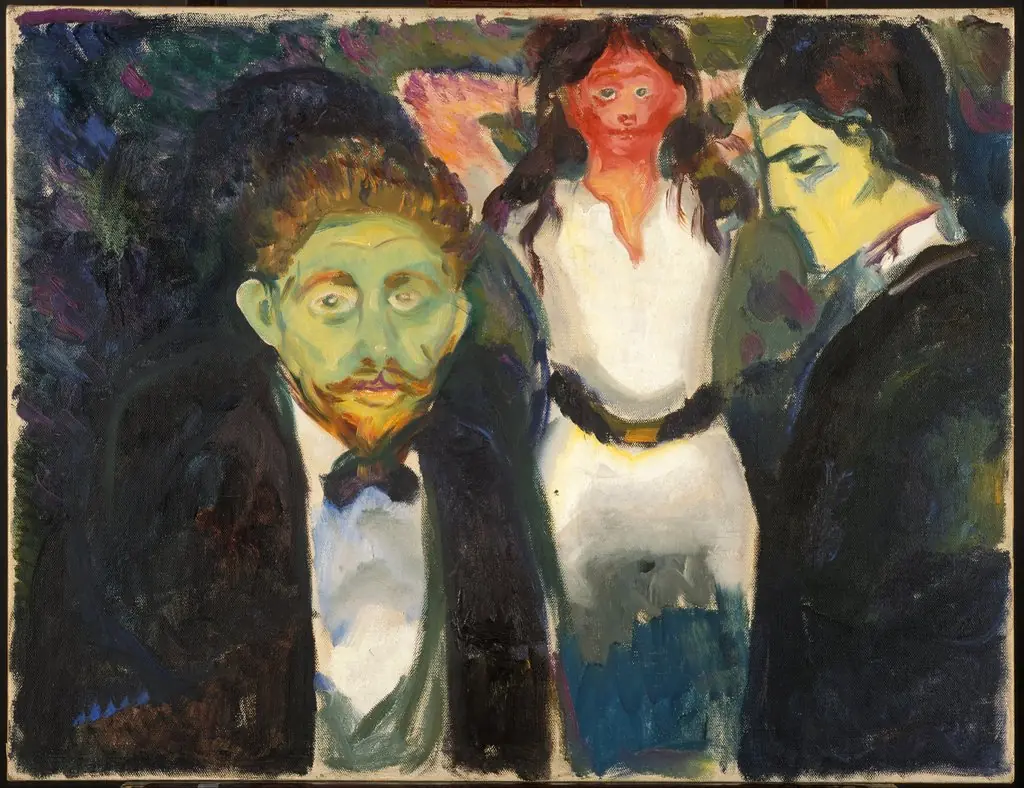
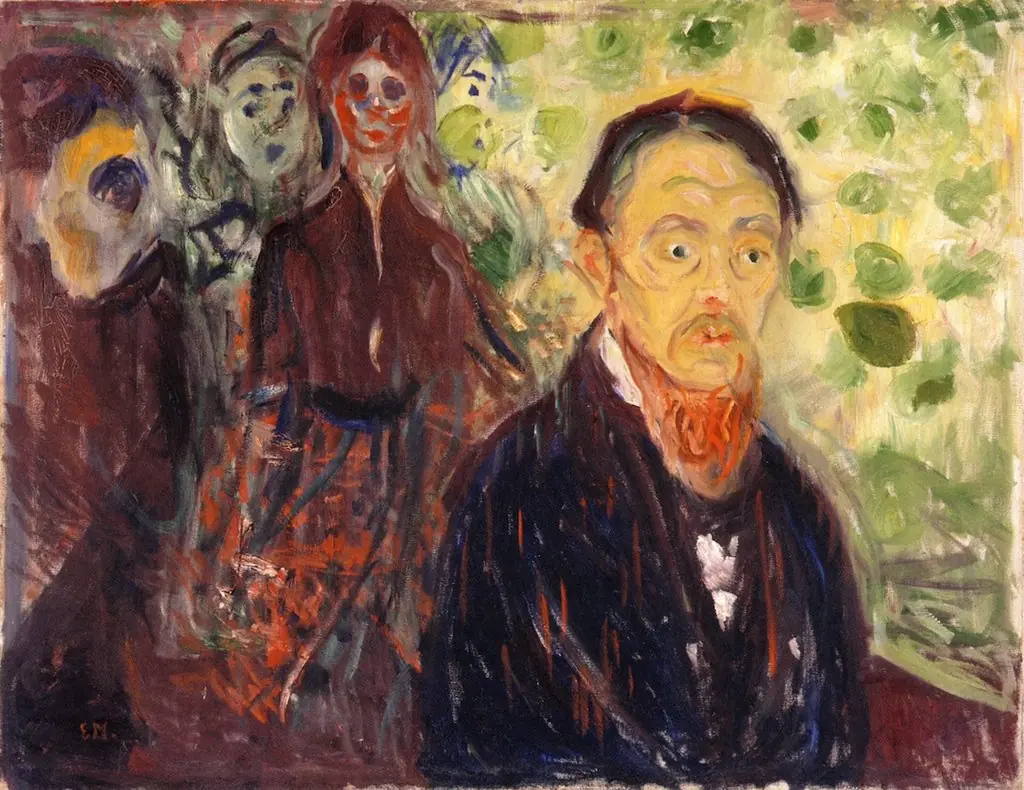
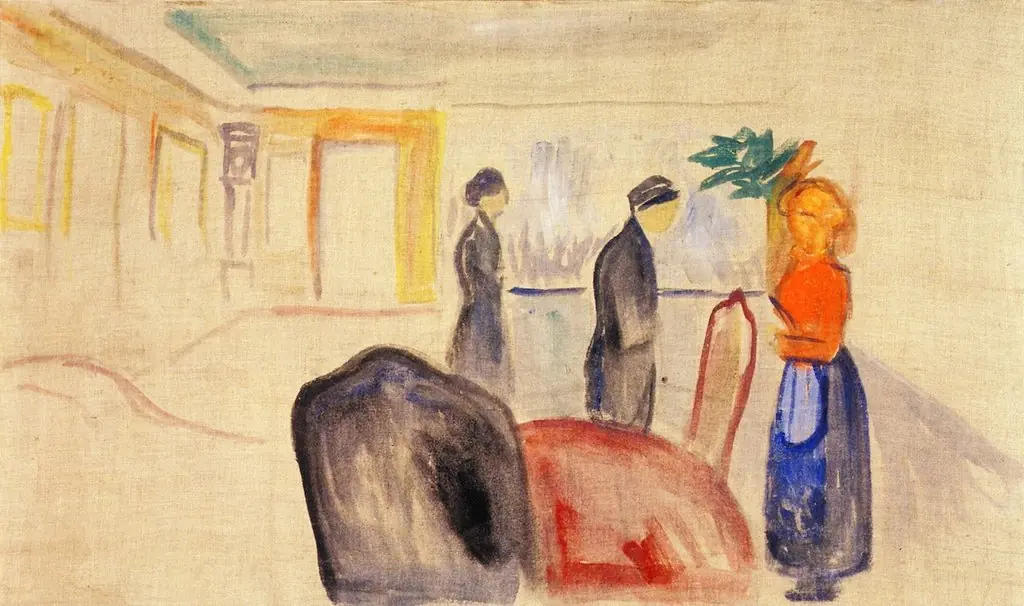
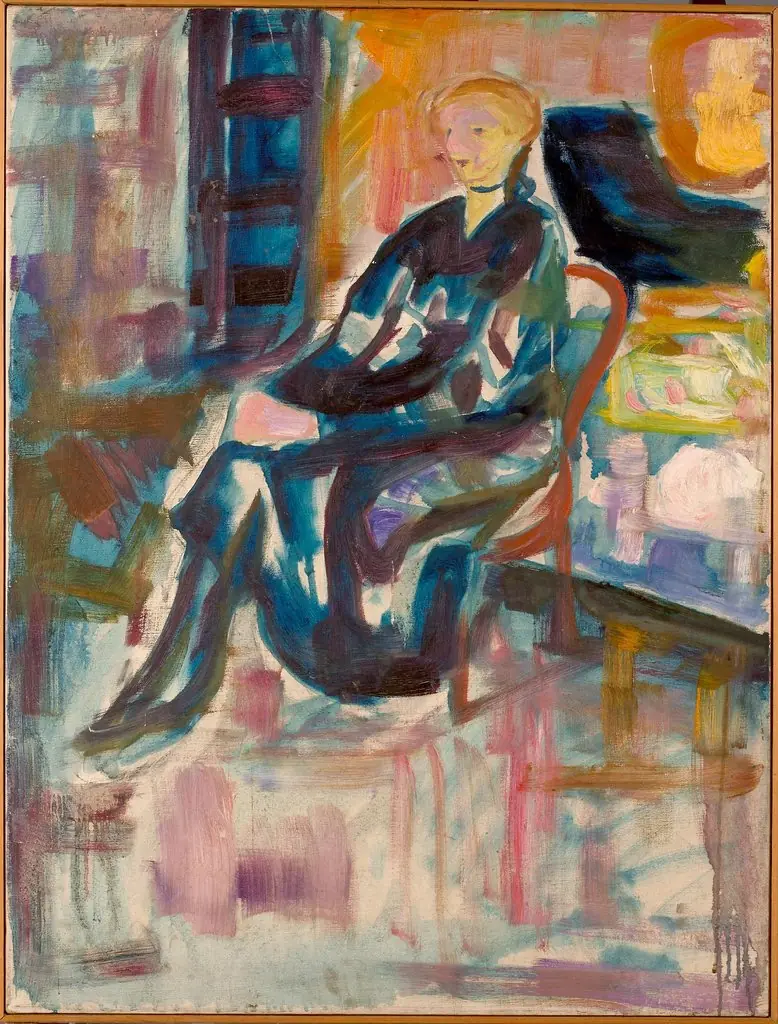
The painting depicts a group of figures in a dim, green-tinged room, their faces blurred and clothing dark, suggesting illness or convalescence. The title points to a sanatorium, a place associated with prolonged recovery and isolation. The figures appear withdrawn, their anonymity emphasizing universal experiences of suffering and solitude rather than individual identities, reinforcing themes of existential stillness.
Technique & Style
Munch employed casein paint, a water-based medium known for its matte finish and subtle texture, to achieve a flat yet layered surface. The blurred contours and muted greens and grays create a hazy, dreamlike atmosphere. Brushwork is deliberate but unobtrusive, avoiding detail to heighten emotional ambiguity. The absence of strong light or shadow deepens the sense of quiet unease.
History & Provenance
Created during a period of intense personal reflection following years of illness and loss, *Sanatorium* entered the collection of the Munch Museum in Oslo, where it remains part of the artist’s curated legacy. The work was not exhibited widely in its early years, but its inclusion in the museum’s holdings reflects its significance in understanding Munch’s thematic evolution beyond *The Scream*.
Context
In early 20th-century Europe, sanatoriums were common for treating tuberculosis and other chronic illnesses, often isolating patients for months or years. Munch, who lost family members to such diseases, was familiar with these spaces. His depiction avoids clinical detail, instead conveying the psychological weight of confinement and the quiet endurance of those within them.
Legacy
Though less known than his more dramatic works, *Sanatorium* exemplifies Munch’s ability to translate inner states into visual form without narrative clarity. Its restrained aesthetic influenced later artists exploring psychological realism and the emotional potential of muted palettes. The painting endures as a quiet testament to the invisible burdens carried by the sick and the solitary.
Artist & collection
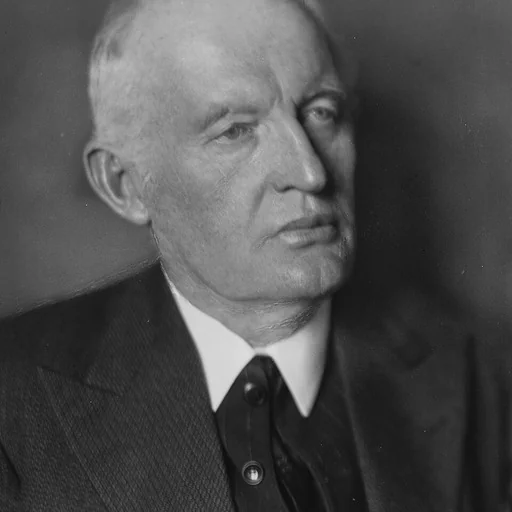
Artist
Edvard Munch ( MUUNK; Norwegian: ; 12 December 1863 – 23 January 1944) was a Norwegian painter.