Artwork
The Hearse on Potsdamer Platz
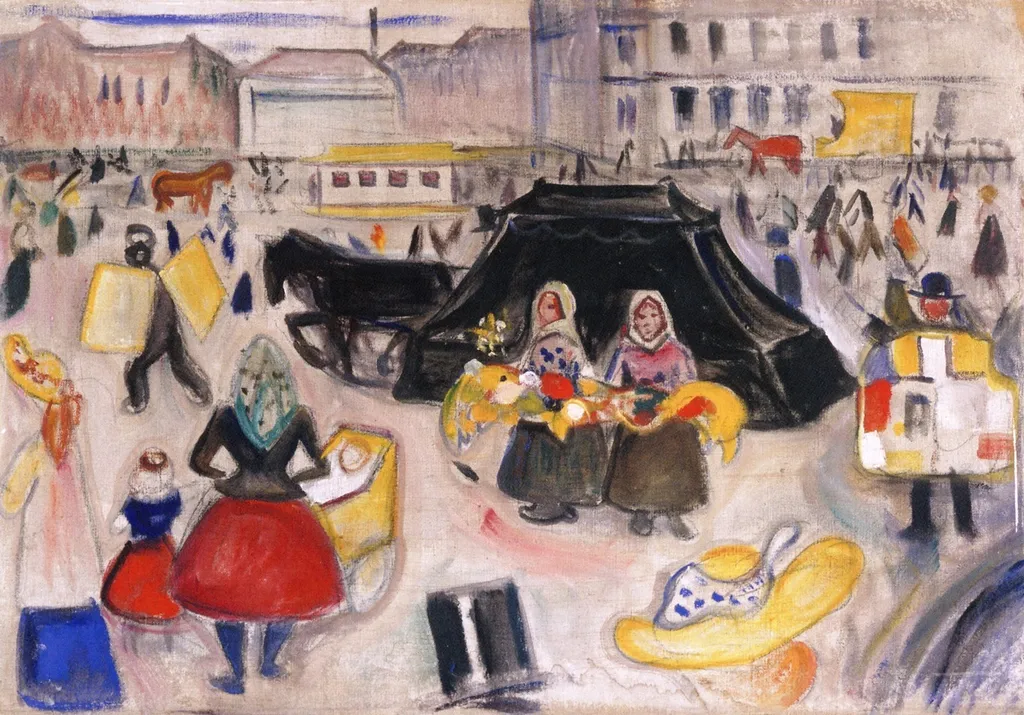
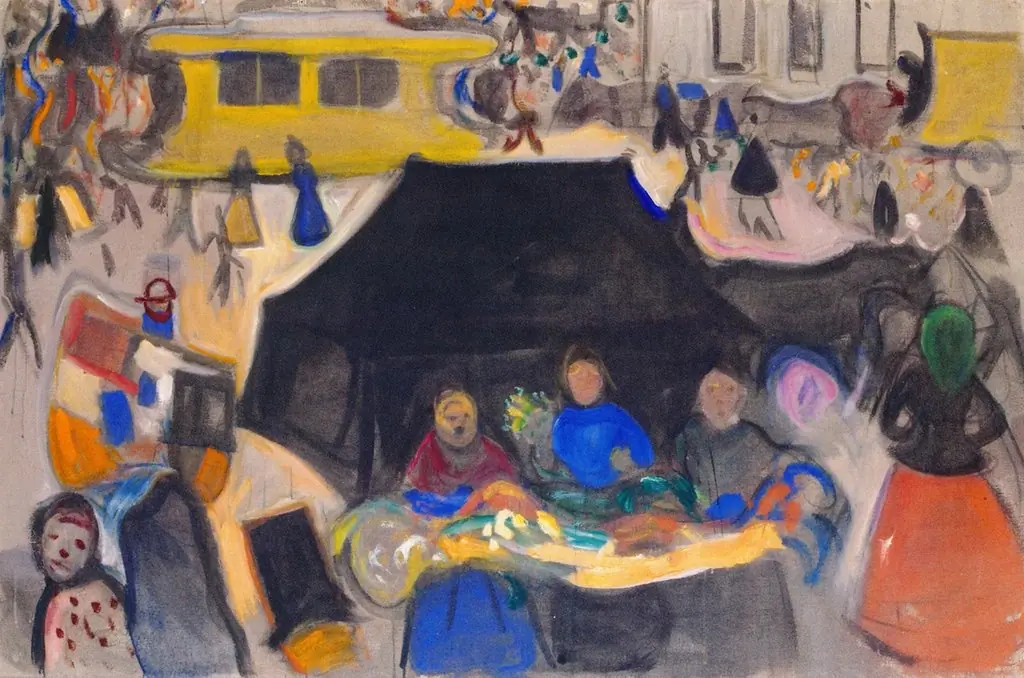
The Hearse on Potsdamer Platz is an oil painting by the Post-Impressionist artist Edvard Munch. It dates from 1902 and is held in the collection of the Munch Museum.
About this work
Overview
Created in 1902, *The Hearse on Potsdamer Platz* is an oil painting by Norwegian artist Edvard Munch. The work shows a black, horse‑drawn hearse positioned in the centre of a bustling urban square, surrounded by passers‑by in varied attire. The composition captures a moment of everyday activity intersected by the solemnity of a funeral procession.
Subject & Meaning
The central figure of the hearse conveys themes of mortality and transience, while the surrounding crowd, absorbed in their own movements, suggests the anonymity of modern city life. Munch’s interest in psychological states is reflected in the juxtaposition of the mournful vehicle against the indifferent flow of pedestrians.
Technique & Style
Executed in oil, the painting combines vigorous brushwork with softer, blended areas, creating a sense of motion across the scene. Munch’s post‑impressionist approach is evident in his use of color contrasts and loose handling of form, which together convey both the physical environment and an emotional undercurrent.
History & Provenance
The work is part of the permanent collection of the Munch Museum in Oslo, where it has been displayed since the museum’s establishment. It remains one of the pieces that illustrate Munch’s early 20th‑century investigations into urban experience and existential concerns.
Context
At the turn of the century, Potsdamer Platz was a vibrant hub of Berlin’s public life. Munch, having studied at the Royal School of Art and Design in Kristiania, was traveling and observing European metropolises, incorporating their modernity into his visual language.
Artist & collection
Artist
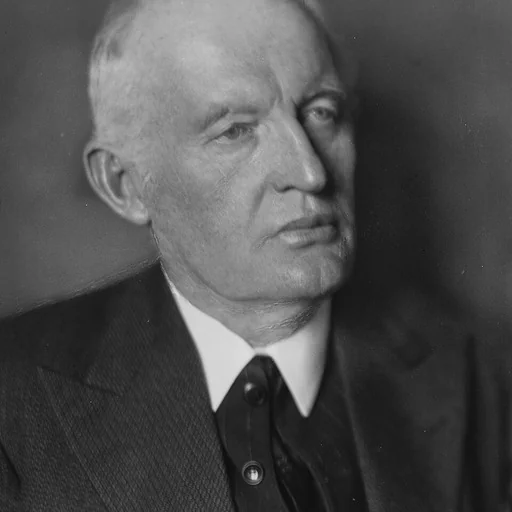
Edvard Munch ( MUUNK; Norwegian: ; 12 December 1863 – 23 January 1944) was a Norwegian painter.

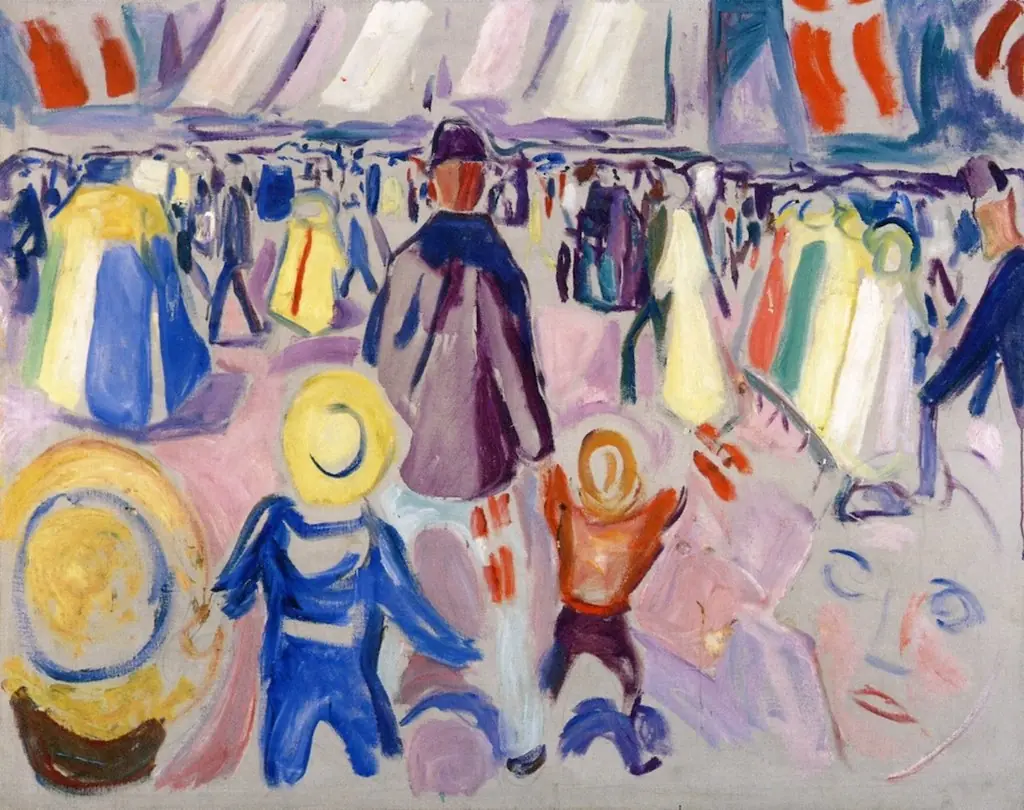 17th of May in a Small, Norwegian Town
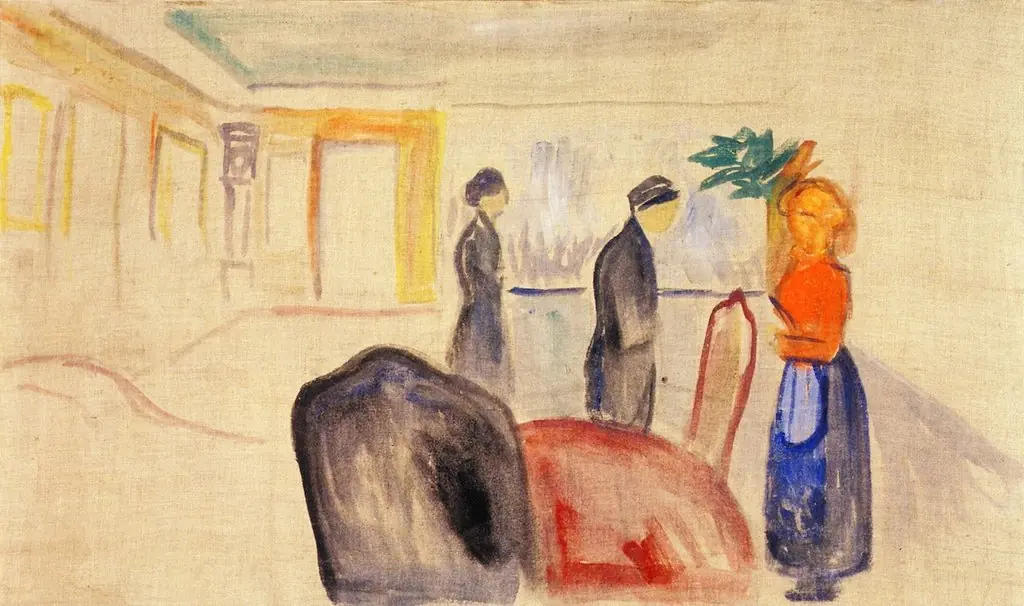 Set Design for Henrik Ibsen's "Ghosts"
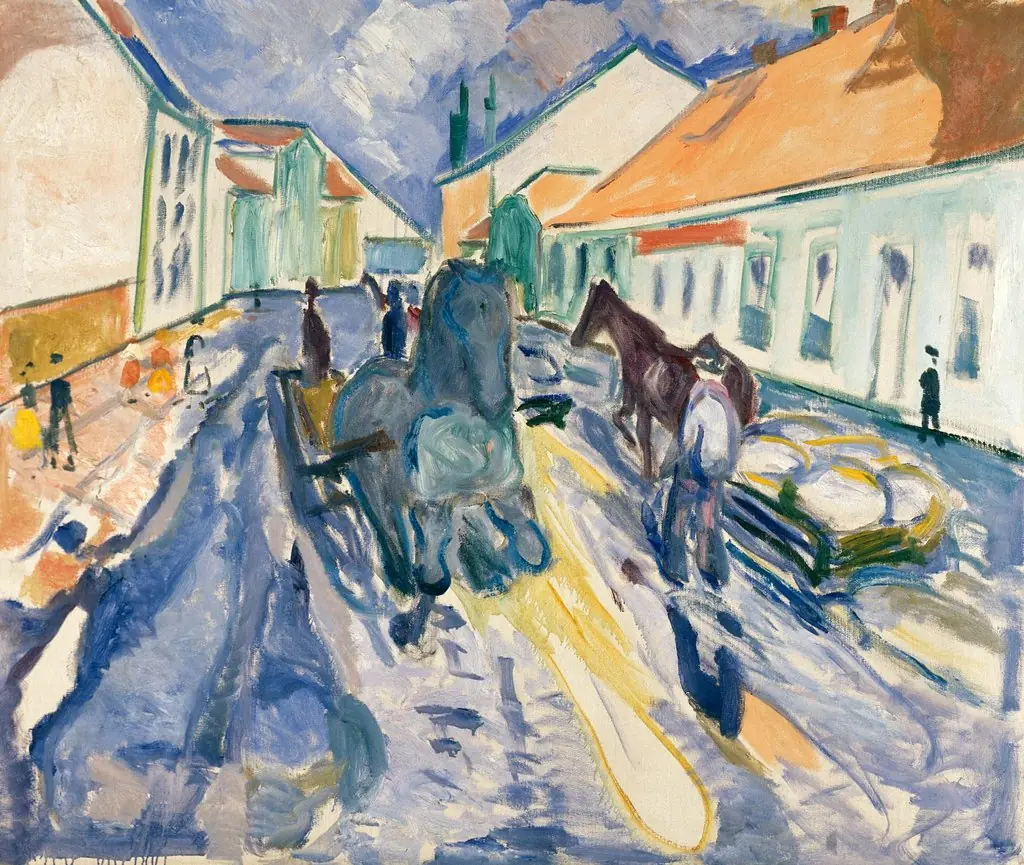 Runaway Horse in Street
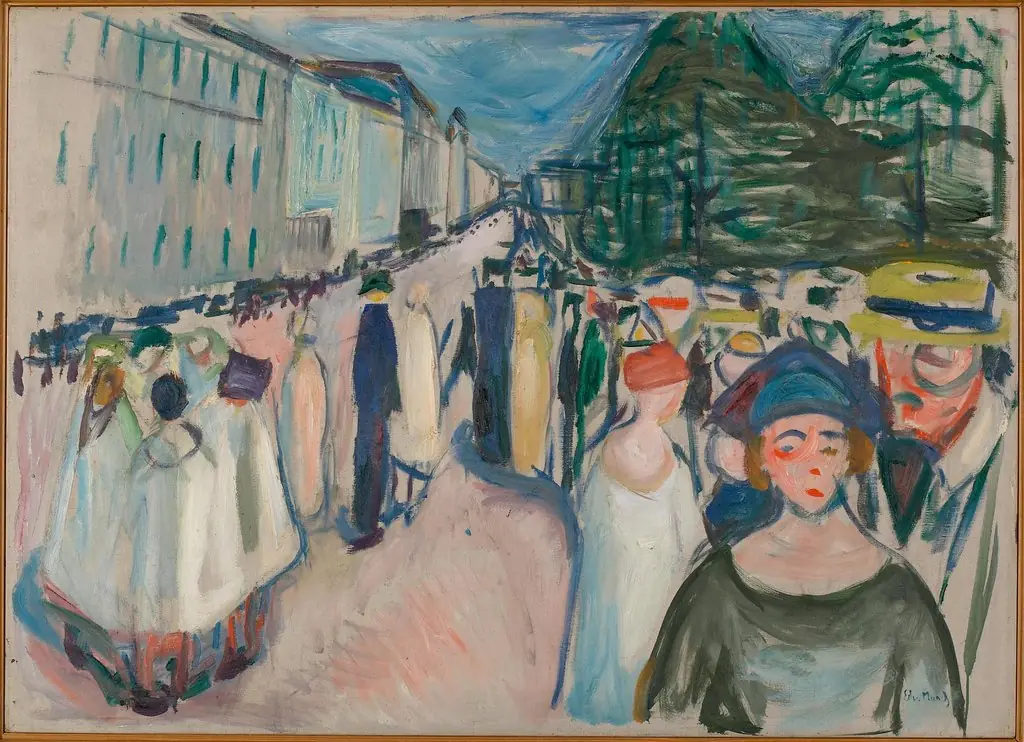 Promenade on Karl Johan
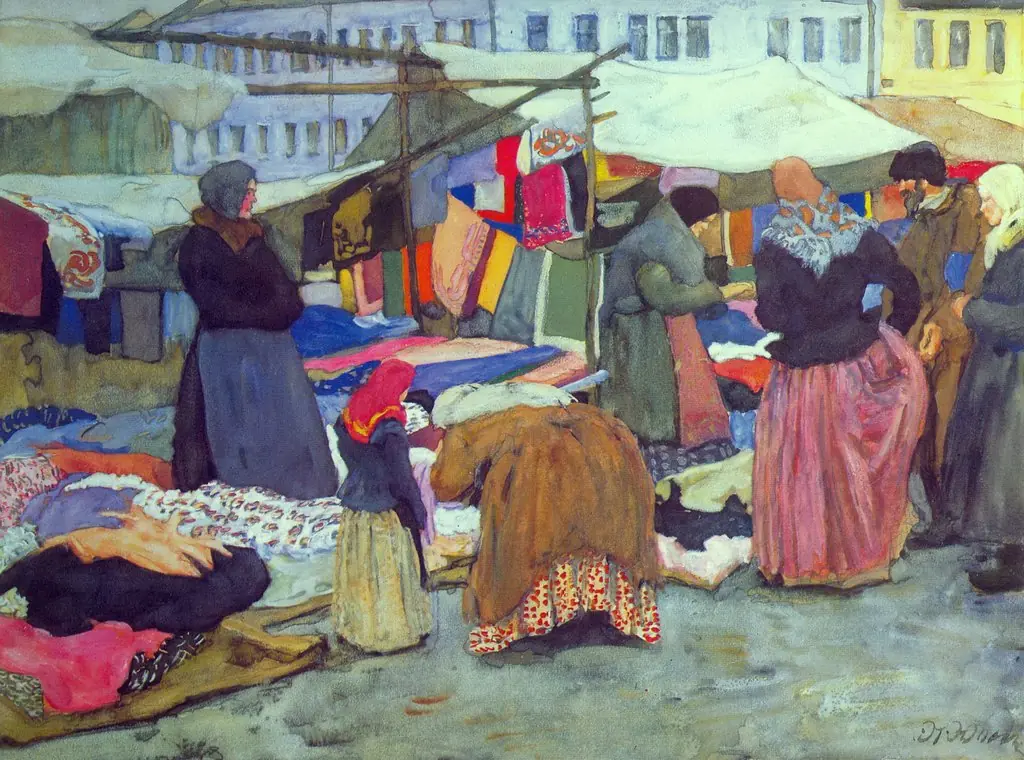 Soft goods. Rostov the Great
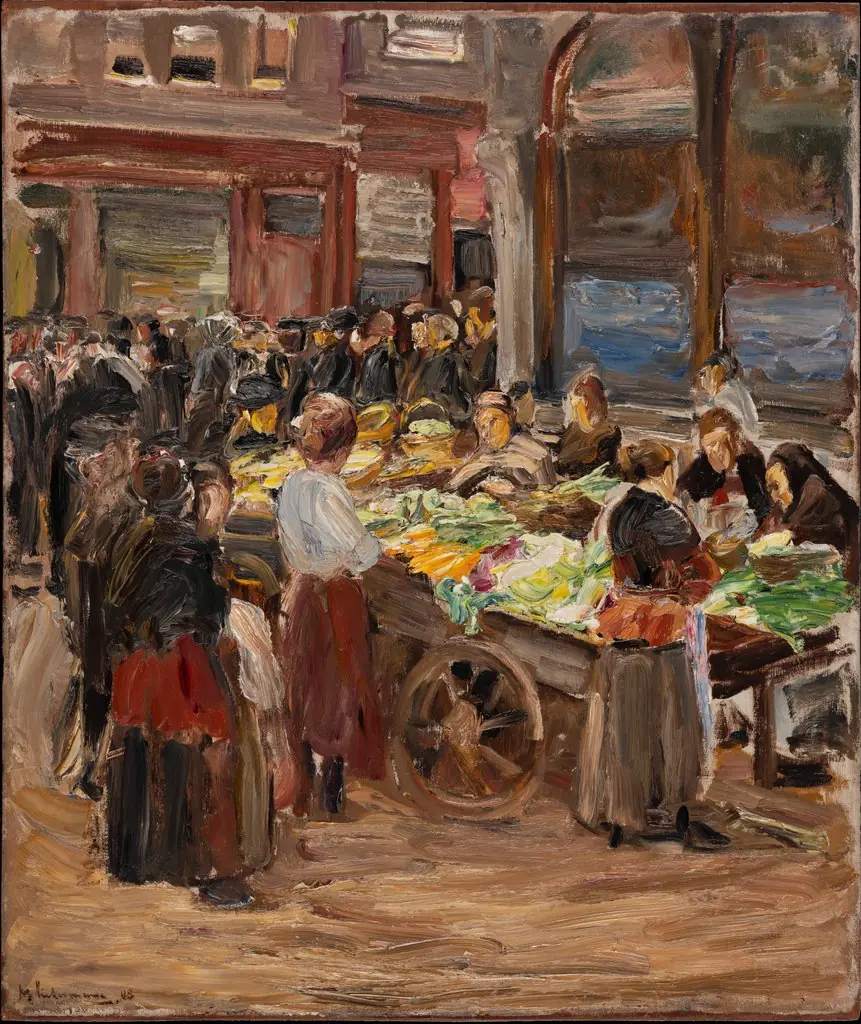 Jewish Street in Amsterdam
 From Karl Johan
 Oameni la târg
 Piață din Bucureștii Vechi
 Three Small Girls on the Beach
 Morning in Paris
 The Hearse on Potsdamer Platz