Artwork
The Wedding of the Bohemian
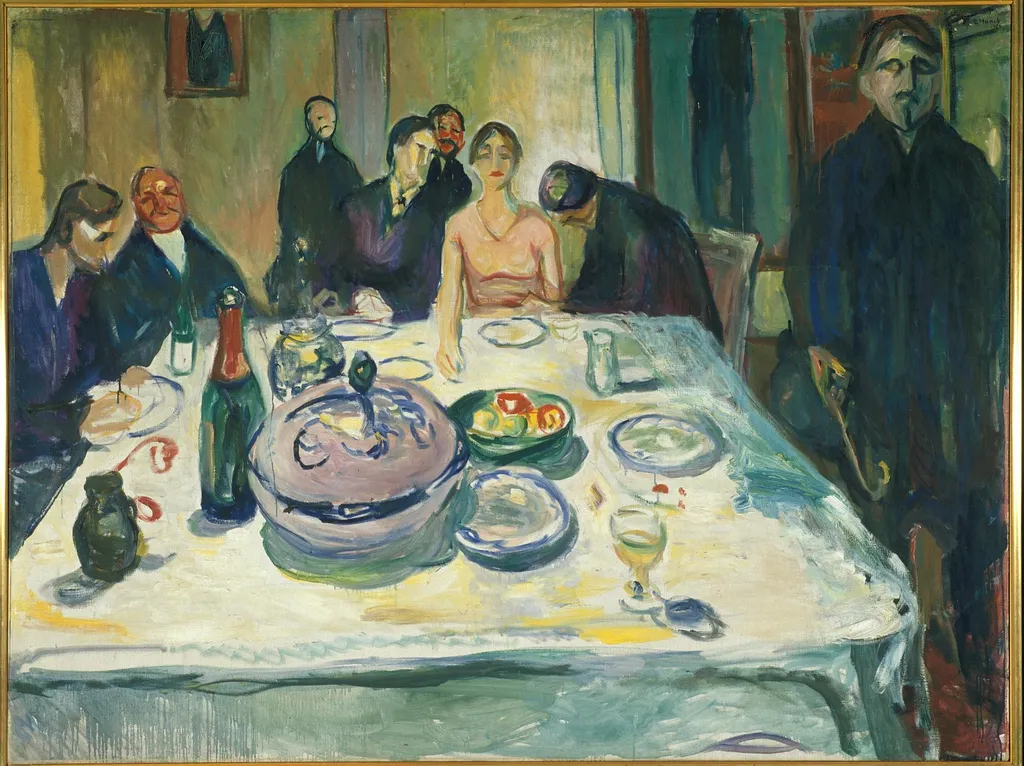
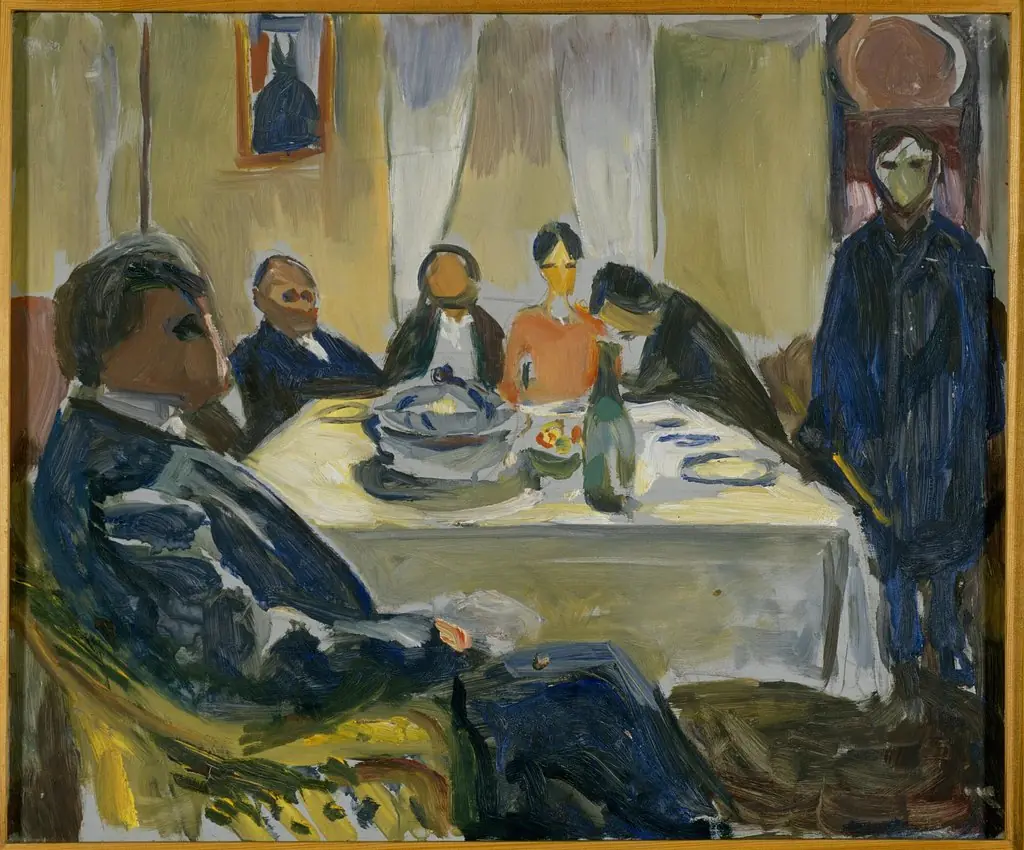
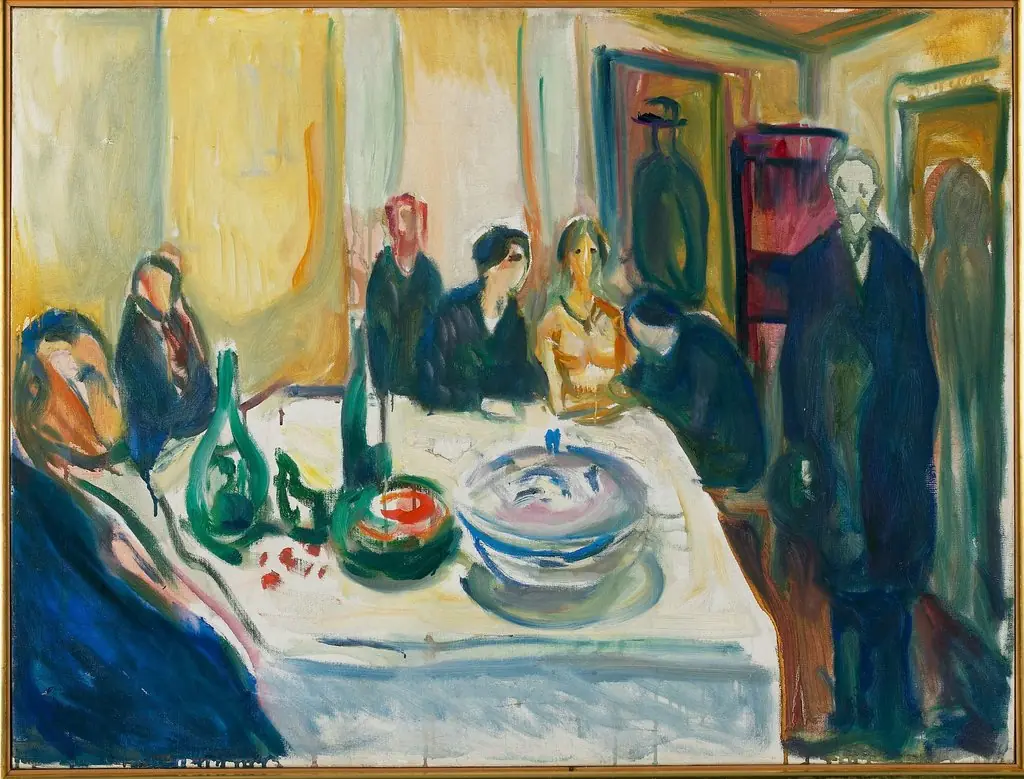
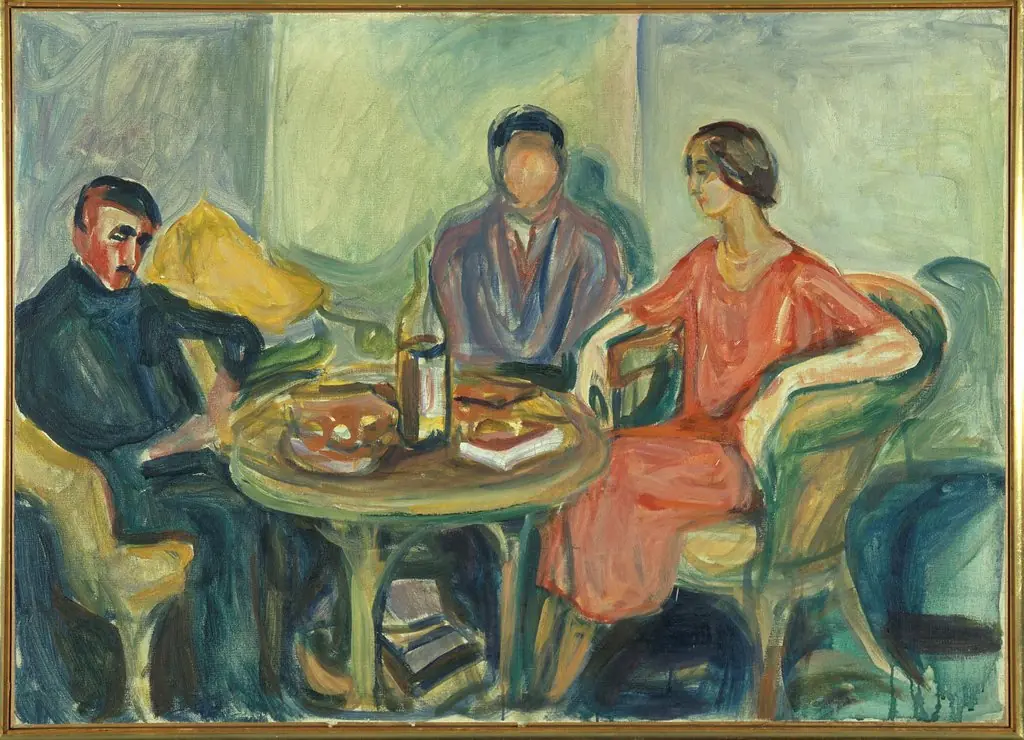
The Wedding of the Bohemian is an oil painting by the Post-Impressionist artist Edvard Munch. It dates from 1925 and is held in the collection of the Munch Museum.
About this work
Overview
Though titled *The Wedding of the Bohemian*, the scene does not depict a formal ceremony but rather an intimate, possibly symbolic, assembly.
Painted in 1925 by Norwegian artist Edvard Munch, this oil-on-canvas work captures a domestic gathering with a sense of quiet intensity. Though titled *The Wedding of the Bohemian*, the scene does not depict a formal ceremony but rather an intimate, possibly symbolic, assembly. Munch, known for his psychological depth, rendered the moment with restrained color and deliberate composition, reflecting his lifelong engagement with human emotion beyond mere representation.
Subject & Meaning
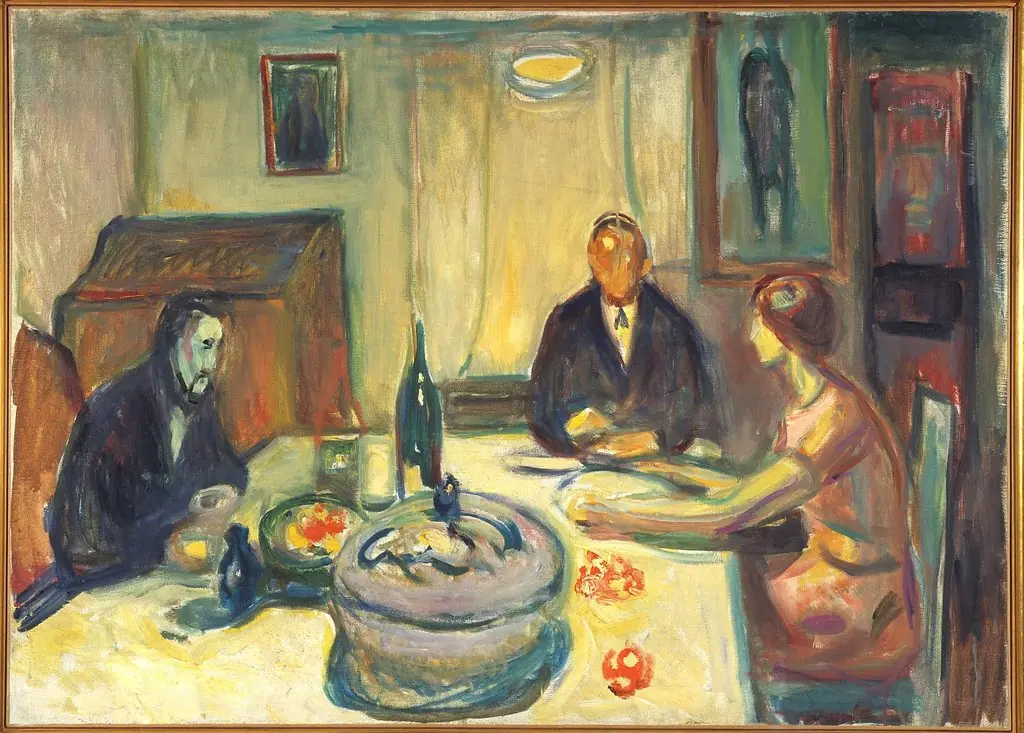
The painting portrays a group of figures gathered around a table, with Birgit Prestøe, a woman connected to Munch’s circle, seated among them. The attire and setting suggest a modest celebration, possibly a wedding or communal meal within a bohemian community. The absence of overt ritual and the subdued expressions invite interpretation beyond literal narrative—perhaps reflecting themes of belonging, transience, or the quiet rituals of everyday life.
Technique & Style
Munch employed thick, expressive brushwork typical of his later period, layering oil paint to create texture in fabrics and surfaces. The palette is muted—earthy yellows and greens dominate the walls, contrasting with the dark clothing of the figures and the single pink blouse that draws the eye. Foreground objects like the bowl and wine glass are rendered with tactile weight, anchoring the composition while suggesting ritual or abundance without grandeur.
History & Provenance
Created during Munch’s mature years, the painting remained in his personal collection until his death in 1944. It was later transferred to the Munch Museum in Oslo, established to preserve and exhibit his oeuvre. The work’s provenance is well-documented, with no significant gaps in ownership, reflecting its status as part of the artist’s private archive rather than a publicly commissioned piece.
Context
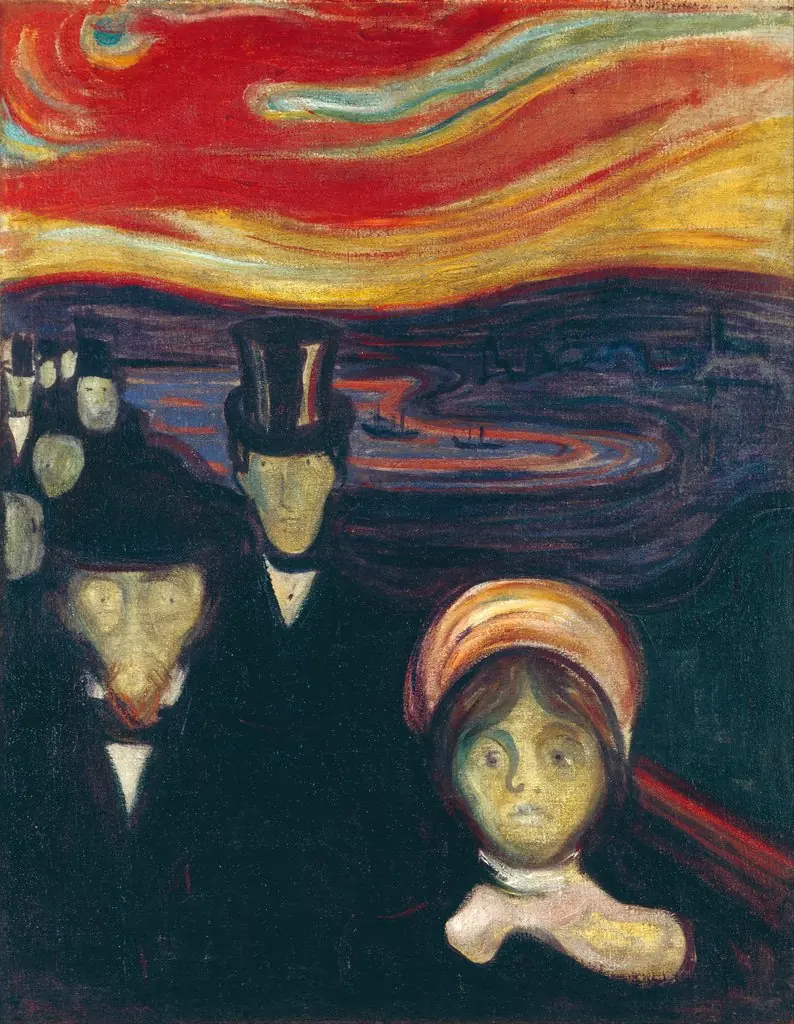
Painted in the 1920s, this work emerged after Munch had moved beyond the expressive angst of *The Scream* and into a more contemplative phase. His style had softened, yet retained emotional resonance. The scene aligns with his interest in ordinary moments—weddings, meals, solitary figures—as vessels for psychological weight, influenced by his own experiences of isolation and the cultural milieu of Norwegian bohemian life.
Legacy
Though less widely known than his earlier works, this painting contributes to the understanding of Munch’s sustained exploration of human connection through domestic scenes. It exemplifies his late-period shift toward quieter, more nuanced expression, influencing later Norwegian artists who sought to convey inner life through everyday subjects. The work remains a quiet testament to his enduring focus on emotion over spectacle.
Artist & collection
Artist
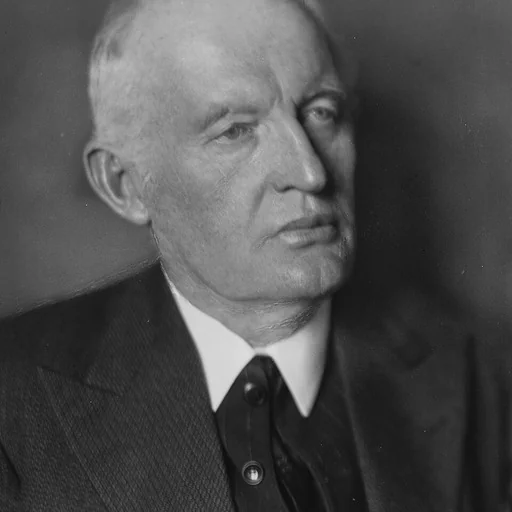
Edvard Munch ( MUUNK; Norwegian: ; 12 December 1863 – 23 January 1944) was a Norwegian painter.