Artwork
Fort William, Scotland
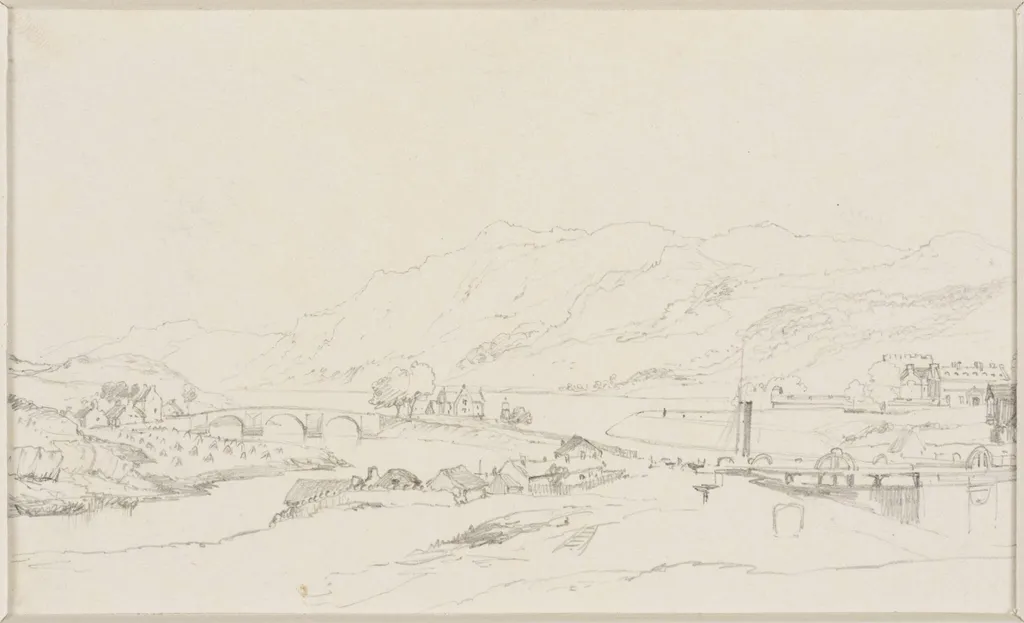
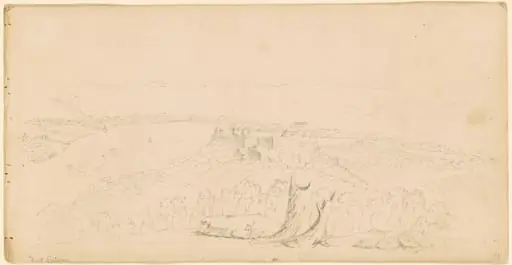
Fort William, Scotland is a drawing by the Romanticist artist Edward William Cooke. It dates from 1838 and is held in the collection of the Victoria and Albert Museum. Edward Cooke’s 1838 drawing depicts the town of Fort William in Scotland.
About this work
Overview
Edward Cooke’s 1838 drawing depicts the town of Fort William in Scotland. Rendered in pencil, the work presents a tranquil riverside settlement framed by undulating hills. A stone bridge spans the water, linking modest buildings that line the banks, while a solitary tower rises in the distance. The composition captures a fleeting moment of everyday life in a modest, yet picturesque, setting.
Subject & Meaning
The scene focuses on the interaction between the natural landscape and the built environment, illustrating how the town integrates with its surrounding hills and river. The presence of a few figures suggests routine activity, emphasizing the ordinary rhythms of a 19th‑century Scottish community rather than any grand historical narrative.
Technique & Style
Cooke employs light, fluid pencil strokes to convey form and depth, privileging overall shape over fine detail. The drawing relies on subtle cross‑hatching to suggest texture and tonal variation, creating a sense of atmosphere while maintaining the immediacy of a quick study. This approach highlights the artist’s interest in capturing the essence of place rather than exhaustive rendering.
History & Provenance
Created in 1838, the drawing entered the collection of the Victoria and Albert Museum, where it remains on display. Its acquisition reflects the museum’s broader commitment to preserving 19th‑century British drawing practices and documenting regional topographies through the eyes of contemporary artists.
Artist & collection


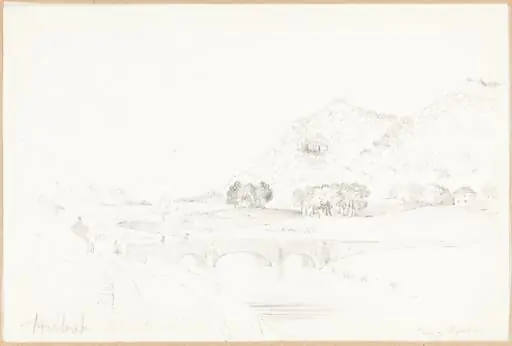 Tan y Bwlch
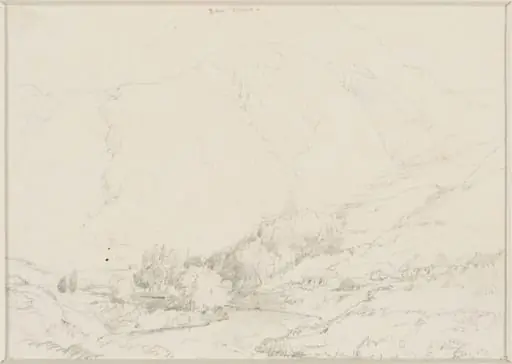 Ben Nevis
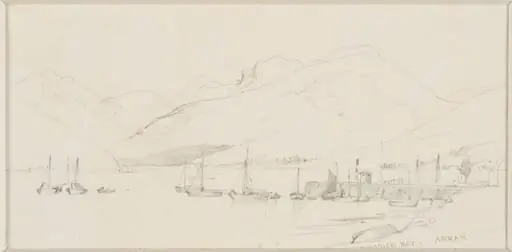 Brodick Bay, Arran
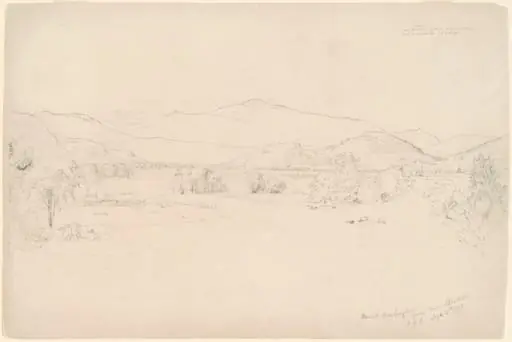 Study for "View of Mt. Washington"
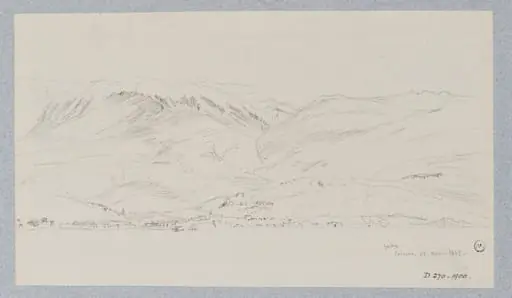 Sketches made during the Campaign of 1854-55 in the Crimea, Circassia and Constantinople
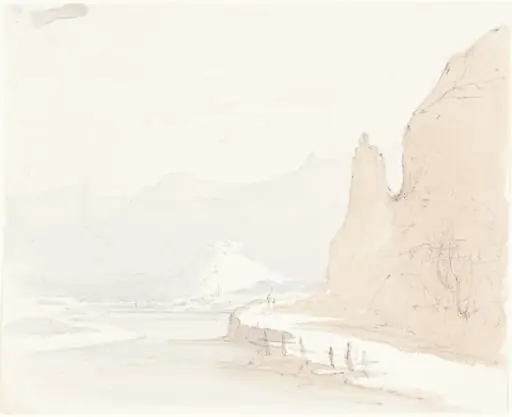 Swiss Landscape with a Village in the Distance
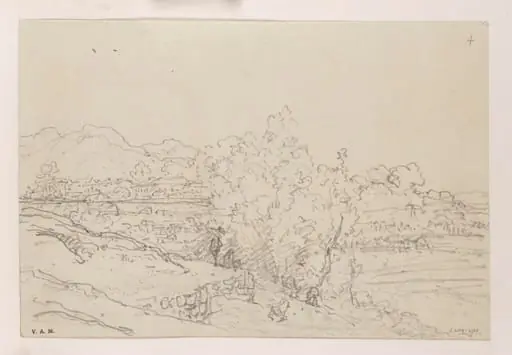 Fields and trees, with the city of Macau in the distance
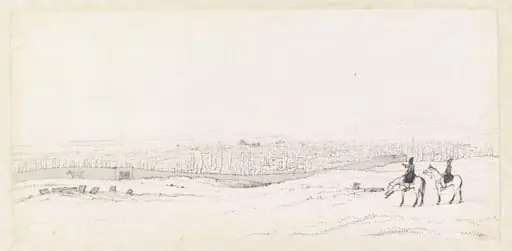 Tabriz
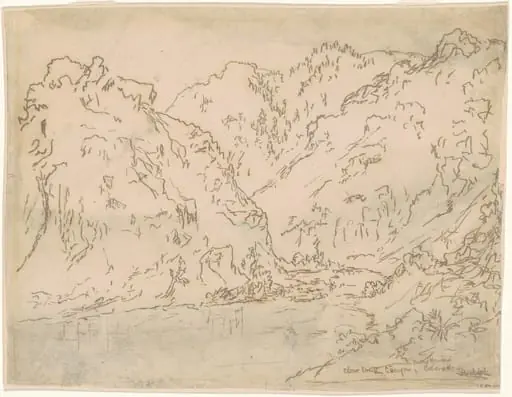 Clear Creek Canyon, Rocky Mountains, Colorado
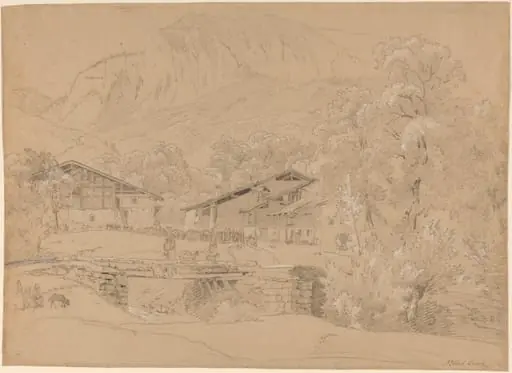 An Alpine Village in Summertime
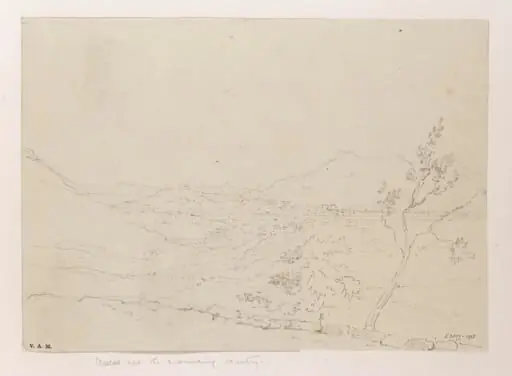 Macau, looking south-west along the peninsula
 Fort Putnam