Artwork
Copy after the painting Deposition from the Cross by P Lorenzetti in the Lower Church, San Francesco, Assisi
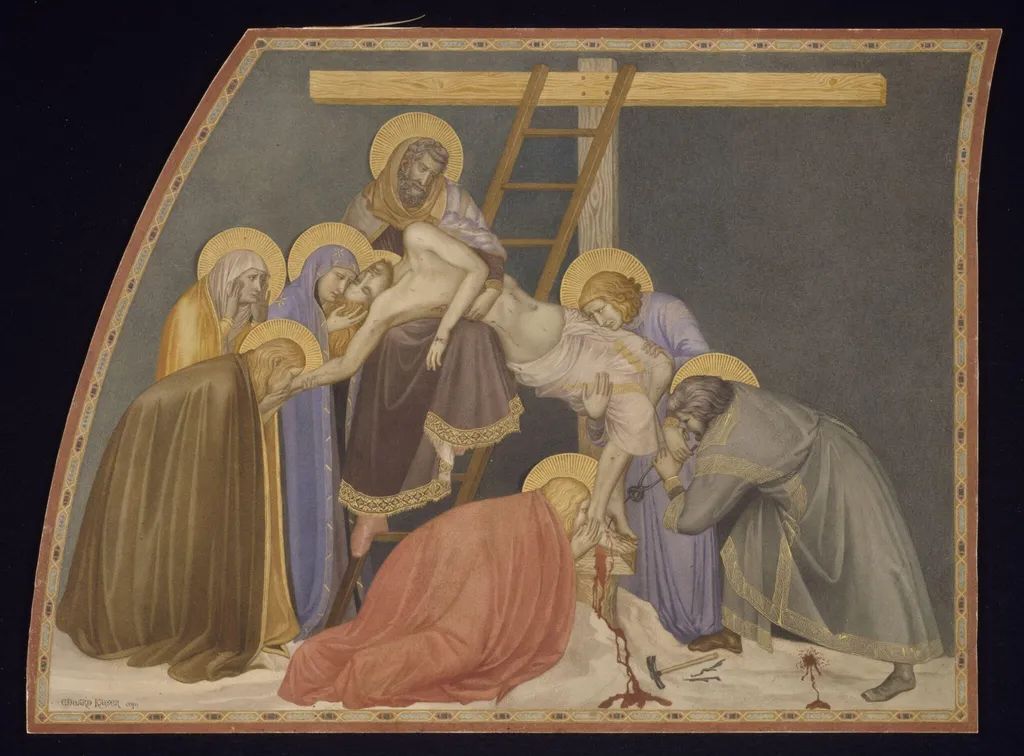
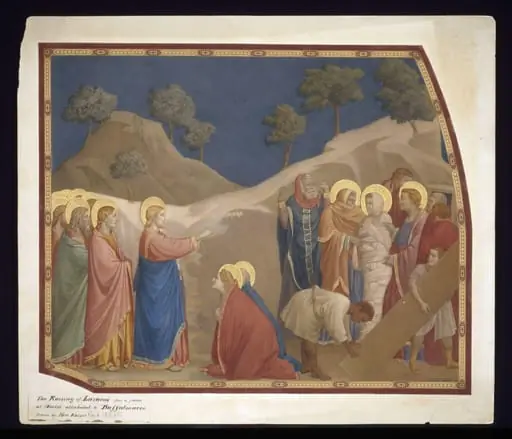
Copy after the painting Deposition from the Cross by P Lorenzetti in the Lower Church, San Francesco, Assisi is a watercolor work on paper by the Impressionist artist Edward Kaiser. It dates from 1874 and is held in the collection of the Victoria and Albert Museum. This watercolour is a faithful reproduction of Pietro Lorenzetti’s original fresco in the Lower Church of San Francesco, Assisi.
About this work
Overview
This watercolour is a faithful reproduction of Pietro Lorenzetti’s original fresco in the Lower Church of San Francesco, Assisi.
This watercolour is a faithful reproduction of Pietro Lorenzetti’s original fresco in the Lower Church of San Francesco, Assisi. Created in 1874 by Eduard Kaiser under the commission of the Arundel Society, it was produced as part of a broader effort to document and disseminate medieval Italian art. The work was published in 1875, reflecting Victorian-era interest in preserving and studying early Renaissance religious imagery through reproductive techniques.
Subject & Meaning
The scene depicts the removal of Christ’s body from the cross, a moment of solemn ritual and grief. Figures surround the lifeless form—some supporting his limbs, others kneeling in mourning, their expressions subdued yet deeply felt. The presence of halos marks the sacred nature of the participants, while the quiet composition emphasizes reverence over drama. The emotional weight lies in stillness, not motion, aligning with the devotional tone of the original fresco.
Technique & Style
Kaiser employed soft watercolour washes to emulate the muted tones and atmospheric depth of the original fresco. Gentle transitions between hues—ochres, deep blues, and muted reds—create a calm, contemplative mood. Edges are blurred, light is diffused, and details are simplified, avoiding sharp definition. This approach prioritizes emotional resonance over literal replication, capturing the spiritual gravity of the scene through tonal harmony rather than detail.
History & Provenance
Commissioned by the Arundel Society in 1874, the watercolour was part of a systematic project to record significant medieval and Renaissance artworks across Italy. Eduard Kaiser, a documented copyist for the society, inscribed his name on the work, as was customary. It entered the Victoria and Albert Museum’s collection following its publication in 1875, where it remains as an example of 19th-century art documentation practices.
Context
In the 19th century, institutions like the Arundel Society sought to make accessible artworks that were otherwise confined to remote churches or deteriorating frescoes. Watercolour copies served both scholarly and aesthetic purposes, allowing artists and the public to study early Italian painting without travel. Kaiser’s work reflects this movement’s commitment to preservation through reproduction, bridging medieval art and Victorian cultural interests.
Legacy
Though not an original composition, Kaiser’s watercolour preserves the visual language of Lorenzetti’s fresco at a time when such works were vulnerable to decay. It stands as a historical record of how 19th-century scholars engaged with medieval art—not through romanticization, but through careful, restrained reproduction. Today, it contributes to understanding the transmission of religious imagery and the role of copying in art historical study.
Artist & collection

 St Benedict and the True King Totila
 St Benedict and the False King Totila
 Copy after the painting Baptism of Christ by Masolino in Castiglione d'Olona
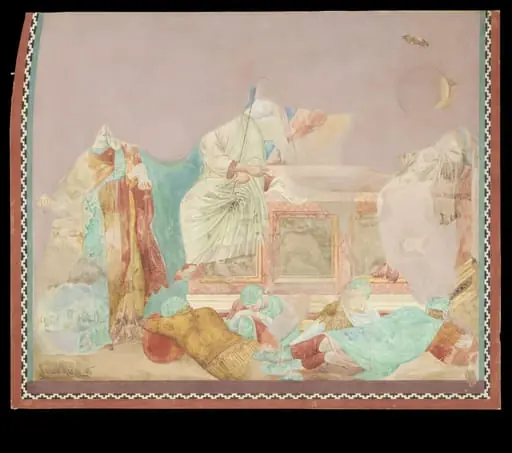 Copy after the painting The Maries at the Sepulchre attributed to the Isaac Master in the Upper Church, San Francesco, Assisi
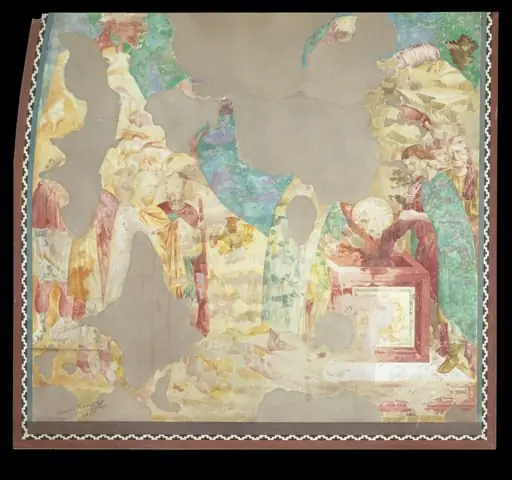 Copy after the painting Joseph and his brothers at the Well attributed to the Isaac Master in the Upper Church, San Francesco, Assisi
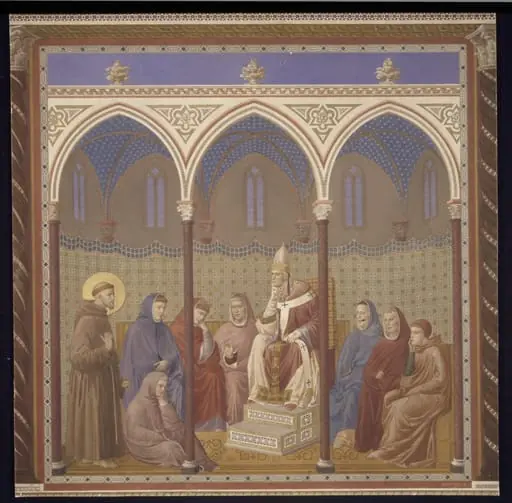 Copy after the painting St Francis before Pope Honorius by the Master of the St Francis cycle in the Upper Church, San Francesco, Assisi
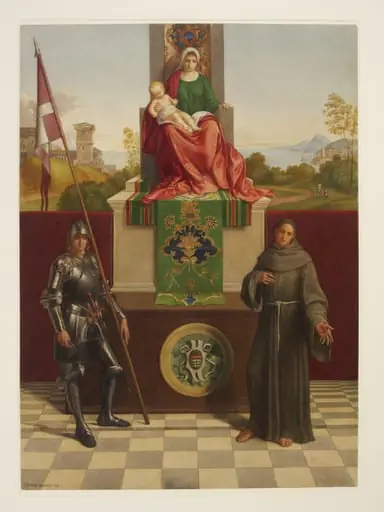 Copy after the painting Virgin and Child with Saints (Castelfranco Altarpiece) by Giorgione in S. Liberale, Castelfranco
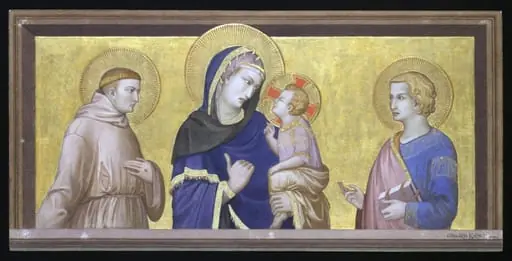 Copy after the painting Virgin and Child with St John and St Francis by Pietro Lorenzetti ??? in the Lower Church, San Francesco, Assisi
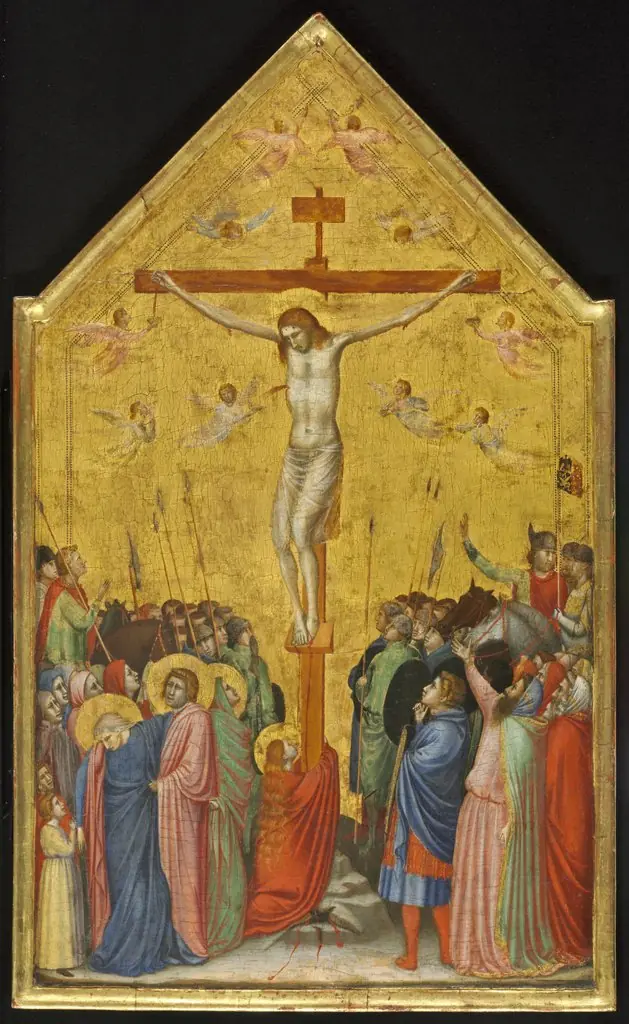 The Crucifixion of Christ
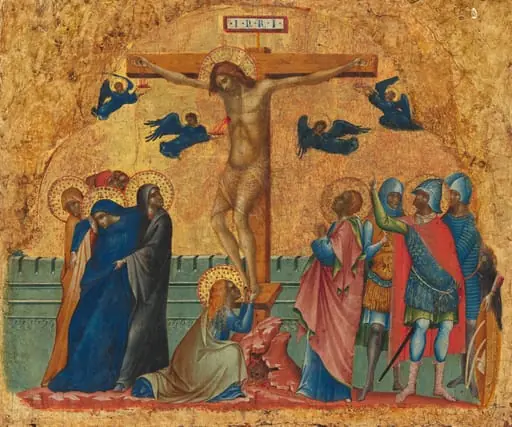 The Crucifixion
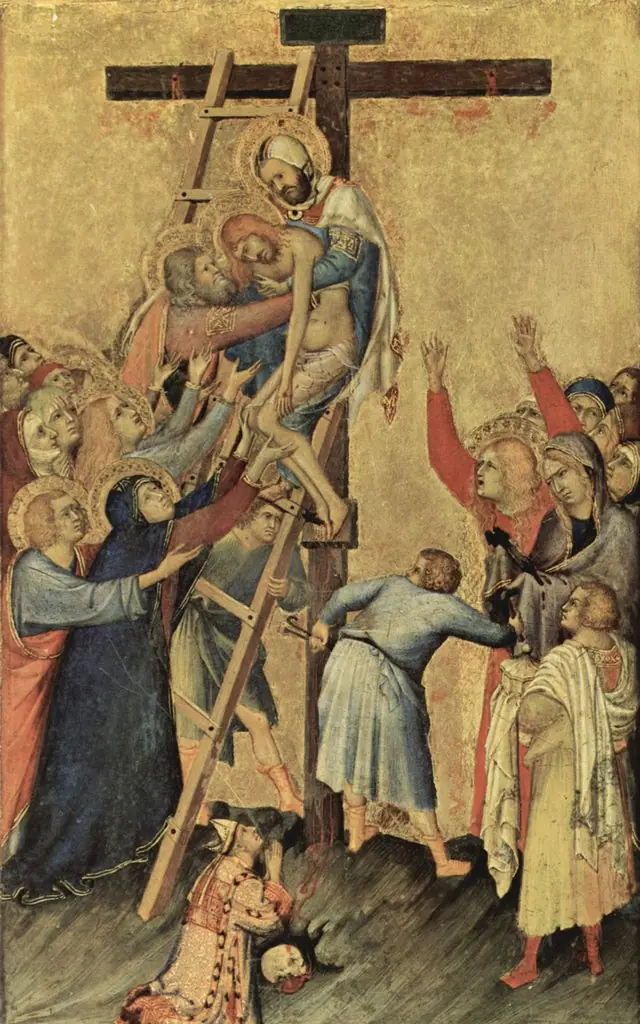 Descent from the Cross
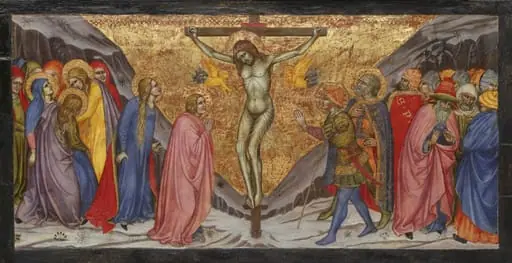 The Crucifixion
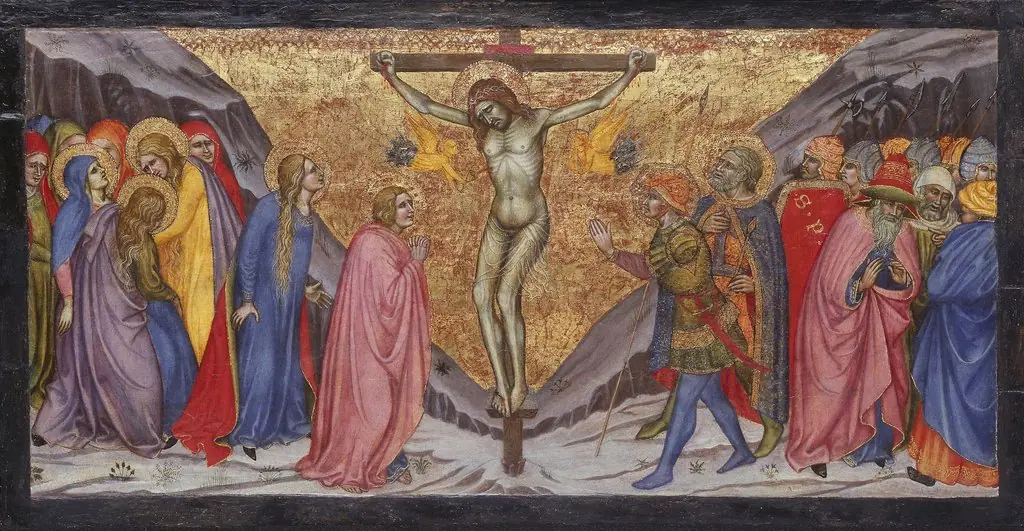 The Crucifixion
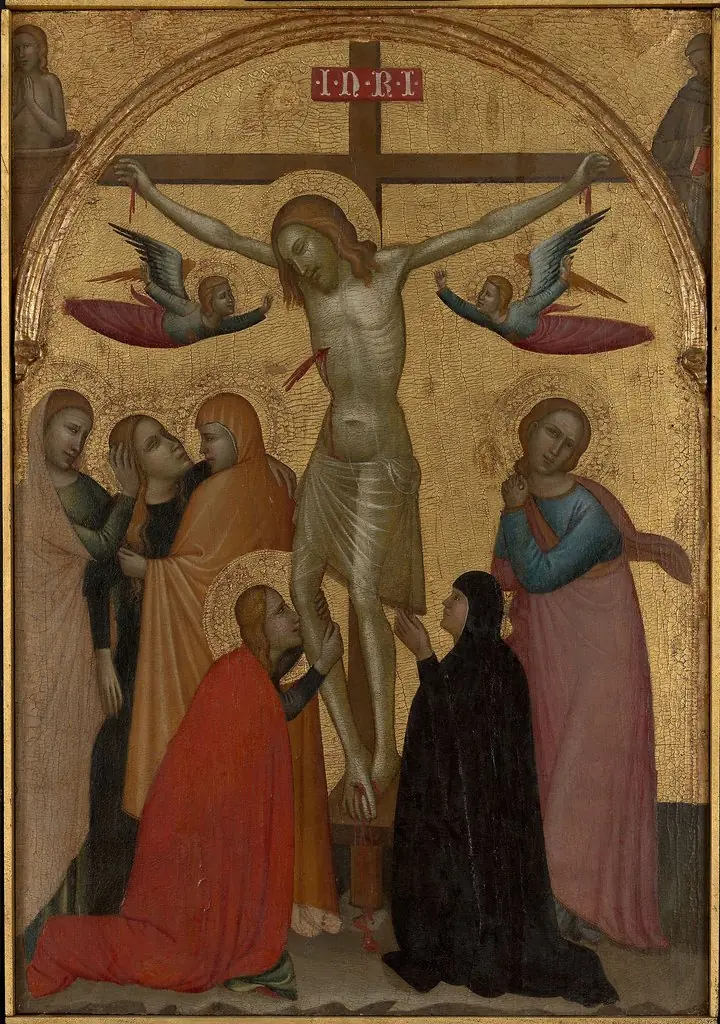 The Crucifixion
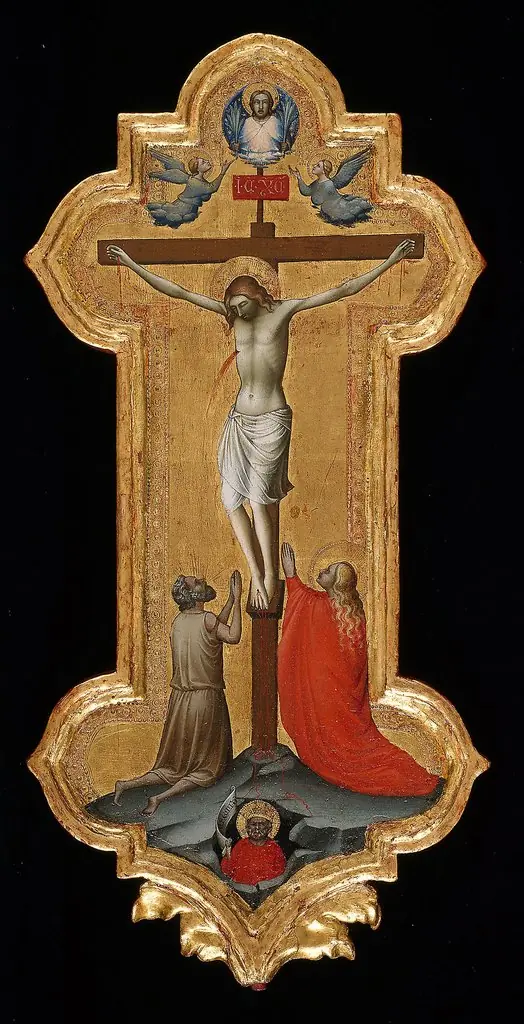 Processional Cross
 The Crucifixion
 The Crucifixion
 The Crucifixion
 Calvary with a Carthusian Monk
 Copy after The Raising of Lazarus attributed to Buonamico di Martino called Buffamalco in the Lower Church of San Francesco (Assisi)