Artwork
Copy after the painting The Expulsion attributed to Jacobo Torriti in the Upper Church, San Francesco, Assisi.
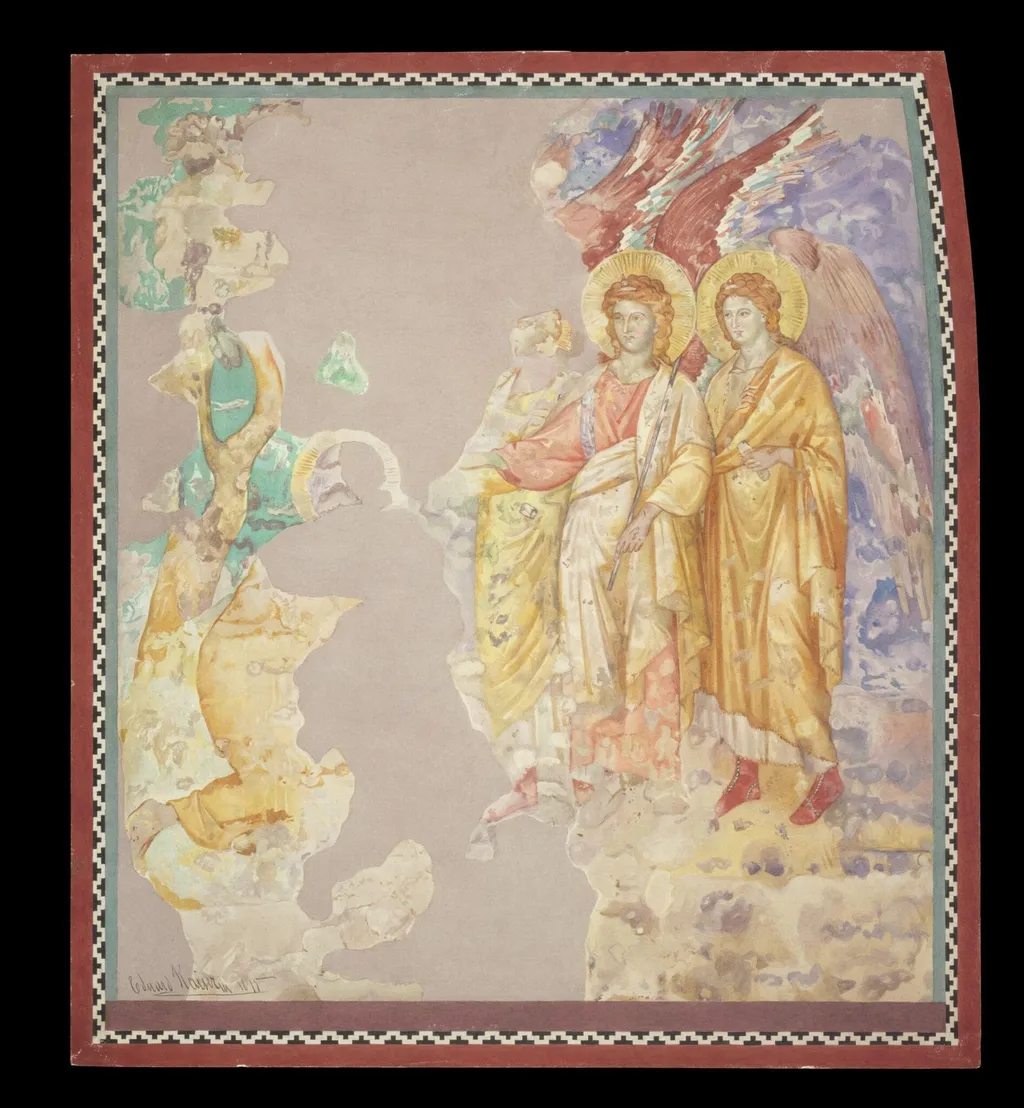
Copy after the painting The Expulsion attributed to Jacobo Torriti in the Upper Church, San Francesco, Assisi. is a watercolor work on paper by the Impressionist artist Edward Kaiser. It dates from 1875 and is held in the collection of the Victoria and Albert Museum.
About this work
Overview
This watercolour, created by Eduard Kaiser in 1875, is a faithful reproduction of a fresco scene from the Upper Church of San Francesco in Assisi.
This watercolour, created by Eduard Kaiser in 1875, is a faithful reproduction of a fresco scene from the Upper Church of San Francesco in Assisi. Commissioned by the Arundel Society as part of a project to document medieval art, the work was never published. Kaiser inscribed his name and the date, marking it as a personal study rather than a commercial print. The piece reflects 19th-century efforts to preserve and disseminate early Italian mural cycles through careful transcription.
Subject & Meaning
The scene depicts the Expulsion from Eden, a moment from Genesis where Adam and Eve are cast out of paradise. Two figures in richly hued robes, marked by halos, stand atop a celestial expanse—one gesturing with a staff, the other clasping their chest in sorrow. Above, an angelic form ascends, while a smaller figure below appears to tumble or climb, suggesting the descent from grace. The imagery conveys divine judgment and human loss, rendered with symbolic clarity rather than narrative detail.
Technique & Style
Kaiser employed loose, fluid watercolour strokes to emulate the atmospheric quality of the original fresco. Pigments blend softly into the paper, creating a hazy, luminous effect that mimics light filtering through clouds. The lack of sharp outlines and the muted transitions between colours evoke a dreamlike stillness. This technique prioritizes mood over precision, aligning with 19th-century artistic practices that valued emotional resonance over strict topographical accuracy.
History & Provenance
The watercolour was produced during a period when the Arundel Society actively commissioned reproductions of medieval and Renaissance artworks for scholarly and public circulation. Kaiser’s version of the Assisi fresco was one of many such studies, intended for archival use rather than public display. Though never printed, it remained in private or institutional hands, preserving a record of the fresco’s appearance before later restoration altered its surface.
Context
In the 1870s, European institutions sought to document Italy’s artistic heritage amid concerns over deterioration and political instability. The Arundel Society’s projects reflected a broader movement to safeguard cultural memory through accurate transcription. Kaiser’s work, though unpublished, contributed to this effort by capturing the fresco’s composition and tonal harmony before modern conservation interventions changed its visual character.
Legacy
Kaiser’s watercolour survives as a quiet testament to 19th-century art documentation practices. It offers insight into how contemporaries interpreted and translated medieval imagery into new media. While not widely exhibited, it remains a valuable reference for understanding the original fresco’s appearance and the aesthetic priorities of its transcriber. The piece exemplifies the scholarly dedication behind preservation efforts of the era.
Artist & collection

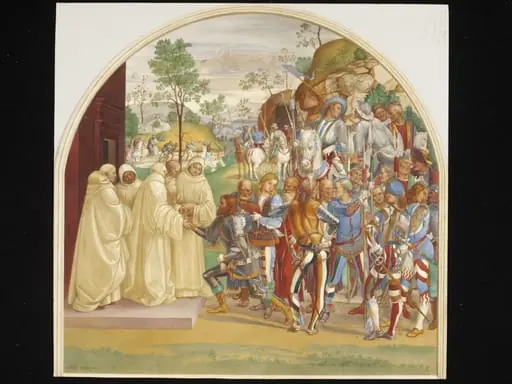 St Benedict and the True King Totila
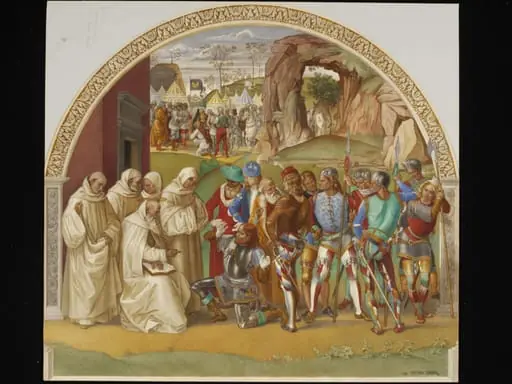 St Benedict and the False King Totila
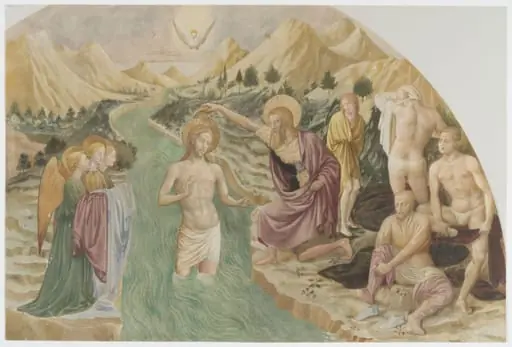 Copy after the painting Baptism of Christ by Masolino in Castiglione d'Olona
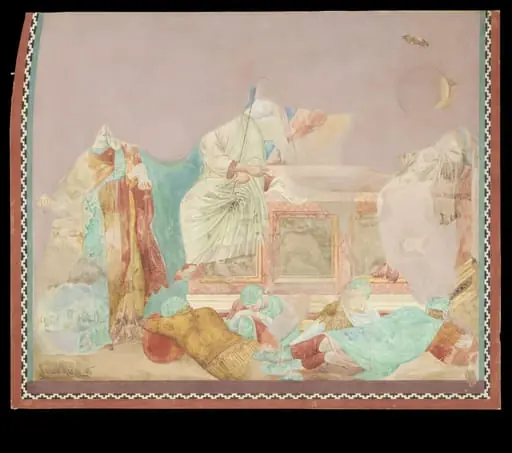 Copy after the painting The Maries at the Sepulchre attributed to the Isaac Master in the Upper Church, San Francesco, Assisi
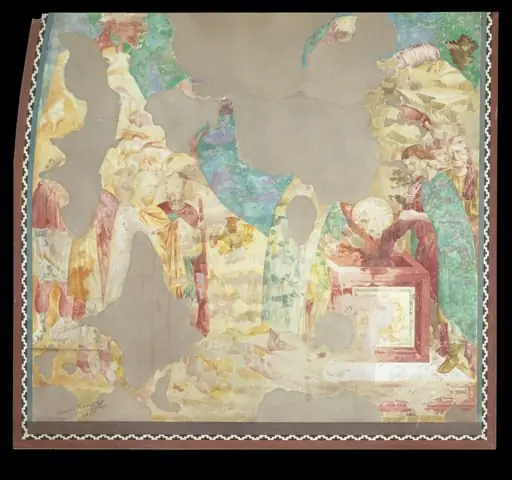 Copy after the painting Joseph and his brothers at the Well attributed to the Isaac Master in the Upper Church, San Francesco, Assisi
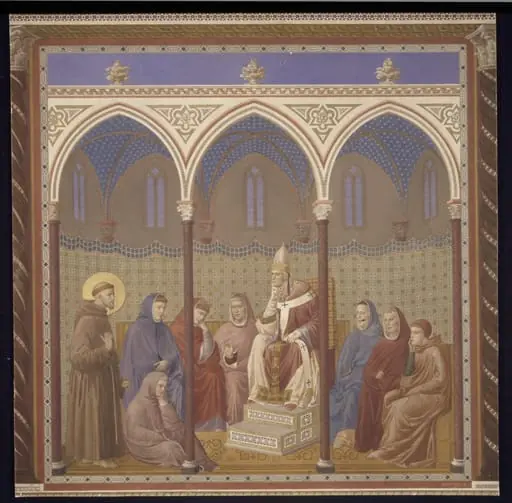 Copy after the painting St Francis before Pope Honorius by the Master of the St Francis cycle in the Upper Church, San Francesco, Assisi
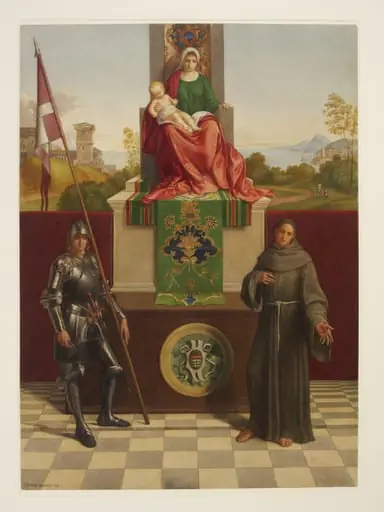 Copy after the painting Virgin and Child with Saints (Castelfranco Altarpiece) by Giorgione in S. Liberale, Castelfranco
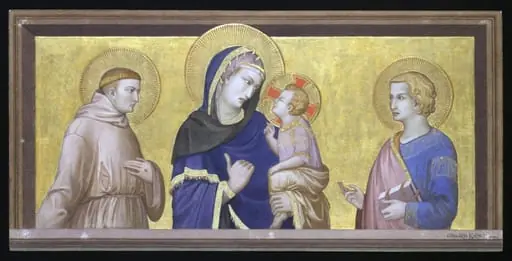 Copy after the painting Virgin and Child with St John and St Francis by Pietro Lorenzetti ??? in the Lower Church, San Francesco, Assisi
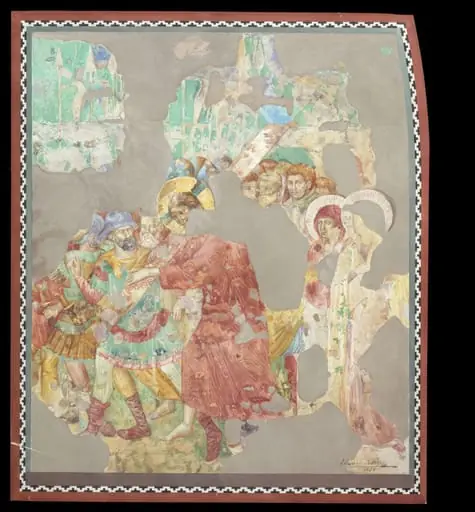 Copy after the painting Christ carrying the cross attributed to Jacobo Torriti in the Upper Church, San Francesco, Assisi
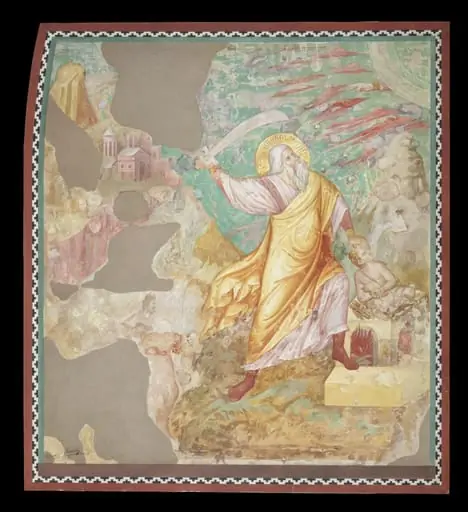 Copy after the painting Abraham Sacrificing Isaac attributed to Jacobo Torriti in the Upper Church, San Francesco, Assisi.
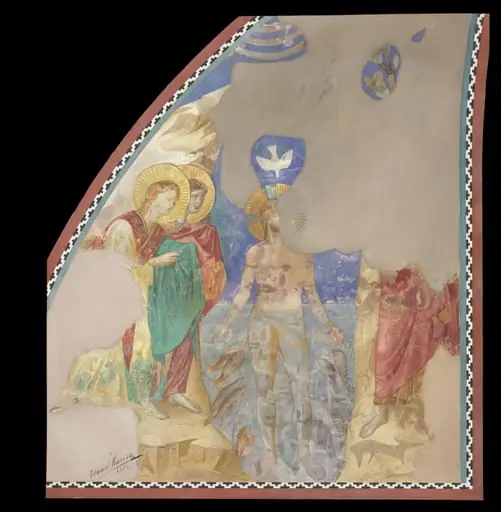 Copy after the painting The Baptism of Christ attributed to the Isaac Master in the Upper Church, San Francesco, Assisi
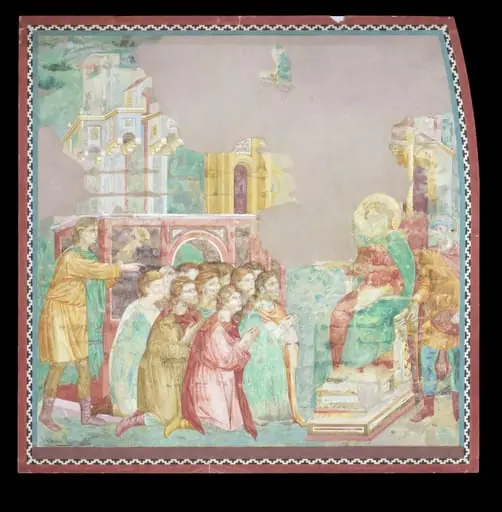 Copy after the painting Joseph and his brothers in Egypt attributed to the Isaac Master in the Upper Church, San Francesco, Assisi
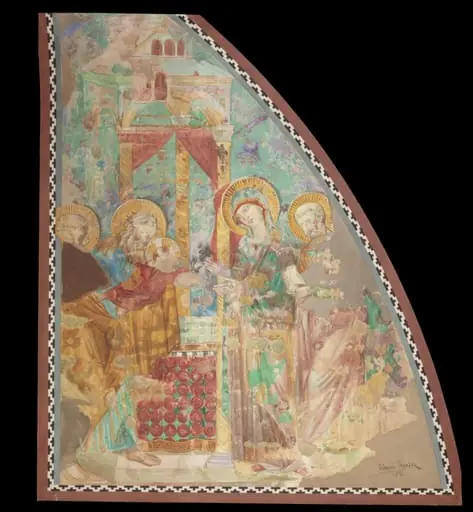 Copy after the painting The Presentation in the Temple attributed to Jacobo Torrit in the Upper Church, San Francesco, Assisi
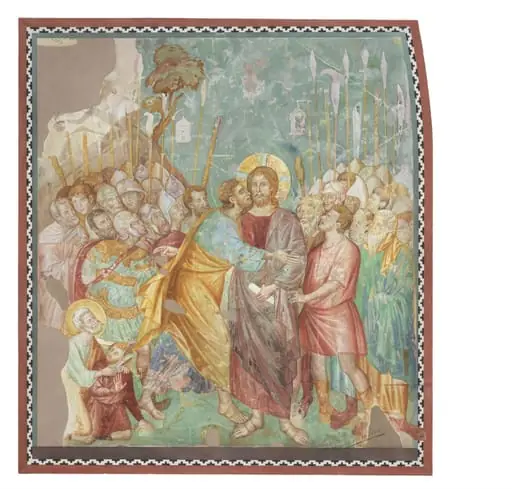 Copy after the painting The Betrayal of Christ attributed Jacobo Torrit in the Upper Church, San Francesco, Assisi
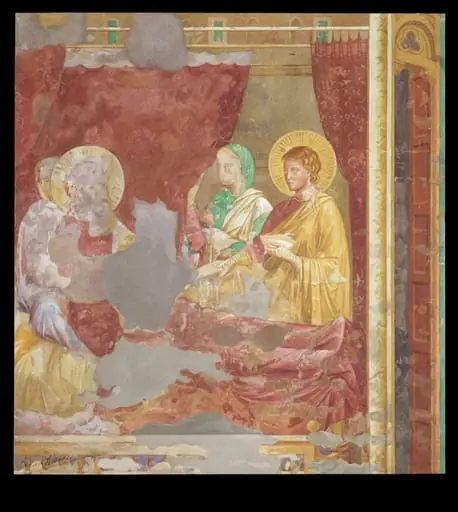 Copy after the painting Isaac blessing Jacob attributed to the Isaac Master in the Upper Church, San Francesco, Assisi.
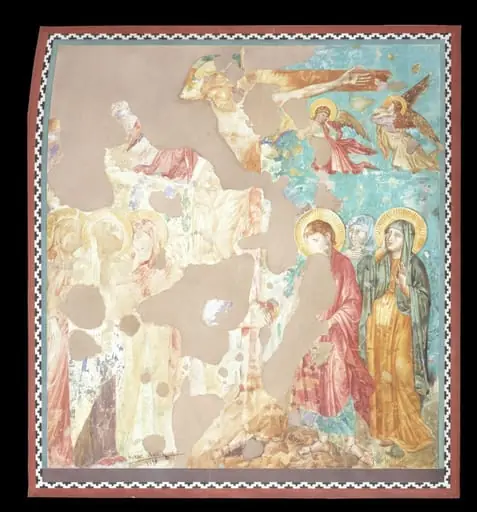 Copy after the painting The Crucifixion attributed to unknown master sometimes thought to be Duccio in the Upper Church, San Francescro, Assisi
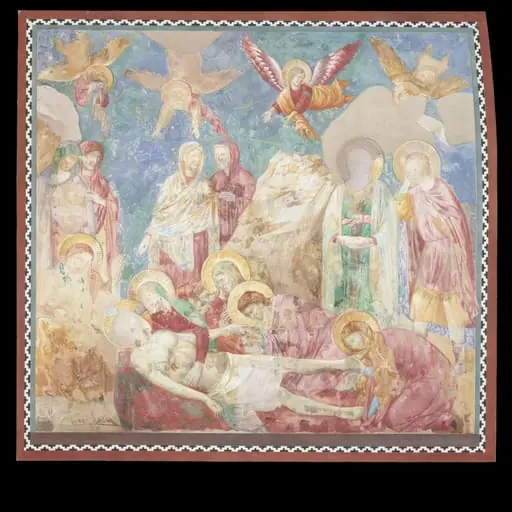 Copy after the painting The Pieta attributed to the Isaac Master in the Upper Church, San Francesco, Assisi
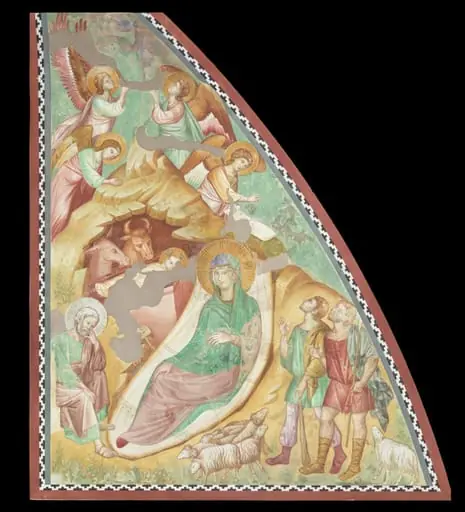 Copy after the painting The Nativity attributed to Jacobo Torriti in the Upper Church, San Francesco, Assisi
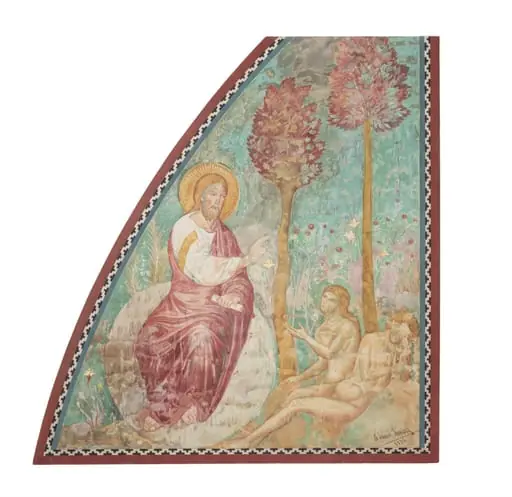 Copy after the painting The Creation of Eve attributed to Jacobo Torriti in the Upper Church, San Francesco, Assisi.