Artwork
Philae on the Nile
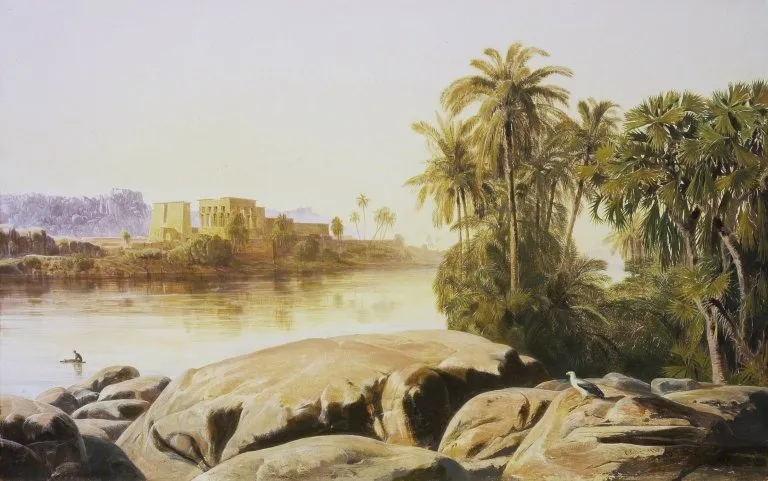
Philae on the Nile is an oil painting by Edward Lear. It dates from 1855 and is held in the collection of the Brooklyn Museum.
About this work
Overview
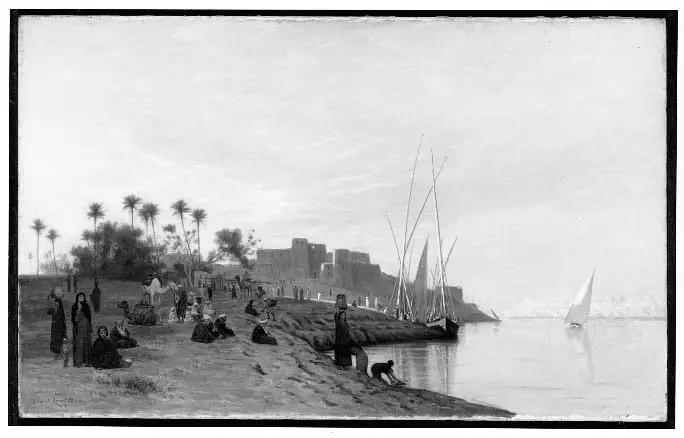
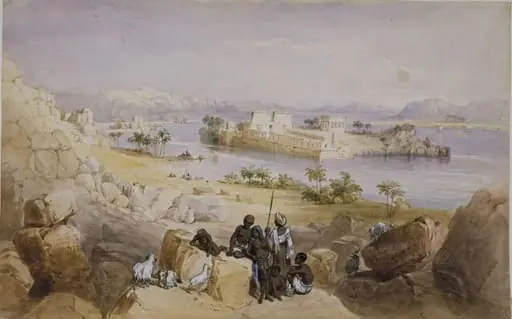
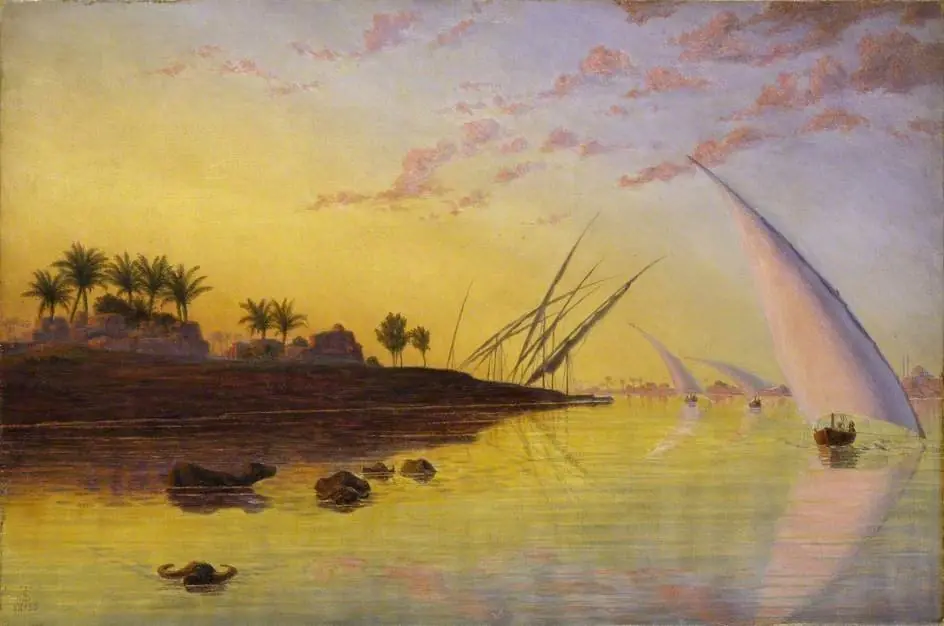
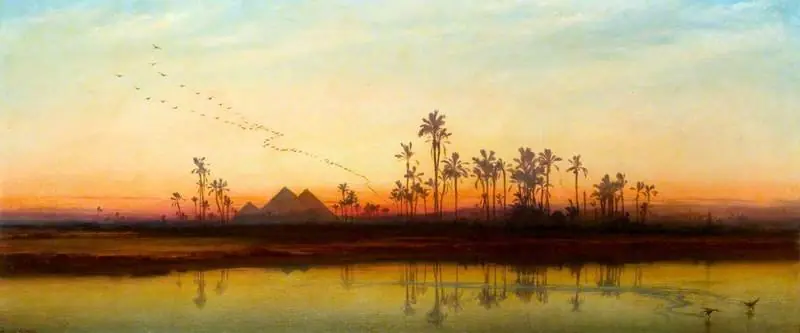
Edward Lear’s 1855 oil painting *Philae on the Nile* depicts a tranquil river scene on the Egyptian island of Philae. Calm water mirrors a soft sky, while distant structures and palm silhouettes frame the horizon. In the foreground, large rocks host a solitary bird, adding a quiet focal point to the otherwise placid landscape.
Subject & Meaning
The composition presents an idealised view of the Nile’s banks, emphasizing serenity and the gentle rhythm of nature. The lone bird perched on a rock suggests a subtle observation of life within an otherwise still environment, inviting contemplation of the harmony between water, land, and flora.
Technique & Style
Executed in oil on canvas, Lear employs a restrained palette of muted blues, greens, and earth tones. His brushwork renders smooth water reflections and delicate foliage, while the rendering of architectural elements remains suggestive rather than detailed, reflecting his background in travel sketching and natural illustration.
History & Provenance
Created during Lear’s mid‑nineteenth‑century travels, the painting entered the collection of the Brooklyn Museum, where it remains on display. Its acquisition reflects the museum’s interest in works that document 19th‑century exploration and the artistic crossover between illustration and fine art.
Context
Lear, better known for literary nonsense and bird illustrations, produced *Philae on the Nile* amid a prolific period of travel drawing and landscape painting. The work aligns with contemporary British interest in Egypt and the Nile, a subject frequently explored by artists and writers fascinated by the region’s exotic appeal.
Artist & collection
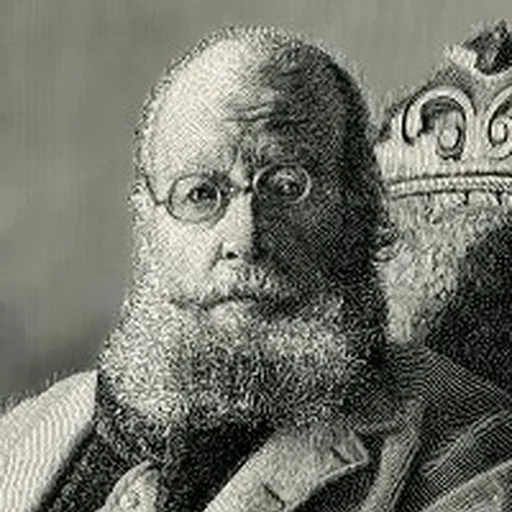
Artist
Edward Lear (12 May 1812 – 29 January 1888) was an English artist, illustrator, musician, author and poet, who is known mostly for his literary nonsense in poetry and prose and especially his limericks, a form he popularised but which term…