Artwork
Taggia
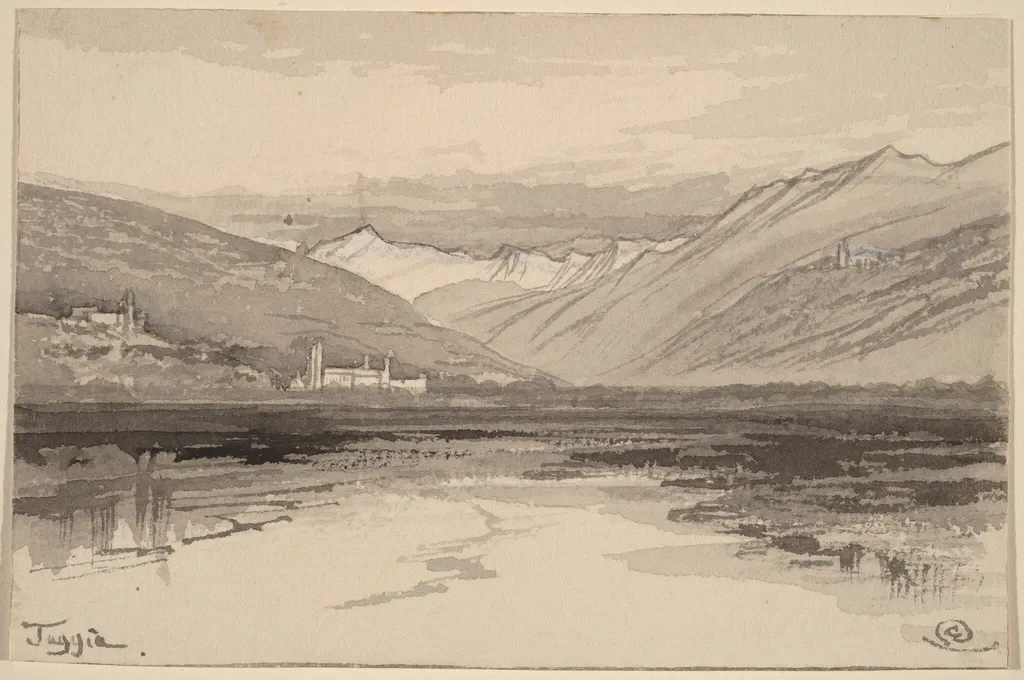
Taggia is a gouache drawing by the Impressionist artist Edward Lear. It dates from 1884 and is held in the collection of the National Gallery of Art.
About this work
Overview
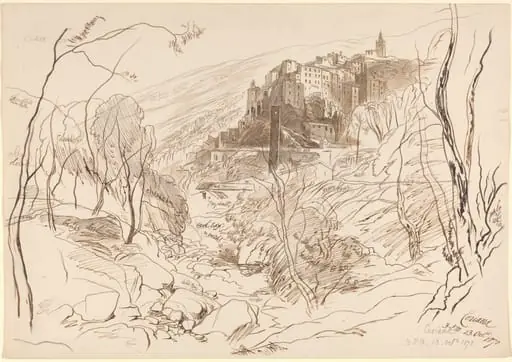
Taggia is a drawing created by Edward Lear in 1884, executed in black and gray wash with accents of white gouache on card.
Subject & Meaning
The subject of Taggia is a landscape, characteristic of Lear's travel-inspired artworks. The piece likely captures a scene encountered during his journeys, though its specific location (beyond the titular reference to Taggia) and deeper thematic meanings are not immediately discernible from the artwork's medium or described characteristics.
Technique & Style
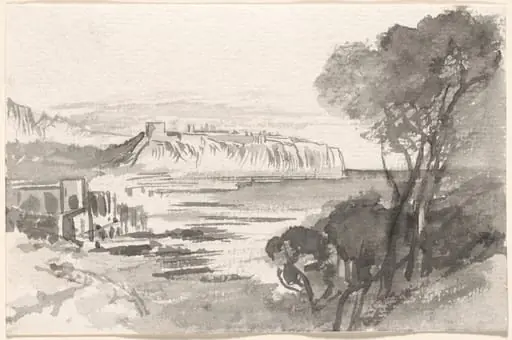
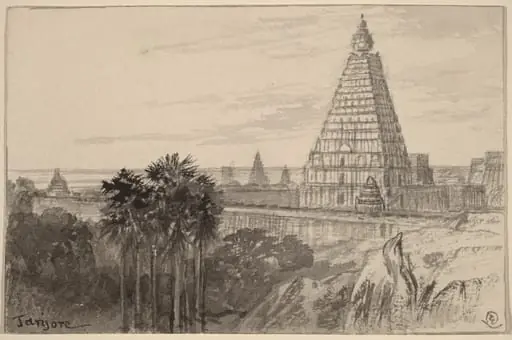
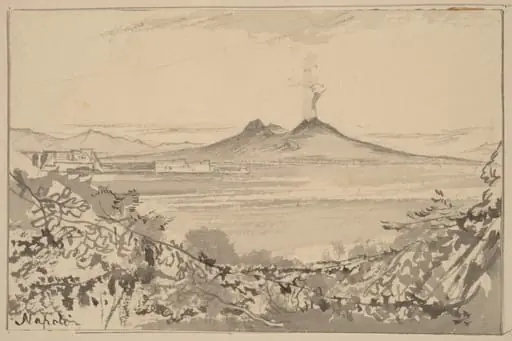
Lear employed his customary method of monochrome drawing with selective highlighting in Taggia. Black and gray washes define the composition, while white gouache adds targeted luminosity, illustrating his approach to capturing and enhancing natural scenes.
History & Provenance
Created in 1884, during the latter part of Lear's life, Taggia fits within his late-period production of detailed landscape drawings, many of which were later adapted for publication. Specific provenance details (ownership history) are not provided.
Context
Taggia should be contextualized within Lear's broader artistic practice, which balanced detailed, realistic landscape drawing with his more famous whimsical literary creations. This work reflects his dual identity as both a meticulous observer of natural beauty and a purveyor of nonsense verse.
Own this work as a print
Artist & collection
Artist
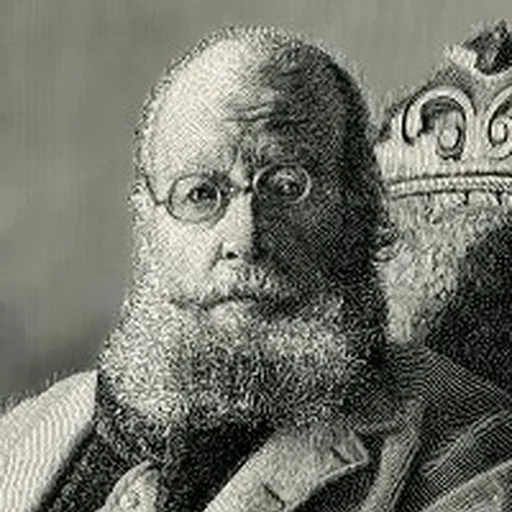
Edward Lear (12 May 1812 – 29 January 1888) was an English artist, illustrator, musician, author and poet, who is known mostly for his literary nonsense in poetry and prose and especially his limericks, a form he popularised but which term…

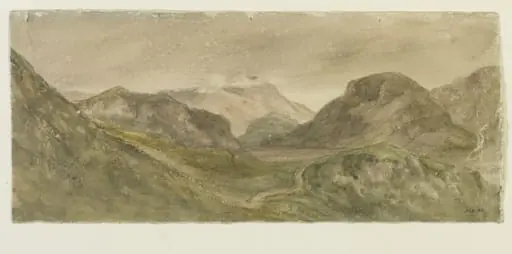 Hellvellyn
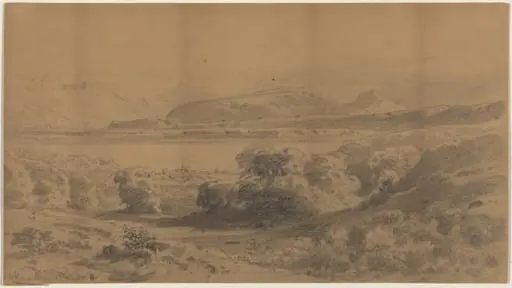 Panorama on a Mountain Lake
 Near Jericho
 Chain of Alps from Grenoble to Chamberi
 A Town on a Hilltop (Sanctuary of Lampedusa)
 Part of Cader Idris and Tal-y-Llyn
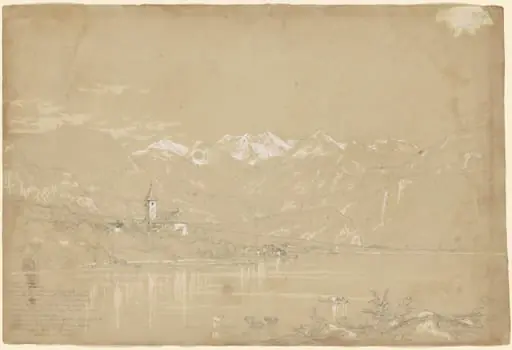 Lake of Brienz
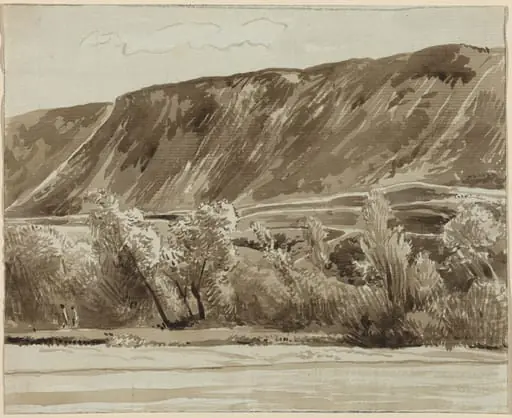 A River Bank with Mountains Beyond
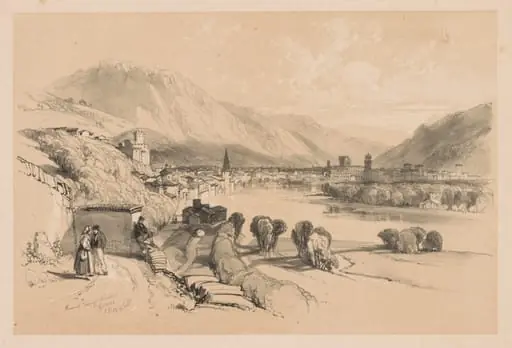 Sketches at Home and Abroad: General View of Trento
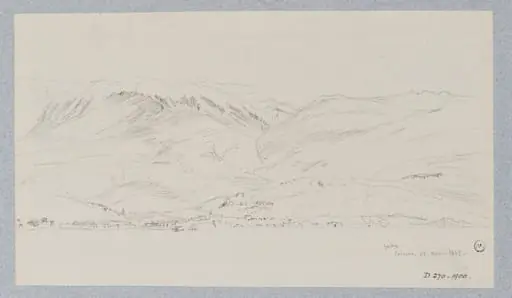 Sketches made during the Campaign of 1854-55 in the Crimea, Circassia and Constantinople
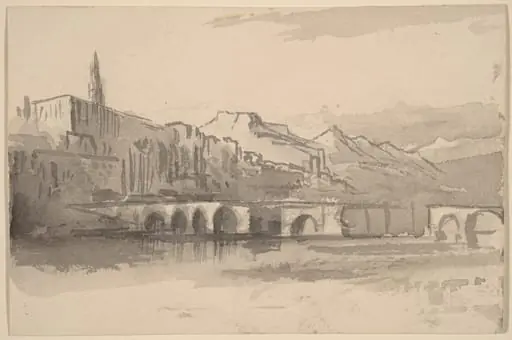 Bridge with Mountains in the Distance (Ventimiglia)
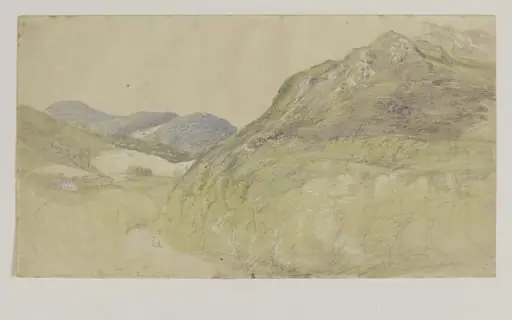 Near the Travellers Rest Inn, Dolgelly