Artwork
Portfolio III, Plate 103: Red Cloud-Ogalala
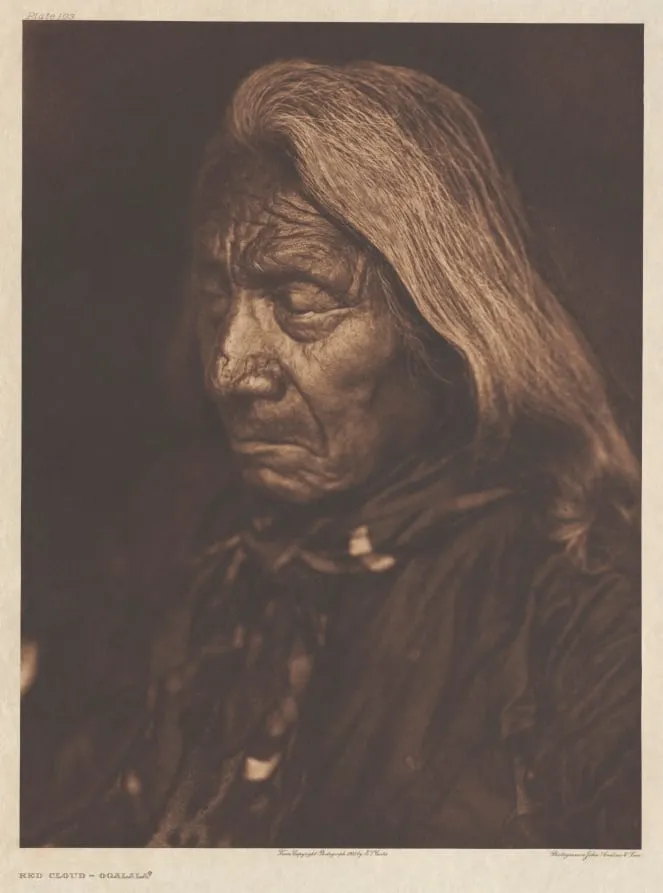
Portfolio III, Plate 103: Red Cloud-Ogalala is a work on paper by Edward S. Curtis. It dates from 1905 and is held in the collection of the Cleveland Museum of Art.
About this work
Overview
It depicts the Oglala Lakota leader Red Cloud, an elder statesman known for his resistance to U.
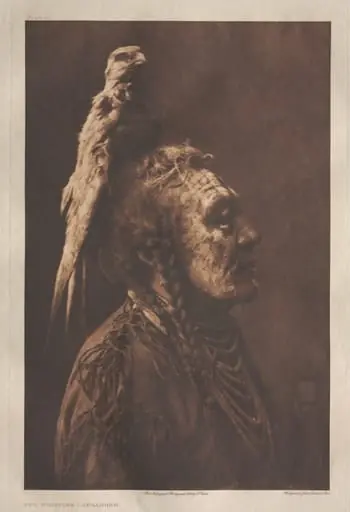
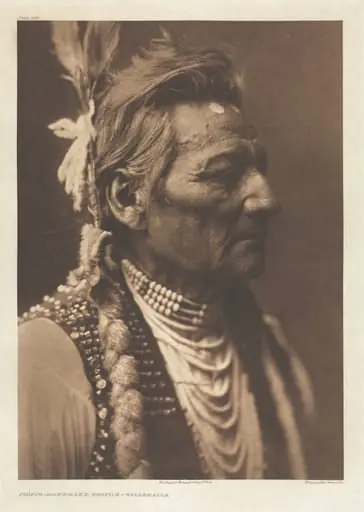
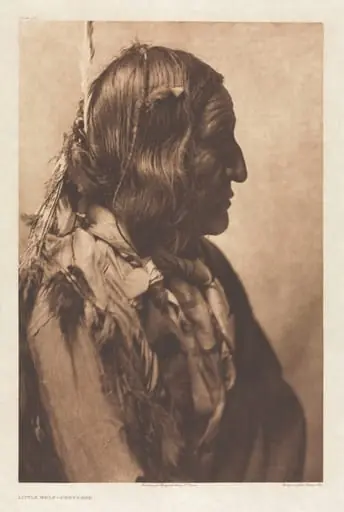
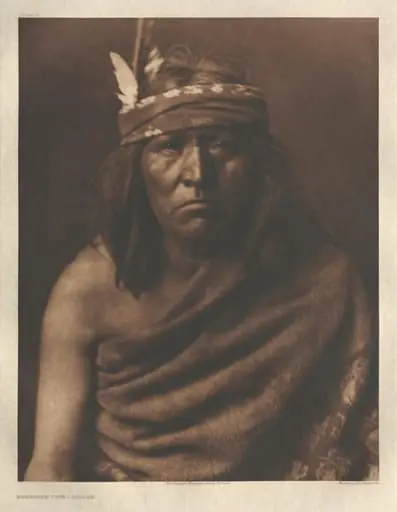
Portfolio III, Plate 103: Red Cloud-Ogalala is a photographic portrait from Edward S. Curtis’s larger ethnographic project, completed in 1905. It depicts the Oglala Lakota leader Red Cloud, an elder statesman known for his resistance to U.S. expansion. The image is one of many in Curtis’s series documenting Native American life, produced through careful studio lighting and prolonged exposure to capture detail and dignity.
Subject & Meaning
The subject, Red Cloud, was a prominent Oglala Lakota chief who negotiated treaties and later adapted to life under U.S. governance. His aged face, downcast gaze, and still posture convey quiet authority and introspection. Curtis framed him not as a stereotype but as an individual bearing the weight of historical change, emphasizing personal dignity over romanticized imagery.
Technique & Style
Curtis employed soft, directional lighting to model the contours of Red Cloud’s face, using chiaroscuro to enhance texture and depth. The dark background isolates the figure, drawing focus to his expression and attire—simple woolen garments, a dark scarf, and long gray hair. The photograph’s tonal range and fine detail reflect Curtis’s commitment to technical precision and atmospheric realism.
History & Provenance
Created as part of Curtis’s twenty-volume The North American Indian, this image was printed using photogravure, a labor-intensive process ensuring rich tonal quality. The work entered The Cleveland Museum of Art’s collection through institutional acquisitions of Curtis’s original plates and prints, preserving its place within early 20th-century documentary photography.
Context
At the time of its creation, Curtis’s project coincided with federal policies aimed at assimilating Native peoples. His portraits, though criticized later for staging and idealization, offered a counter-narrative to prevailing caricatures. Red Cloud’s image, in particular, stood as a testament to Indigenous resilience amid cultural disruption.
Legacy
Curtis’s photographs of Red Cloud remain significant for their role in shaping public perception of Native American leaders. While modern scholarship questions his methods, the portrait endures as a visual record of a key historical figure. It continues to inform discussions on representation, authenticity, and the ethics of ethnographic documentation.
Artist & collection

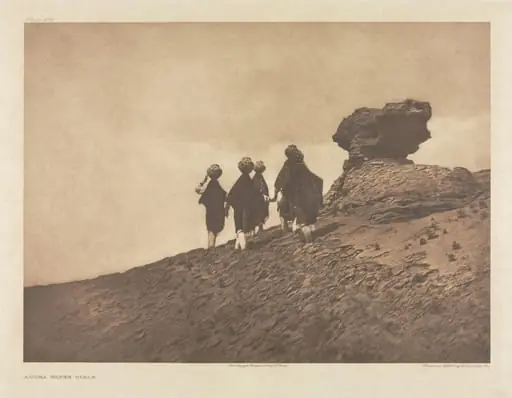 Portfolio XVI, Plate 573: Acoma Water Girls
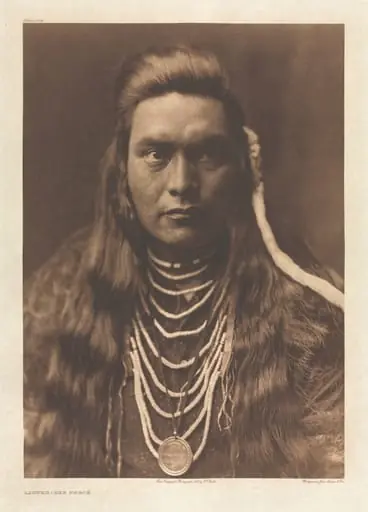 Portfolio VIII, Plate 264: Lawyer - Nez Percé
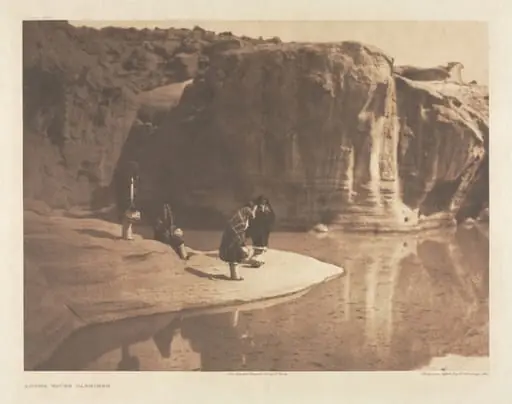 Portfolio XVI, Plate 568: Acoma Water Carriers
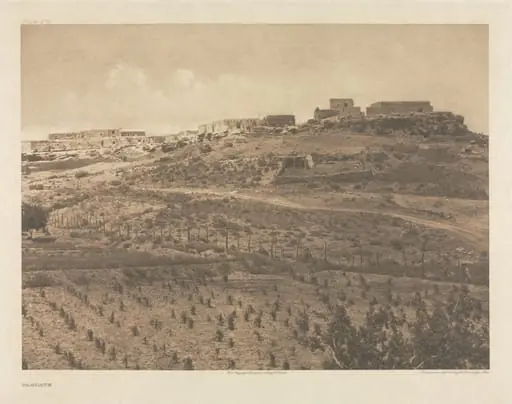 Portfolio XVI, Plate 574: Paguate
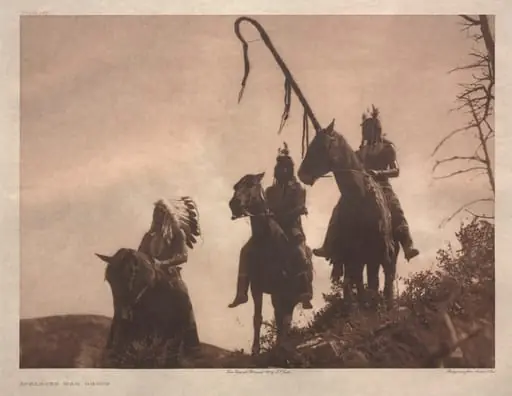 Portfolio IV, Plate 147: Apsaroke War Group
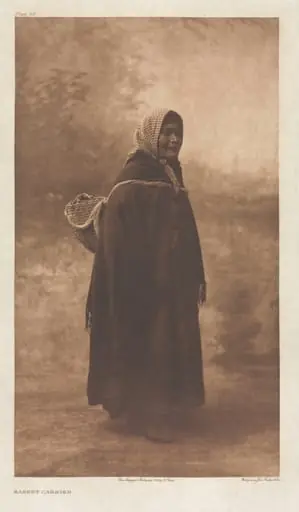 Portfolio IX, Plate 311: Basket Carrier
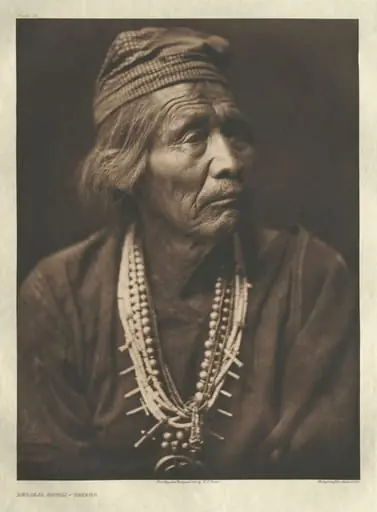 Portfolio I, Plate 31: Nesjája Hatáli-Navaho
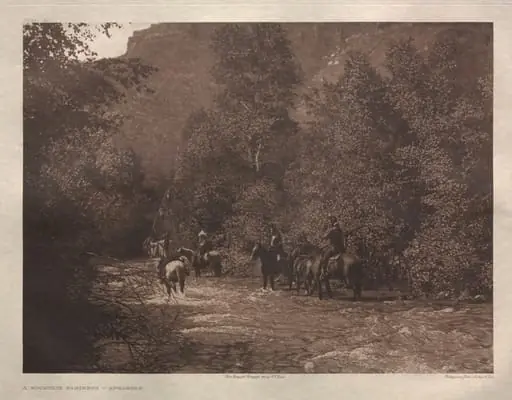 Portfolio IV, Plate 140: A Mountain Fastness--Apsaroke