Artwork
Portfolio VIII, Plate 264: Lawyer - Nez Percé
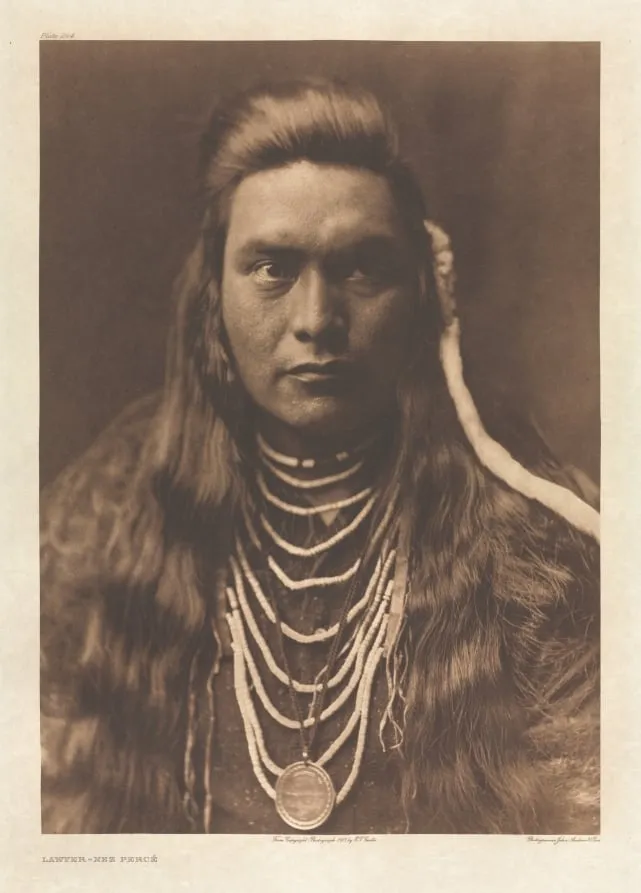
Portfolio VIII, Plate 264: Lawyer - Nez Percé is a work on paper by Edward S. Curtis. It dates from 1905 and is held in the collection of the Cleveland Museum of Art.
About this work
Overview
It is part of a series documenting Indigenous peoples of North America, and is currently held in the collection of The Cleveland Museum of Art.
Portfolio VIII, Plate 264: Lawyer - Nez Percé is a photographic portrait from Edward S. Curtis’s larger ethnographic project, completed in 1905. It is part of a series documenting Indigenous peoples of North America, and is currently held in the collection of The Cleveland Museum of Art. The image presents a single figure against a muted, dark background, rendered in sepia tones characteristic of Curtis’s platinum prints.
Subject & Meaning
The subject is identified as a Nez Percé man named Lawyer, a respected leader known for his diplomacy during treaty negotiations. His attire—fur shawl, layered necklaces, and a medallion—reflects personal and cultural significance rather than generic stereotyping. The white cloth draped from his ear may indicate ceremonial or status-related adornment, though its precise meaning remains tied to oral tradition rather than written record.
Technique & Style
Curtis employed a large-format camera and slow exposure techniques to capture fine detail in the man’s features and textiles. The sepia toning and soft focus lend the image a quiet solemnity, while the dark background isolates the figure, emphasizing dignity and presence. Lighting is naturalistic, likely from a window or diffused outdoor source, avoiding theatricality in favor of restrained realism.
History & Provenance
The photograph was produced during Curtis’s decade-long expedition to document Native American life, funded privately and later published in his twenty-volume The North American Indian. Plate 264 was included in Portfolio VIII, released in 1905. The Cleveland Museum of Art acquired it as part of its broader collection of early 20th-century photographic works, preserving it as a historical document rather than an artistic artifact alone.
Context
Curtis’s project emerged amid widespread assimilation policies and the romanticization of Indigenous cultures as vanishing. While his images were intended as ethnographic records, they often framed subjects through a lens of nostalgia. Lawyer, as a known historical figure, represents a complex intersection of leadership, adaptation, and cultural preservation during a period of forced displacement and treaty enforcement.
Legacy
The portrait remains a reference point in discussions about representation, colonial documentation, and the ethics of photographic ethnography. Though criticized for staging and idealization, it also preserves the appearance and dignity of individuals like Lawyer, whose voices were rarely recorded in official histories. The image continues to be studied for its visual language and its role in shaping public perception of Native American identity.
Artist & collection

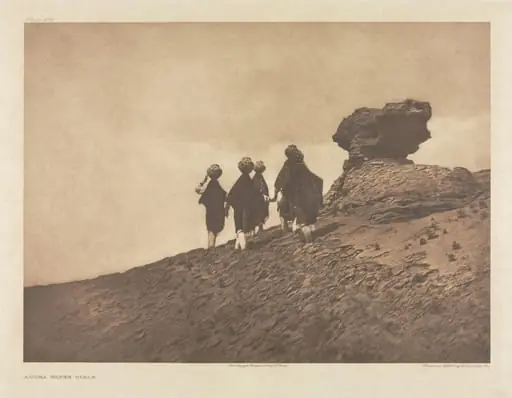 Portfolio XVI, Plate 573: Acoma Water Girls
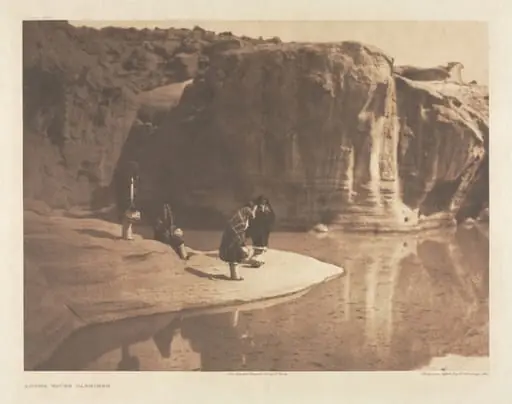 Portfolio XVI, Plate 568: Acoma Water Carriers
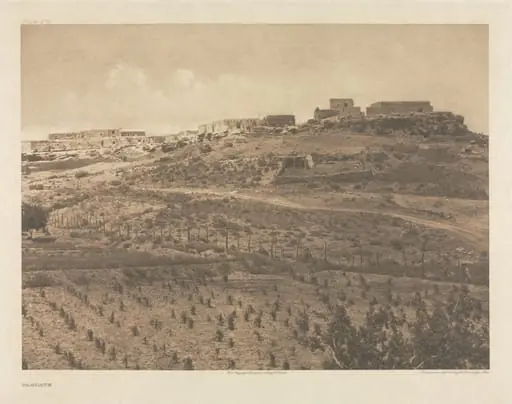 Portfolio XVI, Plate 574: Paguate
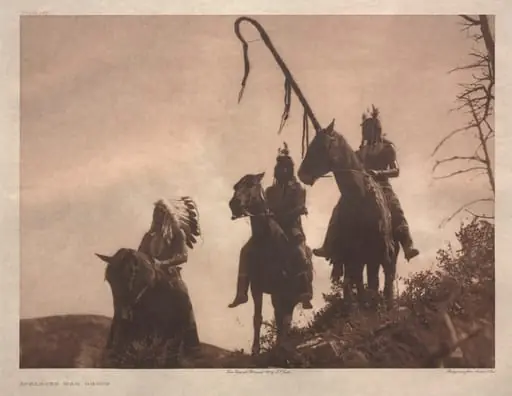 Portfolio IV, Plate 147: Apsaroke War Group
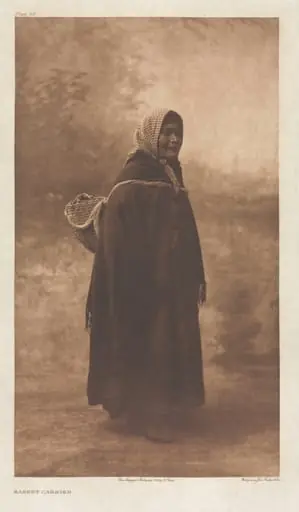 Portfolio IX, Plate 311: Basket Carrier
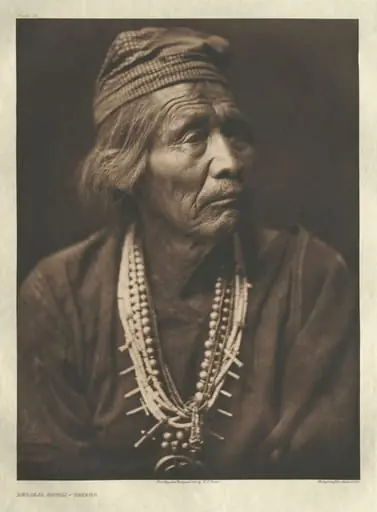 Portfolio I, Plate 31: Nesjája Hatáli-Navaho
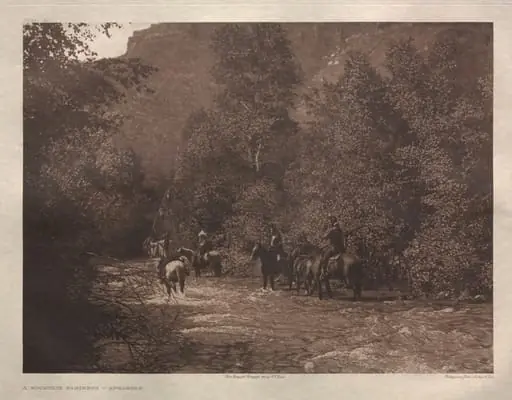 Portfolio IV, Plate 140: A Mountain Fastness--Apsaroke
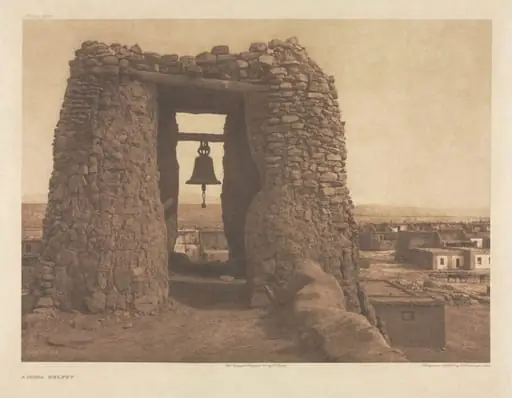 Portfolio XVI, Plate 564: Acoma Belfry
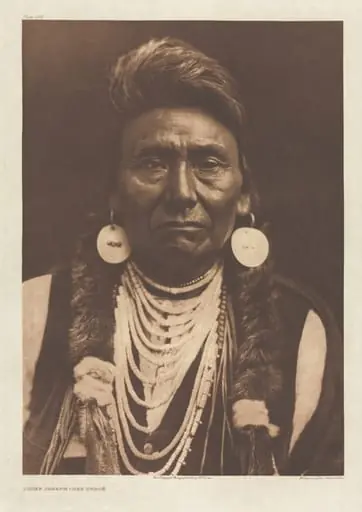 Portfolio VIII, Plate 256: Chief Joseph - Nez Percé
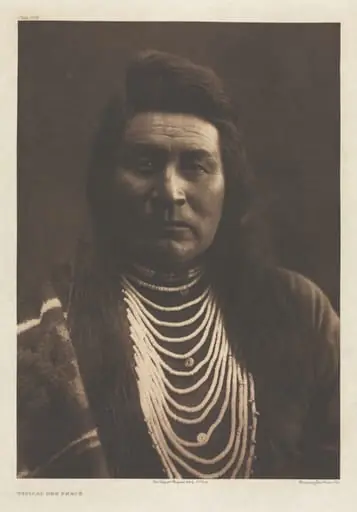 Portfolio VIII, Plate 258: Typical Nez Percé
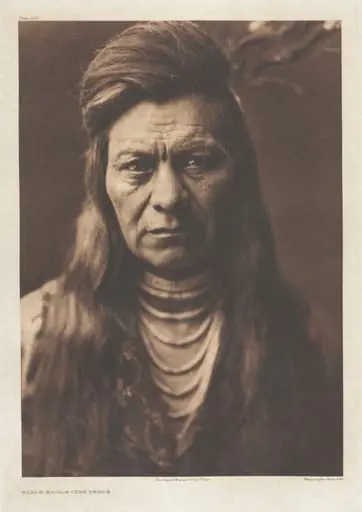 Portfolio VIII, Plate 265: Black Eagle - Nez Percé
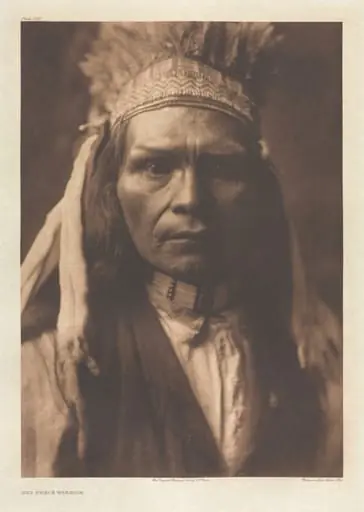 Portfolio VIII, Plate 262: Nez Percé Warrior
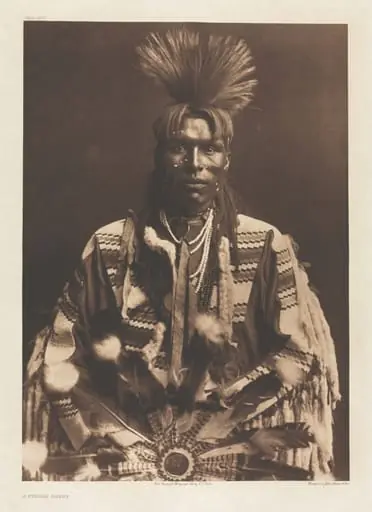 Portfolio VI, Plate 208: A Piegan Dandy
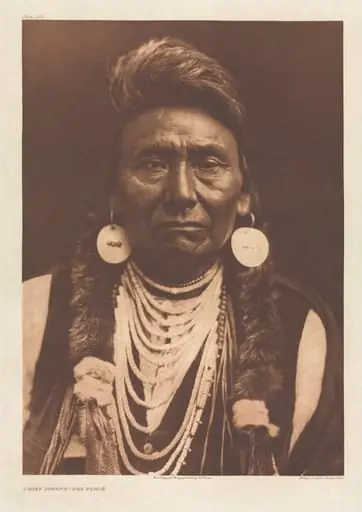 Portfolio VIII, Plates 256- 292
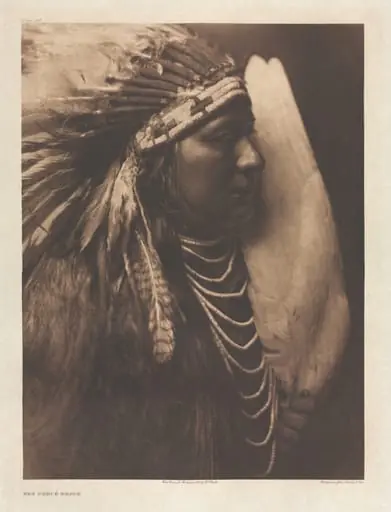 Portfolio VIII, Plate 263: Nez Percé Brave
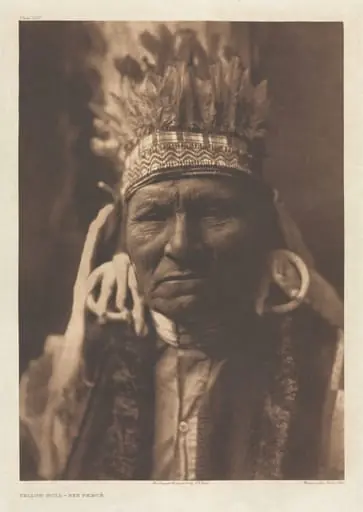 Portfolio VIII, Plate 257: Yellow Bull - Nez Percé
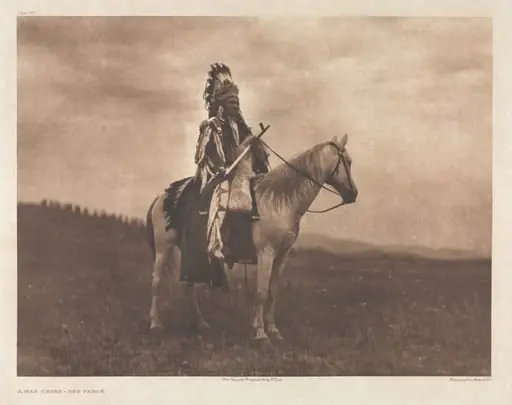 Portfolio VIII, Plate 271: A War Chief - Nez Percé
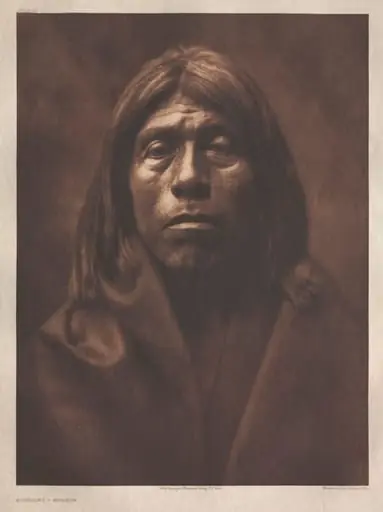 Portfolio II, Plate 60