Artwork
Portfolio IV, Plate 147: Apsaroke War Group
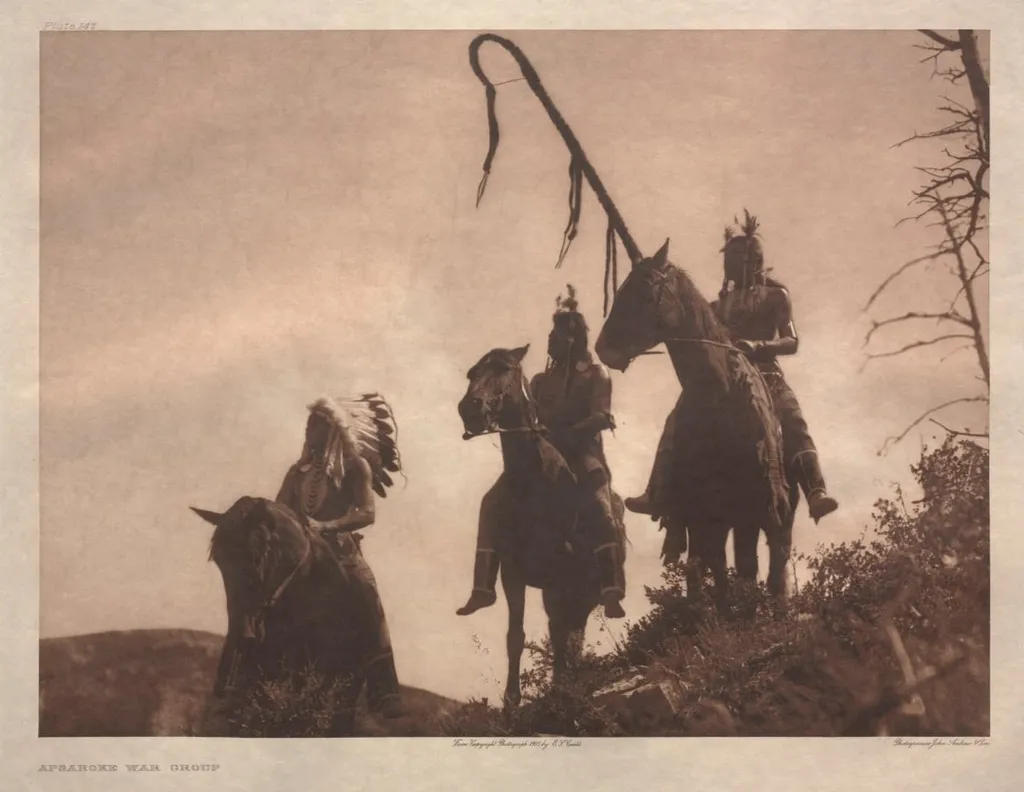
Portfolio IV, Plate 147: Apsaroke War Group is a work on paper by Edward S. Curtis. It dates from 1905 and is held in the collection of the Cleveland Museum of Art.
About this work
Overview
Created in 1905, this image captures a moment of ceremonial presence among the Apsáalooke (Crow) people.
Portfolio IV, Plate 147: Apsaroke War Group is one of 150 photogravures from Edward S. Curtis’s multi-volume ethnographic project documenting Native American life. Created in 1905, this image captures a moment of ceremonial presence among the Apsáalooke (Crow) people. The photograph was printed using the photogravure process, which lends it a rich tonal range and archival texture, characteristic of Curtis’s commitment to preserving visual records of Indigenous cultures.
Subject & Meaning
The image depicts three Apsáalooke men on horseback, each positioned with deliberate solemnity. One carries a longbow, another wears a feathered headdress, and the third controls two horses, suggesting a group preparing for ritual or warfare. The composition emphasizes dignity and connection to the land, avoiding overt action to convey a sense of enduring cultural identity rather than a fleeting moment of conflict.
Technique & Style
Curtis employed photogravure, an intaglio printing method that transfers photographic images onto copper plates for inked reproduction. This technique produced subtle gradations of sepia tones and fine detail, distinguishing his work from standard photographic prints of the era. The grainy, muted surface enhances the sense of antiquity, aligning the image’s material form with its subject matter’s perceived historical weight.
History & Provenance
The photograph was produced as part of Curtis’s The North American Indian, a project funded privately and published between 1907 and 1930. Plate 147 was included in Portfolio IV, released in 1905. The Cleveland Museum of Art acquired the print as part of its broader collection of early 20th-century photographic works, preserving it as both an artistic and anthropological artifact.
Context
Curtis worked during a period of intense cultural disruption for Native nations, as federal policies sought assimilation and displacement. His project, though criticized later for romanticism and staging, was among the first large-scale efforts to systematically photograph Indigenous peoples. The Apsáalooke, known for their equestrian traditions and warrior societies, were among the groups he documented extensively in the Northern Plains.
Legacy
While Curtis’s work has been reevaluated for its colonial framing and staged compositions, the photogravures remain significant for their technical ambition and visual density. Plate 147 continues to be studied for its representation of Apsáalooke identity, serving as both a historical record and a point of dialogue about representation, agency, and the ethics of ethnographic photography.
Artist & collection

 Portfolio XVI, Plate 573: Acoma Water Girls
 Portfolio VIII, Plate 264: Lawyer - Nez Percé
 Portfolio XVI, Plate 568: Acoma Water Carriers
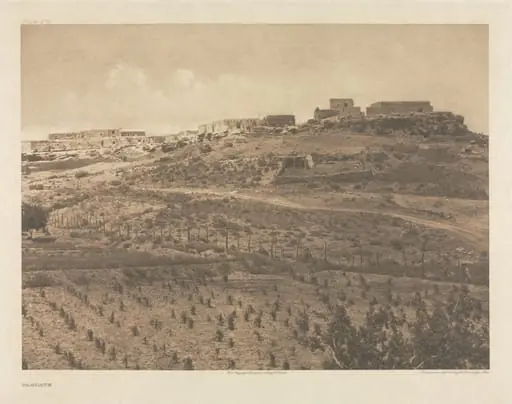 Portfolio XVI, Plate 574: Paguate
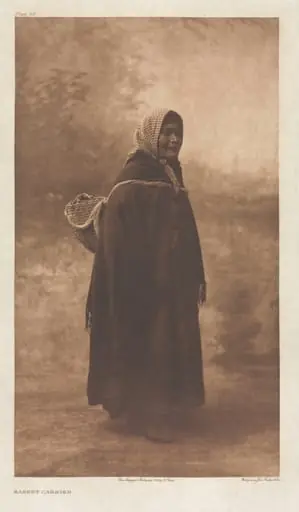 Portfolio IX, Plate 311: Basket Carrier
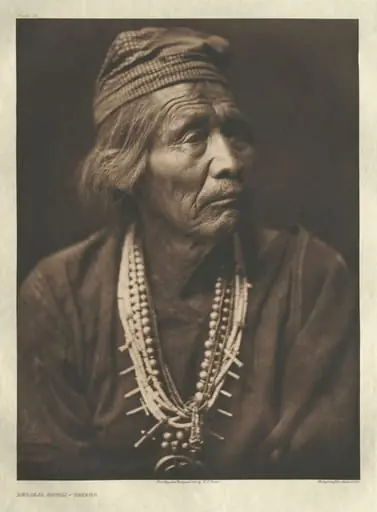 Portfolio I, Plate 31: Nesjája Hatáli-Navaho
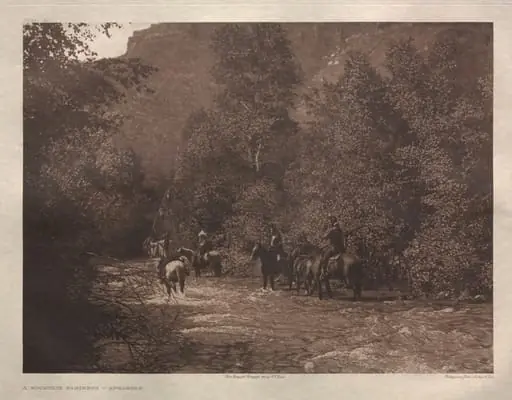 Portfolio IV, Plate 140: A Mountain Fastness--Apsaroke
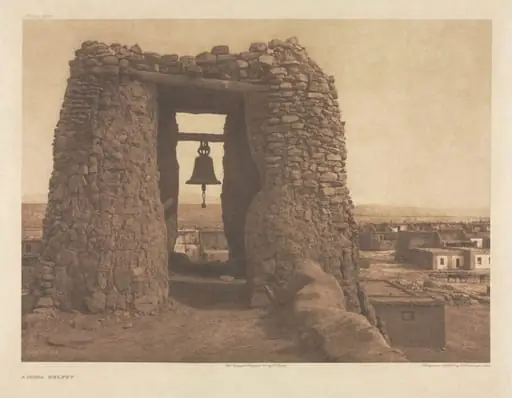 Portfolio XVI, Plate 564: Acoma Belfry
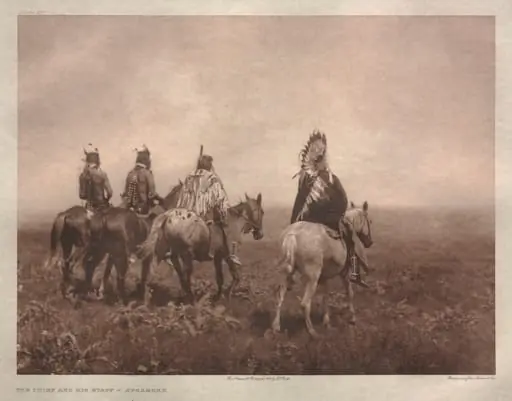 Portfolio IV, Plate 137: The Chief and His Staff--Apsaroke
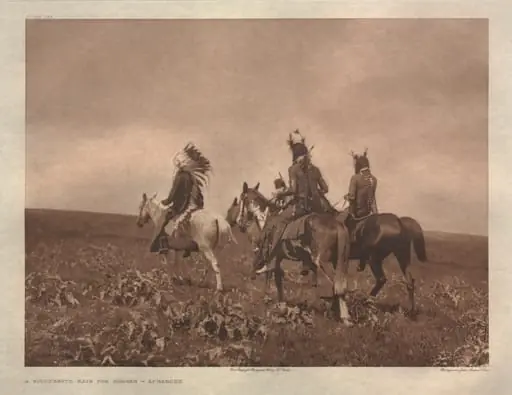 Portfolio IV, Plate 138: A Successful Raid for Horses--Apsaroke
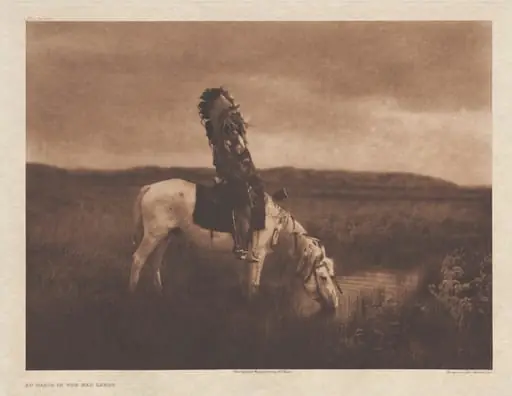 Portfolio III, Plate 80: An Oasis on the Bad Lands
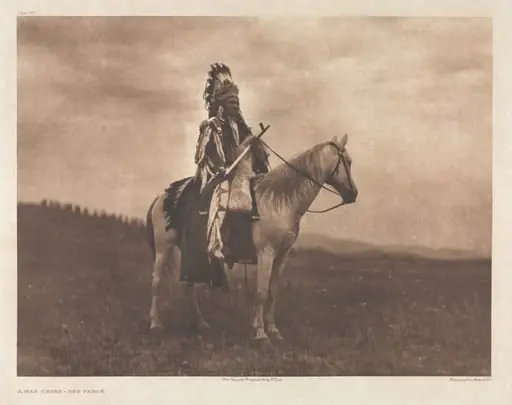 Portfolio VIII, Plate 271: A War Chief - Nez Percé
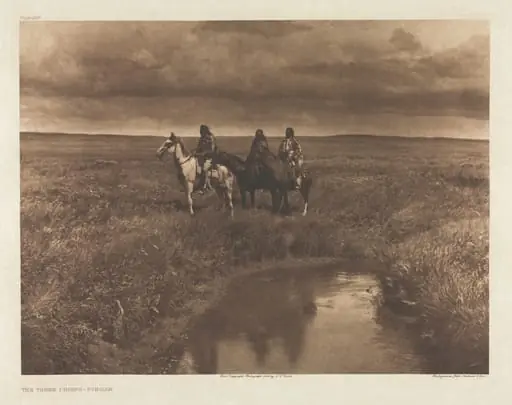 Portfolio VI, Plate 209: The Three Chiefs - Piegan
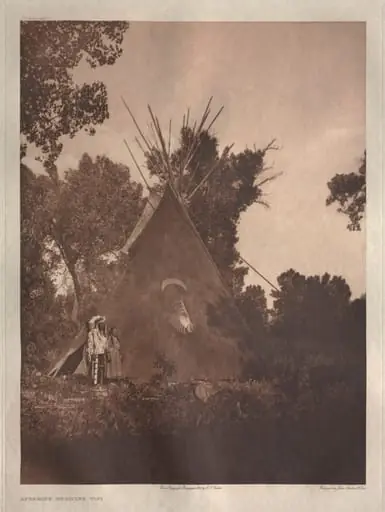 Portfolio IV, Plate 141: Apsaroke Medicine Tipi
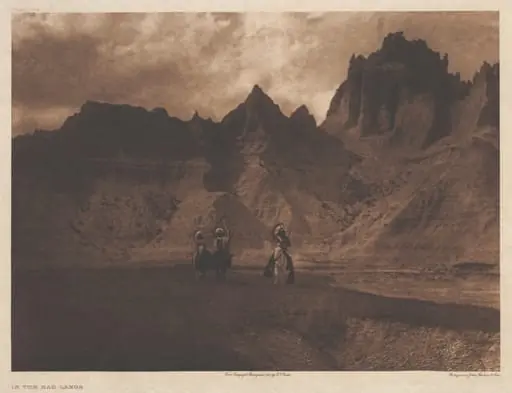 Portfolio III, Plate 119: In the Bad Lands